











%201.avif)









Our Blog

Melasma on Arms: Why It Happens and How to Treat It
Dealing with melasma on the arms poses challenges. In this article, we will explore the factors contributing to this condition, its symptoms, and a diverse range of treatment options available to restore your arm's natural beauty. Join us as we unlock the keys to brighter and rejuvenated arms, empowering you to showcase your skin with grace.
What exactly is Melasma on the arms?
Melasma on the arms refers to a skin condition characterized by pigmentation that leads to patches or discoloration on arm skin. Its distinction lies in both its location and the distinct challenges associated with treating and managing changes in pigmentation on the arms.
Are there any factors that can increase the vulnerability of the skin on the arms to developing Melasma?
Factors like exposure to sunlight and hormonal changes can make the skin on the arms develop Melasma. It is crucial to protect and be aware of these factors in order to prevent and manage melasma on the arms.

What does melasma on the arms look like?
Common visual characteristics of Melasma on the arms include patches of uneven pigmentation. Individuals can identify these features by observing areas on their arm skin, often appearing in a pattern, causing those areas to appear darker or mottled compared to the surrounding skin.
How do you treat melasma on the arms?
The available treatment options for Melasma on the arms may involve using agents undergoing chemical peels or opting for laser therapy. These treatments target Melanin production of pigmented skin that breaks down pigmented cells with the ultimate goal of improving both skin tone and pigmentation in that specific area. The choice of treatment should be made based on needs as well as recommendations from a dermatologist.
How long does it typically take to see results when undergoing treatment for melasma?
The results of Melasma treatment on the arms may vary. You might start seeing improvements within a week to a few months. It is important to continue with maintenance treatments and take care of your skin to enjoy lasting benefits. Discovering the secrets to achieving radiant and evenly toned arms is an empowering journey. I hope this sheds light on the challenges posed by Melasma in this exposed area. As you embark on your quest for rejuvenated arms, it is crucial to understand the factors that contribute to melasma, recognize its symptoms, and explore treatment options. Armed with this knowledge and guidance, you can confidently showcase your arms and unveil their radiance. Contact us today to learn more.
Melasma Under Eyes: Causes and How to Treat It
This article addresses the challenges of patches or discoloration in the delicate skin beneath our eyes. The presence of melasma in this area can overshadow our radiance. This article will help you understand, tackle, and regain clarity in your under-eye skin. Melasma under the eyes presents difficulties, so let us know the factors contributing to this condition, its symptoms, and a range of treatment options that can effectively clear those shadows.
What exactly is Melasma under the eyes?
Melasma under the eyes refers to patches or discoloration that occur specifically in the region beneath our eyes. It differs from Melasma in areas due to its location and because treating this delicate skin requires special attention as it is more prone to pigmentation changes.

What are the leading causes and triggers of Melasma beneath the eyes?
The primary factors that cause and trigger melasma beneath the eyes are often connected to sun exposure, hormonal changes, and genetic predisposition. Hormonal shifts are among the strongest triggers, which is why melasma during pregnancy is so common. The skin in this area is particularly prone to pigmentation changes, which makes it a common location for melasma development.
What are the typical visual characteristics and symptoms of melasma beneath the eyes?
Common visual signs of melasma beneath the eyes include patches or discoloration, often appearing in a pattern. Individuals can identify these features by noticing pigmentation in the under-eye area, which creates shadows or dark circles. If the darkness is from blood vessels or shadows rather than pigment, laser treatment for dark circles addresses a different cause than melasma care.
What treatment options are available for addressing melasma beneath the eyes?
Treatment options for Melasma beneath the eyes may involve using agents, chemical peels, or laser therapy. These treatments work by targeting melanin production, exfoliating pigmented skin cells, or directly addressing pigmented cells. Ultimately, they aim to improve skin tone and pigmentation in this area. It is important to consult a dermatologist when choosing a treatment option. Typically, it can take a week to a month to observe noticeable improvements when undergoing Melasma treatment for the under-eye area. However, the duration of these results varies from person to person. To ensure lasting benefits, it is crucial to maintain treatments and practice diligent skincare. In summary, achieving a more vibrant future dealing with Melasma around the eyes demands dedication and perseverance. By comprehending the condition, embracing remedies, and seeking expert advice when necessary, we can unveil our inner radiance and self-assurance. Contact Dr. Ourian's office today to start your journey.
Melasma during pregnancy: What you need to know
Pregnancy is often associated with a glow, but it can also bring forth the perplexing emergence of melasma, which is characterized by brown or gray-brown patches on the skin. This article aims to unravel the secrets behind why and when melasma appears during pregnancy. It offers insights to mothers and those planning for pregnancy as they navigate this fascinating yet challenging journey. Let us embark on a quest to understand the nature of melasma during pregnancy. Visit Epione in Beverly Hills for additional information.
How does melasma connect with the fluctuations experienced during pregnancy?
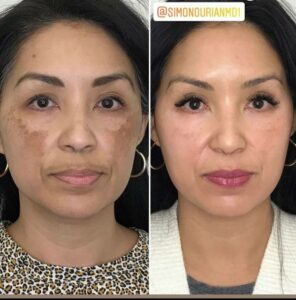
Melasma refers to a skin condition where brown or gray-brown patches develop on the skin of the face and are closely linked to the changes that occur during pregnancy. Melasma can be triggered by pregnancy hormones such as estrogen and progesterone. During pregnancy, melasma typically appears in the 2nd trimester, although it can manifest at any point during pregnancy and may persist after childbirth. The primary culprits behind melasma during pregnancy are hormonal fluctuations; elevated levels of estrogen and progesterone stimulate the production of Melanin, and the interaction between these hormones contributes to the development of melasma.
How do healthcare professionals diagnose melasma?
Healthcare professionals usually diagnose melasma by examining the skin. There are no tests needed for diagnosis.
What can pregnant individuals do to prevent melasma?
To prevent melasma, pregnant individuals can take the following measures:
- Apply broad-spectrum sunscreen every day
- Wear clothing and wide-brimmed hats
- Avoid sun exposure
- Be cautious about skincare products and cosmetics that might trigger melasma
- Seek guidance from a healthcare professional
If melasma occurs during pregnancy, what are the safe and effective treatment choices available?
During pregnancy, there are limited effective treatment options for melasma due to risks to the developing baby, so it is advisable to consult healthcare before attempting any treatment. After giving birth, non-invasive treatments and topical products may be considered under the guidance of a qualified dermatologist. In conclusion, the mysteries surrounding melasma during pregnancy serve as reminders of the transformations our bodies undergo. While safe treatment options are limited during pregnancy, seeking advice from a qualified dermatologist is always the best decision. Remember that the beauty of motherhood surpasses any concerns about pigmentation, and the radiance of pregnancy shines through regardless of melasma. Contact Dr. Ourian to learn more.
How to overcome Melasma? Transforming skin with chemical peels
Melasma, which manifests as gray-brown patches on the skin, presents a challenge. This article aims to uncover the art and science behind chemical peels, illustrating how they can significantly enhance skin tone. Throughout this transformative journey, we encourage you to discover the precision, effectiveness, and artistry of chemical peels in addressing Melasma. With the knowledge and approach, achieving more radiant skin becomes attainable.
What role do chemical peels play in treating Melasma?
Here is how they actually work:1. Exfoliation: Chemical peels involve applying a solution that contains agents like alpha acids (AHAs), beta hydroxy acids (BHAs), or trichloroacetic acid (TCA) to your skin. These agents cause controlled chemical exfoliation.2. Pigment removal: The chemical solution works by removing the layer of your skin where the pigmented cells are concentrated. This process helps shed the pigmented cells and encourages pigmented skin to grow.3. Stimulating skin renewal: chemical peels stimulate your body's natural renewal process. This prompts the development of skin cells and collagen, resulting in a smoother and even skin tone. For Melasma treatment, chemical peels can be particularly effective in addressing surface-level irregularities caused by pigmentation. The type and strength of the chemical peel can be adjusted based on the severity of Melasma, and multiple sessions may be necessary for results. A dermatologist can determine which peel is most suitable for an individual's skin type and Melasma subtype.
Are chemical peels for treating all types of Melasma?
The effectiveness of chemical peels varies depending on the depth and type of Melasma. It is important to consult with a dermatologist to assess the subtype and characteristics of your Melasma before considering chemical peel treatment.
How do different types of chemical peels differ in their effectiveness for treating Melasma?
The effectiveness of chemical peels depends on their depth;1. Superficial peels: These are less invasive and are suitable for treating surface levels. They provide milder improvement with minimal downtime.2. Medium peels: These can effectively treat some cases of both surface levels, and they offer improvement but may require longer recovery time.3. Deep peels: Deep peels are rarely used for treating Melasma due to the increased risk of complications involved. They are typically reserved for cases that require medical supervision.The choice between these types of chemical peels depends on factors such as the type and severity of your Melasma, your individual skin characteristics, and the desired level of improvement. It is crucial to have a consultation with a dermatologist to determine which type would be most suitable for you.
What are the potential dangers and side effects associated with chemical peels?
Chemical peels for Melasma may come with effects like redness, swelling, peeling, and changes in pigmentation. However, following treatment care guidelines and using sun protection can help minimize these risks. It's important to consult with a dermatologist to effectively manage any reactions.
How long does it usually take to observe improvements in Melasma after undergoing chemical peel treatments?
You can typically see improvements in Melasma within a week to a few months after getting chemical peel treatments. The duration of the results varies from person to person; consistent maintenance treatments along with sun protection are vital for longer-lasting benefits.In summary, through our exploration of these treatments' precision and effectiveness, we have uncovered a pathway to achieving more radiant skin. It is important to remember that this journey should be guided by dermatologists' expertise and followed by a treatment routine that includes proper sun protection and care. So embrace the possibilities that chemical peels offer and uncover the radiance waiting to be revealed at Epione in Beverly Hills.
Skin renewal through microneedling: What you need to know
In this article, we will journey into the world of microneedling, an effective approach to rejuvenating and tightening the skin. Discover how this invasive technique can help you achieve a youthful and revitalized complexion. Whether you are looking to combat the signs of aging, reduce scars, or enhance your beauty, this article will provide insights and methods to help you achieve a radiant and rejuvenated appearance.
What exactly is microneedling?
Microneedling is a procedure that involves using a device with needles to create small punctures on the skin's surface. This process stimulates your skin's natural collagen production, leading to skin tightening and rejuvenation.
How does it work in terms of tightening and rejuvenating the skin?
Microneedling works by creating controlled micro-injuries on your skin, which activates your body's natural healing response and promotes collagen production. The increased collagen levels improve skin tightness, elasticity, texture, and overall tone.
Are there types of microneedling devices and techniques? Are they safe?
There are devices and techniques for microneedling, such as derma-rollers and motorized pens. The effectiveness and safety of these methods can vary depending on factors like the depth of the needles, the technology used, and the experience of the practitioner. Deeper penetration tends to yield results but may also carry slightly higher risks. It is important to consult with a professional to make the most effective choice.
Are there any side effects or risks associated with microneedling?
Microneedling may have some temporary side effects like redness, swelling, and mild discomfort. These risks can be minimized by selecting a practitioner following treatment care instructions diligently and discussing any personal concerns with a healthcare professional.
What is the usual recovery process after undergoing microneedling?
Following a microneedling session, it is typical to experience a few days of redness and mild swelling during the recovery process. To ensure outcomes, treatment care might involve cleansing techniques, avoiding direct sun exposure, and using recommended skincare products. Adhering to these care instructions along with multiple treatment sessions will contribute to long term results.In summary, whether it is lines, scars, or loose skin, microneedling provides a solution. By understanding how the process works, what to expect during recovery, and considering your needs, you can begin a journey towards feeling more confident and improving your overall well-being with Dr. Ourian.
Ultrasonic skin tightening: Discover how harnessing sound waves gives a glow
In this article, we will explore the technology of skin tightening, a non-invasive procedure that utilizes the power of sound waves to revitalize your skin.
How does ultrasonic skin tightening work?
Ultrasonic skin tightening operates by directing ultrasound energy into the skin, stimulating the production of collagen. This boost in collagen enhances skin elasticity and tightens the treated area, resulting in a brighter look.
What sets ultrasonic skin tightening apart from methods of skin rejuvenation?
Key advantages of skin tightening over techniques include its non-invasive nature, limited recovery time, and its ability to target deep layers of the skin without compromising surface integrity. As a result, it promotes elasticity and an overall youthful appearance.
How does ultrasonic skin tightening stimulate collagen production?
By delivering ultrasound energy that generates controlled heat within layers of the dermis, ultrasonic treatments effectively stimulate collagen synthesis. This process leads to enhanced elasticity while maintaining safety. This intense heat stimulates the body's natural healing process, leading to an increase in the production of collagen, which ultimately improves the elasticity of the skin.
Is ultrasonic skin tightening safe?
Generally, ultrasonic skin tightening is considered safe for all types and tones of skin. However, it is crucial to take factors into account and consult with a healthcare professional to ensure both safety and effectiveness.
How long do the results typically last after undergoing skin tightening treatments?
The results achieved through skin tightening treatments typically endure for months up to a year or even longer. It is important to abide by after-care requirements to prolong results.In conclusion, ultrasonic skin tightening at Epione has unraveled the realm of non-invasive methods for revitalizing the skin. By harnessing wave power, this technology offers an efficient path toward achieving a more youthful and radiant appearance. With minimal downtime and long-lasting outcomes, ultrasonic skin tightening showcases how science and innovation work together harmoniously to enhance your luminosity. May your journey toward skin be as blissful as the soothing sound waves themselves.
To more youthful and captivating you: Know more about skin tightening under the eye skin
In this article, we will explore the world of improving the area beneath your eyes where signs of aging and fatigue are often noticeable. Join us on a journey to discover a variety of proven strategies and treatments designed to tighten and revitalize under-eye skin. Whether you are dealing with lines, dark circles, or puffiness, this article will provide insights into methods that can help you achieve a refreshed and more youthful appearance, leaving your eyes bright and captivating.
What are the main factors that contribute to the development of under-eye skin?
Under-eye skin issues can arise from primary factors such as aging, genetics, insufficient sleep, dehydration, sun exposure, as well as lifestyle choices like smoking and stress. These factors can all play a role in the formation of lines, wrinkles, dark circles, and puffiness.
What challenges are involved in treating the under-eye area?
The area beneath the eyes is quite sensitive, characterized by skin and a complex network of blood vessels. When it comes to addressing this area, there are challenges that need to be considered, such as minimizing the risk of complications and ensuring looking results. To tackle these challenges, it is important to employ treatments, precise techniques, and personalized approaches that prevent over-tightening or any adverse effects.
What are the common non-surgical options for tightening the skin under the eyes?
Common non-surgical treatments for tightening the skin under the eyes include fillers, chemical peels, and laser therapy. These methods can lead to results like reducing fine lines, enhancing skin texture, and diminishing dark circles or puffiness. The effects typically last from months up to a year or longer.
How does an individual's skin type and tone influence the choice of treatment?
An individual's skin type and tone play a role in determining which strategies should be used for tightening under-eye skin. Factors such as treatment selection and procedure intensity are influenced by one's skin characteristics. For instance, lighter skin tones may find certain laser treatments more suitable, while darker tones might require customized approaches to avoid pigmentation issues. Tailored treatments take into account variations in order to ensure safety and maximize effectiveness.
What are the usual recovery effects after undergoing non-surgical or surgical procedures?
Typically, the recovery process for non-surgical treatments is shorter and involves minimal downtime. Patients may experience swelling or redness, which usually subsides within a day. On the other hand, surgical procedures such as surgery may require a longer recovery period and can result in bruising and swelling. Post-treatment care often includes keeping the treated area clean, applying ointments, and avoiding activities. It is important to schedule follow-up appointments with your healthcare provider to monitor progress and ensure healing.In conclusion, whether you choose surgical treatments or opt for non-surgical procedures, you can embark on a transformative journey towards enhancing your self-confidence and overall well-being by understanding these strategies, recovery processes, and personal considerations. May the solutions you have discovered help you revitalize not your eyes but your perspective on life itself, leaving you with a radiant and refreshed gaze that reflects your inner vitality.
Reshaping smiles: The Importance of chin augmentation in correcting overbites
In this article, we will explore the connection between chin augmentation and the transformation of smiles. Here, you will gain an understanding of how a balanced chin can bring harmony to facial features, address overbites, and boost your confidence when you smile.
How does the position of the chin relate to correcting overbites and its impact on aesthetics?
The position of the chin is instrumental in addressing overbites as it aids in aligning the lower jaws. This alignment not only improves occlusion but also has a significant impact on facial aesthetics. By repositioning the chin, we can enhance balance, reduce the severity of overbites, and create a more appealing and harmonious appearance.
How does chin augmentation contribute to addressing overbites and enhancing smiles?
This procedure aims to achieve balance, improve dental occlusion, and create a more harmonious and confident smile.

What are the different techniques and procedures used in chin augmentation for correcting overbites?
There are approaches such as surgery, which involves repositioning both upper and lower jaws to correct overbites. Additionally, genioplasty focuses on reshaping the chin to enhance aesthetics and achieve bite alignment. However, Dr. Ourian only performs non-surgical, safer alternatives to surgical chin augmentation.
What can individuals with overbites expect from chin augmentation in terms of correction?
Chin augmentation can provide correction by aligning the jaws for better bite function. Simultaneously, it enhances smile aesthetics by creating an attractive appearance.
When is the best time to consider chin augmentation in relation to treatment for overbite correction?
Typically, it is advisable to undergo chin augmentation after completing treatment when optimal bite alignment has been achieved. This timing allows for evaluation while ensuring that chin augmentation complements the position of the bite.In conclusion, it highlights the journey towards achieving both aesthetically pleasing results. As you embark on your path towards correcting overbites and enhancing your smile, may you discover confidence and radiance? The combination of chin augmentation and orthodontic care empowers you to shape the harmony and beauty of your smile. Embrace your ability and proudly display your unique and extraordinary self through your beautiful smile.
Time to elevate your profile: The precision of chin augmentation surgery
In this article, we will explore the art and science behind chin augmentation. Let us discuss chin augmentation surgery and its ability to boost your self-confidence and improve your aesthetics.
What is the role of precision in chin augmentation surgery?
Well, precision plays a role by allowing planning and execution. Through measurements and careful placement of implants or adjustments to bone structure, the result is a balance between your chin and the rest of your face.Attention to detail is crucial in achieving a natural appearance, which ultimately enhances the aesthetic of the patient. At Epione, we provide a unique method called Jawsome for jawline contouring.
What are the techniques utilized in chin augmentation?
Different surgical techniques for chin augmentation include implant placement, bone surgery (genioplasty), and sliding genioplasty. The choice of technique is tailored to suit patient requirements, taking into consideration factors like the desired degree of augmentation and the existing structure of the chin.
Are there any anatomical factors that influence the selection of a particular surgical approach for chin augmentation?
There are anatomical factors that come into play when determining the most appropriate surgical approach for chin augmentation. These considerations include aspects such as the patient's bone structure, the size of their chin, and overall health. These factors assist surgeons in selecting the technique on an individual basis.
How does the recovery process differ between chin augmentation surgery and non-surgical methods?
After undergoing augmentation surgery, patients can expect a reduction in pain, bruising, and swelling as their body heals. However, it is worth noting that bruising and swelling may persist for up to six weeks post-surgery. Surgical chin augmentation can improve an individual's profile by adding projection and balance to their chin. Generally, the results are expected to be long-lasting and durable, resulting in an enhancement to the facial appearance.Elevate your profile with the precision of chin augmentation surgery, your journey to a more confident you begins here.
Sculpting elegance: The art of chin augmentation with fat grafting
In this article, we will take you on a journey that celebrates the fusion of science and artistry. We will explore the possibilities of chin augmentation using the technique of fat grafting. This is your gateway to understanding how refining your chin can elevate your aesthetics and boost your self-assured elegance.
How does fat grafting work in chin augmentation?
The process involves the step of harvesting fat. A small amount of fat is typically taken from another area of your body, such as the abdomen or thighs, using liposuction. The fat is collected carefully, and then it is purified to remove any impurities or excess fluids.
What are the unique advantages of chin augmentation?
Special advantages are:
- Appearance: Using your body's tissue fat grafting provides a natural look and feel.
- Longevity: The outcomes of fat grafting can be long-lasting, with some individuals experiencing permanent or long-term improvements.
- Dual benefit: This procedure not only enhances the chin but also offers body contouring through the process of harvesting fat.
- Minimal allergic reactions: As it utilizes your own tissue, there is a lower risk of allergic reactions or rejection.
- Non-surgical: Fat grafting is a minimally invasive outpatient procedure that requires minimal downtime.
The unique benefits of grafting make it an appealing choice for chin augmentation for those seeking a natural and long-lasting enhancement.

What should I anticipate during a grafting chin augmentation procedure?
During a grafting chin augmentation procedure, you can expect a liposuction treatment to extract fat from another area of your body.
How long do the effects of chin augmentation using grafting usually endure?
The effects of chin augmentation through grafting can persist anywhere from a month to several years, and in certain instances, the enhancement can be long-lasting.
What is the healing process following chin augmentation with fat grafting?
Following chin augmentation with fat grafting, the healing process typically requires recovery time. There might be some swelling and bruising that generally subside within a day to a week.
Are there non-surgical options?
Depending on one's case, dermal filler injection may provide desirable results without having to go under the knife. At Epione, Dr. Simon Ourian strategically injects Neustem fillers to enhance one's chin and naturally balance one's facial features.Whether you are considering undergoing the procedure, let us be eager to learn more about innovation or simply expand your knowledge. Consult your trusted doctor and discuss your concerns before any procedure.
Revitalizing your chin: The magic of dermal fillers for augmentation
In the world of enhancements, we invite you to explore the realm of dermal fillers as a remarkable tool for rejuvenating and reshaping the chin. This article will provide you with insights into surgical chin augmentation, an enchanting journey that not only enhances your chin but also boosts your self-confidence and overall aesthetic appeal. Get ready to restore youthfulness and rediscover the empowering magic of self-assurance. Whether you are intrigued by the possibilities or simply seeking knowledge, join us as we explore into the captivating allure of fillers in chin augmentation.
What are the various types of fillers used in chin augmentation? How do they work?
Chin augmentation employs types of fillers, including hyaluronic acid, calcium hydroxylapatite, and poly L lactic acid. These fillers work by adding volume and structure to enhance the shape and projection of your chin.
What should I expect during a procedure for dermal filler chin augmentation?
During a procedure called dermal filler chin augmentation, a healthcare provider will inject the filler into areas of your chin to improve its shape and projection. This procedure is usually quick and relatively painless, allowing you to resume your activities afterward.

Are there any side effects or risks associated with dermal filler chin augmentation?
Potential side effects of dermal filler chin augmentation may include swelling, bruising, redness, and rare complications such as infection or allergic reactions. It is crucial to select a provider to minimize these risks.
Typically, how long do the results of chin augmentation with fillers last?
The results of chin augmentation with fillers generally last between 6 and 18 months. The duration can vary depending on the type of filler used and factors.
What advantages do dermal fillers for chin augmentation offer?
Opting for fillers for chin augmentation over surgical options has several benefits. These include downtime, invasive procedures, shorter recovery periods, and the ability to achieve natural-looking results without undergoing surgery.In conclusion, our exploration of the realm of fillers for chin augmentation may give you inspiration and empowerment to enhance your chin and to boost your self-confidence. The attraction of non-surgical enhancement lies in its capacity to bring about transformation without the requirement for lengthy procedures. As you explore the possibilities, keep in mind that the beauty’s charm stems from being a reflection of your unique self. Embrace the ability to revitalize, renew, and rediscover your allure. The practice of fillers has opened up paths to celebrate your natural beauty.Contact us at Epione to learn more and book your visit.
Keep shaping your beauty: Explore the world of chin augmentation implants
In this article, we will embark you on a journey that uncovers the potential of chin augmentation through the precise artistry of implant procedures. This comprehensive resource aims to help you understand how these versatile enhancements can redefine your contours and highlight your beauty. Whether you are contemplating undergoing this procedure or simply seeking in-depth knowledge about its possibilities, join us as we explore the aspects of chin augmentation and discover the beauty that lies ahead.
So what are chin augmentation implants? How do they enhance one's chin appearance?
Typically crafted from materials like silicone, these implants are carefully inserted through means to improve the overall look of the chin. Their purpose is to add volume and structure, enhancing projection and contour for a visually pleasing facial profile.You may wonder about the materials commonly used for these implants as well as their variations in terms of shape, size, and composition. Chin augmentation implants are commonly made from materials like silicone, porous polyethylene, and expanded polytetrafluoroethylene (ePTFE). These materials have compositions, shapes, and sizes, providing options for customized chin enhancement.

What is the process of chin augmentation with implants?
This includes how the implants are placed and what the recovery entails. The procedure for chin augmentation with implants usually involves making an incision, creating a pocket above the chin bone, inserting the implant into that pocket, and then closing the incision. During recovery, there might be some swelling and discomfort, which typically subside within a week, and most patients can return to their activities within 1-2 weeks.
What advantages do chin augmentation implants offer?
Firstly, it provides results that do not require repeated treatments. Additionally, it allows for enhancements compared to alternatives like fat grafting or dermal fillers. Contact Epione to learn more.
How long can one expect the results of chin augmentation with implants to last?
Typically, the results of chin augmentation with implants are long-lasting. Often considered permanent, therefore, there is usually no need for long-term maintenance once you have undergone this procedure.In conclusion, as we explore the realm of chin augmentation through implants, may you find inspiration and knowledge that empowers you to envision your definition of beauty. These amazing improvements blend art and science to celebrate the freedom of choice and self-expression. As you explore your identity, the subtle changes in your chin may not only enhance your appearance but also empower you with confidence. Beauty is a journey, and chin augmentation using implants provides the tools to create your masterpiece. Embrace your gracefulness. Keep shaping the beauty that truly represents who you are at Epione in Beverly Hills.
Enhancing chin beauty: The art of non-surgical augmentation
This article will take you on a journey through the world of enhancements where you can redefine your aesthetics without invasive procedures. Non-surgical chin augmentation offers an opportunity to enhance your chin's appearance using methods that do not involve surgery. Whether you are considering this option, exploring its possibilities, or simply keeping up with the beauty innovations, join us as we explore how non-surgical techniques can help you achieve the desired beauty with disruption to your daily life.
What exactly is non-surgical chin augmentation?
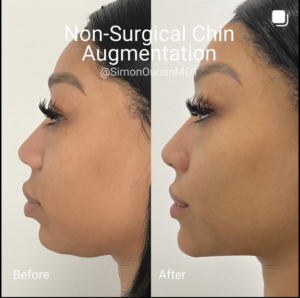
It is a procedure that enhances the look of your chin without resorting to surgery. Typically, dermal fillers, fat grafting, or other injectable substances are used to improve the projection and shape of your chin. Work with Dr. Simon Ourian to see for yourself.
How does nonsurgical chin augmentation work?
It involves injecting fillers or fat into areas of your chin to enhance its shape and projection.
How long does nonsurgical chin augmentation last?
The duration of results from non-surgical chin augmentation, which usually involves using dermal fillers or fat grafting, can vary based on different factors. 1. Dermal fillers: The effects of fillers used for chin augmentation generally last between 6 to 18 months. The duration may depend on factors like the type of filler used, the individual's metabolism, and the specific injection area.2. Fat grafting: The longevity of results from grafting can differ from person to person. In some cases, the outcomes may last longer compared to fillers. However, touch-up treatments might still be necessary to maintain the desired appearance over time.It is crucial to discuss with your healthcare provider how you can expect the results to last and any recommended follow-up treatments or touch-ups. These factors can vary depending on the techniques and materials used as well as individual considerations.
What are the after-effects of non-surgical chin augmentation?
Regarding the healing process for surgical chin augmentation, it typically involves mild swelling and bruising that usually subsides within a few days. Most individuals are able to resume their activities after the procedure with visible results that can last several months.Whether you decide to embark on this journey or simply appreciate the diversity of beauty, may your self-assurance radiate from within. Non-surgical chin augmentation is like an artist's canvas, and you are the masterpiece. Embrace your beauty, schedule an appointment with us today; click here and explore all options and continue to shine with confidence as you embrace your true self.
Understanding the risk of scarring in laser resurfacing, if and when it is deemed a possibility
Laser skin resurfacing is well known for its ability to rejuvenate the skin, reducing wrinkles and imperfections. However, it is important to consider the risk of scarring that accompanies these results. In this article, we explore laser resurfacing, shedding light on the factors that influence scarring steps to minimize this risk and distinguishing between discoloration and permanent scarring. As we navigate through this topic, our goal is to provide clarity and knowledge so individuals can make choices about their skin's health and beauty.
How does skin resurfacing work?
Skin resurfacing involves removing the layers of the skin to encourage the growth of healthier skin. Various techniques such as lasers, chemical peels, or dermabrasion, are utilized to exfoliate or eliminate damaged or aging skin. This process stimulates collagen production, leading to skin texture, reduced wrinkles, and a youthful appearance. The specific method employed may vary depending on the concerns being addressed and desired outcomes at Epione.
What is the typical healing time for laser skin resurfacing?
The recovery time for laser skin resurfacing can vary depending on the laser used and the depth of the treatment. Generally, the initial healing phase characterized by redness and swelling can last around 1 to 2 weeks. However, complete healing and the fading of any remaining pinkness or discoloration may take weeks to a month. It is crucial to follow the treatment instructions provided by your practitioner to ensure optimal healing and achieve desired results.

What are the chances of scarring from laser skin resurfacing?
The likelihood of scarring resulting from laser skin resurfacing can significantly vary based on factors such as the type of laser used, individual skin type, and the expertise of the practitioner performing the procedure. In the hands of a good practitioner and with the correct post-care, the risk of scarring is generally reduced.
Is it possible to treat or manage scarring if it occurs after laser skin resurfacing?
Scarring that develops after undergoing laser skin resurfacing can often be effectively addressed through cosmetic interventions. However, success may depend on factors like the type and severity of scarring, it is advisable to consult with a dermatologist or specialist for guidance.
Are there any preparations or aftercare routines that can help prevent scarring before and after laser skin resurfacing?
Certainly, there are steps you can take before and after laser skin resurfacing to minimize the chances of scarring. These measures usually involve avoiding sun exposure, following recommendations, and adhering to the guidance provided by your practitioner.In conclusion, having an understanding of the factors that affect scarring risk in laser resurfacing allows individuals to make informed decisions about this transformative procedure. By familiarizing themselves with measures, exploring treatment options, and being aware of what influences scarring, individuals can confidently embark on their journey toward achieving healthier and more radiant skin. This knowledge empowers them to make choices that prioritize their skin's health and beauty while minimizing the risk of scarring. Contact us today to learn more.
Coolaser Treatment: How It Works, Results, and What to Expect
In the changing world of treatments, people are constantly looking for ways to achieve youthful and radiant skin. Coolaser® in skin resurfacing is one technique that offers individuals the opportunity to rejuvenate their complexion and address various skin concerns. As the demand for skin rejuvenation procedures continues to increase, it becomes crucial to assess the value and benefits of treatments like Coolaser®. Whether you are passionate about skincare or searching for a solution to skin imperfections, come along as we evaluate the value of Coolaser® skin resurfacing and provide insights to help you make a decision about your beauty and well being.
What is skin resurfacing? and what benefits does it offer?
When we talk about undergoing skin resurfacing, we refer to a procedure where techniques like lasers, chemical peels, or dermabrasion are used to remove or treat the layers of the skin. This process aims to enhance the texture of the skin, diminish the visibility of wrinkles, address skin conditions and promote a youthful and rejuvenated appearance.

Can laser treatment effectively improve skin resurfacing?
Laser treatment has proven to be highly effective in improving skin resurfacing. It is a recognized method for enhancing skin texture, reducing wrinkles, and addressing various skin concerns. There are types of laser treatments including the well known Coolaser®treatment at Dr. Simon Ourian's office. However, their effectiveness may vary depending on the procedure as well as an individual's unique skin type and requirements. To determine the laser treatment for achieving your desired results, it is advisable to consult with a qualified dermatologist or skincare specialist.
How does Coolaser® work?
During a Coolaser® procedure, the targeted area of treatment is first cooled using a device. Then, a series of pulses are gently applied to the surface of the skin in order to stimulate cell repair and encourage collagen growth. Coolaser® can effectively address lines and wrinkles, sun damage, pigmentation issues as well and acne scarring. Moreover, before undergoing any laser skin procedure, it is essential to consult with a professional.
How Is Coolaser Different From Traditional CO2 Lasers?
Traditional CO2 lasers resurface the skin with intense heat, which delivers results but carries a higher risk of redness, extended downtime, and post-inflammatory hyperpigmentation, especially on medium and darker skin tones. The Coolaser was developed to solve this problem. Its cooling mechanism and precisely controlled pulse intervals protect the surface of the skin while the laser works on the imperfections beneath it.
The practical difference is a treatment that can be tailored to a wider range of skin types and concerns, with a gentler recovery than traditional resurfacing typically allows.
How Many Coolaser Sessions Do You Need?
The number of sessions depends on the concern being treated and its severity. Many patients see visible improvement after a single session, while deeper concerns such as acne scarring or pronounced sun damage may call for a short series of treatments spaced several weeks apart. Dr. Simon Ourian assesses each patient's skin during consultation and recommends a plan based on the results they want to achieve.
What Do Coolaser Before and After Results Look Like?
Coolaser results develop progressively. In the days after treatment, the skin begins to look brighter and feel smoother, and improvements in tone, texture, and pigmentation continue to build over the following weeks as new collagen forms. You can see real patient outcomes in the before and after gallery at Epione.
How long does Coolaser® treatment last?
The duration of the effects of Coolaser® treatment can vary from person to person. Typically, the results of Coolaser® skin resurfacing can last for months to a year. However, it is important to note that factors such as an individual's skin type, age, sun exposure, and skincare routine can influence how long the results last. To get an estimate for your specific case, it is best to consult with a cosmetic dermatologist or skin care professional who can assess your skin and provide personalized information.As you consider the advantages and evaluate the investment involved, keep in mind that consulting thoroughly with a professional is crucial in determining whether Coolaser® is the right choice; you may schedule an appointment with us–start by clicking here.
Relieving TMJ pain: Can Neurotoxin provide relief?
Let us explore the benefits of using Neurotoxin to alleviate TMJ (Temporomandibular Joint) pain. Discover how this non-surgical option can help ease discomfort and manage symptoms associated with TMJ disorders granting you a quality of life.
What is TMJ?
TMJ stands for Temporomandibular Joint, which refers to the joint that connects your jawbone to your skull, it plays a role in activities like chewing and speaking.Any issues with the TMJ can lead to pain and dysfunction.
How does Neurotoxin treatment benefit individuals with TMJ?
Neurotoxin works by relaxing the muscles in the jaw thus reducing tension and alleviating pain associated with the disorder. We provide unique non-surgical care at Epione in Beverly Hills.
What occurs during Neurotoxin treatment for TMJ?
When undergoing Neurotoxin treatment for TMJ (Temporomandibular Joint), expect to go through these steps:
- Consultation: The process commences with a consultation involving a healthcare professional, this critical step aims to evaluate your TMJ symptoms and determine if Neurotoxin is a treatment option for your condition.
- Preparation: If it is recommended, the healthcare provider will identify the jaw muscles causing discomfort and pain. This identification helps determine where injections should be administered.
How does Neurotoxin treatment work?
Neurotoxin works by relaxing the muscles resulting in a reduction of TMJ related pain and discomfort. The healthcare provider administers Neurotoxin injections into the jaw muscles causing the symptoms using a fine needle. The procedure is relatively quick, following the injection you will receive instructions regarding treatment care which may involve avoiding excessive jaw movements and utilizing ice or heat therapy or gently massaging the treated area.It may take a few days to a week before you notice the effects of the treatment, in some instances patients may have a follow up appointment with their healthcare provider to assess the results and determine if additional treatments are necessary.
Is Neurotoxin treatment the recommended option for individuals experiencing TMJ?
Neurotoxin can be a good choice for managing TMJ symptoms in some patients, but determining whether Neurotoxin treatment is the option for you depends on various circumstances and should be decided through consultation with a qualified healthcare professional.Indeed, Neurotoxin treatment presents an opportunity to alleviate TMJ pain and it is important to consult with a qualified healthcare professional to develop a treatment plan for managing TMJ symptoms as Neurotoxin treatment can vary based on an individual’s symptoms and provider's techniques. Explore this non-surgical solution that can bring you newfound comfort and improve your quality of life.
PDO Thread Lift in Beverly Hills: How It Works, Results, and What to Expect
In the pursuit of a youthful and rejuvenated look, PDO thread lifts have emerged as an incredible advancement offering the potential for transformation without the necessity of undergoing surgery. This article from Epione serves as your gateway to comprehending PDO thread lifts which defy the effects of gravity and time.
What is a non-surgical facelift with PDO threads?
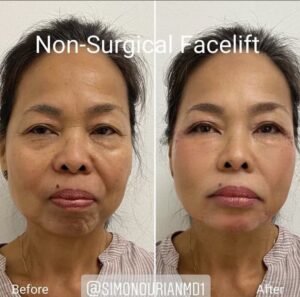
A non-surgical facelift involving PDO (Polydioxanone) threads entails the insertion of threads beneath the skin to lift and tighten it. This process stimulates collagen production and enhances the appearance of the skin all without resorting to surgery.
Is a surgical facelift with PDO threads painful?
While some discomfort may be experienced local anesthesia is administered during the procedure to minimize any pain or discomfort.

How long do the results from a non-surgical facelift with PDO threads last?
The outcome of a non-surgical facelift with PDO threads can persist for several months up to more than a year. The duration depends on factors and the specific type of PDO threads employed.
How much does a PDO thread lift cost in Beverly Hills?
Cost depends on how many threads are used and which areas are treated — a full lower-face lift uses more threads than a cheek contour, brow, or jawline touch-up. Nationally, PDO thread lifts typically range from several hundred to a few thousand dollars per session. Because Dr. Ourian tailors thread type and placement to each patient's anatomy, a consultation is the most accurate way to get a personalized quote.
Is PDO threads considered as the recommended option for non-surgical facelift?
PDO threads are indeed favored by many individuals; however, it is important to note that recommendations for non-surgical facelifts can vary based on individual needs and goals. As there are many other techniques favored by various practitioners, it is best to discuss your expected results, budget, and preferences with your chosen provider. When considering PDO thread lifts, it is important to remember that achieving transformation does not necessarily require procedures; the non-surgical options like PDO thread lifts have revolutionized the approach to beauty and rejuvenation. With precise techniques it empowers individuals to embrace a youthful and revitalized appearance on their own terms. Book your consultation with Dr. Ourian today.
Non-surgical facelift for eyes? Let us know the facts
When it comes to achieving brighter looking eyes, there are several non-surgical options that can be considered. In this article we will take you on a journey to explore whether a non-surgical face lift for the eyes exists. We will explore the facts and uncover the secrets behind achieving a captivating gaze without going under the knife.
Is there a non-surgical face lift for eyes?
Absolutely! There are indeed non-surgical options available specifically designed to address common concerns around the eyes such as sagging skin, wrinkles, and crows feet. These treatments aim to tighten and rejuvenate the skin around the eyes reducing the puffiness and enhance eye appearance.
What procedures are available?
There are procedures for achieving a non-surgical face lift for the eyes. These include fillers, Botox injections, Ultherapy treatments, as well as various laser procedures, including Dr. Simon Ourian’s Coolaser. Each of these options targets concerns related to wrinkles, sagging skin, or puffiness in areas around the eyes. The choice of procedure depends on goals and recommendations from professionals.
Which is the most recommended and safest?
Dermal fillers and Botox are recommended and safe options for a non-surgical eye lift. At Epione, Dr. Simon Ourian opts to do a combination of his top procedures such as the Coolaser, Botox, and Neustem to get optimal results.It is best to consult your trusted professional in order to arrive at an informed decision on which procedures to go with.
Achieve Your Desired Body Shape: Non-Surgical Liposuction for Effective Fat Reduction
In the pursuit of a more defined and confident appearance, non-surgical liposuction offers a transformative solution for effectively reducing unwanted fat. Let us dig deeper into the techniques and benefits of non-invasive body contouring. Contact Epione today to learn more about this treatment.
What is Non-Surgical Liposuction?
Non-surgical liposuction is a procedure that utilizes minimally invasive or non-surgical methods to eliminate excess body fat and enhance body contour without resorting to surgery.
How Does Non-Surgical Liposuction Work?
Non-Surgical Liposuction for reduction employs technologies like ultrasound, laser, radiofrequency, or cryolipolysis to precisely target and break down fat cells in specific areas of the body. Once these fat cells are disrupted the body naturally eliminates them resulting in reduced deposits and improved body shape.

Is Non-Surgical Liposuction Safe?
When performed by a qualified practitioner, the non-surgical liposuction for reduction can be considered safe. The level of safety depends on factors such as the technique used, reputation of the clinic, and various other individual considerations. Consulting with a healthcare professional is crucial to assess the safety of the procedure based on your circumstances.
Is non-surgical liposuction effective?
The effectiveness of non-surgical liposuction for fat removal varies from person to person and depends on the specific method used and the severity of one’s concerns. It can effectively reduce fat and enhance body contour although results may vary.It is fascinating to know that achieving a sculpted figure is now within your grasp thanks to advancements in non-invasive procedures. Discover non-surgical alternatives to cosmetic procedures with Dr. Ourian at Epione in Beverly Hills.
Vaser Liposuction: A Non-Surgical Method for Body Contouring
Recognized for its accuracy and effectiveness, Vaser Liposuction has emerged as a sought-after approach to achieving a shaped physique without resorting to surgery. Let us explore the capabilities of and principles behind the success of Vaser Liposuction and see why it ranks among the most potent non-surgical methods for enhancing body shape.
What is Vaser Liposuction?
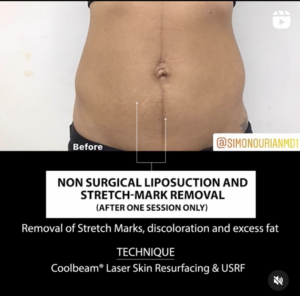
The word “vaser” stands for Vibration Amplification of Sound Energy at Resonance Liposuction. It is a minimally invasive cosmetic procedure that utilizes ultrasound technology to break down and liquefy fat cells before their removal from the body. This technique excels in precision and can target areas of the body for fat reduction and contouring. It offers an alternative to traditional surgical liposuction and assists individuals in achieving more defined and sculpted body contours.
What are the advantages of choosing Vaser Liposuction?
Opting for Vaser Liposuction brings a number of benefits including precise targeting, minimally invasive nature, effective fat reduction, minimal scarring, shorter recovery time versatility in treatment areas, natural looking results, improved skin tightness, reduced bruising potential, and customization to meet individual goals.
Does Vaser Liposuction offer long term results?
The effects of Vaser Liposuction can last for a significant amount of time. Their permanence varies depending on individual factors and the maintenance of a healthy lifestyle.
Why is Vaser Liposuction considered one of the best non-surgical liposuction methods?
Vaser Liposuction is highly regarded for its fat removal and body contouring capabilities making it a popular choice among non-surgical liposuction techniques.Understanding your choices empowers you in your pursuit of your dream body. Whether you opt for Vaser or explore other options, may your journey towards increased confidence be filled with satisfaction and accomplishment. Start your journey with Epione today by booking your consultation visit.
What Exactly is Non-surgical Liposuction? Get the Facts
Non-surgical liposuction is an innovative cosmetic procedure that offers a less invasive and disruptive alternative to traditional liposuction surgery. This groundbreaking method aims to eliminate body fat without the need for incisions, anesthesia, or long recovery periods. In this overview we will delve into the details surrounding non-surgical liposuction shedding light on the procedures involved and the potential benefits it can provide. Whether you're contemplating body contouring or simply interested in staying updated on the advancements in aesthetics this introduction will offer you insights on non-surgical liposuction.
Understanding non-surgical liposuction
Non-surgical liposuction refers to a minimally invasive cosmetic procedure that effectively removes body fat without resorting to surgery. It utilizes techniques like lasers, ultrasound, or injections to achieve reduction and contouring of the body.
How does non-surgical liposuction work?
Non-surgical liposuction functions by employing various non-invasive techniques to break down or eliminate excess body fat, often relying on the natural metabolic processes of our bodies.
Is non-surgical liposuction safe?
When performed by experienced practitioners, non-surgical liposuction methods prove generally considered safe. It is important to note that the safety and effectiveness of these procedures can vary depending on the technology being used as well as the experience of the provider. Therefore, it is crucial to select a certified provider and have a thorough discussion about the risks and benefits before considering any non-surgical liposuction treatment.
Which non-surgical liposuction method is most effective?
The effectiveness of non-surgical liposuction methods can differ based on individual goals and body characteristics. Some techniques used for non-surgical liposuction include laser lipolysis such as SmartLipo, ultrasound like UltraShape, radiofrequency like SculpSure, and injectables like Kybella. The choice of the method for you depends on your requirements and the advice provided by a qualified practitioner.At Epione, Dr. Simon Ourian often recommends a combination of ultrasound, radiofrequency, and stemcell treatment to effectively tighten the skin and dermal tissue while reducing stubborn fat.
Is non-surgical liposuction worth considering?
The worthiness of surgical liposuction varies depending on personal goals, expectations, and the specific technique employed. It can be an option for individuals seeking reduction and improvements in body contouring.Schedule your consultation appointment with us today to get started in order to determine if non-surgical liposuction aligns well with your goals.
Which creams and treatments do doctors recommend the most for under-eye dark circles?
Skincare experts provide the best advice on addressing under eye dark circles. They often suggest creams and procedures tailored to requirements. In this exploration we will delve into the world of expert-recommended solutions, including both creams and procedural treatments to effectively manage and reduce under eye circles.
According to dermatologists what is the recommended cream for treating under eye dark circles?
One of the suggested creams by dermatologists for eye dark circles contains ingredients like retinol, hyaluronic acid, and peptides. The right one tends to depend on the exact causes of your under eye circles.
What are the recommended treatments according to professionals for under eye dark circles?
Professionals often recommend fillers and laser therapy as effective treatments for under eye dark circles. However, the choice of treatment depends on the needs and the underlying cause of the circles.At Dr. Simon Ourian’s Epione office, he usually recommends the Coolaser alongside Neustem dermal fillers to his patients for dark circle removal. Modality of treatment and the number of sessions needed vary depending on the severity of his patient’s concerns as well as the causes of the issue.

What advice do dermatologists have to offer for preventing under eye circles?
Dermatologists often suggest a combination of maintaining sleep habits, staying properly hydrated, following a diet, and using sunscreen as preventive measures against under eye dark circles.To help prevent the occurrence of under eye circles it is advisable to include the following foods in your diet:
- Incorporate foods that are rich in vitamin C, such as fruits, strawberries and bell peppers.
- Include foods that are high in vitamin K like leafy greens such as spinach and kale.
- Consume iron foods like meats, beans and fortified cereals.
- Add antioxidant foods to your diet which includes berries, nuts and seeds.
- Opt for hydrating foods like cucumbers and watermelon.
- Include omega 3 acids from sources like fish (salmon) or flaxseeds.
By maintaining a balanced diet with these rich food choices, you can contribute towards healthier skin and potentially reduce the risk of developing under eye dark circles.In summary dermatologists recommend a variety of creams and treatments tailored specifically to needs and preferences when targeting under eye circles. By seeking advice from a dermatologist and considering these suggestions people can make informed decisions to effectively deal with and control the appearance of circles under their eyes.
Dark Circles During Pregnancy: Causes and Safe Treatments for Expectant Mothers
Dark circles during pregnancy are a common concern for expectant mothers. These circles can be attributed to factors such as increased blood volume and the physical demands of being pregnant. It is important to understand the causes and find effective treatments for these circles to ensure the well-being of both the mother and baby.
Are dark circles under the eyes a typical symptom of pregnancy? When do they usually occur?
Dark circles under the eyes can often be seen as a symptom of pregnancy during the first and third trimesters. Hormonal changes and fatigue play a role in their appearance.
What causes dark circles during pregnancy?
Several factors contribute to dark circles during pregnancy, including hormonal changes, increased blood volume, fatigue and fluid retention.
How do hormonal changes contribute to dark circles during pregnancy?
Hormonal changes during pregnancy can dilate blood vessels, causing blood to pool beneath the thin skin around the eyes and leading to dark circles.
Are there safe treatments for dark circles during pregnancy?

Many treatments that don't require procedures are generally considered safe during pregnancy. These can include using cooling eye masks, raising the head while sleeping, and ensuring hydration. However, it is always recommended to consult with a healthcare professional for advice before starting dark circle treatment Once pregnancy and breastfeeding are behind you, comparing options like microneedling and Coolaser can offer longer-lasting results than at-home appoaches.
When is it safe for pregnant women to do professional treatments for under eye dark circles?
Professional treatments are not recommended to pregnant women. At Epione, we only do treatments on mothers after they are done breast-feeding. Learn more about which non-surgical treatments are safe while pregnant or breastfeeding or breastfeeding are safe and which should wait. To sum up, under eye dark circles are a common issue experienced by women and addressing their causes and finding treatments can be complex. It's important for expectant mothers to understand these factors and seek guidance from healthcare experts to ensure a comfortable pregnancy journey.
Are Dark Circles Under the Eyes Permanent? Exploring the Lifespan of Under Eye Dark Circles
For a lot of people, the persistent presence of what seems to be shadows under their eyes is a huge concern. In this article we will delve into the factors that influence how long under eye dark circles last and explore whether they can truly be eliminated permanently. But are under eye dark circles permanent?
Are Under Eye Dark Circles Permanent?
No, under eye dark circles are typically not permanent. They can be caused by several factors and are often manageable or treatable through lifestyle change, skincare routines, or medical interventions.
How to Address Under Eye Dark Circles?
The treatment of under eye circles depends on their causes. Here are some general approaches:
- Creams. Look for eye creams containing ingredients like retinol, vitamin C, hyaluronic acid, or peptides to reduce discoloration and puffiness.
- Natural Remedies. Apply compresses, cucumber slices, or tea bags to soothe the area and diminish puffiness.
- Healthy Lifestyle Habits. Ensure you get sleep, maintain a healthy diet, stay hydrated, and manage any allergies you may have.
- Sun Protection. Use sunscreen and wear sunglasses to shield the under-eye area from UV damage.
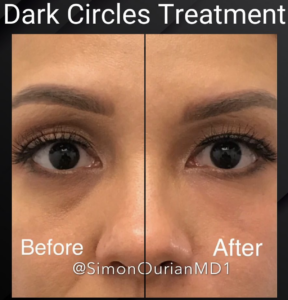
What are the recommended options for removing Under Eye Dark Circles?
Here are some procedures to consider for removing circles under the eyes:
- Hyaluronic acid fillers can help reduce the appearance of circles by filling in areas and improving the elasticity of the skin.
- Chemical peels can be helpful in improving skin texture and addressing pigmentation issues that contribute to circles.
- Laser therapy can target pigmentation concerns, stimulate collagen production, and reduce the visibility of blood vessels thereby reducing circles. A popular option for laser under eye dark circles removal is the Coolaser, an Epione-exclusive procedure.
- Micro needling is effective in enhancing skin texture and promoting collagen growth, which can ultimately minimize the appearance of circles.
- Fat transfer may be transferred from another area of your body to fill hollows under the eyes and diminish dark circles.
- For persistent cases, surgical intervention such as blepharoplasty may be considered as an option.
Please note that determining the treatment will depend on individual factors and severity of your condition. It is advisable to consult with a healthcare professional for advice before trying dark circle removal.
Rejuvenate Your Eyes with Under Eye Dark Circles Filler: Does It Really Work?
Discover the magic of under eye dark circles filler. It can bring back the sparkle to your eyes and give you a youthful look. In this article we delve into the effectiveness of this solution for revitalizing your appearance.
What is Under Eye Dark Circles Filler?
Under eye dark circles filler refers to a procedure that involves injecting specialized fillers such as hyaluronic acid into the under-eye area. The aim is to diminish the appearance of circles by adding volume and smoothing out the skin in that region.
Is Under Eye Dark Circles Filler Safe?
Under eye dark circle filler can be considered safe when administered by a qualified professional. However, like any treatment there may be risks and side effects involved. It is crucial to consult with a healthcare provider who can address your concerns and evaluate whether it's suitable for you.
Does Under Eye Dark Circles Filler Actually Work?
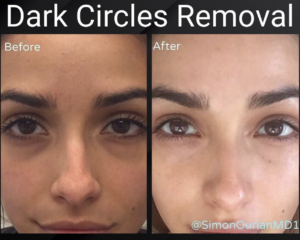
Without a doubt, under eye dark circles filler has proven effective in reducing the appearance of circles and enhancing the look of the under-eye area. Its transformative results speak for themselves.The effectiveness of under eye dark circles filler may differ from person to person. It relies on factors like the type of filler used, the expertise of the injector, and the underlying causes of the circles. It's crucial to consult with a healthcare professional to assess if this treatment is suitable for your specific needs and expectations.Regarding the cost of under eye dark circles filler, it can vary based on factors such as the type of filler utilized, the location of the provider, and how many sessions are required. Generally, prices can range from a hundred to thousand dollars. For pricing tailored to your needs, it's advisable to consult with a healthcare provider.
Does Dr. Simon Ourian Recommend Fillers To His Patients?
Yes, Dr. Simon Ourian often uses Neustem dermal fillers in addition to Coolaser to address under eye darkness.In summary, under eye dark circles filler presents a solution for those seeking to rejuvenate their appearance. It is best to consult your trusted provider to learn which option would work best for you.
Differentiating Between Acne Marks and Acne Scars: Here’s What You Should Know
Introduction
Acne is a skin concern that can leave behind reminders even after the blemishes have faded away. While some people use "marks" and "acne scars" interchangeably it's important to understand that these two skin issues are not the same. Knowing the distinctions between them is crucial for treatment and skin care. In this article we will provide you with information about acne marks and scars including how they develop, their characteristics and the best approaches to managing and preventing them.
What Sets Acne Marks Apart from Acne Scars?
Acne marks are areas with discoloration that remain after acne blemishes have healed. They are typically red or brown in color and tend to fade over time.On the other hand, acne scars result from changes in the skin’s texture due to collagen damage during the healing process. These scars often appear indented.
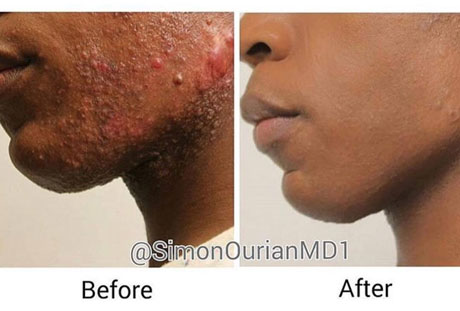
How Can You Address Acne and Its Scarring?
To address acne it is crucial to maintain a skincare routine and consider topical treatments or seek guidance from a dermatology doctor. When dealing with scars removal options such as laser therapy, chemical peels, or microneedling can be beneficial under the guidance of a professiona’s expertise.
What advice do experts give for treating acne and acne scars?
Dermatologists commonly suggest using treatments, taking medications, and undergoing in office procedures like laser therapy, chemical peels, or microneedling to address both acne and acne scars.In summary, having an understanding of the distinctions between acne marks and scars empowers individuals to make informed choices regarding their journey. By recognizing these differences and exploring treatments, individuals can strive for healthier skin while boosting their confidence. It's important to remember that you possess the knowledge and resources to present your face to the world.If you believe that professional acne and acne scars or marks treatments are for you, then schedule your consultation appointment with us: click here.
Why Do Dark Circles Appear Under the Eyes?
It's a concern shared by individuals and in this article, we will explore the various factors that contribute to the presence of these bothersome circles under your eyes. By gaining an understanding of their root causes you can effectively prevent them. So let’s uncover the mysteries behind why dark circles form under our eyes.
Why Do Dark Circles Appear Under the Eyes?
Dark circles under the eyes primarily occur due to the delicate nature of the skin in that area. Physiologically there are factors that contribute to their formation:
- Visibility of Blood Vessels. The skin beneath our eyes is remarkably thin making it more translucent. As a result, blood vessels located close to the surface become visible giving rise to a purplish appearance.
- Loss of Collagen and Fat. As we age our skin experiences a decline in collagen and fat content further thinning it out. This makes blood vessels and muscles more noticeable.
- Changes in Pigmentation. An increase in production or irregular distribution can lead to skin in this area creating a more prominent shadow effect.
- Impaired Lymphatic Drainage. Insufficient lymphatic drainage can cause buildup resulting in puffiness and darkening under the eyes.

What Causes Dark Circles Underneath Our Eyes?
The reasons behind the occurrence of circles under the eyes can be attributed to these factors:
- Genetic Factors. Inherited traits can result in thin skin under the eyes making it more susceptible to discoloration.
- Aging Effects. Collagen loss and thinning of the skin can amplify the visibility of blood vessels leading to the appearance of circles.
- Insufficient Sleep. Lack of sleep can cause dilation of blood vessels, making dark circles more prominent.
- Allergic Reactions. Inflammation and puffiness around the eyes due to allergies contribute to the formation of circles.
- Dietary Habits and Hydration. Nutrition and inadequate hydration can make the skin under the eyes appear hollowed out and shadowed.
- Exposure to Sunlight. Ultraviolet (UV) damage accelerates skin aging resulting in the darkening of the under-eye area.
Understanding these aspects and causes is crucial for removing dark circles under the eyes as it aids in selecting suitable treatment methods and preventive measures.
Regarding what strategies for treating and preventing, under eye circles
One might consider using topical creams, ensuring sufficient sleep, maintaining proper hydration levels, managing allergies effectively, and safeguarding your skin from sun damage. Consulting with Dr. Ourian at Epione will help determine an approach based on your circumstances.To sum up when we comprehend the reasons behind under eye circles it allows us to take measures in preventing and treating them effectively. We’d love to customize your under eye dark circles solutions for you. Schedule your consultation appointment with us today to get started.
Is Acne Seasonal?

Skin concerns are prominent among people of all age, sizes, and looks. Keeping up with skincare routines can certainly be a task, and it isn’t uncommon to suffer from acne and other irritating conditions.Many patients fear acne due to the appearance it can give the skin; the red spots and blotches can take a hit to someone’s self-confidence depending on its severity. At Epione, we understand how serious skin concerns can be. And when it comes to acne, we want to provide the most accurate and up-to-date information possible to help you gain control over your skin and your looks. Our friendly staff has done some research to answer a common question: Is acne seasonal? To learn more about acne treatment in Los Angeles, contact Dr. Ourian™ today.
What is Seasonal Acne?
Seasonal acne is defined as a type of acne that can improve or worsen during certain seasons in a very regular pattern. Most types of seasonal acne are so accurate that they can often be marked on a calendar; the second a certain season begins, the acne will either get better or worse.The changing months can often bring about a surprising and annoying round of acne for anyone dealing with skin problems. While seasonal acne is most likely to affect teenagers, any person can be seen with this condition. While seasonal acne can be unpredictable, and can appear for no apparent reason, there are other contributing factors which may influence the likelihood to contract seasonal acne.
What Factors Can Influence Seasonal Acne?
Seasonal acne, which can affect someone in the winter, summer, or fall seasons, can come about for a variety of reasons. While it’s genetic for some, it could be due to a variety of environmental factors for others.Some of the reasons why seasonal acne may occur:● Lack of sleep● Stress● Lack of daily hygiene routine● Buildup of dry skin● Dryness due to central heating units in the home● New products applied to the skin or hair● The wearing of too many scarves and hatsWearing certain clothing or products can cause the skin to become much more oily than usual, which is usually a catalyst for seasonal acne to occur. Seasonal acne can affect someone who is stressed, or whose skin is undergoing unfamiliar changes in certain environmental conditions.
How Can Seasonal Acne be Treated?
When you experience acne flare-ups, there are a variety of things you can do to treat this acne. Depending on how severe the acne is, and what caused it in the first place, there are steps you can take that will treat the skin and allow the acne to subside.You can opt for gentle cleansers and exfoliating products to help your skin rid itself of the oil and dirt that gets trapped in the pores. That way, not only can you treat existing acne, but you can prevent acne from building up altogether.Make sure to wash your face with warm, soapy water more often. You can do this in the shower or sink, and it only takes a few minutes. You’ll instantly feel better with a refreshing wash, and your skin will be free from the threat of blemishes or breakouts.
Acne Treatment in Los Angeles
At Epione, we are passionate about helping you treat your skin the right way. If you have serious seasonal acne breakouts, and you aren’t sure what the best method is of getting rid of it, you can contact one of our professional staff members to schedule a consultation right away. Acne can be an irritating and painful condition that leaves blemishes on the skin and a look that is less than desirable. To get your skincare treatments started as quickly as possible, feel free to contact us online or give us a call at (310) 651-6267 to speak with a representative!
The Psychological Benefits of Cosmetic Surgery

Many people walk into a cosmetic surgeon’s office hoping to walk out better looking, and happier for it. But will a fuller bust or smaller nose really make your life better? Research suggests yes. Having other people view you in a more attractive light has no impact on your happiness. But if you perceive yourself as more attractive, you will be happier. What matters most is your feelings – no matter what anybody else thinks you look like. For a more in depth look at your options for cosmetic surgery, including a face lift in Los Angeles, contact Dr. Ourian™ today to get on the road to a soaring self-image.“One recent study revealed benefits across a wide range of outcomes, including anxiety, social phobia, depression, body dysmorphia, goal attainment, life satisfaction, mental and physical health, self-efficacy, and self-esteem.” (1) Breast augmentation and reduction were most strongly associated with greater self-esteem and social confidence.
Cosmetic Surgery in the Digital Age
A positive self-image may be more important than ever in the digital age, when social media and selfies demand that you look your best around the clock, and at a moment’s notice. In fact, there has been a recent rise in young people seeking cosmetic surgery, so much so that the phenomenon has been dubbed the “Facebook Facelift.” Younger people (30 and under) are also getting more noninvasive treatments such as Botox and facial fillers. The effects of cosmetic surgery are not short-lived. Psychologists who tested patients 12 months after surgery exhibited the same signs of improved self-confidence.
Setting Realistic Expectations
Realistic expectations are crucial to getting the boost in self-confidence that you are seeking from your cosmetic surgery procedure. Patients who went into surgery expecting to come out looking perfect and have all their problems solved were, not surprisingly, disappointed with the results. Further, these patients did not experience much improved quality of life after surgery because they expected the surgery to change them into a completely new person.Patients who reported a desire for enhanced appearance and to simply feel better about themselves were much more likely to experience improved self-image and overall happiness. So, make sure you are having surgery for the right reasons, and that you know what you are getting into before you commit.
Setting a Plan
You are more likely to be satisfied with your cosmetic surgery results if you meet with your surgeon for sufficient consultations beforehand to make sure that you agree on a plan for your surgery. Your surgeon can take measurements, take photographs, and show you before and after examples of past patients so that you can cement your plans for how you want to look post-surgery.
Cosmetic Surgery and Depression
A study by the American Society of Plastic Surgeons came up with some interesting results about cosmetic surgery and depression. Among the sample group of plastic surgery patients, antidepressant use decreased by 31% after a six month follow up appointment. This shows how important body image can be to our psychological well-being, and how big of an impact plastic surgery can have on repairing a negative body image.
A Domino Effect
A boost in self- esteem can have far reaching effects in your life. You may experience increased success in romantic relationships, employment status, and assertiveness in every aspect of life due to your newfound confidence. You can stand taller and dress more fashionably – who knows where that will lead you?
A Word on Reconstructive Surgery
Cosmetic surgery can be divided into two categories – aesthetic and reconstructive. So far, we have been discussing aesthetic surgeries – that is, voluntary surgeries undergone to enhance appearance. People also undergo reconstructive plastic surgery – that is, craniofacial surgery, hand surgery, microsurgery, and the treatment of burns. These surgeries aim to repair a part of the body or improve its functioning, and unlike aesthetic surgeries, are not solely cosmetic. It should be obvious that these reconstructive surgeries have a profound positive impact on patient’s lives. However, when discussing the psychological effects of plastic surgery on self-esteem, etc., most of the research refers to aesthetic or cosmetic procedures.
Cosmetic Surgery and Facelift in Los Angeles
Dr. Simon Ourian™ at Epione Beverly Hills performs only the cosmetic surgeries in which he has specific expertise so that he can obtain optimal results for his patients. This includes eyelid surgery, fat transfer, acne treatment, Botox, and face lift in Los Angeles. We offer VIP treatment and competitive pricing. Contact us today at (310)651.6267.(1) Psychology Today Blog
What are the Worst Foods for Acne?

You remember the rumors going around the halls of your high school:“Eating pizza will give you a pizza face!”“Chocolate will only give you pimples…”“French Fries are the worst for your skin!”Well, it turns out there is a nugget of truth in these myths. You may be taken aback by the foods that made our list of the worst choices for acne. They include dairy, nuts, and – surprise! – sushi. We also included a bonus list of some little-known acne healing foods at the end of the article.For more information on acne scar removal in Los Angeles and which cosmetic procedures can benefit you, Contact Epione in Beverly Hills today.
Worst Foods for Acne
Chocolate
Until just recently, the idea that chocolate causes acne was considered a simple myth among scientists. However, in 2013 a small study from the Netherlands was published connecting chocolate to skin changes resulting in acne. As it turns out, eating chocolate causes inflammation. Plus, chocolate lowers the body’s defenses against microorganisms, so bacteria can infect pimples and worsen them.
Pizza
Here is another rumor that has been proven true. Eating simple carbohydrates causes acne. These are high-glycemic foods that cause spikes in your blood sugar, because the sugars are quickly digested and then dumped into your bloodstream all at once. The resulting high blood sugar causes hormonal changes and inflammation that leads to acne.
French Fries
Yes, this one is true as well. When you eat greasy, high fat foods like French fries, the foods travel down the digestive system to be broken down and used for energy. But high-in-saturated-fat fries can lead to hormonal reactions which cause acne.
Sushi
We’ve already established that high glycemic foods can contribute to acne breakouts. This is because they encourage an inflammatory response, in turn triggering the release of acne-promoting hormones. Well, did you know that there is a glycemic index that rates foods according to their effect on your blood sugar? There is, and a rating of 20 and above is considered a high-glycemic food. On this scale, sushi rice receives a 17 (which is pretty high.) So, if you are eating sushi regularly, as many of us do, you might want to consider cutting back.
Nuts
Nuts are high in protein and fat, which makes them difficult to digest. If these fats and proteins don’t properly digest, the immune system may create antibodies that inflame sebaceous glands and cause pimples.
Dairy
There is no definite link between dairy and acne, but there are theories about it. One theory is that milk contains components related to the hormone testosterone, which may stimulate oil glands in the skin, setting the stage for acne. Something to consider is that distinct kinds of dairy may affect your skin in different ways. If you find that cow’s milk causes breakouts, try yogurt or kefir. Or, you can switch to an alternative milk like goat’s milk or any number of nut milks widely available today. If cheese is a problem, try a vegan variety!
Spicy Foods
In regions where the people consume a lot of spicy foods, like South Asia and Latin America, it is a common conception that eating spicy causes acne. But is it true? Well, yes. Spicy foods often contain tomatoes and peppers, which contain acidic lycopene that can be an irritant to some people, throwing off their skin's pH levels and triggering breakouts.
What Helps Acne
A healthy, well-rounded diet and steady exercise routine will do wonders for your skin. But there are some little-known foods that are especially great if you want a pimple-free, healthy glow.
Fatty Fish
Salmon, Sardines, and Tuna all feed your body Omega-3s. They allow your skin to build new, healthy cells, making it look better. Don’t like fish? Take a fish oil pill daily. A 2012 study showed that taking fish oil helped improve the complexions of people with moderate to severe acne by controlling inflammation.
Probiotic Rich Foods
The most commonly known sources of probiotics are yogurt or kefir, but there are many non-dairy alternatives. Have you ever considered sauerkraut, miso, kimchi, or tempeh? These are all great sources of the beneficial bacteria. Research in the Journal of the American Academy of Dermatology shows that consuming probiotics may stymie the release of inflammatory proteins and decrease sebum production, preventing plugged pores.
Spirulina
What’s that you say? Spirulina is blue-green algae that is super nutritious and high in Gamma-linolenic acid (GLA). GLA is an essential fatty acid with anti-inflammatory properties. That’s great news if you want to get rid of acne. You can find Spirulina at your local health food market. Add it to your morning smoothie, sprinkle it on your cereal, or mix it into a salad.
Acne Scar Removal in Beverly Hills
Dr. Simon Ourian™ at Epione Beverly Hills offers Acne Scar Removal, Microdermabrasion, and Laser Treatments for Acne Scars. To create the flawless skin you have always envisioned, come see Dr. Ourian™ today. Call 310.651.6267 to request a consultation.
How to Identify Cancerous Moles
When you see a new mole appear on your skin, it can be easy to immediately assume the worst. However, before you start stressing that your new mole is cancerous, it is wise to learn how to identify cancerous moles from the non-cancerous ones. Remember, only your doctor can make a firm diagnosis, so make sure to consult Dr. Ourian™ if you are having any concerns. Finding a cancerous mole early means that skin cancer is often curable.
Learn the ABCs
When a new spot crops up on your skin or one starts to change appearances, The American Academy of Dermatology suggests to look for these signs of melanoma:• Asymmetry: If parts of the spot are very different than other parts, that can be a sign of cancer. For example, if one side is darker and raised and the other side is flat, it may be cancerous.• Border irregularity: When looking at the mole, see if the border is clearly defined and uniform. A sign that it could be cancerous is when the mole has a border that is not very defined, notched or scalloped.• Color changes: If the spot is multiple colors, then it could be a sign of cancer.• Diameter: Look at how big the width of the spot. If it’s larger than a pencil eraser, get it checked out by a doctor.• Evolving: Cancerous moles usually change over time, whether that be color, size, border, etc. For some cancerous moles, this may be the only sign that it is not benign.
Identifying a Non-Cancerous Mole
If finding a cancerous mole does not lead to any of the above symptoms, it may just a regular mole. Moles come in many shapes and sizes, and a majority of the time they are not cancerous. A non-cancerous mole will have the following characteristics:• Small, about the width of a pencil eraser• Round or oval, with a distinct edge• Even color, usually brown, tan or pink• A common mole usually begins as a flat, smooth spot that may become raised over timeAs a person ages, moles can change. They may become flatter, a different color or even disappear completely. It’s a good practice to take a picture of a mole every year so you can notice the changes. Most people have at least ten moles, and some may have up to 40.
Preventing Cancerous Moles
Ultraviolet rays, or UV rays, from the sun play a factor in how many moles a person can have. The more sun exposure a person gets, the more moles they will likely have. And the more moles you have, the more likely you have a cancerous mole. To help prevent the formation of melanoma, stay out of the sun as much as possible. When in direct sunlight, wear protective clothing, a hat and sunscreen. Tanning beds can also produce the same harmful UV rays as the sun, so stay away from those as well.
Why do we Have Moles?
Moles usually develop on a person within the first 20 years of their life; some may also appear later in life. Your skin naturally has clusters of melanocytes, skin cells, that attach to surrounding skin tissue cells. The melanocytes give your skin pigment and are spread evenly throughout the body. A mole forms when there are additional layers of melanocytes in an area. Moles are most likely a product of genetic configuration, and are determined before birth.When you see a new mole pop up on your skin or see an existing mole change shape or colors, it’s easy to think the worst. However, use the guide above to finding a cancerous mole and go see your doctor in order to determine if it is cancerous.Epione is located in the heart of Beverly Hills, CA and is a state of the art, comprehensive laser and aesthetic surgery center. The team at Epione works together to restore or create your desired appearance, and the staff is dedicated to providing their patients the highest level of care and attention. We use the latest in technology for hair, skin and body contouring, strive to occupy a special and unique place in the hearts and minds of ourpatients.
What Causes Acne Scarring?
Scars from acne often seem like a double punishment. First, there’s the issue of actually dealing with the nasty pimples. Then there’s the fact that you now have marks there to remind you of the issue. Despite that fact, it is not uncommon for numerous individuals to battle acne well into their adult years. Even those who are lucky enough to experience a dramatic decline in acne related symptoms over time are still often times left with an irregular skin appearance due to the onset of acne-related scarring.Acne scars are most often the product of an inflamed lesion or blemish which occurs when the follicle, or pore, becomes engorged with excess oil, dead skin cells, and bacteria. The pore goes on to swell, causing a break in the follicle wall. If the rupture occurs near the skin's surface, the lesion typically minor and will heal rather quickly. More serious lesions will arise, however, when there is a deeper break in the follicle wall and when infected material spills out into the dermis to destroy otherwise healthy skin tissue.In order to repair the damage done to the dermis, the skin goes on to form new collagen fibers that provide the skin with extra strength and flexibility. Unfortunately, the finished "repair job" hardly ever looks as smooth or flawless as before the injury.
Types of Acne Scars
There are many different types of acne, some of which are more prone to scarring than others. Blackheads, whiteheads, and other non-inflamed blemishes typically don't cause scarring because these types of lesions do not injure skin tissue. Inflammatory acne, however, such as acne cysts or nodules, are way more likely to create long-term scarring as these types of acne affect deeper layers of the skin.There’s another type of acne scarring called hypertrophic, or keloid scarring, that happens if the body produces too much collagen, resulting in the creation of a raised mass of tissue on the skin's surface. Acne also is known to lead to atrophic, or depressed, scars as well, which develop when there is a loss of tissue. Ice pick and boxcar scars are two examples of atrophic scars.Various factors can make an individual more prone to developing acne scars, such as:• Genetics: If your family has a history of acne scarring, you are more likely to also experience the issue.• Non-Treatment: Individuals who do not treat their acne sooner rather than later are more likely to scar.• Picking and Touching: Picking at acne causes trauma to the skin that is more likely to result in scarring and prolong the healing process. Case in point: DO NOT pick, prod, or even touch the skin!
Avoiding Acne Scars
To go about avoiding acne scars, there are many steps that can be taken. First and foremost, treat acne as soon as it develops because the best thing you can do is to get all acne under control quickly and effectively before it spreads further or gets worse.Next, always pass up the temptation to pick or squeeze any pimples as doing so can force debris deeper into the dermis, spreading an infection to other tissue and worsening inflammation. Picking at scabs should also be avoided because scabs are a skin's natural "bandage" to protect any wound as it heals. Hence, picking a scab off a wound before it is ready prolongs the healing process and increases chances of scarring.Even with the most careful treatment, however, acne scars can and will develop. Luckily, there are many various procedures that can help with avoiding acne scars and help avoid dire effects on one’s self-esteem, confidence, and overall quality of life due to the appearance of acne scarring.Target and immediately treat active acne lesions with some of these effective treatment plans that can improve skin texture and reduce acne scarring:• Chemical Peels: An acid-based solution is applied topically to either the entire face or just in areas of pitted scarring to remove the outer layer of skin and stimulate collagen repair. Multiple sessions are necessary to optimize results.• Laser Resurfacing: A fractional laser delivers pixelated columns of laser heat in a controlled and predictable manner to either heat the skin or to remove the skin to elicit scar remodeling. It is best to ask an expert about which laser would best fit your needs and lifestyle, as the number of recommended treatments and the amount of downtime involved often varies.• fillers: Injectable hyaluronic acid like Belotero, Juvederm or Restylane is injected into depressions in the skin from acne scarring to help smoothen out the skin texture. Since fillers are temporary, they will need to be done via multiple sessions to maximize scar repair.A consult with a board-certified cosmetic physician can determine how to customize numerous options for both you and your skin. To learn about more ways of avoiding acne scars or to schedule a consultation to discuss further options-- including various scar removal treatment plans-- contact Epione, one of the most comprehensive, state of the art laser and aesthetic surgery centers of its kind in the world specializing in the most current technology available for skin, hair, and body contouring. Our staff is dedicated to providing all clients with the highest level of personal attention and care. Schedule a consultation today!
What Causes Cellulite?
If you’re battling the bulgy, dimpled lumps on your thighs, arms or stomach, you’re not alone. In fact, anyone can develop cellulite, the pesky condition in which the skin appears to have areas of underlying fatty deposits. Contrary to popular belief, cellulite is not associated to weight gain although it can make it more noticeable. Even very thin people can develop cellulite. But just what causes cellulite?
Common Causes of Cellulite
The causes of cellulite are not clearly defined, but there are several risk factors that have been put forth as explanation for what causes cellulite. Among these are:▪ Hormonal Factors- Hormones play an important role in cellulite development. Estrogen, insulin, noradrenaline, thyroid hormones and prolactin are part of the cellulite production process. When your bodies start producing less estrogen, it leads to poorer circulation, a decrease in new collagen production and the breakdown of older connective tissue.▪ Genetics- Certain genes are required for cellulite development. Genes may predispose an individual to particular characteristics associated with cellulite, such as gender, race and slow metabolism.▪ Diet- Poor nutrition can increase the likelihood of cellulite production. People who eat too much fat, carbohydrates, salt, or refined and processed foods are likely to have greater amounts of cellulite.▪ Dehydration- Not getting enough water can cause toxic buildup in the fat cells that’s difficult for the body to metabolize. Dehydration also causes thinner, weaker skin – and when skin is weakened, it has a much greater tendency to show cellulite. So, increasing your intake of water can aid your body in metabolizing fat, ridding itself of toxins and hiding cellulite via thicker, healthier skin.▪ Lifestyle- Cellulite may be more prevalent in smokers, those who do not exercise, and those who sit or stand in idle positions for long periods of time. If you’re chained to a desk all day, spend a portion of your day standing up at your desk or simply take small breaks to walk around the office.▪ Smoking Cigarettes- Cigarette smoke can reduce blood vessel flow and circulation, which weakens and disrupts the formation of collagen. This causes the connective tissue to stretch, weaken and become damaged more easily. As a result, more cellulite will show through.▪ Clothing- Clothing with tight elastic restricting blood flow may contribute to the formation of cellulite. Compression-style apparel may temporarily “suck it all in” but it won’t make a lasting change to the appearance of cellulite. In fact, tight fitting clothing can reverse the effect if they cut off circulation and limit blood circulation.▪ Lack of Muscle- Building up muscle will help decrease the appearance of cellulite. For the back of your legs, try hamstring curls or single leg deadlift. The purpose of increasing lean muscle mass is to decrease the appearance of cellulite.
Cellulite Prevention
A healthy lifestyle can go a long way to reduce cellulite production. Eating healthy, low fat foods such as fruits, vegetables and fiber can help. Similarly exercising regularly, maintaining a healthy weight and reducing stress are recommended to prevent cellulite.
Schedule a Consultation
Are you unhappy with how a certain part of your body looks? Are you struggling with body issues or weight issues, and feel as though no matter what you do, you cannot feel better?Epione, located in the heart of Beverly Hills, is one of the most comprehensive cellulite treatment centers of its kind in the world. The practice specializes in the most current technology available for skin, hair, and body contouring, and its staff is dedicated to providing our clients with the highest level of personal attention and care. For more information, feel free to schedule a consultation.
The Cast of 'Jersey Shore' Learns Safe Tanning Tips and Secrets from Epione Beverly Hills
LOS ANGELES, Calif. — What’s the cast of MTV’s “Jersey Shore” doing when they’re not partying, fist-pumping, or fighting? Getting a tan, of course.This month, during the KIIS FM pool party at the Hollywood Tower, Dr. Ourian™, Medical Director of Epione Beverly Hills, met up with Angelina, DJ Pauly D, JWOWW, Ronnie, Sammi, Snooki, Vinny and The Situation. Dr. Ourian’s staff provide spray tans for Jenni (J-WOWW), Vinny and Mike (The Situation). Later, the rest of the cast discussed proprietary spray tan formulation with Dr. Ourian™ and got spray tan tips from the Beverly Hills’ tan master.“For many teens and young adults, having a great tan is essential to feeling beautiful and confident and looking great in their clothes,” said Dr. Ourian™, who recently shared his tanning tips on “The Doctors.” “However, it’s important that your tan not only looks great, but that you achieve the desired look safely. That’s one of the things I talked to the cast of ‘Jersey Shore’ about when I met with them at the Hollywood Tower. I really enjoyed meeting them, and sharing tips and information with them. They’re a great group.”
Dr. Simon Ourian™ Shares Tanning Do’s and Don’ts with JWOWW, Vinny, Snooki, The Situation and the Rest of the Cast of MTV’s Hit Reality Television Show
Tanning, while popular among men and women of all ages, can pose significant dangers when safety isn’t taken into consideration. Tanning salons have come under fire for years due to the harmful levels of ultraviolet radiation emitted from many tanning lamps. Most recently, a new study released revealed that indoor tanning raises the risk of malignant melanoma by 75 percent.Tanning outdoors also contributes to the more than one million cases of skin cancer diagnosed in the United States each year. Additionally, long-term exposure to the sun can often cause premature aging of the skin, resulting in wrinkles, sagging, age spots and other issues.While the statistics surrounding tanning salons and tanning outdoors can be daunting, there are safe alternatives available. After 10 years of laboratory and extensive clinical research, Dr. Ourian™ has developed Epione Safe Tan Rx, a complete spray tanning system designed to naturally enrich the skin, while safely achieving a sun-kissed glow. The system uses a chemical-free solution and a one-step airbush process to produce an enviable, bronzed skin tone.Epione Safe Tan Rx is odorless, long-lasting, non-streaking and dries instantly. The formula is completely natural, made from the purest of botanicals and safe for all skin types.“The irony of tanning in the sun or in a tanning bed is that you’re actually damaging your skin in an effort to enhance it,” said Dr. Ourian™. “Whenever we work with clients to enhance their beauty, we’re always keenly focused on their health, safety and long-term results.”For more information about Epione Safe Tan Rx, visit www.safetanrx.com and www.epioneskincare.com.
Finding the Best Los Angeles Ingrown Hair Treatment
Plucking or shaving unwanted hair from the face is a daily routine for many Los Angeles women and men. Whether on the chin, upper lip or eyebrow region, shaved and plucked hair will grow back. Endless amounts of money may be spent on expensive home hair removal treatments that prove to be ineffective. Often when hair does grow back, it becomes ingrown, causing a red and tender bump on the affected area. Having an ingrown hair is not only painful, but embarrassing as well. Ingrown facial hair may become infected in some instances, leading to an even larger sore area that may result in an unsightly scar. Because hair grows so quickly after being removed with tweezers, a razor, or any other home method, the risk of a hair follicle becoming infected from an ingrown hair increases.Laser hair removal has become a promising Los Angeles ingrown hair treatment. In a city where many people seek fame, health and beauty, having unwanted hair may cause hassles, especially for those regularly attending auditions or scheduling photo shoots. Whether seeking stardom or not, ingrown facial hair is inconvenient and painful for anyone. Those who discover the benefits of Los Angeles ingrown hair treatment will find it a wonderful investment. Los Angeles ingrown hair treatment can eliminate the need to waste large amounts of money on ineffective home hair removal products. Due to the popularity of this Los Angeles ingrown hair treatment, prices are very affordable and often yield satisfactory results. Los Angeles is home to many different locations offering Los Angeles ingrown hair treatment. Fast and relatively painless, the procedure is simple and places patients back in their usual activities quickly.After facial hair is removed, women will feel more self confident and enjoy smooth skin. Wasting time with tweezers or lotions can become a thing of the past. Men will not only enjoy a continually smooth face, but the convenience of not having to shave or worry about razor bumps and irritation. Overall, Los Angeles ingrown hair treatments can be a practical and affordable solution for those suffering from the pain and embarrassment of ingrown facial hair.
Beverly Hills Laser Hair Removal
Laser Hair Removal is something everybody must’ve heard of. Laser hair removal is probably one of the most common among the laser treatments. Los Angeles is the Mecca of all kind of cosmetic surgeries and laser treatments. Beverly Hills Laser Hair Removal is the best way to get your unwanted hair off your body. Excessive body hair, both in men and women, may be due to several causes. These causes can be hormonal imbalance or due to affects of some medications. What adds to the discomfort is to shave and wax these hairs every other day. Beverly Hills Laser Hair Removal is a longer lasting, though not permanent, relief from unwanted hair and their everyday removal.Before going deep into the Beverley Hills laser hair removal procedure, let’s have an overview of how the hair grows. The hairs grow and regrow from tiny cavities in our skin which are called hair follicles. Naturally, these follicles shrink with time and hair growth either stops or slows down but by that age you’d be more concerned about wrinkles rather than hairs. So, Beverly Hills Laser Hair Removal ensures that you don’t spend most of your age shaving or waxing.So now we have an idea about hair follicles and may be already enlisted it in our list of hateful things but these follicles are also responsible of hair growth on your scalp, so the Beverly Hills Laser Hair Removal is not about passing a high power laser beam from your head to toe. The Beverly Hills Laser Hair Removal treatment focuses on part of the body from where the subject wants the hairs to be removed. The hairs from the area to be treated are normally shaven prior to the procedure and an anesthetic cream is applied to the area. A pulsating laser beam is focused on the area. This laser is absorbed by the hair follicles and the heat destroys the pigment in these follicles resulting in disability of these follicles.The treatment might require multiple sittings depending on the patient, but the effect is often quite significant after each sitting. The results; however, also vary from person to person as the results of Beverly Hills laser hair removal treatment are better for those with fair skin and dark hair. That does not mean it won’t work on dark skinned or light haired people. It is important that you consult a good physician and practitioner about the possibilities and limitations prior to the Beverly Hills laser hair removal. There are some precautions to be followed prior to the treatment, like avoiding tanning, sun exposure, waxing or electrolysis.Beverly Hills Laser Hair Removal side effects are typically minimal. Patient can experience mild pain or redness on the treated area. Some very uncommon risks are incomplete removal of hair and discoloration of the affected area. If you are looking for a physician and consultant in Beverly Hills Laser Hair Removal treatments, Epione has got them all for you. Make sure you consult them in order to have a further in depth knowledge about this.
New Revolutionary Non-Surgical Procedure Using Radiesse Injections to Rejuvenate Hands
February 24, 2010 — Epione Medical Corporation, under the guidance of Medical Director Simon Ourian™, M.D., has been using a novel approach to make hands look younger and softer. The treatment method involves Radiesse injections, the filler used to treat facial wrinkles and folds.“With Radiesse injections I can offer my patients a non-surgical option that is considered safe with a recovery that is typically quick with little downtime, if any” says Dr. Ourian™. “We offer this treatment on an out-patient basis at my Beverly Hills clinic. I meet with each patient and customize a treatment plan for them, injecting only the amount of Radiesse required. I can do a touch-up treatment later if necessary to achieve the maximum aesthetic result.”Radiesse (formerly known as Radiance), which has two FDA approvals, is made from calcium based microspheres suspended in a water based gel. Radiesse injections are placed in strategic areas in the hands to plump up the skin. It can fill in the spots that no longer have their natural fat deposits, and shape and contour the skin. The treatment takes only 15 minutes, and patients can be out and about almost immediately. Results are visible right after treatment. Unlike other fillers, Radiesse stays soft and takes on the characteristics of the surrounding tissue. Eventually, the calcium spheres slowly break down, leaving newly generated collagen behind. The manufacturers of Radiesse call this process “collagensis.” Because of its ability to help the body produce its own natural filler, a few treatments may be all you need.Finding Radiesse hand rejuvenation before and after photos is simple: visit the Hand Rejuvenation subpage in our gallery. The before and after results, especially those that deal with fillers, are very striking; bony hands become fuller, and wrinkles are smoothed out.The cost of Radiesse injections treatments for hands may vary depending on the extent of the treatment required to restore a youthful look. Radiesse side effects for this treatment are generally considered fairly minor, including swelling, itching and some soreness. Fortunately, the side effects typically last for a day or two. Epione, has many different payment plans to help make patient experience a pleasant and financially viable one.Dr. Ourian™ has considerable experience with Radiesse. “Am I the top Radiesse injector”, Dr. Ourian™ asks with a smile, “it’s not for me to say. But I do know from the manufacturers of Radiesse that I’m one of the busiest injectors in the country. I like to think that I have more experience with Radiesse that most doctors, even plastic surgeons, and that my results speak for themselves.”
New Technology that Determines Your Skin’s True Age Featured on ABC News
On March 1, 2010 Dr. Simon Ourian™ was featured on KABC7 Los Angeles’ 11:00 News demonstrating a system that can reveal the skin’s true age. With help from this device Dr. Ourian™ is able to obtain the deepest possible understanding of a patient’s skin. Beverly Hills, CA, March 3, 2010 — Dr. Simon Ourian™, Medical Director of Epione Medical Corporation, revealed his method for determining the physical age of a client’s skin. By using a special machine, he can examine data from a number of different readouts to tell the client exactly how much skin damage they have suffered. According to Dr. Ourian™ the Complexion Analysis System shows “more detailed specifications of aging”. The system can detect early stages of discoloration, UV ray damage, fine lines, and even enlarging pores. By using this data in combination with his extensive training and experience, Dr. Ourian™ can give patients valuable information on the health of their skin. “I look at the textural changes which shows me if a person is getting hollowness in their face…so I use all this information…that helps me with determining with how I’m going to address a person’s aging,” he said. Indeed, many clients discover that the physical age of their skin is often much older than their chronological age. For some, the difference can be as much as ten years. Some are sun worshipers from years past; some have medical conditions that cause damage, while others have merely neglected to take care of their skin as they should. Clients come in all ages, shapes, sizes and colors. Dr. Ourian™ points out that avoiding skin damage is fairly simple at its core. Wearing sun block daily, no matter what the melanin count or weather is, is mandatory. Staying out of the sun is very important, since sun block can only provide a limited amount of protection. Lastly, large hats and long sleeves help shield the skin from UV rays. Once the damage has been identified, the next phase is treatment. Dr. Ourian™ has options for his patients, such as filler injections with Radiesse or JUVÉDERM Injectable Gel to get rid of hollows under the eyes and Coolaser laser resurfacing treatments to get rid of fine lines and wrinkles. Laser resurfacing before and after photos and laser resurfacing side effects information can be found on www.epione.com.The cosmetic procedures recommended by Dr. Ourian™ are very popular due to their swift results. "If you have a lot of sun damage and discolorations on your skin the best treatment that we have found is a Coolaser or a fractional laser that removes the top layer of the skin and gives you brand new baby skin," he said. Both procedures target the damaged areas only, which allows skin to heal much faster than previous laser treatments. The procedures also take very little time; many of them can be done during a lunch hour, with little to no visible scarring or side effects.Epione offers a private consultation including an evaluation with the Complexion Analysis System. Radiesse before and after photos and Juvéderm before and after photos can be seen on www.epione.com. Information on Radiesse side effects and Juvéderm side effects can also be found there. Epione Medical Corporation, located in Beverly Hills Golden Triangle, is among the most comprehensive and state-of-the-art laser and aesthetic surgery centers. Dr. Ourian™ has been a pioneer for laser technology and non-invasive aesthetic procedures including Restylane, Botox, JUVÉDERM Injectable Gel, Radiesse and Sculptra. These treatments are used for correction or reversal of a variety of conditions such as acne, acne scars, acne scar removal, skin discoloration, lip enhancement, wrinkles, stretch marks, varicose veins, cellulite, and tens of others. Laser hair removal and laser tattoo removal are offered too. Epione also carries Doctor Ourian’s Signature Series skin care products. For further information please contact 310-271-6506.
Los Angeles Acne Scar Removal
In the Los Angeles area, acne scar removal surgery is becoming more frequent. There have been some good strides made in perfecting this kind of surgery. In addition, this type of surgery can dramatically improve the appearance of the patient. The sheer emotional improvement of patients who get this surgery done is amazing. The good news of what this surgery can do for looks is being shared.By definition, an acne scar is what happens to your skin in reaction to an acne lesion. If your acne is very bad, your body may not be able to heal itself quickly enough to prevent a scar from forming. The scars can be red or purple in color. The scars are often rated also, depending upon the depth of the scar, and the shape. You can even get a keloid like scar. So, by definition, acne scar removal in Los Angeles, or any city, would be the process of trying to restore the natural look of the skin, prior to the acne breakout.Los Angeles acne scar removal experts tend to agree that there is a bit of a mystery behind why some acne forms scars, and some does not. It is also mystifying as to why certain people tend to develop the problem over others. The problem is genetic in nature, but the triggers are not fully understood.What Los Angeles acne scar removal experts do agree upon is that the large, deep, cystic style acne lesions are the ones that cause the worst damage. So, much of the treatment for this type of acne falls into the general category of “reactive treatments.”The process of fixing acne scars is tricky. However, Los Angeles acne scar removal patients are lucky, because some of the best cosmetic surgeons in the country reside there. Prior to surgery, your Provider will want to work with you to eliminate as much acne as possible. In order to prevent any potential scarring, you should not attempt to eliminate the acne yourself. You could end up only adding to the problem.Los Angeles acne scar removal patients will then be ready for a non-surgical procedure. There are techniques used for the procedure. Both involve the use of a laser. So, the difference centers on what each laser can do. most popular Los Angeles acne scar removal technique makes use of a device called the Coolaser. This particular laser is advantageous for this type of treatment, because the physician can employ to accurately target just the effected areas. This technique can be highly effective in smoothing out acne scars, and is also good at removing discoloration.On the back side of the surgery, you will experience approximately 2–3 days of swelling, and sunburn like red skin. You might also have some peeling. Some patients may require a second treatment 2–4 months.
Ingrown Hair Removal: Treatments That Actually Work (and How to Prevent Them)
What is an ingrown hair?
Put simply, an ingrown hair is a condition whereby the new hair grows back into the skin. Instead of breaking the skin surface, at the follicle, the hair "turns back in on itself." The result is red, sore, and often infected skin. The red bumps are unsightly, and can be painful.
Where do ingrown hairs occur most?
You are more prone to develop ingrown hair on your face, under your arms, or at the bikini line. Typically, these surface areas are hotter, making it easy for bacteria to get a start. In addition, these body areas tend to get covered with clothing, and friction from the clothing can only irritate the skin more. If the condition is bad enough, some form of ingrown hair removal may become necessary.
How to prevent ingrown hairs
Many personal habits can also make the problem of ingrown hair occur more frequently. In men, the biggest culprit is "dry shaving," or not preparing the skin for shaving. Clean your face well, prior to shaving, then use a shaving cream. This softens the hair, removes dead skin, and helps hair grow upward and outward.
For ladies, the biggest culprit is shaving legs too quickly in the shower. A little hot, steamy water will help to soften the hair and skin, making it easier to shave. Again, shaving cream helps. The need for ingrown hair removal is greatly decreased with good shaving habits.
Perhaps the last thing to mention here is the need to use fresh blades. More often than not, a dull blade will make ingrown hair problems more frequent. Older blades are also very full of bacteria, from normal use.
How to remove ingrown hairs at home
There are some simple things you can do for ingrown hair removal that can be done at home. The first technique to try is using a buffered fatty alcohol. It is different from your normal drug store variety isopropyl alcohol. It won't sting as much, will still kill bacteria, and will still act as an astringent for the skin. Use a cotton ball, and dab the affected area. Don't rub or scrub with alcohol pads. Let the area air dry.
You can also use a good topical cream for ingrown hair removal. Typically, these products also contain an anti-inflammatory, to help reduce swelling. Clean the area first, and then apply the cream.
Another great technique for ingrown hair removal on the face is to use a salt solution. Mix a cup of water with 1.5 tsp of salt. Take a cotton ball, and dab the mixture on the affected area. Don't rinse. Repeat for a couple of days. Don't use this product with strong exfoliators, as it may make the problem worse. If the salt mixture is not helping, discontinue use.
You can also make an ingrown hair removal salt scrub for the body. One technique is to simply rub Epsom salt over the area, for a good exfoliating technique. You can also soak in a bath that contains 2 cups of Epsom salts. This type of bath really softens up the irritated ingrown hairs, and helps them grow outward again.
Ingrown hair removal does not have to be a hassle. There are lots of good home made and commercial products available to help. With some simple, common sense habits, you can even greatly reduce the frequency of the problem and if past ingrown hairs have left marks behind, ingrown hair scar removal can address the damage that's already done.".