










%201.avif)











Laser skin resurfacing is well known for its ability to rejuvenate the skin, reducing wrinkles and imperfections. However, it is important to consider the risk of scarring that accompanies these results. In this article, we explore laser resurfacing, shedding light on the factors that influence scarring steps to minimize this risk and distinguishing between discoloration and permanent scarring. As we navigate through this topic, our goal is to provide clarity and knowledge so individuals can make choices about their skin's health and beauty.
How does skin resurfacing work?
Skin resurfacing involves removing the layers of the skin to encourage the growth of healthier skin. Various techniques such as lasers, chemical peels, or dermabrasion, are utilized to exfoliate or eliminate damaged or aging skin. This process stimulates collagen production, leading to skin texture, reduced wrinkles, and a youthful appearance. The specific method employed may vary depending on the concerns being addressed and desired outcomes at Epione.
What is the typical healing time for laser skin resurfacing?
The recovery time for laser skin resurfacing can vary depending on the laser used and the depth of the treatment. Generally, the initial healing phase characterized by redness and swelling can last around 1 to 2 weeks. However, complete healing and the fading of any remaining pinkness or discoloration may take weeks to a month. It is crucial to follow the treatment instructions provided by your practitioner to ensure optimal healing and achieve desired results.
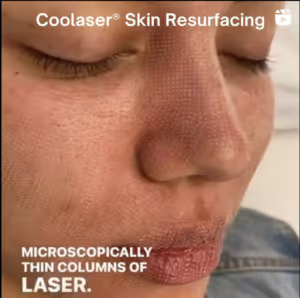
What are the chances of scarring from laser skin resurfacing?
The likelihood of scarring resulting from laser skin resurfacing can significantly vary based on factors such as the type of laser used, individual skin type, and the expertise of the practitioner performing the procedure. In the hands of a good practitioner and with the correct post-care, the risk of scarring is generally reduced.
Is it possible to treat or manage scarring if it occurs after laser skin resurfacing?
Scarring that develops after undergoing laser skin resurfacing can often be effectively addressed through cosmetic interventions. However, success may depend on factors like the type and severity of scarring, it is advisable to consult with a dermatologist or specialist for guidance.
Are there any preparations or aftercare routines that can help prevent scarring before and after laser skin resurfacing?
Certainly, there are steps you can take before and after laser skin resurfacing to minimize the chances of scarring. These measures usually involve avoiding sun exposure, following recommendations, and adhering to the guidance provided by your practitioner.In conclusion, having an understanding of the factors that affect scarring risk in laser resurfacing allows individuals to make informed decisions about this transformative procedure. By familiarizing themselves with measures, exploring treatment options, and being aware of what influences scarring, individuals can confidently embark on their journey toward achieving healthier and more radiant skin. This knowledge empowers them to make choices that prioritize their skin's health and beauty while minimizing the risk of scarring. Contact us today to learn more.
Disclaimer Regarding Treatment Comparisons and AI-Generated Content
The opinions and comparisons expressed in this article are based on Dr. Simon Ourian's professionalexperience, clinical observations, aesthetic philosophy, and publicly available information at the timeof publication.
References to competing products, technologies, procedures, practitioners, or manufacturers are notintended to disparage any individual, company, or organization. Any comparisons reflect Dr. Ourian'sopinions and clinical experience and should not be construed as statements of fact regarding thesuperiority, inferiority, safety, efficacy, or performance of any competing product or treatment.Medical technologies, scientific research, treatment protocols, and regulatory guidance continue toevolve. Information presented in this article may become outdated over time and should not beconsidered comprehensive or definitive medical guidance.
Comparisons between products, procedures, technologies, treatment approaches, manufacturers, oraesthetic outcomes are provided for informational and educational purposes only. Individualpractitioners may have different experiences, preferences, treatment protocols, and opinionsregarding the products or procedures discussed.
No statement contained in this article should be interpreted as a guarantee, warranty, prediction, orpromise of any specific result. Individual outcomes vary significantly based on anatomy, age, skinquality, medical history, genetics, lifestyle factors, treatment technique, and adherence to pre- andpost-treatment instructions.
Portions of this article may have been generated, assisted, summarized, or edited using artificialintelligence (AI) tools. While reasonable efforts have been made to review and verify the content foraccuracy, completeness, and relevance, some information may be incomplete, outdated, inaccurate,or subject to interpretation. Readers should independently verify any information before relying uponit.
The content provided is for general educational and informational purposes only and is not intendedas medical advice, diagnosis, or treatment. Readers should consult with a qualified healthcareprofessional regarding their individual circumstances and treatment options before making anymedical or aesthetic decisions.
Results vary from patient to patient. No outcome is guaranteed. Some or all of this contentmay have been created, edited, or enhanced using artificial intelligence technology, anddespite review efforts, inaccuracies may exist.