





Facelift Articles
Learn about non-surgical facelift options, thread lifts, and skin tightening from Epione Beverly Hills.
How Do I Start a "Collagen Bank" So I Don't Need a Facelift Later?
The concept of a collagen bank is rooted in the biological reality that the human body begins to lose its natural collagen production starting in the mid-twenties. For most individuals, the rate of loss is approximately one percent per year, a figure that accelerates significantly during and after menopause or due to chronic environmental stress. By treating collagen as a finite resource that must be deposited into a "savings account" through early intervention, patients can maintain the elasticity and volume of their skin for decades. This preventative philosophy represents a major shift in aesthetic medicine, moving away from reactive "fixing" toward long-term structural maintenance.
Building a collagen bank does not mean undergoing drastic changes early in life; rather, it involves subtle, consistent treatments that signal the skin to remain in a state of repair and renewal. When the skin’s foundation is strong, it is much more resistant to the gravitational pull and volume loss that eventually lead to sagging and deep folds. Patients who start this process early often find that they age in a way that looks entirely natural, as they are simply preserving the architecture they already possess. This strategy is specifically designed to bypass the traditional "aging cliff" where surgical intervention becomes the only viable option.
The success of a collagen banking strategy depends on a personalized combination of biostimulatory fillers, energy-based devices, and rigorous sun protection. Each of these components plays a distinct role in either protecting existing collagen or stimulating the production of new fibers. In a high-end clinical setting, the focus is on creating a thick, resilient dermis that acts as a natural internal "girdle" for the face. By making these deposits early and often, individuals can effectively freeze their aesthetic clock and enjoy a youthful contour well into their later years.
The Biological Foundation of Collagen Preservation
To understand how to bank collagen, one must first understand the role of fibroblasts, the specialized cells responsible for producing collagen and elastin. These cells remain highly active during youth but become increasingly dormant as we age or are exposed to ultraviolet radiation. Collagen banking treatments work by "waking up" these fibroblasts through controlled micro-injuries or chemical signaling. This ensures that the replacement of old, degraded collagen happens at a faster rate than the natural degradation process.
Beyond just production, the quality of the collagen being banked is equally important. Type I collagen is the robust, structural variety found in youthful skin, while Type III is often associated with scar tissue or less organized repair. High-end treatments at Epione focus on stimulating the high-quality Type I fibers to ensure the skin remains supple rather than stiff. This biological refinement is what allows the face to retain its natural movement and softness while gaining the structural support necessary to resist the downward migration of fat pads.
Environmental protection is the most critical withdrawal prevention strategy for your collagen bank. Ultraviolet rays and pollution generate free radicals that trigger the production of matrix metalloproteinases, which are enzymes that specifically break down collagen fibers. Without a "shield" in the form of antioxidants and sunscreen, even the most expensive clinical treatments will yield diminished returns. Therefore, a true banking strategy is a twenty-four-hour commitment that combines in-office procedures with a sophisticated at-home protective barrier.
- Dermal Assessment: A professional evaluation identifies areas where the skin is beginning to thin or lose its "snap-back" quality before visible wrinkles appear.
- Biostimulatory Injections: Small amounts of products like Radiesse or Sculptra are placed in strategic areas to trigger a slow, steady increase in dermal thickness.
- Energy-Based Maintenance: Yearly or bi-yearly sessions with ultrasound or radiofrequency devices provide deep-tissue heating to contract existing fibers.
- Topical Fortification: The daily use of prescription-strength retinoids and vitamin C ensures that the skin’s surface remains in a constant state of turnover.
This systematic approach ensures that every layer of the skin is being addressed simultaneously. By starting with a professional assessment, the clinical team can identify the specific "weak points" in an individual’s facial anatomy, such as the perioral area or the temples, where collagen loss tends to be most visible first. This allows for a targeted banking strategy that yields the most significant long-term benefits. Consistency is the primary driver of success in this preventative model.
The transition from a youthful face to one that requires a facelift is rarely sudden; it is the result of thousands of tiny structural failures over many years. By addressing these failures as they happen, or even before they occur, the need for a surgical "reset" is significantly pushed back. Many patients find that by their fifties, they still possess the jawline definition and cheek volume of someone much younger, thanks to the deposits they made in their thirties and forties. This is the ultimate goal of the modern aesthetic practitioner.
Energy-Based Devices as Structural Deposits
Energy-based treatments like Ultherapy and Thermage are cornerstones of the collagen banking process because they reach the deep structural layers that topical products cannot touch. These devices use focused ultrasound or radiofrequency energy to heat the dermis and the underlying SMAS layer, which is the same tissue that surgeons manipulate during a facelift. This heat causes an immediate contraction of collagen fibers and, more importantly, triggers a healing response that lasts for several months.
The beauty of energy-based "banking" is that it requires no incisions and involves very little downtime. Because the surface of the skin is left intact, the body focuses all of its regenerative energy on the deep tissues. These treatments are typically performed once a year as a maintenance "deposit" to keep the skin tight and the contours lifted. Over time, these sessions build upon one another, creating a cumulative effect that keeps the skin’s foundation significantly stronger than it would be otherwise.
In a high-end practice, these devices are often used in combination with other modalities to maximize the biostimulatory effect. For instance, following an ultrasound treatment with a session of microneedling or a light chemical peel can address both the deep structure and the surface texture. This multi-layered approach ensures that the "bank" is being funded at every level of the skin’s architecture. The experts at Epione specialize in these synergistic protocols to provide the most comprehensive preventative care.
- Ultherapy: Uses micro-focused ultrasound to target the deep structural layers, providing a non-invasive "lift" to the brow, chin, and neck.
- Radiofrequency (Thermage): Delivers heat to the dermis to tighten existing collagen and stimulate the production of new fibers for improved skin elasticity.
- Fractional Lasers: Create microscopic columns of thermal damage that force the skin to replace old, damaged tissue with fresh, healthy collagen.
- Microneedling with Radiofrequency: Combines physical collagen induction with thermal energy for a powerful double-action thickening of the skin.
The integration of these technologies into a long-term beauty plan is what allows for a truly "surgery-free" future for many patients. By choosing the right energy source for a patient's specific skin type and age, practitioners can fine-tune the banking process. For example, someone with thicker skin might respond better to radiofrequency, while someone concerned with deep tissue sagging might benefit more from ultrasound technology. This level of customization is essential for achieving high-end results.
While the results of energy-based treatments are not as immediate as dermal fillers, their value lies in their longevity. The collagen produced during the months following a session is yours to keep, and it will age at a much slower rate than untreated skin. This makes energy devices one of the most stable "investments" in a collagen bank. When performed by a skilled professional, these treatments provide a subtle but powerful insurance policy against the signs of aging.
Biostimulatory Injectables for Volume Preservation
While traditional fillers provide an instant lift, biostimulatory injectables like Sculptra and Radiesse are the "high-yield" assets of a collagen bank. These products do not just fill a wrinkle; they change the biological environment of the skin. Sculptra, for instance, uses poly-L-lactic acid to gradually replace lost collagen over several months, resulting in a global restoration of facial volume. This is particularly useful for preventing the "hollow" look that often precedes the need for a facelift.
Radiesse, composed of calcium hydroxylapatite, provides both an immediate structural lift and long-term collagen induction. When used in a preventative manner, small amounts of these biostimulators can be placed along the jawline and mid-face to reinforce the natural bone structure and prevent the soft tissues from sagging. This "structural banking" is a key technique for maintaining a sharp, youthful profile. Unlike temporary fillers, the collagen produced by these agents integrates into the patient's own tissue for a more permanent improvement in skin quality.
The use of biostimulators requires a high degree of artistry and anatomical knowledge. The goal is not to change the shape of the face but to reinforce its existing beauty. When administered correctly, these products are virtually undetectable, as the resulting volume comes from the patient’s own biological processes. This natural integration is why biostimulators are the preferred choice for high-end patients who value discretion and long-term efficacy over quick, artificial fixes.
- Dilute and Hyper-dilute Techniques: Biostimulators can be thinned with saline and lidocaine to be spread across larger areas for a subtle, overall skin-thickening effect.
- Vectoring: Placing the product in specific directions that mimic the natural tension lines of the face to provide a lifting effect as the collagen grows.
- Layering: Combining different biostimulators in the same session to target both deep volume loss and superficial skin crepiness.
- Strategic Placement: Focusing on the "anchor points" of the face, such as the pre-auricular area, to provide maximum support with minimum product.
This sophisticated approach to injectables is what allows for a truly preventative strategy. By placing these "deposits" in the areas most prone to sagging, practitioners can create a support system that keeps the face lifted for years. Patients often describe the result as looking like they have had a "permanent glow" or a naturally fuller face. This is the hallmark of a well-funded collagen bank, where the skin’s internal health is reflected on the surface.
Maintenance for biostimulatory injectables is typically required every one to two years, depending on the individual's rate of collagen degradation. Over time, many patients find they need less product to maintain their results, as the cumulative effect of the new collagen provides a lasting foundation. This sustainable model of aesthetic care is the cornerstone of the philosophy at Epione Beverly Hills, where the focus is always on the long-term health and beauty of the patient.
The Strategic Roadmap to Avoiding a Facelift
Building a collagen bank is a marathon, not a sprint. It requires a strategic roadmap that evolves as the patient moves through different stages of life. In the twenties and thirties, the focus is almost entirely on protection and light stimulation. This might include preventative neuromodulators to stop deep expression lines from forming and light laser treatments to maintain skin clarity. During this phase, the "deposits" are small but frequent, establishing a baseline of skin health that will pay dividends later.
As a patient enters their forties and fifties, the strategy shifts toward more aggressive biostimulation and structural support. This is the period where energy-based tightening and biostimulatory fillers become the primary tools for resisting gravity. By maintaining the thickness of the dermis during these critical decades, the skin remains taut enough to hold the underlying fat pads in place. This prevents the "jowling" and heavy nasolabial folds that are the primary indicators for surgical lifting.
The goal of collagen banking is to reach a stage where "maintenance" is all that is required to look youthful. Those who have consistently funded their collagen bank often find that they look ten to fifteen years younger than their chronological age without ever having looked "done." This refined, natural aging process is the ultimate luxury in modern aesthetics. It provides the freedom to age with confidence, knowing that the structural integrity of the face is secure.
- Decade-Specific Planning: Tailoring the intensity and type of treatments to the biological needs of each life stage for maximum efficiency.
- Holistic Integration: Combining clinical treatments with lifestyle factors like nutrition, sleep, and stress management to support fibroblast health.
- Regular Monitoring: Using advanced imaging or professional assessments to track the skin’s thickness and elasticity over time.
- Early Intervention: Addressing the very first signs of laxity or thinning before they become permanent fixtures of the face.
By following this roadmap, the need for a facelift becomes a choice rather than a necessity. For many, the cumulative results of non-invasive banking are so effective that surgery never becomes part of the conversation. This shift toward "pro-aging" allows individuals to embrace the passage of time while retaining the vibrant, healthy appearance of their prime. The experts at Epione are dedicated to guiding patients through this journey with the highest level of care and precision.
The philosophy of collagen banking is a testament to how far aesthetic medicine has come. We no longer have to wait for the face to "fall" before we can intervene. By taking control of the skin’s biological aging process, we can preserve the beauty and structural harmony of the face for a lifetime. This proactive approach is the most effective way to ensure that your future self looks as youthful and energetic as you feel today.
Maximizing Your Aesthetic Investment
To get the most out of a collagen banking strategy, one must be discerning about where and how they receive treatments. High-end aesthetic care is not just about the device or the product; it is about the expertise of the practitioner behind it. A deep understanding of facial anatomy is required to know exactly where to place biostimulatory agents and how to calibrate energy devices for optimal results. Investing in a top-tier provider like Dr. Simon Ourian ensures that every "deposit" into your collagen bank is placed for maximum impact and safety.
Furthermore, a comprehensive banking strategy includes a commitment to the highest quality skincare. Medical-grade products contain active ingredients at concentrations that are clinically proven to reach the dermis. These products act as a daily "dividend" for your bank, supporting the work done during in-office procedures. When the skin is healthy and well-nourished, it responds much more effectively to biostimulatory treatments, creating a virtuous cycle of rejuvenation.
A collagen bank is the most effective defense against the eventual need for a facelift. By starting early, being consistent, and utilizing the best technology available, you can build a reservoir of structural proteins that will keep your skin resilient and lifted. This proactive approach not only preserves your youthful appearance but also enhances the overall health and vitality of your skin. The journey toward a surgery-free future begins with a single, well-placed deposit into your collagen bank today.
Is a Mini Facelift the Right Choice for Early Signs of Facial Aging?
The quest for a youthful appearance often leads patients to consider various surgical and non-surgical interventions as they notice the first signs of gravity and time affecting their features. While traditional full facelifts have long been the gold standard for comprehensive facial rejuvenation, the emergence of the mini facelift has provided a more targeted alternative for those in the earlier stages of the aging process.
This procedure specifically focuses on the lower third of the face, addressing concerns like jowling and slight skin laxity that may not yet require the extensive correction of a more invasive surgery. Deciding whether this specific technique is the right path involves a careful evaluation of one's unique anatomy, the degree of skin elasticity present, and the specific aesthetic goals the individual hopes to achieve.
Early facial aging often manifests as a softening of the jawline or a subtle deepening of the folds around the mouth, changes that can make a person look tired or older than they feel. For many patients in their late thirties to early fifties, these concerns are localized rather than widespread across the entire face and neck. A mini facelift offers a way to "refresh" the appearance by tightening the underlying tissues and removing a small amount of excess skin through shorter incisions. This approach is designed to produce a natural result that enhances the patient's existing features rather than creating a drastically different look. Understanding the mechanics of the procedure and how it differs from other options is essential for anyone looking to maintain a vibrant, youthful contour.
The decision to undergo any cosmetic procedure should be rooted in a clear understanding of the expected outcomes and the recovery process involved. Because the mini facelift is less extensive than its traditional counterpart, it has gained popularity among professionals and individuals with active lifestyles who cannot afford a lengthy hiatus from their daily responsibilities. However, it is not a universal fix for every type of facial aging. Candidates must have sufficient skin quality to benefit from the lifting effect and should have realistic expectations about what a localized procedure can accomplish. By examining the specific benefits and limitations of this technique, patients can make an informed choice about their aesthetic journey.
Understanding the Anatomy of Early Facial Aging
Facial aging is a multifaceted process that involves the gradual loss of bone density, the redistribution of fat pads, and the degradation of collagen and elastin fibers within the dermal layers. In the early stages, these changes are often most visible in the midface and lower face. As the structural support of the cheeks begins to diminish, the overlying skin starts to migrate downward, leading to the formation of nasolabial folds and the initial appearance of jowls along the jawline. This downward shift creates a "heaviness" in the lower face that can detract from a previously sharp and defined profile.
While topical treatments and non-invasive energy-based therapies can improve skin texture and provide a modest tightening effect, they often fall short of repositioning displaced tissue. This is where surgical intervention becomes a consideration for those who want a more definitive correction. The mini facelift is designed to address this specific level of descent by focusing on the Superficial Muscular Aponeurotic System, also known as the SMAS layer. By tightening this deep structural layer, the surgeon can provide a more durable and natural-looking lift than could be achieved by simply pulling the skin alone.
The primary goal during this stage of life is often prevention and maintenance rather than a total transformation. Patients are looking for a way to turn back the clock just enough to look like a rested version of themselves. Because the incisions are typically hidden within the natural contours of the ear, the visible evidence of surgery is minimal. This makes it an attractive option for those who are private about their aesthetic enhancements. To determine if a patient is ready for this step, several factors must be assessed during a clinical evaluation.
- Skin Elasticity: The skin must still possess enough resilience to conform to the new, lifted contours of the face.
- Localized Laxity: The primary concerns should be concentrated in the lower face and jawline rather than the mid-face or neck.
- Overall Health: Candidates should be in good physical condition to ensure a smooth healing process and optimal results.
- Realistic Goals: Understanding that a mini facelift provides a subtle refinement rather than a dramatic overhaul of the entire face.
Selecting the right procedure requires a strategic look at how the face is changing over time. If the main concern is a loss of definition in the chin area or the beginning of a "turkey neck," a different approach or a combination of techniques might be necessary. However, for the person who sees a slight drooping in the lower cheeks when they look in the mirror, the mini lift often provides the exact level of correction needed. This tailored approach ensures that the patient does not look "overdone" or unnaturally tight.
The consultation process is the most critical phase in deciding if this procedure fits your needs. During this time, the surgeon will examine the thickness of the skin and the degree of underlying tissue laxity. They will also discuss the patient's medical history and any previous cosmetic treatments they have received. This holistic view allows for a customized surgical plan that addresses the specific nuances of the patient's facial structure, ensuring that the final result is both harmonious and aesthetically pleasing.
The Surgical Process and Technique
The mini facelift is frequently performed under local anesthesia with sedation, although general anesthesia remains an option depending on the patient's preference and the surgeon's recommendation. The procedure begins with small incisions that typically start in front of the ear and extend slightly around the earlobe or behind the tragus. These shorter incisions are the reason the procedure is often referred to as a "short-scar" facelift. Through these openings, the surgeon gains access to the underlying muscle and connective tissue that require repositioning.
Once the incisions are made, the surgeon carefully lifts the skin from the underlying SMAS layer. This layer is then tightened and secured with sutures to create a firmer foundation for the lower face. Any redundant skin is trimmed away before the incisions are meticulously closed. This process not only sharpens the jawline but also provides a subtle lift to the corners of the mouth. The entire surgery usually takes between ninety minutes and two hours, making it significantly shorter than a full facelift.
Following the procedure, the patient is monitored briefly before being allowed to return home. Because the surgery is less invasive, the inflammatory response is generally milder than that of more extensive facial surgeries. However, patients should still expect some degree of swelling and bruising. Following the post-operative instructions provided by the clinical team is essential for minimizing complications and ensuring that the incisions heal cleanly and discretely.
- Anesthesia Administration: The patient is made comfortable using the chosen method of numbing and relaxation.
- Incision Placement: Small, strategic incisions are created along the natural creases of the ear to minimize visibility.
- Tissue Repositioning: The deeper SMAS layer is lifted and tightened to provide structural support to the lower face.
- Skin Adjustment: Excess skin is conservatively removed to ensure a smooth, natural-looking finish without tension.
- Incision Closure: Fine sutures are used to close the skin, often accompanied by light bandaging to protect the area.
Modern surgical techniques have evolved to prioritize longevity and natural movement. In the past, facelifts often focused solely on the skin, which could lead to a "windblown" look that appeared artificial. By focusing on the deeper structures, the mini facelift avoids this pitfall. The tension is placed on the sturdy muscle layers rather than the delicate skin, allowing the face to move naturally when the patient smiles, speaks, or expresses emotion. This nuance is what separates a high-quality result from a standard one.
After the surgery, the recovery period is relatively swift. Most patients find that they can return to non-strenuous work and social activities within a week or two. While the initial results are visible almost immediately, the final outcome continues to refine as the swelling subsides over several months. This gradual improvement allows the patient to acclimate to their refreshed appearance. Maintaining a healthy lifestyle and a consistent skincare regimen can help extend the life of the surgical results for many years.
Comparing the Mini Facelift to Non-Surgical Alternatives
For patients who are hesitant about surgery, the market offers a wide array of non-surgical lifting options. These include thread lifts, high-intensity focused ultrasound, and radiofrequency treatments. While these modalities can certainly improve skin quality and provide a temporary "boost," they generally cannot match the durability or the degree of lifting provided by a mini facelift. Non-surgical treatments are often best suited for those with very minimal laxity or as a maintenance tool following a surgical procedure.
A common misconception is that injectable fillers can replace the need for a facelift. While fillers are excellent for restoring lost volume in the cheeks or temples, using them to "lift" sagging skin can sometimes lead to an unnaturally puffy or heavy appearance. This is often referred to as "filler fatigue" or "over-filled syndrome." A mini facelift addresses the root cause of the problem, which is tissue descent, rather than simply trying to mask it by adding more volume. This distinction is vital for achieving a balanced and sophisticated aesthetic.
When weighing the pros and cons of surgery versus non-invasive treatments, cost and longevity are major factors. While a surgical procedure has a higher upfront cost, the results typically last five to ten years. In contrast, non-surgical treatments often require repeated sessions every six to twelve months to maintain the effect. Over time, the cumulative cost and time investment of non-surgical options may exceed that of a single, well-performed mini facelift.
- Longevity: A mini facelift offers several years of rejuvenation, whereas non-surgical options are temporary.
- Precision: Surgery allows for the direct physical repositioning of tissues that non-invasive tools cannot reach.
- Recovery: Non-surgical options have little to no downtime, while a mini facelift requires a short period of healing.
- Result Quality: For moderate sagging, the surgical lift provides a much cleaner and more defined jawline.
The choice between these paths often depends on the patient's tolerance for downtime and their specific aesthetic priorities. Some individuals prefer to start with non-invasive measures and "graduate" to a mini facelift when the results of those treatments are no longer satisfying. Others prefer to address the issue decisively with surgery to achieve the most significant improvement possible in a single step. Both approaches are valid, provided they are aligned with the patient's long-term goals.
It is also possible to combine a mini facelift with non-surgical treatments to achieve a comprehensive result. For example, a patient might undergo the surgical lift to sharpen their jawline and then use laser resurfacing to address fine lines and sun damage on the skin's surface. This "multi-modal" approach addresses both the structure and the texture of the face, leading to a more complete transformation. A skilled practitioner can create a tiered treatment plan that evolves with the patient as they continue to age gracefully.
Who Is the Ideal Candidate for This Procedure?
Identifying the right candidate for a mini facelift is as much an art as it is a science. Typically, the ideal patient is in their late 40s or early 50s and is bothered by the early signs of jowling. They usually possess good skin elasticity, meaning their skin still "snaps back" when gently pinched. This elasticity is crucial because the skin must be able to drape smoothly over the newly tightened underlying structures. If the skin is too thin or has lost all its resilience, a more comprehensive procedure might be required to avoid a poor outcome.
Lifestyle factors also play a role in candidacy. Non-smokers or those willing to quit well in advance of surgery are much better candidates, as smoking significantly impairs blood flow and slows the healing process. Additionally, individuals who maintain a stable weight are preferred, as significant weight fluctuations can alter the facial contours and potentially compromise the longevity of the surgical results. Being in a positive state of mind and having a clear understanding of the procedure's scope ensures that the patient will be satisfied with their transformation.
The mini facelift is also a popular "maintenance" procedure for patients who have had a full facelift many years prior and are looking for a touch-up. As the aging process continues, some of the initial lift may settle, and a mini facelift can effectively restore the crispness of the jawline without the need for a second full-scale surgery. This adaptability makes it a versatile tool in the repertoire of facial rejuvenation.
- Check for Jowling: Look for a slight loss of definition along the border of the jaw.
- Assess Nasolabial Folds: Note if the lines from the nose to the mouth have become more pronounced.
- Evaluate Mid-Face Volume: Determine if the cheeks have flattened, contributing to lower face heaviness.
- Review Recovery Availability: Ensure you have 7 to 10 days to dedicate to initial healing.
A thorough physical examination will reveal the thickness of the subcutaneous fat and the strength of the facial muscles. These biological markers help the surgeon predict how the tissues will respond to being moved. For instance, a patient with a very heavy neck might not get the full benefit they desire from a mini lift alone and might be advised to include a neck lift or submental liposuction. The goal is always to match the surgical technique to the patient's specific anatomical needs.
The best candidate is someone who wants to look like themselves, only better. They are not looking to look like a different person or to erase every single line on their face. They value a refreshed, "well-rested" appearance and understand that the goal of aesthetic surgery is to enhance their natural beauty. When a patient approaches the procedure with this mindset, the results are almost always a source of great confidence and satisfaction.
Integrating Professional Care and Long-Term Maintenance
Achieving a beautiful result from a mini facelift is only the first step; maintaining those results requires a lifelong commitment to skin health and wellness. The aging process does not stop after surgery, but the procedure sets the clock back, meaning the patient will always look younger than they would have without the intervention. To protect this investment, daily sun protection is non-negotiable. Ultraviolet radiation is the primary cause of skin aging, and it can quickly degrade the collagen that surgery has worked to preserve.
In addition to sun protection, medical-grade skincare products can help maintain the quality of the skin. Ingredients like retinoids, antioxidants, and peptides support cellular turnover and keep the skin looking vibrant and healthy. Many patients find that periodic non-invasive treatments, such as chemical peels or light-based therapies, complement their surgical results by addressing surface imperfections that surgery cannot fix. This holistic approach ensures that the entire face looks cohesive and youthful.
Regular follow-ups with the clinical team are also important. These visits allow the surgeon to monitor the healing process and provide guidance on when to resume various activities or introduce new skincare products. Establishing a long-term relationship with a trusted aesthetic provider ensures that any future signs of aging can be addressed early, potentially delaying the need for further surgery. This proactive stance is the key to maintaining a timeless appearance.
Strategic Benefits of the Mini Facelift
The mini facelift stands out as a bridge between the world of non-invasive aesthetics and major plastic surgery. It offers a level of correction that is tangible and long-lasting while avoiding the "over-tightened" look that sometimes characterizes older surgical methods. By focusing on the lower face, it targets the area that many people find most frustrating as they age. The psychological benefit of seeing a firm, clean jawline in the mirror cannot be understated, as it often translates to increased confidence in both professional and social settings.
Another significant advantage is the efficiency of the recovery. In a world where people are busier than ever, the ability to achieve a significant cosmetic improvement with only a week or two of downtime is a major selling point. Most patients report that any discomfort is easily managed with mild medication and that they feel "socially ready" quite quickly. This accessibility has made the mini facelift one of the most requested procedures for those who want to stay ahead of the aging curve.
The procedure also offers a high degree of customization. No two faces age in exactly the same way, and the mini facelift can be adapted to focus more on the jowls, the nasolabial folds, or the lower cheeks depending on the individual. This precision ensures that the results are tailored to the patient's unique facial harmony. When performed by an experienced hand, the mini facelift is a sophisticated tool for maintaining a youthful, elegant profile through the middle years of life and beyond.
- Minimal Scarring: The short-scar technique ensures that incisions are nearly invisible once fully healed.
- Natural Movement: By tightening the deep tissue rather than just the skin, the face retains its full range of expression.
- Reduced Risks: A shorter surgery with less anesthesia generally carries fewer risks than a full traditional facelift.
- Immediate Confidence: The sharpening of the jawline provides an instant boost to the patient's self-image.
Beyond the physical changes, many patients describe a sense of "matching" their external appearance to their internal energy. If a person feels vibrant and energetic but sees a tired, sagging face in the mirror, it can create a sense of cognitive dissonance. The mini facelift resolves this by restoring a look that reflects the patient's actual vitality. This alignment of self-perception and physical reality is often the most rewarding aspect of the entire process.
In the hands of a skilled expert, this procedure is a refined intervention that respects the natural aging process while providing a subtle correction. It is an investment in one's self-esteem and a way to navigate the passing years with grace and poise. As techniques continue to improve, the mini facelift remains a cornerstone of modern facial rejuvenation, offering a reliable path for those seeking to address the early markers of time.
A Refined Perspective on Facial Rejuvenation
Choosing a mini facelift is a significant decision that marks a transition into more proactive aesthetic management. It is a choice for quality, longevity, and a specific type of natural beauty that cannot be replicated by needles alone. For the right patient, it offers the perfect balance of visible improvement and manageable recovery, making it a highly effective solution for early facial aging. The key is to approach the process with a focus on structural integrity and subtle refinement.
The most successful outcomes are those that leave people wondering why you look so good, rather than what you had "done." This subtlety is the hallmark of the mini facelift. It allows the patient's natural features to shine through, unburdened by the heaviness of sagging skin. By addressing the deep layers of the face, the procedure provides a foundation of youthfulness that will age naturally and beautifully over the coming decade.
The mini facelift is about more than just aesthetics; it is about feeling empowered in your own skin. Whether you are a professional looking to maintain a competitive edge or simply someone who wants to look as young as you feel, this procedure provides a clear, surgical path to achieving that goal. With the right guidance and a tailored approach, you can achieve a refreshed look that feels entirely authentic to who you are.
What is the best non-surgical facelift in 2026?
In the changing world of enhancements, finding the top non-surgical facelift options in 2026 is a blend of artistic and scientific pursuits. As technology advances and beauty standards evolve this article aims to help you navigate through the non-surgical facelift treatments this year empowering you to make an informed decision towards achieving a more youthful and revitalized appearance.
HIFU non-surgical facelift
HIFU, also known as High Intensity Focused Ultrasound, is a surgical procedure that employs focused ultrasound energy to stimulate collagen production and tighten the skin. During an HIFU treatment session a handheld device is utilized to deliver ultrasound energy at depths beneath the skin surface. This energy generates heat triggering which is a natural healing response within the body that results in the production of collagen fibers. Ultimately this increased collagen production leads to skin tightening and lifting while visibly reducing wrinkles and sagging.HIFU stands out as one of the leading surgical facelift options in 2026. This groundbreaking treatment utilizes ultrasound energy effectively for skin lifting and tightening significantly improving wrinkles appearance and combating sagging.HIFU has become increasingly popular due to its effectiveness and minimal recovery time making it a leading contender in the world of non-surgical facelifts in 2026.
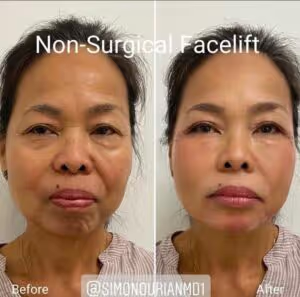
CACI non-surgical facelift
CACI for Computer Aided Cosmetology Instrument is a surgical facial treatment that utilizes microcurrent technology to stimulate facial muscles and enhance skin tone. It is commonly used for toning and lifting the face resulting in a youthful appearance.While CACI remains a known option for non-surgical facelifts and one of the best choices in 2026, moving forward with it still depends on the individual preferences and requirements.
Dr. Simon Ourian’s instant, non-surgical facelift
Cosmetic dermatology doctor Dr. Simon Ourian uses a combination of non-surgical procedures to perform face lifts on his patients. He harnesses the powers of Neustem dermal fillers, ultrasound, and Coolaser to instantly reverse the signs of aging on his patients’ faces. The treatment typically takes an hour and requires only topical anesthesia to lessen pain.
Which non-surgical facelift is the best?
Determining the non-surgical facelift option to go with depends on the patient’s personal goals and needs. All three options mentioned above are absolutely great choices. However, what constitutes the best option for someone varies from person to person. It is advisable to consult with a professional to determine the suitable choice for you.
What is the Secret to Getting a Non-Surgical Facelift in Los Angeles That Looks All-Natural?
The quest for a youthful appearance in a city as aesthetically conscious as Los Angeles has led to a significant shift in how we approach facial rejuvenation. For many years, the standard for a facelift involved invasive surgery, long recovery times, and the risk of a "pulled" or "frozen" look. Today, the secret to achieving a refreshed appearance without the scalpel lies in the art of subtlety and the use of advanced medical technologies. The modern non-surgical facelift is not about changing one's features, but rather about restoring the structural integrity and skin quality that time has diminished.
In the hands of a skilled practitioner, non-surgical techniques allow for a degree of precision that surgery often lacks. By addressing the skin, fat, and bone density changes that occur with age, a clinician can recreate the youthful contours of the face in a way that appears entirely organic. This "all-natural" result is achieved by avoiding the common pitfall of over-correcting a single area. Instead, the focus is on facial harmony, ensuring that the cheeks, jawline, and eyes all age at a consistent and graceful pace.
The Los Angeles aesthetic scene is uniquely demanding, as patients often require results that can withstand the scrutiny of high-definition cameras and bright California sunlight. To meet these standards, the most successful non-surgical procedures utilize a combination of light-based therapies and regenerative injectables. This multi-layered approach addresses both the surface texture of the skin and the underlying volume loss. When these elements are balanced correctly, the result is a face that looks well-rested and vibrant, rather than one that has been artificially altered.
The Art of Multi-Modality Facial Restoration
Achieving an all-natural look requires moving away from the "one-size-fits-all" approach to fillers and lasers. The human face ages in three dimensions: the skin thins and loses elasticity, fat pads shift or diminish, and the underlying bone structure begins to recede. A successful non-surgical facelift must address all three of these layers simultaneously. By using different tools for different depths, a practitioner can rebuild the face's foundation while polishing its surface, leading to a result that is far more convincing than traditional methods.
The first layer of restoration usually involves the skin's surface. As we age, sun damage and environmental stressors create fine lines and a dull complexion that can betray one's age even if the facial structure is tight. Advanced laser systems are used to "shrink-wrap" the skin, stimulating new collagen production that firms the dermis and smooths the epidermis. This provides a natural tightness that mimics the results of a surgical lift but maintains the natural movement of the facial muscles.
The second and third layers involve the strategic replacement of volume. The "secret" in Los Angeles circles is the use of micro-droplet injections rather than large boluses of filler. By placing tiny amounts of a bio-stimulatory substance in the deep tissues, a clinician can lift the jowls and sharpen the jawline without creating the dreaded "pillow face" look. This technique respects the natural anatomy of the patient, ensuring that the face looks just as good in motion as it does in a still photograph.
- Step 1: Conduct a comprehensive facial analysis to identify areas of shadow and volume depletion.
- Step 2: Apply specialized laser energy to the lower face and neck to tighten the skin and define the jawline.
- Step 3: Administer micro-injections of volume-enhancing formulas to the mid-face to lift the lower features.
- Step 4: Refine the surface of the skin with a light resurfacing pass to ensure a healthy, youthful glow.
- Step 5: Finalize the treatment with a customized post-care serum to accelerate healing and locking in the results.
This sequential process ensures that the transformation is gradual and controlled. Because the treatments are non-invasive, the clinician can actually see the results manifesting in real-time, allowing for minute adjustments that surgery does not permit. This level of oversight is vital for maintaining the patient's unique character while erasing the signs of fatigue and aging. It is the difference between looking like a younger version of oneself and looking like a different person entirely.
The recovery from such a comprehensive approach is remarkably brief. Most patients experience only a few days of mild swelling or redness, which is a small price to pay for a transformation that can last for years. The convenience of this "weekend transformation" has made it a favorite among busy executives and celebrities alike. When the procedure is done correctly, friends and colleagues shouldn't be able to tell that a medical procedure took place; they should only notice that the individual looks incredibly healthy.
Why Precision Matters in Non-Surgical Lifting
The difference between a mediocre result and a world-class one often comes down to the technology being used. In the realm of non-surgical facelifts, the Coolaser has become a cornerstone of the industry. This technology allows for the removal of damaged skin layers with a level of precision measured in microns. By using a cool light beam, the device avoids the excessive heat that can cause scarring or an "unnatural" skin texture. This is particularly important for the delicate skin of the neck and jawline, where traditional lasers often struggle.
Precision also applies to the types of injectables used to provide lift. Rather than using standard hyaluronic acid fillers that can sometimes attract too much water and look puffy, top-tier clinics use advanced formulas like Neustem. These substances are designed to provide more structural support, acting more like a "liquid implant" that stays exactly where it is placed. This allows for the sharpening of the chin or the lifting of the brow with a high degree of predictability and a very low risk of migration.
Combining these high-precision tools requires a deep understanding of facial aesthetics. A practitioner must be able to visualize how a change in the cheek will affect the nasolabial fold, or how tightening the neck skin will improve the appearance of the jaw. This "global" view of facial aging is what allows for the creation of an all-natural look. The following list outlines the essential components of a high-precision non-surgical lift.
- Thermal Control: Using cooling technology to prevent the "over-cooked" look often seen with older heat-based lasers.
- Structural Volumization: Focusing on the bone and deep fat layers rather than just the superficial skin.
- Customized Wavefronts: Adjusting laser energy to match the specific thickness and sensitivity of the patient's skin.
- Anatomical Placement: Ensuring all injectables are placed in accordance with the patient's underlying muscular structure.
By prioritizing these technical aspects, the clinician can achieve a level of refinement that was previously unthinkable without surgery. The skin appears taut and vibrant, the contours of the face are crisp and defined, and the overall expression remains warm and expressive. This is the hallmark of the "Los Angeles look" that so many strive for: a perfect balance of health, beauty, and authenticity.
The longevity of these results is another factor that contributes to their popularity. While a non-surgical lift does not stop the clock entirely, it significantly slows it down. By stimulating the body's own repair mechanisms, the treatments create a "reservoir" of collagen that keeps the skin looking youthful for longer. Many patients find that they only need minor touch-ups every year or two to maintain their new, refreshed appearance indefinitely.
Achieving Harmony Between the Face and Neck
A common mistake in many facelift procedures is focusing solely on the face while neglecting the neck and chest. This creates a "mismatch" that immediately signals that work has been done. An all-natural non-surgical facelift must address the entire "aesthetic unit," which includes the jawline and the neck. If the face is smooth but the neck shows significant laxity and sun damage, the illusion of youth is shattered. Precision lasers are exceptionally effective at blending these areas together.
The neck skin is notoriously difficult to treat because it is thinner and has fewer oil glands than the facial skin. This makes it more prone to scarring if treated too aggressively. However, by using fractional technology, a clinician can safely tighten the neck tissue and remove "turkey neck" or vertical bands. This creates a seamless transition from the chin to the collarbone, which is one of the most underrated secrets to a successful rejuvenation.
In addition to laser work, subtle injections can be used to soften the cords in the neck and provide a slight lift to the lower face. This "Nefertiti lift" technique relaxes the muscles that pull the face downward, allowing the lifting muscles to work more effectively. When combined with the skin-tightening effects of the Coolaser, the result is a clean, sharp profile that looks athletic and youthful.
- Texture Matching: Ensuring the skin quality of the neck matches the smoothness of the face.
- Jawline Definition: Using a combination of tightening and volume to create a clear separation between the face and neck.
- Pigment Correction: Removing sunspots and redness from the chest area to complete the youthful look.
- Muscle Relaxation: Softening the neck bands to prevent them from pulling down on the facial features.
This holistic approach is what separates the masters of non-surgical lifting from the novices. It requires more time and a more diverse range of tools, but the results are undeniably superior. When the face, neck, and chest are all in harmony, the patient radiates a sense of overall well-being that is far more attractive than just a "tight" face. It is a comprehensive restoration of the person's aesthetic identity.
Furthermore, these treatments can be customized to the patient's specific lifestyle. For those who are frequently in the public eye, the treatments can be spaced out to ensure there is never a "drastic" change that would cause unwanted attention. This gradual improvement is often the most desirable path, as it allows the patient to "age backward" in a way that feels natural to them and their social circle.
The Importance of the "Invisible" Recovery
One of the greatest secrets to the all-natural look is the absence of tell-tale signs of surgery. There are no scars behind the ears, no distorted hairline, and no change in the shape of the earlobes. Because the non-surgical facelift relies on the skin's own ability to heal and contract, the transition is smooth and scar-free. This "invisibility" is a major part of why these procedures have become the gold standard in Beverly Hills and beyond.
During the short recovery period, the skin undergoes a process of renewal that actually improves its health. Unlike surgery, which can sometimes compromise blood flow to the skin, laser and injectable treatments often enhance microcirculation. This leads to a better "glow" and a more resilient skin barrier. Patients are often surprised to find that their skin not only looks tighter but actually feels thicker and more hydrated than it did before the treatment.
To ensure this recovery remains invisible, the post-care protocol is of the utmost importance. Using medical-grade skincare that supports the skin's natural repair enzymes can cut recovery time in half. These products are designed to deliver essential nutrients deep into the dermis while the micro-channels from the laser are still open. This "infusion" of health is what ensures the final result is radiant and long-lasting.
The psychological benefit of this rapid, scarless recovery is also significant. Patients don't have to look in the mirror and see a "victim" of surgery with bruises and bandages. Instead, they see a slightly flushed, healthy version of themselves that improves daily. This positive feedback loop enhances the overall experience and allows the patient to return to their life with a renewed sense of confidence almost immediately.
A New Paradigm in Aesthetic Excellence
The secret to an all-natural non-surgical facelift is no longer a mystery; it is the result of a rigorous commitment to technology, anatomy, and artistic vision. By moving away from the aggressive tactics of the past, we have entered a new era where beauty is defined by health and harmony. For the modern patient, the goal is not to stop aging, but to age with a level of grace and vitality that reflects their internal energy.
Choosing the right provider is the most critical step in this journey. A master of non-surgical lifting must be part artist, part scientist, and part architect. They must be able to see the potential in every face and have the tools necessary to bring that potential to life. In a city like Los Angeles, where the options are endless, the secret is finding the one who understands that "less is more" and that "natural is the ultimate luxury."
By investing in a multi-modality approach that includes the Coolaser and structural injectables, patients can achieve a result that is truly transformative. This is not just a cosmetic change; it is a restoration of confidence and a celebration of one's unique beauty. As we continue to refine these techniques, the non-surgical facelift will remain the premier choice for those who demand the very best in aesthetic care.
How Much Does a Non-Surgical Facelift Cost in Beverly Hills? (2026 Pricing Guide)
Quick Answer: A non surgical face lift cost in Beverly Hills typically ranges from $3,000 to $12,000, depending on which treatments are combined. Most patients invest $4,500 to $8,000 for a customized plan that uses fillers, lasers, ultrasound, or threads. Beverly Hills pricing runs higher than the national average because of physician experience, technology, and overhead in the 90210 area.
The non surgical face lift cost in Beverly Hills depends on the technologies your provider uses and how much of your face you want addressed. Some patients spend closer to $3,000 for a focused treatment in one area, while others invest $10,000 or more for a comprehensive lift across the cheeks, jawline, and neck. This guide breaks down real pricing for each treatment type, what affects the final number, and why Beverly Hills sits at the higher end of the national range.
Dr. Simon Ourian founded Epione in 1998, and the practice has been refining non surgical facelift techniques in Beverly Hills for 28 years. The clinic combines proprietary technologies like Coolaser and Neustem with fillers, ultrasound tightening, and thread lifts to deliver results customized to each patient. The information below reflects what patients actually pay across leading Beverly Hills providers, not generic national averages.
How Much Does a Non Surgical Face Lift Cost in Beverly Hills?
A non surgical face lift cost in Beverly Hills typically falls between $3,000 and $12,000 per treatment plan. Most patients spend $4,500 to $8,000 to achieve a meaningful, visible lift across the mid-face, jawline, and neck. The final number depends on which treatments are combined, how many syringes or sessions are needed, and the experience of the physician performing the work.
Pricing varies because a non surgical face lift is not a single procedure. It is a customized combination of injectables and energy-based treatments. A patient who needs only a touch of filler in the cheeks will spend far less than someone restoring volume across the entire face and tightening neck skin in the same visit.
Here is what each treatment type typically costs at a leading Beverly Hills practice. These figures reflect 2026 pricing and align with national averages reported by the American Society of Plastic Surgeons, adjusted upward for the Beverly Hills market.
- Hyaluronic acid dermal fillers (Juvéderm, Restylane): $800 to $1,200 per syringe in Beverly Hills. Most patients need 2 to 4 syringes for a full mid-face restoration.
- Biostimulatory fillers (Sculptra, Radiesse): $900 to $1,400 per syringe. These stimulate collagen production for longer-lasting results.
- Neustem facial contouring (Epione proprietary): pricing varies by treatment area. Typically used in combination with other modalities.
- Coolaser skin resurfacing (Epione proprietary): $1,500 to $4,500 per session, depending on the area treated.
- Ultrasound skin tightening (Sofwave, Ultherapy): $2,000 to $5,000 per session.
- Radiofrequency microneedling (Morpheus8): $1,500 to $3,500 per session, with 3 sessions typically recommended.
- PDO thread lifts: $1,500 to $4,500, depending on the number of threads placed and the area treated.
- Neuromodulators (Botox, Dysport): $400 to $700 per area treated.
Most patients combine 2 to 4 of these treatments to create their personalized non surgical face lift. The right combination depends on which signs of aging are most prominent, whether the goal is structural lift, smoother skin, or both. A consultation with an experienced cosmetic physician is the only way to get an accurate quote for your specific plan. You can explore the non-surgical facelift options at Epione to see which approach fits your goals.
Why Does a Non Surgical Face Lift Cost More in Beverly Hills?
A non surgical face lift costs more in Beverly Hills because the area concentrates some of the most experienced cosmetic physicians in the world, and pricing reflects that expertise. The same procedure in a smaller city might cost 30 to 50 percent less, but the level of artistic skill and technology often varies just as widely.
Three main factors push Beverly Hills pricing higher than the national average:
- Physician experience. Patients in Beverly Hills are often paying for a cosmetic physician with 20 to 30+ years of specialized non-surgical experience. That depth of training shows up in the precision of the results.
- Proprietary and premium technology. Leading Beverly Hills practices invest in proprietary platforms like Coolaser and Neustem, as well as the newest FDA-cleared devices on the market. These technologies cost more to acquire and operate.
- Overhead and operating costs. Beverly Hills real estate, staffing, and clinical infrastructure all cost more than they do in most markets, and that factors into the per-treatment price.
The trade-off is that patients in Beverly Hills are paying for a level of safety, technology access, and aesthetic artistry that is difficult to find at lower price points. For many patients, the higher cost is worth it because the results look more natural and last longer when delivered by an experienced specialist using the right combination of tools.
Is a Non Surgical Face Lift Cheaper Than Surgery?
Yes, a non surgical face lift is significantly cheaper than a traditional surgical facelift in Beverly Hills. A surgical facelift in the area typically costs $20,000 to $50,000 or more, while a non surgical face lift cost ranges from $3,000 to $12,000. The price difference reflects what each procedure actually involves.
A surgical facelift requires a board-certified plastic surgeon, an operating room, general anesthesia, an anesthesiologist, surgical staff, and weeks of recovery. The price covers all of that. A non surgical face lift is performed in-office in under an hour, uses topical numbing, and lets the patient return to normal activities the same day. The lower overhead translates directly to lower pricing.
There are real trade-offs to consider, though, and cost is only one of them:
- Longevity. A surgical facelift can last 5 to 10 years. Non surgical results typically last 12 to 24 months and need maintenance.
- Recovery. Surgery requires 2 to 4 weeks of healing. Non surgical treatments often have zero downtime.
- Reversibility. Hyaluronic acid fillers can be dissolved if a patient does not love the result. Surgery cannot be undone.
- Ideal candidates. Non surgical works best for mild to moderate signs of aging. Severe skin laxity may still require surgery.
For many patients in their 30s, 40s, and early 50s, a non surgical approach delivers the results they want for a fraction of the surgical cost. Patients with more advanced aging or significant excess skin sometimes find that surgery is the more economical long-term choice, since the results last so much longer.
How Long Does a Non Surgical Face Lift Last?
A non surgical face lift typically lasts 12 to 24 months, depending on which treatments are used. Fillers in the cheeks and jawline generally last 12 to 18 months. Biostimulatory fillers like Sculptra and Neustem can last up to 2 years. Energy-based treatments like Coolaser and ultrasound tightening continue to improve skin for 3 to 6 months after the session and the results hold for 12 to 18 months.
Several factors affect how long results last for any individual patient:
- Metabolism. Patients with faster metabolisms break down fillers more quickly.
- Lifestyle. Sun exposure, smoking, and high-intensity exercise can shorten the lifespan of results.
- Skin quality at the start. Healthier, well-hydrated skin holds results longer.
- Maintenance treatments. Patients who schedule small touch-up appointments every 6 to 12 months often maintain their lifted look indefinitely.
- The specific products used. Premium biostimulatory products tend to outlast standard hyaluronic acid fillers.
Most patients at Epione find that scheduling maintenance treatments once or twice a year keeps their results looking consistent year-round. This maintenance approach often costs significantly less than the initial treatment because only the areas that need refreshing are addressed.
What Affects the Final Price of Your Non Surgical Face Lift?
The final price of a non surgical face lift in Beverly Hills depends on five main variables. Understanding these helps explain why two patients can walk out with very different quotes after the same type of consultation.
- Number of areas treated. A focused treatment on just the cheeks costs less than a comprehensive plan that addresses the cheeks, jawline, chin, and neck.
- Amount of product needed. A patient with significant volume loss may need 4 syringes of filler, while another needs only 1 or 2.
- Type of technology used. Coolaser, ultrasound, and radiofrequency platforms each have different per-session costs.
- Combination of treatments. Pairing injectables with energy-based treatments costs more upfront but often delivers better and longer-lasting results.
- Physician fees. A cosmetic specialist with decades of experience and a global reputation will price differently than a less experienced injector.
The most important variable is honest communication with your provider during the consultation. A good cosmetic physician will explain exactly what each part of your treatment plan costs, why it is recommended, and what alternatives might cost less if the budget is a concern. Some patients pair their non surgical facelift with a review of the best non-surgical facelift options available today before locking in a plan.
Does Insurance Cover a Non Surgical Face Lift?
No, health insurance does not cover a non surgical face lift. These treatments are considered elective cosmetic procedures, which means they are not medically necessary and fall outside what insurance plans pay for. This is true for every type of non surgical facelift, including fillers, lasers, ultrasound, threads, and neuromodulators.
Most Beverly Hills practices offer financing options to help patients manage the cost. CareCredit and similar third-party medical financing companies allow patients to break the total into monthly payments, often with promotional interest-free periods. Some practices also offer in-house payment plans or treatment packages that lower the per-session cost when multiple treatments are booked together.
How Do I Get an Accurate Quote for My Non Surgical Face Lift?
The only way to get an accurate quote is an in-person or virtual consultation with a qualified cosmetic physician. Generic online price ranges are useful for budgeting, but every face is different, and the right combination of treatments for one patient is rarely the right combination for another.
A good consultation should cover all of the following:
- A facial assessment that identifies your specific signs of aging and volume loss
- A recommended combination of treatments with the reasoning behind each one
- An itemized estimate showing what each treatment costs and how many sessions or syringes are needed
- A clear timeline of when you will see results and how long they should last
- A discussion of less expensive alternatives if budget is a constraint
- Information about financing options if needed
If you also have concerns about jawline definition or a softening chin, ask your provider whether a focused approach to non-surgical double chin and jawline reduction should be part of the same treatment plan. Many patients find that combining their facelift with targeted jawline work delivers better overall facial balance for only a modest increase in total cost.
Ready to Discuss Your Non Surgical Face Lift?
Epione has been Beverly Hills' destination for non-surgical facial rejuvenation since 1998. Dr. Simon Ourian and the clinical team customize every treatment plan to the patient's anatomy, goals, and budget, using proprietary technologies and the most advanced injectables available today. Contact Epione to schedule a consultation and receive a personalized quote for your non surgical face lift.
What is the Best Way to Achieve a High-Definition Liquid Facelift Without Looking "Overdone"?
The evolution of the liquid facelift has moved toward a high-definition philosophy that emphasizes the restoration of youthful shadows and highlights rather than the eradication of every single line. In the past, the goal of injectables was often to fill wrinkles until the skin was tight, which frequently resulted in the "pillow face" or "over-filled" look that many patients now fear. Modern high-definition protocols, however, treat the face as a three-dimensional landscape where volume is used to create lift and definition. By strategically placing premium fillers deep within the facial structure, a skilled provider can mimic the appearance of youthful bone and fat pads, providing a natural-looking elevation that surgery cannot always replicate.
For many patients, the fear of appearing unnatural stems from seeing results that do not move in harmony with the rest of the face. A high-definition liquid facelift avoids this pitfall by using different products for different facial zones. High-density fillers are used for structural areas like the jawline and cheekbones, while softer, more flexible gels are reserved for high-movement areas like the lips and the skin around the mouth. This nuanced selection ensures that when the patient smiles, speaks, or laughs, the fillers integrate seamlessly with the natural tissue, preserving the person's unique character while enhancing their overall aesthetic balance.
The key to a successful, subtle transformation lies in the provider's ability to assess the face globally. Instead of focusing on a single problem area, such as the nasolabial folds, a high-definition approach looks at why those folds have formed. Often, the cause is a loss of volume in the temples and midface that has allowed the skin to shift downward. By addressing the source of the sagging, the lower face is naturally lifted, and the need for heavy filling in the folds is significantly reduced. This logic is the foundation of the work performed at Epione Beverly Hills, where the focus is always on creating a refreshed and structurally sound visage.
The Foundational Steps of High-Definition Contouring
A high-definition result is built from the inside out, starting with the foundational structures that support the skin. As we age, the loss of deep fat pads and the subtle receding of the facial bones lead to a collapse of the facial "envelope." To correct this without looking overdone, volume must be replaced exactly where it was lost. This requires a meticulous injection technique that places the product deep under the muscle or directly onto the bone. This placement provides the most significant lift while remaining invisible to the eye, as it sits beneath the superficial layers of the skin.
This structural approach also allows for the sharpening of the facial contours. A high-definition liquid facelift is often used to define the jawline and chin, creating a clear distinction between the face and the neck. This "sculpting" effect is highly desirable for both men and women, as it projects an image of health and vitality. By using a firm, cohesive filler in these areas, the provider can create a crisp, clean line that looks like the result of excellent genetics rather than a clinical procedure.
The typical progression of a high-definition liquid facelift involves several key stages of restoration:
- Structural Midface Lifting: Deep injections in the malar region provide the primary lift for the entire face.
- Temple Volumization: Filling the hollows of the temples restores a youthful upper-face width and lifts the tail of the brow.
- Jawline and Mandibular Definition: Strategic placement along the jawbone creates a sharp, defined profile.
- Tear Trough Correction: Using a specialized technique to smooth the transition between the eye and the cheek for a rested look.
- Chin Projection: Enhancing the chin to provide better balance to the facial proportions and tighten the submental area.
Following these steps ensures that the face remains proportional and balanced. When these procedures are performed by the experts at Epione, the emphasis is on incremental changes that build toward a cohesive and stunning result. This prevents the shock of a sudden, drastic change and allows the patient to adjust to their refreshed appearance over a short period.
The beauty of this sequential approach is that it allows for real-time adjustments. During the session, the patient can see the lift occurring and provide feedback on the level of definition they desire. This collaborative process ensures that the final outcome aligns perfectly with the patient’s personal aesthetic goals and maintains their natural identity.
Advanced Product Integration for Seamless Results
Achieving a high-definition look without the "done" appearance requires a sophisticated understanding of product rheology, which is the study of how substances flow and deform. Not all fillers are suitable for all tasks, and a high-end clinic will have a diverse toolkit of products to choose from. For example, a filler with high "G-prime" is used for areas that need to hold their shape against gravity, such as the chin or the bridge of the nose. Conversely, a product with high "stretch" is essential for the cheeks and mouth area, where the skin is constantly moving.
Beyond the fillers themselves, the integration of neurotoxins is vital for a high-definition result. While fillers provide the volume and structure, neurotoxins help to refine the surface by relaxing the muscles that pull the features downward. This combination is often referred to as a "liquid lift" because it addresses both the loss of volume and the dynamic forces of aging. By relaxing the depressor muscles of the lower face, the lifting effect of the fillers is amplified, leading to a more defined and elegant silhouette.
To maintain the highest safety standards and the most natural results, the following product strategies are utilized:
- Anatomical Layering: Using different densities of filler at different depths to mimic the natural layers of the face.
- Micro-Dosing: Administering small amounts of product in multiple areas rather than large amounts in one spot.
- Cohesive Integration: Selecting gels that blend into the skin tissue to avoid any lumps or visible edges.
- Dynamic Balancing: Using neurotoxins to ensure that the facial muscles do not "over-power" the new volume.
- Bio-Stimulatory Enhancements: Incorporating products that encourage the skin to produce its own collagen over time.
This technical precision is a hallmark of the care provided at Epione Beverly Hills. By choosing the right product for each specific task, the clinical team ensures that the results are as durable as they are beautiful. This attention to detail is what separates a standard injectable treatment from a true high-definition liquid facelift.
The longevity of these results is also a primary concern. By using premium, long-lasting products, the frequency of touch-ups is reduced, which helps to prevent the gradual "over-filling" that can happen when patients seek treatments too frequently. A well-executed high-definition lift should look its best for several months and fade away naturally and evenly.
Preserving Character While Enhancing Definition
The ultimate goal of any cosmetic procedure should be to help the patient look like a more vibrant version of themselves, not a different person. In a high-definition liquid facelift, this is achieved by respecting the patient's original facial geometry. Instead of trying to give every patient the same "trendy" features, a high-end provider will look for the unique strengths of the patient's face and seek to highlight them. This might mean sharpening a strong jawline or restoring the high cheekbones that the patient had in their youth.
This philosophy of "individualized enhancement" is essential for avoiding the overdone look. It requires the injector to be as much an artist as a medical professional. By understanding how light hits the face, they can place filler in a way that creates a natural highlight, reducing the need for heavy makeup or filters in photographs. This "internal contouring" is the secret to why many high-profile individuals always look camera-ready yet never appear to have had significant work done.
- Symmetry Correction: Addressing minor imbalances to create a more harmonious and pleasing facial appearance.
- Shadow Reduction: Filling deep hollows to eliminate the "tired" look caused by overhead lighting.
- Natural Animation: Ensuring that the face looks just as good when the patient is talking or laughing as it does at rest.
By focusing on these subtle details, Dr. Simon Ourian and his team help patients achieve a level of definition that is both striking and believable. The confidence that comes from knowing you look your best from every angle is the true reward of this procedure. It is a modern solution for those who want to stay competitive and confident in a world that increasingly values a polished and youthful image.
The high-definition liquid facelift represents the pinnacle of non-surgical rejuvenation. It is a procedure that demands the highest level of skill, the best products, and a vision of beauty that is rooted in balance and harmony. For those who seek to age gracefully and maintain their natural beauty, it offers a path to a more defined, lifted, and radiant appearance without ever crossing the line into looking overdone.
The Future of Non-Surgical Facial Sculpting
As technology and techniques continue to advance, the liquid facelift is becoming more precise and accessible than ever before. We are moving toward an era where the "needle" is no longer something to fear, but a tool for artistic and biological restoration. The emphasis on high-definition results reflects a broader cultural shift toward authenticity and health. People want to look like they have taken care of themselves, not like they have been "reconstructed." This shift is perfectly aligned with the practices at Epione, where the health and integrity of the skin and facial structures are always the top priority.
The long-term perspective of a high-definition liquid facelift is one of sustainable beauty. By building a solid foundation of volume and collagen, patients are better prepared for the natural changes that occur with time. This proactive approach to aging is much more effective than trying to "fix" deep-set problems later in life. It is an investment in one's future self, ensuring that the transition through the decades is as smooth and beautiful as possible.
The final section of this protocol involves the ongoing relationship between the patient and the provider. A liquid facelift is not a "set it and forget it" procedure; it is a living, breathing enhancement that evolves as the patient does. Through regular assessments and minor touch-ups, the high-definition look can be maintained indefinitely. This continuity of care is what ensures that the results remain balanced and beautiful for years to come, reflecting the timeless standards of beauty upheld at Epione Beverly Hills.
How Does a High-End Liquid Facelift Restore Facial Balance Without an Overdone Look?
The concept of the liquid facelift has revolutionized the field of non-surgical aesthetics, offering a sophisticated alternative to traditional invasive procedures. Unlike a surgical facelift, which primarily addresses skin laxity by removing excess tissue, a liquid facelift focuses on the restoration of volume and the refinement of facial proportions. As the face ages, it naturally loses subcutaneous fat, bone density decreases, and collagen production slows down, leading to a hollowed or sagging appearance. By utilizing a curated selection of advanced injectables, a high-end liquid facelift restores these lost foundations, creating a lifted and refreshed look that appears entirely organic.
Achieving a balanced result without an overdone appearance requires a deep understanding of facial anatomy and an artistic eye for symmetry. The "overdone" look often associated with poorly executed injectables usually stems from an over-reliance on volume in a single area or a failure to account for how the face moves in three dimensions. In a high-end clinical setting, the goal is to harmonize the features rather than simply inflating them. This involves a global approach where the forehead, midface, jawline, and perioral areas are all considered in relation to one another to ensure a seamless transition between facial zones.
The precision of a liquid facelift allows for a level of customization that surgery often cannot match. Because the provider can add volume in small, controlled increments, they can fine-tune the facial contours in real time. This "sculpting" process ensures that the highlights and shadows of the face fall in a youthful pattern, mimicking the natural architecture of a younger visage. For patients who wish to maintain their professional and social commitments without the downtime of surgery, this method provides a discreet yet transformative way to address the visible signs of maturation while preserving their unique identity.
The Architecture of Facial Symmetry and Volume
The primary objective of a balanced liquid facelift is to restore the "triangle of youth," where the widest part of the face is across the cheekbones and tapers down to a refined chin and jawline. Over time, this triangle often inverts as volume shifts downward, creating heaviness in the lower face and hollowness in the temples and cheeks. A sophisticated protocol addresses this shift by providing structural support where it has been lost. By lifting the midface, the nasolabial folds and marionette lines are often softened indirectly, reducing the need for heavy filling in the lower face which can lead to a distorted look.
Symmetry is another vital component of facial attractiveness that tends to diminish with age or repetitive muscle movements. A high-end liquid facelift uses different types of fillers with varying viscosities to correct these minor imbalances. For example, a thicker, more robust filler might be used deep on the bone to provide lift, while a softer, more flexible filler is used closer to the surface to smooth fine lines. This layered approach ensures that the face looks natural both at rest and during animation, avoiding the "frozen" or "puffy" appearance that characterizes less refined techniques.
The process of restoring balance typically follows a logical sequence to ensure that the foundational structures are addressed before the finishing touches are applied:
- Foundational Volumization: Deep injections are placed near the bone in the temples and cheeks to provide an upward lift.
- Midface Refinement: Small amounts of filler are used to smooth the transition between the lower eyelid and the cheek, eliminating tired-looking hollows.
- Jawline Contouring: The mandibular angle is defined to create a clear separation between the face and the neck.
- Perioral Softening: Fine lines around the mouth are subtly filled to restore a youthful pout without creating unnatural lip volume.
- Neurotoxin Integration: Botulinum toxins are used to relax overactive muscles that cause downward pulling, further enhancing the lifting effect.
By following this structural hierarchy, the team at Epione ensures that the patient’s face remains balanced and proportionate. This method prevents the "chipmunk cheek" effect by ensuring that volume is distributed according to the natural fat pads of the face. When the underlying structure is sound, the skin sits more elegantly over the contours, resulting in a glow that looks like the product of good rest rather than clinical intervention.
The success of these steps relies heavily on the quality of the materials used and the expertise of the injector. High-end clinics utilize premium products that integrate seamlessly with the patient's own tissues. This integration is what allows the face to move naturally, ensuring that the results are only noticeable through the absence of shadows and the presence of a healthy, rested appearance.
Strategic Product Selection for Natural Results
Not all injectables are created equal, and a hallmark of a high-end liquid facelift is the use of a "cocktail" of products tailored to the specific needs of different facial tissues. The skin on the lips requires a different consistency of filler than the skin over the cheekbones or the jawline. By selecting products with the appropriate G-prime—a measure of a gel's hardness and elasticity—the provider can mimic the feel of natural bone, fat, or muscle. This technical precision is what prevents the face from feeling or looking "plastic" or overly firm.
In addition to hyaluronic acid fillers, which provide immediate volume and hydration, many elite protocols incorporate bio-stimulators. These substances encourage the body to produce its own collagen over several months, providing a gradual and long-lasting improvement in skin thickness and elasticity. This dual-action approach of immediate refinement coupled with long-term regeneration is a key strategy in preventing an overdone look. Because the skin itself becomes healthier and more resilient, less filler is required during subsequent maintenance visits.
When planning a liquid facelift, the following product categories are strategically deployed to ensure a harmonious outcome:
- Structural Volumizers: High-density fillers used for lifting the cheeks and defining the jawline.
- Supple Integrators: Thinner gels designed for high-movement areas like the lips and around the mouth to prevent stiffness.
- Hydrating Skin Boosters: Light fillers that improve skin texture and radiance without adding significant volume.
- Dynamic Relaxers: Neurotoxins that smooth the forehead and crow's feet while allowing for natural expression.
- Bio-Stimulatory Agents: Compounds that trigger natural collagen growth for a subtle, time-released lifting effect.
Using this diverse toolkit allows the experts at Epione Beverly Hills to address the multi-dimensional nature of aging. Instead of trying to fix every wrinkle with a single product, they create a customized plan that respects the different textures and requirements of the facial anatomy. This nuanced approach is essential for achieving a result that looks like a more youthful version of the patient rather than a different person entirely.
The integration of these products requires a delicate touch and a deep appreciation for the patient's natural features. By enhancing what is already there rather than trying to recreate a generic standard of beauty, the provider ensures that the patient’s personality remains visible. This philosophy of "less is more" is practiced with great discipline at high-end clinics to safeguard against the aesthetic pitfalls of over-treatment.
Maintaining the Aesthetic Trajectory Over Time
A common misconception is that a liquid facelift is a one-time event; in reality, it is a journey of maintenance and refinement. To avoid an overdone look, it is crucial to manage the "aesthetic trajectory" of the face over several years. This means avoiding the temptation to add more filler at every visit and instead focusing on maintaining the balance achieved during the initial procedure. A skilled provider knows when to say no and when to suggest alternative treatments, such as lasers or skin tightening, to complement the injectables.
The aging process is continuous, and the face will continue to change even after a successful liquid facelift. By seeing the same provider over a long period, a baseline of the patient’s "best self" is established. This allows for subtle adjustments as the face matures, ensuring that the liquid facelift evolves with the patient. For example, as the skin becomes thinner with age, the provider might switch to a different injection technique or a softer product to maintain a natural appearance. This long-term relationship is the best defense against the distorted features often seen in individuals who bounce between different injectors.
To ensure the longevity and natural appearance of a liquid facelift, patients are encouraged to follow a specific maintenance cycle:
- Regular Assessments: Annual or bi-annual reviews to check for product migration or natural volume changes.
- Strategic Touch-ups: Small, focused injections rather than large-scale re-filling of the entire face.
- Skin Quality Support: Incorporating laser therapies and medical-grade skincare to keep the "envelope" of the skin firm.
- Holistic Health: Maintaining a stable weight and a healthy lifestyle to protect the natural fat pads of the face.
By adhering to this cycle, patients at Epione can enjoy a consistently refreshed appearance that never looks "done." The goal is to stay within a range of natural beauty where friends and colleagues might comment on how well-rested the patient looks, without suspecting a clinical procedure. This level of discretion is the ultimate mark of a high-end liquid facelift.
The liquid facelift is as much an art form as it is a medical procedure. It requires a provider who values subtlety and understands the long-term implications of every injection. When done correctly, it does not just fill gaps; it restores the light and vitality of the face, allowing the patient’s natural beauty to shine through without the shadows cast by the passage of time.
The Philosophy of Aesthetic Harmony
The true secret to a successful liquid facelift lies in the philosophy of aesthetic harmony. This approach prioritizes the relationship between different facial features over the correction of individual wrinkles. It recognizes that a beautiful face is not a perfect face, but one that possesses balance, character, and a healthy glow. By focusing on these high-level goals, the provider can create a result that is both transformative and invisible. This is the gold standard of modern cosmetic dermatology, where the hand of the doctor is unseen, but the results are undeniable.
In the hands of an expert, a liquid facelift becomes a tool for rejuvenation that respects the biological reality of the patient. It is not about stopping time, but about ensuring that the face reflects the energy and vitality that the patient feels on the inside. This psychological benefit is often just as significant as the physical change, as patients feel more aligned with their outward appearance. The confidence that comes from knowing one looks their best, without looking like they have "had work done", is a powerful outcome of a well-executed procedure.
As we look toward the future of non-surgical aesthetics, the emphasis will continue to shift toward these refined and customized protocols. The era of the "one-size-fits-all" filler treatment is ending, replaced by a more disciplined and artistic era of facial sculpting. At Epione Beverly Hills, Dr. Simon Ourian continues to lead this movement, proving that with the right technique and vision, it is possible to achieve a stunning, balanced, and youthful appearance that stands the test of time while remaining perfectly, beautifully natural.
How Do I Start Collagen Banking in My 30s to Avoid a Facelift in My 50s?
The concept of collagen banking has revolutionized the way we approach aging, shifting the focus from correction to long term preservation. In your 30s, the body’s natural production of collagen and elastin begins a gradual but steady decline, which eventually leads to the sagging and fine lines associated with older age. By intervening early with specific aesthetic treatments, you can essentially "bank" extra collagen while your cellular machinery is still highly responsive. This proactive investment creates a thicker, more resilient dermal foundation that can withstand the effects of gravity and environmental stress more effectively over the coming decades.
Starting this process early is significantly more efficient than trying to restore lost structure once deep folds and significant laxity have already set in. Think of collagen banking as a high yield savings account for your skin; the earlier you start contributing, the more interest you accrue in the form of lasting facial firmness. This strategy is particularly appealing for those who wish to avoid the "windblown" or "pulled" look that can sometimes result from late-stage surgical interventions. By maintaining your natural contours through consistent, low impact treatments, you ensure that your appearance evolves gracefully and authentically.
A successful collagen banking regimen involves a combination of professional treatments that stimulate the deep dermis and a lifestyle that protects those new fibers from degradation. It is not about making drastic changes to your face today, but rather about ensuring that your skin remains dense and elastic for the next twenty years. Modern aesthetic technology allows us to trigger the body’s wound healing response without causing actual damage, leading to a steady accumulation of high quality Type I collagen. This approach empowers individuals in their 30s to take charge of their aging trajectory with precision and clinical foresight.
The Role of Biostimulators in Long-Term Firmness
Biostimulators are a cornerstone of the collagen banking philosophy because they work by instructing the body to produce its own structural proteins. Unlike traditional fillers that provide immediate but temporary volume through a gel-like substance, biostimulators like Sculptra or Radiesse act as a scaffold. Once injected into the deep tissue, these substances trigger a localized inflammatory response that recruits fibroblasts to create new collagen fibers. Over several months, the injectable material is naturally absorbed, leaving behind a reinforced network of the patient’s own biological tissue that provides lasting lift and support.
For a patient in their 30s, biostimulators can be used in smaller, strategic amounts to maintain the fullness of the mid-face and the sharpness of the jawline. This prevents the "deflation" that often precedes the sagging seen in the 40s and 50s. Because the results develop gradually, the enhancement is entirely discreet, making it an ideal choice for those who want to look naturally youthful without any obvious signs of "work." The strength of this approach lies in its ability to improve the quality of the skin itself, making it thicker and more resistant to the formation of permanent wrinkles.
Integrating biostimulators into a maintenance plan requires a systematic approach to ensure the collagen is built evenly and sustainably. A typical protocol might involve a few initial sessions to establish a baseline, followed by annual or biennial touch-ups to counteract the natural aging process.
- The skin is analyzed to identify areas where the dermal thickness is beginning to diminish.
- A customized dilution of the biostimulator is prepared to match the specific needs of the patient’s skin type.
- The product is delivered via a cannula to ensure even distribution and to minimize the risk of bruising or swelling.
- Post-treatment massage is often recommended to help the particles integrate smoothly into the tissue.
- The body begins the multi-month process of building new collagen around the treated areas.
As the new collagen matrix matures, patients often notice an improvement in skin "snap" and a more radiant overall tone. This biological reinforcement makes the skin more capable of supporting its own weight, which is the primary defense against the jowling that leads many to seek a facelift later in life. By keeping the skin thick and the attachments strong, you effectively maintain the structural integrity of the lower face.
Furthermore, these treatments can be combined with other modalities to enhance the overall effect. When the skin is healthy and stimulated from within, it responds more favorably to surface-level treatments like lasers or peels. This synergy is a key element of a comprehensive collagen banking strategy that addresses both the visible surface and the hidden structural layers of the skin.
Energy-Based Devices for Dermal Density
While biostimulators provide the chemical signal for collagen production, energy-based devices provide the thermal stimulus necessary to tighten existing fibers and spark new growth. Technologies such as radiofrequency (RF) and ultrasound energy can penetrate deep into the fibromuscular layers of the face, where the most significant aging occurs. By heating these tissues to a specific, controlled temperature, the devices cause the collagen triple-helix to contract, providing an immediate tightening effect that is followed by a long-term regenerative phase.
In your 30s, using these devices once or twice a year can act as a "reset button" for your skin’s elasticity. These treatments are often referred to as "pre-juvenation" because they maintain the skin’s current state rather than trying to fix a problem that has already manifested. By consistently challenging the skin to repair and renew itself, you prevent the gradual thinning and stretching that eventually requires surgical removal of excess skin. This non-invasive approach is highly effective for maintaining the "tight" look of the jawline and the elevation of the brow.
The beauty of energy-based collagen banking is that it requires no downtime and can be performed quickly during a lunch break. Modern platforms are equipped with sophisticated cooling and monitoring systems that ensure the energy is delivered exactly where it is needed without damaging the surface. This makes it a practical and sustainable part of a long-term beauty regimen for busy professionals.
- Ultherapy: Uses focused ultrasound to target the same deep layers that surgeons address during a facelift.
- Radiofrequency Microneedling: Combines physical stimulation with thermal energy to improve both skin texture and firmness.
- Thermage: Utilizes bulk heating to tighten the skin across larger areas like the cheeks and neck.
- Laser Toning: Uses gentle light energy to stimulate the upper dermis and maintain a bright, even complexion.
After a session with an energy-based device, the skin’s internal remodeling process continues for several months. During this time, it is vital to provide the body with the nutrients it needs to build high-quality protein, such as Vitamin C and amino acids. A diet rich in these building blocks, perhaps supplemented with professional-grade collagen powders, can maximize the output of each clinical session.
Protecting your banked collagen is just as important as creating it. Ultraviolet radiation is the primary destroyer of collagen fibers, so a strict adherence to high-SPF sun protection is the most effective way to ensure your aesthetic investments pay off. By shielding your skin from the sun, you prevent the "two steps forward, one step back" scenario that can occur when environmental damage offsets the benefits of professional treatments.
The Long-Term Impact of Early Intervention
The cumulative effect of starting collagen banking in your 30s is a significantly altered aging profile as you enter your 50s and 60s. Those who have consistently maintained their skin’s density often find that they look ten to fifteen years younger than their peers who did not utilize preventative care. Because the skin remains thick and firmly attached to the underlying structures, the typical signs of aging, such as deep nasolabial folds, hollowed temples, and a sagging neck, are significantly delayed or minimized. This creates a state of "aging in place," where you look like the best version of yourself at every stage of life.
Beyond the physical benefits, early intervention fosters a deep sense of confidence and control over one’s appearance. Knowing that you are actively protecting your facial structure alleviates the anxiety that many feel as they notice the first signs of aging. It allows for a more relaxed and positive relationship with the mirror, as the changes that do occur are subtle and manageable. This psychological ease is a significant component of the overall value provided by a dedicated collagen banking program.
In practical terms, a well-executed banking strategy is also more cost-effective over a lifetime. While the individual sessions in your 30s and 40s have a cost, they are often less expensive and less risky than a major surgical procedure and the associated hospital fees and recovery time. By distributing your aesthetic investments over several decades, you achieve a more stable and natural-looking result that requires no sudden or dramatic changes.
- A comprehensive assessment is conducted to determine the current rate of collagen loss and skin health.
- A multi-year plan is developed, alternating between biostimulatory injections and energy-based tightening.
- Treatments are scheduled at regular intervals, such as every six to twelve months, to ensure a constant state of dermal stimulation.
- Progress is monitored through high-definition photography to track improvements in skin density and volume.
- The regimen is adjusted as the patient enters different decades, ensuring the interventions remain appropriate for their changing needs.
The success of collagen banking is a testament to the partnership between the patient and their clinical provider. It requires a commitment to a long-term vision and an understanding that the best results come from consistency. By choosing to bank collagen today, you are giving your future self the gift of a firm, radiant, and youthful appearance that does not require a scalpel to maintain.
Maintaining this momentum involves staying informed about the latest advancements in biostimulation and regenerative medicine. As new technologies emerge, they can be integrated into your existing plan to further enhance the longevity of your skin. This dynamic and forward-thinking approach is the hallmark of modern aesthetic excellence and the surest way to achieve lasting skin confidence.
The Epione Philosophy on Preventative Aging
The most important takeaway for anyone in their 30s is that the choices you make today will dictate the appearance of your skin twenty years from now. Collagen banking is not a luxury; it is a strategic approach to maintaining your biological capital. By focusing on the structural integrity of the dermis now, you can effectively bypass the need for more aggressive surgical measures in the future. This philosophy prioritizes the health and resilience of the skin, ensuring that your beauty is built on a solid and sustainable foundation.
At Epione, the approach to collagen banking is rooted in a deep understanding of facial aging and a commitment to non-surgical excellence. The clinical team at Epione recognizes that every face is unique and requires a tailored combination of biostimulation and technology to achieve optimal results. By working with the specialists at Epione, you gain access to a roadmap that is designed to keep you looking your best at every age. This proactive care is what allows patients to maintain their confidence without ever feeling like they have "lost" their youthful appearance.
Ultimately, collagen banking is about empowerment. It is the realization that we are no longer at the mercy of our genetics or the passage of time. With the right clinical partner and a dedicated plan, you can preserve your natural beauty and enjoy a vibrant, youthful complexion for a lifetime. The experts at Epione are here to guide you through this process, providing the practical clarity and clinical expertise needed to make collagen banking a successful and rewarding part of your life.
What is the Difference Between Standard Fillers and a High-Definition Facelift?
SUMMARY: Understanding the difference between standard fillers and a high-definition facelift at Epione is essential for choosing the right rejuvenation path. While standard fillers address specific lines, the high-definition facelift offers a comprehensive, three-dimensional reconstruction of facial proportions. Both methods utilize the expertise of Epione to provide natural, surgical-grade results through minimally invasive techniques that prioritize patient safety and aesthetic harmony.
The evolution of facial rejuvenation has moved beyond the simple filling of individual wrinkles toward a more sophisticated understanding of facial architecture. For years, the standard approach to aging involved using dermal fillers to target isolated areas, such as the nasolabial folds or the lips. While effective for localized concerns, this method often failed to address the global loss of volume and the shifting of fat pads that characterize the aging process. As aesthetic medicine has advanced, the focus has shifted toward more comprehensive strategies that treat the face as a unified whole rather than a collection of separate parts.
A high-definition facelift represents the pinnacle of this holistic philosophy, offering a non-surgical alternative to traditional plastic surgery that focuses on structural restoration. This approach does not merely add volume; it strategically redistributes the appearance of weight and shadow to create a more lifted and defined profile. By contrast, standard filler applications are often more reactive, addressing a specific fold or hollow as it becomes prominent. Understanding the nuances between these two approaches is the first step for any patient looking to make an informed decision about their aesthetic journey.
The choice between a targeted filler treatment and a full high-definition reconstruction depends largely on the degree of facial changes and the patient's ultimate goals. Some individuals may only require minor tweaks to maintain their youthful appearance, while others may benefit from a more transformative recalibration of their facial contours. Both techniques rely on the use of high-quality injectables, but the philosophy, quantity, and placement of the products differ significantly. High-definition techniques require a deep mastery of anatomy and an artistic eye to ensure that the final result is both dramatic and entirely natural.
The Targeted Approach of Standard Fillers
Standard filler treatments are typically designed to solve a singular problem or enhance a specific feature with precision. These treatments involve the injection of hyaluronic acid or other biocompatible substances into a localized area to smooth a wrinkle or add a small amount of volume. This is often the entry point for many patients into the world of aesthetic medicine, as it offers a quick and effective way to address a bothering "spot" without a significant investment of time or resources. Common areas for standard filler include the "parentheses" lines around the mouth, the tear troughs under the eyes, or a subtle enhancement of the lip border.
Because the focus is localized, the amount of product used is generally minimal, and the procedure time is quite short. This makes standard fillers an excellent option for younger patients who are just beginning to notice the first signs of volume loss or for those who wish to enhance a specific feature like the chin or cheekbones. The results are immediate and can be easily adjusted or dissolved if the patient's preferences change. However, when used in isolation on an older face with significant laxity, standard fillers can sometimes lead to an unbalanced look if the surrounding structures are not also supported.
The process of receiving a standard filler treatment is straightforward and designed for maximum patient convenience. It begins with a consultation to identify the specific area of concern and ends with immediate results that require virtually no downtime. Practitioners focus on the immediate correction of the fold or hollow, ensuring that the transition between the treated area and the surrounding skin is as seamless as possible.
- The practitioner identifies the specific wrinkle or hollow that the patient wishes to address.
- A local anesthetic or numbing cream is applied to the injection site to ensure a comfortable experience.
- The filler material is carefully injected into the dermis or sub-dermal layers to provide immediate lift.
- The area is gently massaged to ensure the product is evenly distributed and looks natural.
- The patient is provided with simple aftercare instructions, such as avoiding strenuous exercise for twenty-four hours.
After the treatment, the results typically last between six and twelve months, depending on the specific product used and the area of the face. Because standard fillers are often used for "maintenance," patients frequently return for small touch-ups to keep their look consistent. This iterative process allows for a very controlled and gradual enhancement of the facial features over time.
While standard fillers are a powerful tool, they are limited by their local nature. They do not address the underlying causes of facial sagging or the global loss of bone and fat that occurs with age. For patients who require a more significant restoration of their facial structure, a more comprehensive approach is often necessary to achieve a harmonious and youthful outcome.
The Structural Transformation of a High-Definition Facelift
The high-definition facelift, often referred to as a "liquid facelift," is a comprehensive non-surgical procedure that aims to reconstruct the facial proportions from the bone up. Unlike standard filler treatments, this method looks at the entire face to identify where structural support has been lost. By placing fillers in deep strategic points, such as the temples, the lateral cheeks, and the jawline, the practitioner can create a lifting effect that pulls the skin tighter and restores a youthful V-shape to the face. This technique is as much about light and shadow as it is about volume, creating a more chiseled and defined appearance.
A high-definition facelift often utilizes a variety of different filler types, each chosen for its specific properties such as thickness, elasticity, and longevity. Thicker fillers might be used for structural support along the jawline, while softer, more flexible fillers are used in areas of high movement like the mid-face. This multi-layered approach ensures that the face looks natural both at rest and during animation. The result is a significant rejuvenation that can take years off a person's appearance without the need for a single incision or a general anesthetic.
The complexity of a high-definition facelift requires a significantly longer appointment and a more detailed plan than a standard filler session. The practitioner must consider how the addition of volume in one area will affect the appearance of another. For example, lifting the cheeks can often improve the appearance of the under-eye hollows and the nasolabial folds simultaneously. This "ripple effect" is the key to the efficiency and beauty of the high-definition approach.
- Mid-Face Volumization: Adding support to the cheeks to lift the lower face and reduce the appearance of sagging.
- Jawline Contouring: Defining the mandibular line to create a clear separation between the face and the neck.
- Temple Restoration: Filling the hollows in the temples that often occur with age, providing a more balanced upper-face width.
- Chin Augmentation: Extending or projecting the chin to improve the profile and provide more support for the neck skin.
Following the procedure, the transformation is often described as a "refreshed" version of the patient. Because the work is done across the whole face, no single area looks over-filled or out of place. The high-definition facelift provides a global harmony that standard fillers alone struggle to achieve on a more mature face. It is an ideal solution for those who want the results of a surgical lift but are not ready for the risks or recovery time of the operating room.
The longevity of a high-definition facelift is often superior to standard filler treatments because of the types of products used and the depth of their placement. Many patients find that their results last eighteen months to two years, with only minor maintenance required in between. This makes it a cost-effective and time-efficient alternative for those who lead busy lives but still want to prioritize their aesthetic appearance.
Comparing Patient Experience and Aesthetic Outcomes
When choosing between these two paths, it is helpful to compare the immediate and long-term experiences associated with each. Standard fillers offer a "quick fix" for specific issues and are perfect for targeted enhancement. They are characterized by a lower initial cost and a very short treatment time. On the other hand, the high-definition facelift is a more significant investment that yields a more dramatic and long-lasting transformation. The choice often comes down to the patient’s stage of aging and whether they are looking for a subtle refinement or a comprehensive rejuvenation.
The aesthetic outcome of a high-definition facelift is generally more balanced because it respects the mathematical proportions of the face. By restoring the "inverted triangle" of youth—broad at the top and narrow at the bottom—the treatment creates a look that is universally perceived as more attractive and energetic. Standard fillers, if overused in a single area like the lips or the nasolabial folds, can sometimes create a "heavy" look in the lower face. The high-definition approach avoids this by prioritizing the upper and mid-face support first.
Regardless of the method chosen, the skill of the injector is the most important factor in the final result. A deep understanding of facial fat pads, muscle movements, and bone resorption is necessary to place the product in the correct anatomical plane. This ensures that the filler stays where it is placed and integrates seamlessly with the natural tissues. Patients should always look for a provider who has extensive experience in both basic and advanced injection techniques.
- A comprehensive facial analysis is performed to identify areas of volume loss and structural weakness across the entire face.
- The skin is prepared with a medical-grade cleanser and a topical or local anesthetic to ensure a painless experience.
- The practitioner uses a series of micro-injections or cannulas to place the filler at various depths, building the structure from the bottom up.
- Throughout the process, the patient is asked to sit up or make facial expressions to ensure the volume is balanced and symmetrical.
- High-definition results are refined with fine-tuning injections to ensure a smooth transition between all treated zones.
The recovery after a high-definition facelift is remarkably similar to that of standard fillers, despite the increased complexity. Most patients experience some mild swelling for a few days, but this is easily managed and does not prevent them from going about their normal activities. The absence of scars, bandages, and anesthesia-related side effects makes this a highly attractive option for the modern aesthetic patient.
Ultimately, both standard fillers and high-definition facelifts are valuable tools in the fight against aging. By working with a knowledgeable clinical team, patients can develop a long-term plan that incorporates the right treatments at the right time. Whether starting with a simple lip enhancement or opting for a full facial reconstruction, the goal remains the same: to look and feel one's absolute best.
The Epione Standard for Facial Artistry
The key takeaway for any patient considering these treatments is that facial rejuvenation is an art form that requires a customized approach. While standard fillers are excellent for addressing specific concerns, the high-definition facelift offers a level of transformation that was previously only possible through surgery. By focusing on the underlying structure of the face, this advanced technique provides a more durable and harmonious result. It is a testament to the power of modern non-surgical technology that such significant changes can be achieved with a needle rather than a scalpel.
At Epione, the philosophy of facial rejuvenation is rooted in the belief that every patient deserves a result that is as unique as their own anatomy. The clinical team at Epione does not believe in a one-size-fits-all approach; instead, they use their extensive experience to determine which combination of filler techniques will best achieve the patient's goals. This perspective ensures that whether a patient receives a standard filler or a high-definition facelift, they leave with a result that enhances their natural beauty and boosts their self-confidence.
Practical clarity is essential when navigating the many options available in the aesthetic market today. By understanding the functional differences between localized and global treatments, patients can have more productive conversations with their providers. The experts at Epione are dedicated to providing this education, ensuring that every individual feels empowered and informed throughout their aesthetic journey. Achieving a youthful, refreshed look is a collaborative process, and choosing the right partner is the most important decision a patient can make.
What Are the Benefits of a Liquid Facelift for Patients in Their 30s and 40s?
The transition from the 30s into the 40s marks a significant period of structural change within the human face. During these years, the production of essential proteins like collagen and elastin begins to decelerate, leading to the first visible signs of skin laxity and fine lines. While surgical intervention is often premature for individuals in this age bracket, the desire to maintain a youthful and rested appearance remains a high priority for many active professionals and parents.
A liquid facelift serves as the ideal middle ground for patients who notice that their topical skincare is no longer sufficient but who are not ready for the downtime of a traditional rhytidectomy. This procedure uses a combination of injectable treatments to lift, contour, and smooth the face. At Epione, the approach to the liquid facelift is rooted in the philosophy of "prejuvenation," which focuses on addressing aging at its onset to prevent more significant sagging later in life.
By utilizing a bespoke combination of dermal fillers and muscle-relaxing injectables, practitioners can recreate the soft curves and firm foundations associated with a younger profile. The beauty of this approach lies in its versatility. Because no two faces age in the exact same way, the liquid facelift is entirely customizable, allowing Dr. Simon Ourian to target the specific areas where an individual patient has lost the most support or developed the deepest creases.
Targeting Volume Loss and Structural Support
One of the primary hallmarks of aging in the 30s and 40s is the subtle shift in facial fat pads. As these fat compartments diminish or descend, the midface can begin to look hollowed, leading to the appearance of dark circles under the eyes or the formation of nasolabial folds. A liquid facelift addresses this by placing high-density fillers deep against the bone to mimic the support once provided by youthful tissue. This creates an upward "lift" that can significantly brighten the overall expression.
In the 40s, many patients also begin to notice a softening of the jawline as the skin loses its snap. By strategically placing filler along the mandible and in the chin area, the clinical team can redefine these borders, creating a sharper and more athletic profile. This structural reinforcement is a core component of the treatments offered at Epione, ensuring that the results look like a refreshed version of the patient rather than a "done" or overfilled appearance.
The immediate nature of these results is a major benefit for patients with busy lifestyles. Unlike surgery, which requires weeks of healing and carries the risk of visible scarring, a liquid facelift is often referred to as a "lunchtime lift." Most patients can return to their daily activities almost immediately, making it a highly practical option for those who cannot afford extended absences from work or social commitments.
- Midface Volumization: Restoring the "apple" of the cheeks to lift the lower face.
- Under-Eye Correction: Filling the tear troughs to eliminate the appearance of chronic tiredness.
- Jawline Contouring: Sharpening the transition between the face and the neck for a more defined look.
- Temple Refinement: Addressing the hollowing at the temples that can create a "skeletal" appearance.
- Nasolabial Smoothing: Softening the lines that run from the nose to the corners of the mouth.
- Marionette Line Reduction: Lifting the corners of the mouth to create a more neutral or pleasant expression.
The process begins with a detailed facial analysis where the practitioner identifies the specific vectors of descent. By understanding how the skin is shifting, the team at Epione can place the product in a way that counteracts gravity. This is not just about filling lines; it is about rebuilding the internal architecture of the face. When the foundation is restored, the overlying skin naturally looks smoother and more vibrant.
After the initial assessment, the skin is prepared and the mapping of the injection sites begins. The procedure itself involves a series of precise injections using either fine needles or micro-cannulas, depending on the area being treated. Throughout the session, the patient is encouraged to provide feedback, ensuring that the final symmetry meets their aesthetic goals. This collaborative environment is a staple of the high-end service provided by Dr. Simon Ourian.
The Role of Neuromodulators in Liquid Rejuvenation
While fillers handle the "lifting" and "filling," neuromodulators like Botox or Dysport handle the "smoothing." In the 30s and 40s, dynamic wrinkles caused by facial expressions begin to etch themselves permanently into the skin. If left untreated, these lines become static, meaning they are visible even when the face is at rest. Integrating neuromodulators into a liquid facelift prevents these lines from deepening while softening those that have already formed.
At Epione, the goal is never to freeze the face but to relax the overactive muscles that cause a stressed or angry appearance. By targeting the glabella, forehead, and crow’s feet, the clinical team can open up the eye area and create a smoother canvas. This combination of "relax and refill" provides a comprehensive rejuvenation that addresses the skin's surface and the underlying musculature simultaneously.
This dual-action approach is particularly effective for patients in their 40s who may be dealing with more prominent "11 lines" or forehead furrows. When the muscles are relaxed, the skin has a chance to heal and remodel itself. Over time, consistent treatment can actually improve the quality of the skin in these areas, as the repeated folding of the tissue is halted.
- Forehead Smoothing: Reducing horizontal lines that can make a person look worried or older.
- Glabellar Relaxation: Softening the vertical lines between the eyebrows for a more approachable look.
- Periorbital Rejuvenation: Minimizing crow's feet to maintain a youthful appearance when smiling.
- Brow Lifting: Strategically relaxing certain muscles to create a subtle, non-surgical brow lift.
The application of these products requires a deep understanding of facial anatomy. Each muscle group works in tandem with its neighbor; relaxing one often means the opposing muscle will pull more strongly. The experts at Epione use this knowledge to balance the face perfectly, ensuring that the brow remains at a natural height and the smile remains expressive. This level of expertise is what prevents the "heavy" or "surprised" look often associated with less skilled injectors.
Once the neuromodulators have been administered, it typically takes a few days for the full effect to become visible. Patients often report a "freshening" of their appearance that becomes more pronounced over the first week. When combined with the immediate results of dermal fillers, the overall transformation is both significant and subtle, allowing the patient to look like a better-rested version of themselves without a dramatic change in their basic features.
Preventative Benefits for the Long Term
One of the most compelling reasons to start liquid facelift treatments in the 30s and 40s is the preventative benefit. By maintaining volume and preventing deep wrinkle formation early on, patients can often delay the need for invasive surgery by a decade or more. This "maintenance" mindset is a core part of the philosophy at Epione, where the focus is on longevity and sustained aesthetic health.
When the skin is kept taut by underlying volume, it is less prone to the stretching and sagging that leads to permanent jowling. Furthermore, many modern fillers stimulate the body's own collagen production. This means that even as the filler itself eventually dissolves, it leaves behind a reinforced scaffold of natural collagen. This "bio-stimulatory" effect is a hidden benefit that pays dividends as the patient continues to age.
Furthermore, the liquid facelift allows for incremental changes. As a patient moves from their late 30s into their late 40s, the treatment plan can evolve to meet their changing needs. This flexibility is something that a one-time surgical procedure cannot offer. Dr. Simon Ourian works with patients over the years to adjust the types and placements of fillers used, ensuring the results remain age-appropriate and natural at every stage of life.
- Collagen Stimulation: Many fillers encourage the skin to produce its own structural proteins over time.
- Elasticity Maintenance: Keeping the skin supported prevents the "stretching" effect of gravity on empty tissue.
- Customizable Aging: The treatment plan grows and changes with the patient’s unique aging process.
- Minimal Scarring: Avoiding surgery means no permanent marks or changes to the hairline or ears.
This proactive approach also has psychological benefits. Patients who take charge of their aesthetic aging often report higher levels of confidence in both their professional and personal lives. In a society that values vitality, looking as energetic as one feels can be a significant advantage. The subtle, refined results achieved at Epione provide that boost without the "plastic" look that many fear.
Between sessions, the skin continues to benefit from the structural support provided by the treatment. Because the fillers occupy space that would otherwise be hollow, the skin remains draped over a firm foundation. This prevents the "deflated" look that can happen quite suddenly in the mid-40s. By staying ahead of the curve, patients ensure that their transition into their 50s and beyond is as graceful as possible.
Natural Results and Subtle Refinement
A common fear among patients in their 30s and 40s is looking "overdone." We have all seen examples of facial over-volumization that looks unnatural. The hallmark of a successful liquid facelift at Epione is that no one should be able to tell that "work" was done. Instead, friends and colleagues might comment that the patient looks like they’ve been on a long vacation or have improved their sleep habits.
This subtlety is achieved through the artful layering of different products. Rather than using a large amount of one filler, the clinical team often uses several different types of product, each with a different consistency and "lift" capacity. A thicker, more robust filler might be used for the cheekbones, while a soft, flexible filler is used for the fine lines around the mouth. This mimicking of natural tissue density is what creates a believable result.
Dr. Simon Ourian also places a high emphasis on the "golden ratio" and facial proportions. By ensuring that the chin, nose, and cheeks are in harmony, the liquid facelift enhances the patient's existing beauty rather than masking it. This customized, artistic approach is why so many high-profile individuals trust their faces to the experts at Epione, knowing that their privacy and their natural appearance will be protected.
- Layered Injections: Using various filler densities to mimic the different layers of facial tissue.
- Symmetry Correction: Addressing natural imbalances that may become more apparent with age.
- Dynamic Movement: Ensuring the face looks natural not just in photos, but while talking and laughing.
- Personalized Mapping: Every face is treated as a unique canvas with a custom injection plan.
The final result is a face that looks restored. The shadows that once created a tired look are gone, and the highlights of the face are subtly emphasized. Because the products are biocompatible, they integrate seamlessly with the patient’s own tissue, moving naturally as the face emotes.
Patients often find that they need less makeup after a liquid facelift because the shadows and contours of the face are more balanced. The skin often takes on a healthier glow, partly due to the hydration provided by hyaluronic acid fillers, which attract and hold water within the dermis. This "internal hydration" is a benefit that topical creams simply cannot match, providing a dewy, youthful finish to the skin.
A Holistic Approach to Mid-Life Rejuvenation
The liquid facelift is rarely a standalone solution for those seeking the best possible results. At Epione, it is often part of a holistic plan that includes advanced skin resurfacing and professional-grade skincare. While injectables address volume and muscle movement, laser treatments can address the texture and pigment issues that also contribute to an aged appearance. Combining these modalities ensures that the "envelope" of the skin looks as good as the structure beneath it.
For patients in their 30s and 40s, this comprehensive approach is the gold standard. It addresses the totality of facial aging in a way that is minimally invasive and highly effective. The ability to walk out of the office with a visibly younger, more refreshed face is a powerful tool in any person’s self-care arsenal. The experts at Epione are dedicated to providing this experience with the highest levels of safety and clinical excellence.
The liquid facelift is a transformative option for those entering the middle decades of life. It offers a way to reclaim the structural integrity of youth while maintaining the unique character of the face. By choosing a provider with the experience and artistic eye of Dr. Simon Ourian, patients can navigate the aging process with confidence, knowing they have access to the best non-surgical tools available in modern aesthetic medicine.
Can A Non-Surgical Facelift Provide A Lifted Look With Zero-Click Recovery?
The evolution of aesthetic medicine has reached a point where the traditional surgical facelift is no longer the only option for those seeking a more youthful and defined profile. In the past, achieving a "lifted" look required invasive procedures, general anesthesia, and weeks of painful recovery behind closed doors. Today, the experts at Epione have revolutionized this process, offering non-surgical alternatives that provide immediate structural enhancement with the convenience of a lunchtime appointment.
A non-surgical facelift is not a single product but a sophisticated combination of techniques designed to address the root causes of facial aging: volume loss, skin laxity, and the downward shift of fat pads. Dr. Simon Ourian has spent decades refining his approach to facial sculpting, moving away from the "tightened" look of surgery toward a "restored" look that emphasizes natural beauty. By strategically placing advanced dermal fillers and utilizing skin-tightening technologies, he can mimic the effects of a surgical lift without a single incision.
The primary appeal of the treatments offered at Epione is the lack of significant downtime, often referred to as a "zero-click" or "weekend" recovery. Because these procedures do not involve the cutting of skin or the repositioning of muscles, the body does not require the lengthy healing process associated with the operating room. This allows busy professionals and high-profile individuals to maintain their aesthetic goals without interrupting their personal or professional schedules.
The Mechanics of the Neustem Non-Surgical Facelift
At the center of the non-surgical revolution at Epione is Neustem, a proprietary dermal filler technique developed by Dr. Simon Ourian. Unlike standard fillers that may simply "plump" the skin, Neustem is designed to provide structural support to the underlying tissues of the face. By injecting the formula deep near the bone and within the structural fat pads, the doctor can create a lifting effect that pulls the skin upward and backward, effectively reducing the appearance of jowls and nasolabial folds.
This method requires an extraordinary level of precision and an intimate understanding of facial vectors. Dr. Simon Ourian views the face as a series of interconnected planes, where a lift in the mid-face or cheek area will naturally improve the contour of the jawline and the lower face. This holistic approach ensures that the results are balanced and that the patient does not look "overfilled," a common concern with less experienced injectors.
- Mid-Face Volumization: Restoring the "apple" of the cheek to provide a foundational lift for the lower face.
- Jawline Contouring: Defining the mandibular line to eliminate the appearance of sagging jowls.
- Temple Refinement: Filling hollow temples to create a smoother, more youthful transition to the forehead.
- Chin Augmentation: Extending or projecting the chin to improve the overall profile and tension of the neck skin.
- Naso-Jugular Smoothing: Addressing the transition between the eye and cheek to eliminate tired-looking shadows.
The procedure itself is highly efficient and tailored to the unique anatomy of each patient. During the session at Epione, Dr. Simon Ourian carefully maps out the injection points to ensure maximum lift with minimal product. This "less is more" philosophy is what allows the results to remain natural-looking even in high-definition lighting or close-up interactions. Patients often describe the feeling as a slight pressure rather than pain, thanks to the advanced numbing techniques used at the clinic.
Immediately following the Neustem application, the transformation is visible. There is no need for bandages, drains, or heavy medication. While some minor localized swelling may occur, it typically subsides within twenty-four to forty-eight hours, and many patients feel comfortable returning to social events the very same evening. This efficiency is why the clinical team at Epione is considered the gold standard for non-surgical facial rejuvenation in Beverly Hills.
Achieving Structural Harmony Without the Scalpel
The goal of a non-surgical facelift at Epione is to achieve harmony across all facial features. Surgery often focuses on removing excess skin, but it can fail to address the underlying loss of volume that makes a face look aged in the first place. By using the Neustem technique, Dr. Simon Ourian addresses the "deflation" that occurs with age. When the face is properly volumized, the skin naturally tightens over the new structure, resulting in a smoother and more lifted appearance.
This approach is particularly effective for treating the lower third of the face, which is often the first area to show signs of gravity's toll. By strengthening the chin and jawline, the experts at Epione can create a sharper "V-shape" profile that is synonymous with youth and vitality. This structural enhancement also helps to tighten the skin under the chin, providing a non-surgical solution for mild to moderate neck laxity.
- Identify Concerns: Determining where the face has lost its natural support and volume.
- Cleanse and Numb: Preparing the skin and applying a powerful topical anesthetic for a comfortable experience.
- Precision Injections: Placing Neustem at varying depths to build a custom internal scaffolding.
- Symmetry Check: Evaluating the face from multiple angles to ensure perfect balance and proportion.
- Immediate Review: Showing the patient the results in real-time to ensure complete satisfaction.
The flexibility of the non-surgical route is a significant advantage for those who are not ready for a permanent surgical change. Because the fillers used at Epione are long-lasting but not permanent, they can be adjusted over time as the face continues to age. This allows for a graceful aging process where the treatments evolve alongside the patient. Dr. Simon Ourian prides himself on maintaining long-term relationships with his patients, ensuring their look remains fresh and age-appropriate through every stage of life.
Furthermore, the safety profile of a non-surgical lift is substantially higher than that of a surgical one. There are no risks of scarring, nerve damage, or the "wind tunnel" look that can sometimes result from an over-tightened surgical procedure. At Epione, the focus is on enhancing what is already there, using the latest medical innovations to turn back the clock in a way that is both safe and aesthetically superior.
Combining Technologies for the Ultimate Lift
For many patients at Epione, the best results are achieved by combining the volumizing power of Neustem with advanced skin-tightening technologies like Coolaser or ultrasound therapy. While Neustem provides the structural lift, laser treatments can address the "envelope" of the skin, improving its elasticity and texture. This dual-action approach ensures that the face is not only lifted but that the skin itself looks healthy, radiant, and firm.
This comprehensive strategy is what sets Dr. Simon Ourian apart from practitioners who only offer a single type of treatment. By addressing both the internal structure and the external skin quality, Epione provides a transformation that is truly multi-dimensional. This is especially important for patients who have significant sun damage or fine lines that a filler alone cannot fully erase.
- Volume Restoration: Using Neustem to lift the heavy folds and sagging tissues of the face.
- Skin Resurfacing: Utilizing Coolaser to remove damaged surface cells and tighten the remaining skin.
- Collagen Induction: Triggering the body's natural healing response to keep the skin firm over time.
- Maintenance Planning: Developing a schedule for minor touch-ups to keep the results looking their best.
The synergy between these treatments creates a result that is greater than the sum of its parts. Patients often find that their skin looks "tighter" and more "glowy" after a session at Epione, as the laser stimulates blood flow and collagen production. This holistic rejuvenation is the key to achieving a look that is refreshed rather than "done." Dr. Simon Ourian’s ability to weave these different modalities together is a testament to his expertise as both a doctor and an artist.
In the fast-paced world of Beverly Hills, the ability to walk into a clinic and walk out an hour later looking years younger is invaluable. The clinical team at Epione understands the high expectations of their clientele and works tirelessly to ensure every procedure meets those standards. Whether a patient is preparing for a red-carpet event or simply wants to feel better in their daily life, the non-surgical facelift provides a reliable and spectacular solution.
The Benefits of the Zero-Click Recovery Model
The concept of a "zero-click" recovery is more than just a marketing phrase; it is a clinical reality for the majority of patients at Epione. This model is based on the use of advanced micro-cannulas and proprietary injection techniques that minimize trauma to the facial tissues. By reducing the physical impact of the procedure, Dr. Simon Ourian ensures that bruising and swelling are kept to an absolute minimum, allowing for a seamless transition back to normal activities.
This ease of recovery also reduces the psychological stress often associated with cosmetic work. Patients do not have to worry about the "reveal" after weeks of bandages; they can see and enjoy their results immediately. This instant gratification is a powerful motivator for many who have been hesitant to undergo traditional surgery. At Epione, the goal is to make the process of self-improvement as positive and stress-free as possible.
- No Hospital Stay: The procedure is entirely outpatient and performed in the comfort of the clinic.
- Social Readiness: Most patients can attend social gatherings within a day of their treatment.
- Simplified Aftercare: No complicated wound care or prescription painkillers are required.
- Consistent Results: The lack of major healing fluctuations means what you see is what you get.
Maintaining the results of a non-surgical facelift is straightforward. Dr. Simon Ourian and the team at Epione provide a customized skincare regimen to help preserve the integrity of the skin and the longevity of the fillers. By staying hydrated, protecting the skin from the sun, and returning for scheduled maintenance, patients can enjoy their lifted look for eighteen months to two years before a full session is needed again.
The choice to undergo a non-surgical facelift at Epione is a choice for modern, efficient, and effective beauty. It reflects a shift in the aesthetic industry toward procedures that respect the patient's time and natural anatomy. Dr. Simon Ourian remains at the forefront of this movement, providing the world's most discerning patients with the lifted look they desire without the compromises of surgery.
The key takeaways from the Epione approach involve a commitment to structural restoration rather than just skin stretching. This provides a more natural and durable lift that enhances the patient's existing features. Dr. Simon Ourian continues to set the benchmark for non-surgical excellence, ensuring that his patients achieve their aesthetic goals with the highest levels of safety and convenience. Practical clarity is provided through every step of the consultation and treatment process, ensuring expectations are met with precision.
Perspective is everything when it comes to aging, and the experts at Epione help patients view it as an opportunity for refinement rather than a loss of beauty. By utilizing the most advanced tools available in modern medicine, Dr. Simon Ourian empowers individuals to take control of their appearance on their own terms. The non-surgical facelift is the ultimate expression of this empowerment, offering a path to rejuvenation that is as sophisticated as it is accessible.
How can I achieve a non-surgical facelift in Los Angeles with minimal downtime?
The pursuit of facial rejuvenation has undergone a significant transformation in recent years, moving away from the intensive requirements of traditional surgery toward more refined, less invasive techniques. Patients in Los Angeles increasingly seek methods that provide a lifted, youthful appearance without the extended recovery periods associated with the operating room. Modern aesthetic medicine now allows for the correction of sagging skin, deep wrinkles, and volume loss through sophisticated non-surgical protocols that prioritize both safety and natural-looking results. These advancements ensure that individuals can maintain their professional and social schedules while undergoing transformative cosmetic improvements.
Achieving a comprehensive lift without a scalpel requires a multi-faceted approach that targets different layers of the facial structure. While a surgical facelift physically removes excess skin, non-surgical alternatives focus on improving skin quality and restoring the underlying support systems that fail as we age. By combining various modalities, practitioners can address the specific anatomical changes that contribute to an aged appearance. This holistic strategy ensures that the face does not merely look tighter, but genuinely more vibrant and rested. The integration of high-precision technology and injectable artistry has made the "liquid facelift" and laser-based tightening the gold standards for modern facial contouring.
Selecting the right environment for these procedures is essential for ensuring both the safety of the treatment and the quality of the aesthetic outcome. Facilities that specialize in non-surgical innovation offer a level of expertise that traditional general practices may not provide. In a city like Los Angeles, where aesthetic standards are exceptionally high, the demand for cutting-edge techniques has led to the development of proprietary methods that minimize downtime while maximizing the lifting effect. Understanding the specific steps involved in these treatments helps patients feel confident and informed before they begin their aesthetic journey.
Procedures and Maintenance
The process of a non-surgical facelift typically begins with a detailed analysis of the patient's unique facial anatomy and skin condition. This assessment allows the practitioner to identify the areas where volume has been lost and where the skin has lost its elasticity. Once a customized plan is established, the actual procedure involves a series of precisely administered steps designed to build structure and smooth the surface. This systematic approach ensures that every layer of the face receives the attention necessary for a balanced and harmonious result.
Patients often appreciate the efficiency of these sessions, which are generally much shorter than surgical interventions. The use of topical numbing agents or integrated cooling systems helps maintain comfort throughout the experience. Because there are no large incisions or general anesthesia involved, the risks are significantly reduced, and the transition back to daily life is almost immediate. Following a structured protocol is what allows for the consistent, high-quality results that patients expect from premier aesthetic centers.
- The practitioner cleanses the skin and applies a topical anesthetic to ensure the patient remains comfortable during the treatment.
- Mapping of the facial contours occurs to identify precise injection points or laser passes required for the lift.
- Dermal fillers are strategically placed in the midface and jawline to provide immediate structural support and lift.
- Advanced laser technology is applied to the skin surface to stimulate collagen production and tighten the dermal layers.
- A soothing topical treatment or cold compress is applied to the skin to minimize any immediate redness or minor swelling.
- The patient receives specific aftercare instructions to help maintain the results and ensure a smooth recovery period.
The recovery following such a procedure is remarkably straightforward compared to the weeks of bruising and swelling often seen after surgery. Most individuals experience only minor redness or slight sensitivity for a few hours or a day or two. This allows for a discreet transformation that does not require taking time off from work or social engagements. The gradual improvement in skin texture and firmness over the following weeks adds to the natural appearance of the results, as the body’s own collagen begins to reinforce the treated areas.
Long-term maintenance is also simplified with non-surgical options, as they can be adjusted over time to account for the natural aging process. Unlike a permanent surgical change that may not age well with the patient, non-surgical treatments are adaptable. Regular follow-up sessions can extend the life of the results and prevent the need for more drastic measures in the future. This proactive approach to aging is why many residents of Southern California prefer these less invasive options.
Modern dermal fillers play a pivotal role in the non-surgical facelift by replacing the structural fat that is lost over time. As the face loses its youthful padding, the skin begins to drape differently, leading to the formation of jowls and deep nasolabial folds. By restoring volume to the cheeks and temples, a practitioner can create a physical lift that pulls the lower face back into a more youthful position. The choice of filler material is crucial, as different densities are required for different areas of the face to ensure the movement remains fluid and natural.
Beyond just adding volume, these treatments focus on the art of contouring to enhance the natural bone structure. A well-defined jawline and high cheekbones are hallmarks of a youthful face, and these can be recreated with strategic injections. The goal is never to create an "overfilled" look, but rather to restore the proportions that existed a decade or more prior. This subtle enhancement is what distinguishes an expert application from a standard cosmetic procedure.
- Volumetric Restoration: Using hyaluronic acid or other biocompatible materials to fill hollowed areas in the cheeks.
- Jawline Definition: Strengthening the appearance of the lower face to reduce the visibility of mild jowling.
- Under-Eye Rejuvenation: Filling the tear troughs to eliminate the appearance of fatigue and dark circles.
- Nasolabial Smoothing: Softening the deep lines that run from the nose to the corners of the mouth.
- Temple Refinement: Addressing the hollowing at the sides of the forehead that often occurs with age.
The results of these filler treatments are visible almost instantly, providing a boost in confidence as soon as the patient leaves the office. Because the materials used are often substances naturally found in the body, the risk of adverse reactions is extremely low. Over time, these fillers also help hydrate the skin from within, contributing to a healthy and dewy complexion. This dual benefit of structural support and skin hydration makes injectables an indispensable part of any non-surgical lifting strategy.
The Power of Laser Work
While fillers handle the internal structure, laser technology is the key to addressing the external envelope of the skin. Lasers work by delivering controlled thermal energy into the deeper layers of the dermis, which triggers a natural healing response. This response involves the contraction of existing collagen fibers and the stimulation of new collagen and elastin growth. The result is skin that feels firmer, looks smoother, and has a more even tone. This tightening effect is what provides the "facelift" quality to the skin itself.
There are various types of lasers used in these procedures, ranging from ablative to non-ablative options. The choice depends on the patient's skin type, the severity of the laxity, and the desired amount of downtime. Many modern systems are designed to be "fractional," meaning they only treat a portion of the skin at a time. This leaves surrounding tissue intact, which dramatically speeds up the healing process while still delivering significant improvements to the overall tightness of the face.
- Redness similar to a mild sunburn may persist for twenty-four to forty-eight hours after the laser session.
- Increased sensitivity to sunlight is common, requiring the diligent use of high-SPF sunscreen during the healing phase.
- Minor peeling or flaking might occur as the old skin cells are replaced by newer, healthier tissue.
- Improved skin texture and a reduction in fine lines will become more apparent over several weeks.
Combining these laser treatments with injectables creates a synergistic effect that addresses every aspect of facial aging. While the fillers lift and contour, the laser refines and tightens. This comprehensive approach is far more effective than any single treatment used in isolation. Patients often find that their skin not only looks younger but also behaves like younger skin, with improved resilience and a more radiant glow.
Focusing on the Most Talented Professionals
Safety and expertise are the most important factors to consider when choosing a provider for a non-surgical facelift. Because these procedures involve advanced technology and deep knowledge of facial anatomy, they should only be performed by highly trained professionals. A reputable clinic will prioritize patient education and set realistic expectations for what can be achieved without surgery. This transparency builds trust and ensures that the final results align with the patient’s aesthetic goals.
In Los Angeles, the competitive nature of the beauty industry means that only the most effective and innovative treatments survive. The demand for minimal downtime has pushed the development of proprietary protocols that offer results previously only possible through surgery. By staying at the forefront of medical technology, top-tier clinics can offer solutions that are both safe and highly effective. This commitment to excellence is what draws patients from around the world to seek treatment in this city.
- Consultation Process: A thorough initial meeting to discuss goals and medical history is a requirement for a safe outcome.
- Customized Protocols: Every face is different, so the treatment plan must be tailored to the specific needs of the individual.
- Advanced Technology: The use of the latest FDA-cleared lasers and high-quality fillers ensures the best possible results.
- Expert Application: The skill of the practitioner determines the naturalness and longevity of the lifting effect.
The final outcome of a non-surgical facelift is a refreshed version of the self, rather than a fundamentally different appearance. This subtlety is the hallmark of modern aesthetic medicine. Patients can return to their lives feeling more confident and rejuvenated, without the tell-tale signs of having "had work done." The ability to achieve such a significant impact through non-invasive means has revolutionized the way we think about aging and beauty.
Achieving Lasting Radiance and Lift
The transition to non-surgical methods represents a major shift in the field of aesthetic medicine, offering patients a way to reclaim their youthful appearance with far fewer risks. By focusing on the replenishment of volume and the stimulation of collagen, these treatments address the root causes of facial aging rather than just the symptoms. This ensures that the results are not only beautiful but also sustainable over the long term. The convenience of achieving these results in a single afternoon, with minimal interruption to one's life, makes this an ideal choice for the busy modern individual.
When considering a non-surgical facelift, it is important to remember that the quality of the results is directly linked to the artistry and technical skill of the provider. A successful outcome looks effortless and natural, enhancing the patient's existing features while softening the signs of time. This balance is achieved through a deep understanding of how different facial components interact and how they can be manipulated to create a harmonious lift. The goal is to provide a rested, healthy look that reflects the patient’s inner vitality.
The decision to undergo a non-surgical facelift is about more than just vanity; it is about feeling confident in one’s own skin. In a world where visual presentation is increasingly important, having the option to rejuvenate the face safely and effectively is a valuable asset. Whether you are looking to sharpen your jawline, lift your cheeks, or simply smooth out fine lines, the non-surgical options available today provide a versatile and powerful toolkit for facial enhancement.
How does Dr. Simon Ourian achieve high-definition liquid facelift results?
The quest for eternal youth has transitioned from the operating table to the clinical suite, where precision and artistry now take precedence over the scalpel. In the realm of non-surgical aesthetics, the liquid facelift has emerged as a gold standard for those seeking significant rejuvenation without the risks of general anesthesia or long recovery periods. While many practitioners offer injectable treatments, achieving a high-definition result requires a level of expertise that transcends basic filler application. It involves a deep understanding of light, shadow, and the complex interplay of facial fat pads and muscle dynamics.
At the forefront of this movement is a philosophy that views the face as a three-dimensional canvas. High-definition results are not simply about filling wrinkles; they are about restoring the architectural integrity of the face. As we age, the skull slightly resorbs, fat pads shift downward, and skin elasticity diminishes, leading to a loss of the "triangle of youth." To reverse these changes effectively, a practitioner must possess a keen eye for symmetry and a mastery of the various molecular weights of injectable products available today.
The hallmark of a high-definition liquid facelift is the ability to create sharp, clean lines that look natural in motion. This is particularly important for individuals who are constantly in the public eye or under the scrutiny of high-resolution cameras. By focusing on the structural "anchors" of the face, such as the malar bones, the mandibular angle, and the chin, it is possible to create a lifting effect that travels throughout the midface and neck. This strategic placement ensures that the results are transformative yet remain entirely undetectable as a cosmetic intervention.
The Science of Facial Mapping and Symmetry
The foundation of every high-definition procedure begins with a sophisticated facial mapping process. This stage involves analyzing the patient’s unique bone structure and identifying areas of volume depletion that contribute to a tired or aged appearance. Rather than following a standard injection template, the approach must be entirely bespoke. By marking the face into specific vectors of lift, a practitioner can determine exactly where product is needed to counteract the downward pull of gravity and the widening of the lower face.
During this mapping phase, the focus is often on the "Golden Ratio," a mathematical proportion that is subconsciously perceived as beauty and balance. Achieving high-definition results means bringing the face closer to these ideal proportions while respecting the patient’s ethnic background and individual features. This is not about creating a "cookie-cutter" look; it is about optimizing what is already there. The mapping process also accounts for how the face moves during animation, ensuring that the filler does not look stiff or displaced when the patient smiles or speaks.
Once the map is established, the selection of products becomes the next critical step. Different areas of the face require different types of hyaluronic acid or calcium-based microspheres. For example, a robust, high-viscosity filler is needed for the jawline to mimic the hardness of bone, while a soft, highly integrated filler is required for the tear troughs or the lips. This tiered approach to product selection is what allows for a result that is both structural and supple, providing a high-definition finish that looks vibrant from every angle.
- Initial Assessment: The skin’s elasticity and the degree of volume loss are evaluated to determine candidacy for a high-definition approach.
- Vector Mapping: Specific points on the cheeks, temples, and jawline are marked to serve as the primary anchors for the non-surgical lift.
- Strategic Numbing: Local anesthetic or topical numbing agents are utilized to ensure the patient remains comfortable during the precise injection process.
- Layered Injection: Product is placed at varying depths, from the supraperiosteal level (near the bone) to the subcutaneous fat layers.
- Refinement and Molding: The practitioner manually sculpts the product immediately after injection to ensure perfectly smooth transitions between facial zones.
The meticulous steps involved in this process are what separate a standard filler appointment from a high-definition liquid facelift. When the product is placed correctly near the bone, it provides a physical lift to the overlying tissues, which often reduces the appearance of nasolabial folds and jowls without needing to inject those areas directly. This "indirect lifting" technique is a signature of advanced aesthetic medicine, as it prevents the face from looking heavy or overfilled in the lower regions.
Following the injections, a period of observation and minor adjustment is common. The high-definition result relies on the perfect balance of light reflection on the high points of the face, such as the cheekbones and the bridge of the nose. By fine-tuning these areas, the practitioner can create a "filter-like" effect on the skin. This immediate gratification is one of the primary reasons why the liquid facelift has become the preferred choice for those looking to refresh their appearance before major life events or professional engagements.
Advanced Injection Techniques for Structural Support
To achieve a result that rivals a surgical facelift, the injection technique must move beyond the superficial dermis. High-definition outcomes are achieved through "structural volumization," where fillers act as a scaffolding for the face. This involves placing injections deep within the tissue to reinforce the natural support structures that have weakened over time. By strengthening the foundation, the superficial layers of the skin appear smoother and more taut, resulting in a rejuvenated look that feels natural to the touch.
One specific technique used to enhance the jawline and chin involves the use of micro-cannulas. Unlike traditional needles, cannulas are blunt-tipped and flexible, allowing the practitioner to navigate the facial planes with minimal trauma to the blood vessels and nerves. This not only reduces the risk of bruising and swelling but also allows for a more even distribution of the filler. For a high-definition jawline, the product must be placed in a continuous, crisp line that defines the separation between the face and the neck.
Furthermore, the integration of neuromodulators like Botox or Dysport is essential for a comprehensive liquid facelift. These products are used to relax the muscles that pull the face downward, such as the platysma bands in the neck or the depressor muscles around the mouth. When these downward-pulling forces are neutralized, the lifting effect of the fillers is significantly enhanced. This "push-pull" dynamic is a sophisticated way to manage facial aging, ensuring that the lift is sustained even during active facial expressions.
- Structural Integrity: Focuses on rebuilding the midface to support the lower face and reduce the appearance of jowls.
- Edge Definition: Creating sharp margins at the jaw and chin to improve the profile and shadow-casting of the face.
- Dynamic Harmony: Ensuring that the transition between treated and untreated areas is seamless during muscle movement.
- Minimal Downtime: Utilizing advanced tools like cannulas to ensure patients can return to their daily routines almost immediately.
The success of these advanced techniques is highly dependent on the practitioner’s intimate knowledge of facial anatomy. Knowing exactly where the facial arteries and nerves reside is paramount for safety, especially when performing deep-tissue injections. This high level of clinical skill is what allows for the bold, high-definition changes that patients desire. By combining safety with a creative eye, the results achieved are not just about looking younger, but about looking more refined and aesthetically balanced.
After the structural support is established, the focus shifts to the finer details of the face. This might include softening the appearance of the temples, which often become hollow with age, or refining the contours of the forehead. Each of these small adjustments contributes to the overall "high-definition" effect, ensuring that no single area looks neglected. The final result is a face that appears holistically rejuvenated, with a healthy glow that reflects light in all the right places.
The Role of Skin Quality in High-Definition Results
While fillers and neuromodulators address volume and muscle activity, the surface of the skin plays a vital role in the final high-definition outcome. Even the most perfectly contoured face will not look its best if the skin is dull, pigmented, or textured. Therefore, a truly high-definition liquid facelift often incorporates skin-resurfacing elements. This might include the use of light-based therapies or chemical peels that clear away sun damage and stimulate the production of fresh, new skin cells.
The goal is to create a "glass skin" effect that complements the underlying structural changes. When the skin is clear and smooth, the shadows created by the new contours are more defined, which enhances the high-definition look. Many patients find that by addressing both volume and skin quality simultaneously, the results are much more dramatic and long-lasting. This comprehensive approach ensures that the rejuvenation is visible not just in the shape of the face, but in the very fabric of the skin itself.
Maintaining these results requires a commitment to a high-performance skincare regimen. Medical-grade products containing retinoids, antioxidants, and growth factors are often recommended to sustain the collagen production triggered by the clinical treatments. This synergy between in-office procedures and at-home care is what allows for the enduring beauty associated with top-tier aesthetic clinics. By treating the skin as a living organ that requires constant nourishment, the high-definition results remain vibrant for months or even years.
- Texture Refinement: Smoothing out micro-lines and enlarged pores to create a porcelain-like finish on the skin.
- Tone Evening: Removing brown spots and redness to ensure the facial contours are the primary focus.
- Luminosity Boost: Increasing the skin's ability to reflect light, which naturally enhances the lifting effect of fillers.
The interaction between the filler and the skin's own biological processes is a fascinating aspect of modern aesthetics. Some fillers actually act as bio-stimulators, encouraging the body to produce its own collagen in the areas where they are injected. This means that even as the filler eventually dissolves, the skin is left in a better condition than it was before the treatment. This "regenerative" aspect of the liquid facelift is a major draw for patients who are looking for long-term benefits alongside immediate visual changes.
In addition to laser treatments, some high-definition protocols include the use of skin boosters: injectable hyaluronic acid that is designed for hydration rather than volume. These are injected superficially across the entire face to provide deep moisture and a subtle plumping effect. This "internal moisturizer" ensures that the skin looks dewy and youthful, providing the perfect finishing touch to the structural work performed in the deeper layers.
Personalization and Artistic Vision in Aesthetic Medicine
The ultimate success of a high-definition liquid facelift lies in the artistic vision of the provider. Unlike surgery, which is often more definitive, a liquid facelift is a fluid process that allows for real-time adjustments. A skilled practitioner can see how the face is responding to each injection and adapt their technique accordingly. This level of personalization is what allows for the "high-definition" tag, as it focuses on the minute details that make each face unique and beautiful.
Artistry in this context means knowing when to stop. The most common pitfall in aesthetic medicine is overfilling, which can lead to a distorted or "puffy" appearance. A high-definition approach avoids this by prioritizing shadows and angles over sheer volume. By creating a play of light on the cheekbones and a clean shadow under the jawline, the face appears slimmer and more athletic. This "model-esque" look is highly sought after and requires a practitioner who understands the nuances of facial light-reflective properties.
As the field of non-surgical aesthetics continues to evolve, the tools and techniques available will only become more refined. However, the core principles of high-definition results will remain the same: a deep respect for anatomy, a commitment to safety, and an uncompromising artistic standards. For the patient, this means that the dream of a non-surgical transformation is more attainable than ever, offering a path to rejuvenation that is as convenient as it is effective.
- Bespoke Planning: Every face is treated as a unique puzzle, with a custom strategy developed for each individual's goals.
- Subtle Transitions: Avoiding harsh lines or lumps by using sophisticated blending techniques between different facial compartments.
- Expressive Freedom: Ensuring that the patient retains their ability to smile, frown, and laugh naturally without any visible signs of treatment.
The journey toward a high-definition look is a collaborative one between the patient and the practitioner. It begins with a shared understanding of what constitutes a successful outcome and continues through a series of carefully planned sessions. By choosing a provider who specializes in high-definition results, patients can ensure that their liquid facelift is a work of art that enhances their natural beauty and boosts their confidence for years to come.
Achieving the Epione Standard of Excellence
The high-definition results seen in elite circles are often the result of a very specific set of proprietary techniques developed over years of clinical practice. One of the most famous methods involves a focus on the "painless" experience, using vibration and specialized cooling to distract the nerves during the injection process. This allows for a more relaxed patient, which in turn allows the practitioner to work with greater precision. This level of care is a hallmark of the experience at a world-class facility like Epione.
Beyond the procedure itself, the environment in which these treatments are performed contributes to the overall success. A clinical setting that prioritizes luxury, privacy, and the latest technology ensures that the patient feels supported throughout their aesthetic journey. This holistic approach to patient care is what defines the high-definition experience, moving it beyond a simple medical appointment and into the realm of a life-enhancing transformation.
Ultimately, a high-definition liquid facelift is about more than just looking younger; it is about feeling like the best version of oneself. It provides a way to align one's external appearance with their internal energy and vitality. By utilizing the most advanced non-surgical tools available, practitioners can help individuals achieve a look that is refreshed, redefined, and ready for any spotlight. This is the future of facial rejuvenation, focused on a blend of science, art, and an unwavering commitment to excellence.
- Proprietary Technology: Utilizing exclusive tools and techniques to ensure results that cannot be replicated elsewhere.
- Patient Comfort: Prioritizing a stress-free environment and pain-management strategies to enhance the overall experience.
- Artistic Precision: Focusing on the small details that create a large impact, ensuring a high-definition finish every time.
What Is a “Liquid Facelift”?
A liquid facelift is a cutting-edge non-surgical facial rejuvenation technique designed to lift, contour, and refresh the face using a customized combination of dermal fillers, Botox®, and collagen-stimulating injectables. Unlike traditional surgical facelifts, a liquid facelift requires no incisions or extended downtime, making it one of the most sought-after procedures for patients seeking youthful, natural results with minimal recovery.At Epione, world-renowned aesthetic expert Dr. Simon Ourian has refined the art of the liquid facelift, creating results that are elegant, balanced, and harmonious, not overdone.
How a Liquid Facelift Works
The liquid facelift targets the natural signs of aging caused by volume loss, skin laxity, and repetitive facial movement. As the face ages, underlying fat pads shift, collagen production decreases, and the skin begins to sag. Instead of surgically lifting tissue, a liquid facelift restores volume and structure from within, revitalizing facial contours and smoothing fine lines.Dr. Ourian uses a tailored blend of advanced injectables, which may include:
- Hyaluronic Acid (HA) Fillers such as Juvéderm® or Restylane® to restore fullness in the cheeks, temples, and jawline.
- Botox® or Dysport® to soften expression lines and subtly lift the brows or corners of the mouth.
- Collagen Stimulators like Radiesse® or Sculptra® to rebuild the skin’s natural support network over time.
Together, these treatments rejuvenate the face globally, offering immediate improvement with results that continue to refine in the following weeks.Benefits of a Non-Surgical Liquid FaceliftNo Surgery or Scarring: Achieve lifted, refreshed contours without incisions or prolonged downtime.Customizable and Precise: Each treatment is tailored to the patient’s facial anatomy, aging pattern, and desired level of correction.Natural, Gradual Results: Enhancements appear subtly, maintaining natural movement and expression.Minimal Recovery: Most patients resume daily activities within hours of treatment.
Dr. Simon Ourian’s Approach at Epione
Dr. Simon Ourian’s expertise in facial anatomy and aesthetic artistry allows him to craft personalized liquid facelift plans for every patient. During consultation, he evaluates bone structure, symmetry, skin elasticity, and muscle activity to determine precise filler placement and dosage. His goal is to restore youthfulness without compromising individuality, an aesthetic philosophy deeply rooted in Los Angeles sophistication.At Epione, every liquid facelift reflects Dr. Ourian’s commitment to balance, proportion, and timeless beauty. The result is a refreshed, radiant appearance that looks naturally youthful rather than altered.
The Takeaway
A liquid facelift is an advanced, non-invasive solution for individuals seeking facial rejuvenation without surgery. Through a careful combination of fillers, Botox®, and collagen stimulators, Dr. Simon Ourian delivers results that enhance confidence, revive facial harmony, and preserve authentic beauty.At Epione, the liquid facelift is more than a treatment; it’s a bespoke aesthetic experience designed to help every patient look as vibrant and confident as they feel.This article is based on publicly available online information and has not been independently reviewed for medical accuracy or safety. It is not a substitute for professional medical advice. Please consult your doctor or a qualified healthcare provider for personalized guidance and recommendations.
How Much Does a Non-Surgical Facelift Cost in Los Angeles, California?
For those exploring non-surgical facelift options, one of the most frequently asked questions is: “How much does a non-surgical facelift cost in Los Angeles?” The answer depends on several factors, including the specific treatments chosen, the number of syringes of dermal fillers, neuromodulators, or the type of energy-based devices used, as well as the complexity of the desired results. Unlike standard procedures, the cost in Los Angeles often reflects not only the materials and time involved but also the artistry, expertise, and reputation of the provider.
Factors Influencing Non-Surgical Facelift Cost
The price of a non-surgical facelift can vary significantly depending on:Treatment combination: Non-surgical facelifts may include dermal fillers, Botox®, RF or ultrasound skin-tightening, or laser resurfacing. Combining multiple modalities provides comprehensive rejuvenation but can impact the overall cost.Volume and product selection: The number of syringes of filler or units of Botox® used will directly influence pricing. Premium, long-lasting products may also come at a higher cost.Provider expertise: Highly skilled practitioners with advanced artistic training, such as Dr. Simon Ourian, command premium pricing due to their precision, safety record, and exceptional aesthetic outcomes.Customization level: Fully individualized treatment plans designed to enhance natural features and facial harmony, rather than following a one-size-fits-all protocol, may increase the investment but also maximize results.
The Value of Expertise
At Epione, Dr. Simon Ourian, M.D., is internationally recognized as a pioneer in non-surgical facelift techniques. His approach emphasizes subtlety, proportion, and natural expression, making every treatment unique to the patient’s anatomy and goals. While the cost of a non-surgical facelift can be higher than standard offerings, patients invest not only in visible facial rejuvenation but also in precision, safety, and artistry that are unmatched globally.
Why Pricing Varies in Los Angeles
Los Angeles, California is known as the epicenter of cosmetic innovation, where experience, reputation, and results are paramount. In this context, the price of a non-surgical facelift reflects not only the procedure itself, but the comprehensive, personalized care delivered. Patients benefit from world-class techniques, meticulous planning, and the assurance that every adjustment is made to achieve harmony and long-lasting natural beauty.
Bottom Line
While there is no universal price for a non-surgical facelift in Los Angeles, California, understanding the factors that influence cost helps patients make informed decisions. With Dr. Simon Ourian at Epione, the focus is always on delivering timeless, subtle, and transformative results that prioritize both aesthetics and safety. In the realm of non-surgical facial rejuvenation, the value truly lies in the expertise, artistry, and personalized care that accompany every procedure.This article is based on publicly available online information and has not been independently reviewed for medical accuracy or safety. It is not a substitute for professional medical advice. Please consult your doctor or a qualified healthcare provider for personalized guidance and recommendations.
What Is a Non-Surgical Facelift?
A non-surgical facelift is a modern, minimally invasive approach to facial rejuvenation that restores youthful structure, lift, and radiance without the need for incisions or general anesthesia. Unlike traditional surgical facelifts, which involve invasive procedures, lengthy recovery, and anesthesia, non-surgical facelifts rely on advanced injectables, neuromodulators, laser therapy, and skin-tightening technologies to achieve natural, harmonious results.This approach targets multiple layers of the face, from deep volume loss to fine surface lines, providing a comprehensive, tailored solution for patients who want to enhance their appearance subtly yet effectively. The result is a refreshed, revitalized, and balanced look that preserves natural facial expression.
How a Non-Surgical Facelift Works
A non-surgical facelift often combines several complementary techniques. Dermal fillers restore lost volume in areas such as the cheeks, jawline, and under-eye region, while neuromodulators like Botox® smooth dynamic wrinkles on the forehead and around the eyes. Advanced collagen-stimulating treatments improve skin texture and elasticity over time, and energy-based devices such as ultrasound and radiofrequency tighten lax skin, creating a lifted and youthful appearance.Each procedure is carefully tailored to the individual, ensuring that enhancements blend seamlessly with natural features rather than appearing overdone.
The Artistry of Dr. Simon Ourian
Dr. Simon Ourian, M.D., of Epione, is widely recognized as a pioneer in non-surgical facial rejuvenation. His innovative approach, often called the liquid facelift, focuses on subtle, precise enhancements that maintain facial harmony and expression. By combining advanced filler placement, neuromodulators, and collagen-inducing technologies, Dr. Ourian sculpts the face with unparalleled artistry, achieving lift, definition, and luminosity without the need for surgery.Dr. Ourian’s philosophy emphasizes natural beauty over dramatic change, allowing patients to look like the best version of themselves. Each treatment is customized to the patient’s anatomy and aesthetic goals, showcasing results that are elegant, balanced, and long-lasting.
Benefits of a Non-Surgical Facelift
The non-surgical facelift appeals to patients seeking effective facial rejuvenation with minimal downtime. Treatments are typically performed in-office, with results visible almost immediately and refinement occurring over a few weeks. Unlike surgical options, non-surgical facelifts can be adjusted over time, making them ideal for patients who want gradual, controlled enhancement that evolves with age.
The Future of Facial Rejuvenation
With the increasing popularity of non-surgical facelifts, the future of facial aesthetics is clear: safe, precise, and natural-looking results without the risks or recovery associated with surgery. Under Dr. Simon Ourian’s expert care, patients experience the ultimate combination of artistry, science, and innovation.This article is based on publicly available online information and has not been independently reviewed for medical accuracy or safety. It is not a substitute for professional medical advice. Please consult your doctor or a qualified healthcare provider for personalized guidance and recommendations.
Which non-surgical face lift is the most effective? Exploring the best options for non-surgical face lift
When it comes to enhancing our appearance through procedures, finding the optimal non-surgical face lift option is a journey filled with possibilities. This article explores the available options to determine which ones are considered top notch. Our aim is to guide you towards achieving a rejuvenated look at Epione in Beverly Hills.
What exactly is a non-surgical face lift?
A non-surgical face lift refers to a procedure that aims to tighten and revitalize the skin without resorting to intervention. Typically, it involves treatments like fillers, thread lifts or ultrasound therapy in order to achieve a youthful appearance.
How do non-surgical face lifts work?
Non-surgical face lifts employ techniques and treatments to tighten and rejuvenate the skin without requiring surgery. The specific mechanisms may vary depending on the chosen method, here is a general overview:
- Dermal Fillers: These are substances such as acid that add volume to the skin thereby reducing wrinkles and sagging.
- Thread Lifts: This process involves placing threads under the skin which help lift and tighten it. As time passes these threads encourage the production of collagen further enhancing the appearance of the skin.
- Ultrasound Therapy (e.g., Ultherapy): Where ultrasound energy is used to stimulate collagen production and tighten the skin, this treatment targets layers of tissue.
- Radiofrequency Treatments (e.g. Thermage) are also utilized. It involves applying radiofrequency energy to the skin which heats and tightens it while stimulating collagen production.
- Laser Treatments like the Coolaser. Laser technology can target concerns like lines and wrinkles leading to improved skin tone and texture.
The primary objective is to enhance skin elasticity, reduce sagging and minimize wrinkles for a look. The choice of procedure depends on goals and the advice of a practitioner.
Which non-surgical face lift is commonly chosen?
Globally, dermal fillers have seen a rapid increase in popularity over the past few years. Its non-permanent results allows patients more control on whether they would want to keep and prolong their results, or shift into a new facade. In Dr. Simon Ourian’s office, patients love a combination of Neustem dermal fillers and Coolaser for optimal non-surgical facelift results.
PDO Thread Lift in Beverly Hills: How It Works, Results, and What to Expect
In the pursuit of a youthful and rejuvenated look, PDO thread lifts have emerged as an incredible advancement offering the potential for transformation without the necessity of undergoing surgery. This article from Epione serves as your gateway to comprehending PDO thread lifts which defy the effects of gravity and time.
What is a non-surgical facelift with PDO threads?
A non-surgical facelift involving PDO (Polydioxanone) threads entails the insertion of threads beneath the skin to lift and tighten it. This process stimulates collagen production and enhances the appearance of the skin all without resorting to surgery.
Is a surgical facelift with PDO threads painful?
While some discomfort may be experienced local anesthesia is administered during the procedure to minimize any pain or discomfort.

How long do the results from a non-surgical facelift with PDO threads last?
The outcome of a non-surgical facelift with PDO threads can persist for several months up to more than a year. The duration depends on factors and the specific type of PDO threads employed.
How much does a PDO thread lift cost in Beverly Hills?
Cost depends on how many threads are used and which areas are treated — a full lower-face lift uses more threads than a brow or jawline touch-up. Nationally, PDO thread lifts typically range from several hundred to a few thousand dollars per session. Because Dr. Ourian tailors thread type and placement to each patient's anatomy, a consultation is the most accurate way to get a personalized quote.
Is PDO threads considered as the recommended option for non-surgical facelift?
PDO threads are indeed favored by many individuals; however, it is important to note that recommendations for non-surgical facelifts can vary based on individual needs and goals. As there are many other techniques favored by various practitioners, it is best to discuss your expected results, budget, and preferences with your chosen provider.When considering PDO thread lifts, it is important to remember that achieving transformation does not necessarily require procedures; the non-surgical options like PDO thread lifts have revolutionized the approach to beauty and rejuvenation. With precise techniques it empowers individuals to embrace a youthful and revitalized appearance on their own terms. Book your consultation with Dr. Ourian today.
Non-surgical facelift for eyes? Let us know the facts
When it comes to achieving brighter looking eyes, there are several non-surgical options that can be considered. In this article we will take you on a journey to explore whether a non-surgical face lift for the eyes exists. We will explore the facts and uncover the secrets behind achieving a captivating gaze without going under the knife.
Is there a non-surgical face lift for eyes?
Absolutely! There are indeed non-surgical options available specifically designed to address common concerns around the eyes such as sagging skin, wrinkles, and crows feet. These treatments aim to tighten and rejuvenate the skin around the eyes reducing the puffiness and enhance eye appearance.

What procedures are available?
There are procedures for achieving a non-surgical face lift for the eyes. These include fillers, Botox injections, Ultherapy treatments, as well as various laser procedures, including Dr. Simon Ourian’s Coolaser. Each of these options targets concerns related to wrinkles, sagging skin, or puffiness in areas around the eyes. The choice of procedure depends on goals and recommendations from professionals.
Which is the most recommended and safest?
Dermal fillers and Botox are recommended and safe options for a non-surgical eye lift. At Epione, Dr. Simon Ourian opts to do a combination of his top procedures such as the Coolaser, Botox, and Neustem to get optimal results.It is best to consult your trusted professional in order to arrive at an informed decision on which procedures to go with.
Non-surgical face lifts for double chin: Uncover the secret to a defined jawline
Are you tired of dealing with a disturbing double chin and yearning for a more defined jawline? There are non-surgical methods designed specifically to tackle that stubborn double chin and know the treatments that can reshape your profile without resorting to invasive procedures.
What is a non-surgical face lift for double chin reduction?
There are variations of the non-surgical facelift treatment aimed at reducing double chins. They involve utilizing a non-invasive technique to target fat and tighten the skin beneath the chin, ultimately enhancing the contour of your jawline. Popular options include Kybella, CoolSculpting, USRF, and thread lifts.
What does a non-surgical face lift procedure for double chin entail?
A non-surgical procedure targeting double chins employs a non-invasive technique to diminish fat deposits and tighten the skin in both the chin and jawline regions resulting in a more contoured look.

Is it safe to undergo a double chin reduction?
While non-surgical methods for reducing chins can be safe when performed by qualified professionals in reputable settings, it is important to note that they may carry some potential side effects and risks. It is best to discuss downtime, your expected healing process, and after-care with your provider.
How much does a non-surgical face lift for a double chin cost?
As an estimated treatment like Kybella or CoolSculpting it typically ranges from a hundred to several thousand dollars per session. It is common to undergo sessions to achieve results, the cost of thread lifts may also depend on the number of threads used during treatment.To obtain a cost estimate tailored to your needs schedule your consultation appointment with us today click here.
The Future of Facelift: Exploring Innovative Technologies in 2023
Introduction
The pursuit of ageless beauty has fueled continuous advancements in the field of cosmetic procedures. In 2023, the facelift landscape is teeming with new and exciting technologies that promise to redefine the way we approach facial rejuvenation. This article not only delves into the latest advancements but also incorporates the insights of renowned expert advisor, Dr. Simon Ourian from Beverly Hills.
Non-Surgical Facelifts
Non-surgical facelifts have seen remarkable growth due to their reduced risks and minimal downtime. Several cutting-edge technologies are now available, offering patients a plethora of choices:

1. Ultherapy:
Pros : Utilizing ultrasound technology, it stimulates collagen production, providing gradual yet noticeable results. Cons : Patients may experience mild discomfort during the procedure, multiple sessions are often necessary, and results may take several months to fully emerge.
2. Thread Lifts:
Pros : Minimally invasive, delivering immediate lifting effects, and requiring minimal downtime. Cons : Results are temporary, lasting around 1-2 years, and some discomfort or bruising may occur.
3. Radiofrequency (RF) Treatments:
Pros : These treatments stimulate collagen, tighten the skin, and improve texture. Cons : Multiple sessions are required for optimal results, and discomfort may be experienced. Outcomes may vary among individuals.
4. Neustem (Hypothetical):
Pros : A novel non-surgical facelift technology that combines nanotechnology and stem cell therapy for precise and long-lasting rejuvenation. Cons : As a hypothetical technology, it requires extensive research and development.
Surgical Facelift Innovations
Surgical facelifts continue to be the preferred choice for those seeking dramatic and enduring results. In 2023, surgical options have also evolved:
1. Mini Facelift:
Pros : Less invasive, shorter recovery time, and focuses on specific facial areas of concern. Cons : Results may not be as dramatic as a full facelift, and longevity varies.
2. Endoscopic Facelift:
Pros : A minimally invasive approach that offers precise contouring with minimal scarring. Cons : Limited to specific candidates and may not provide extensive lifting.
3. SMAS Facelift:
Pros : This procedure addresses deeper layers of tissue, offering comprehensive rejuvenation. Cons : Requires a longer recovery period compared to less invasive options and the potential for more visible scarring.
4. Microliposuction:
Pros : A minimally invasive procedure that targets excess fat deposits in the face for enhanced contouring. Cons : Results may vary depending on individual characteristics and lifestyle factors.
Expert Insights from Dr. Simon Ourian
We reached out to Dr. Simon Ourian, a prominent expert in cosmetic procedures based in Beverly Hills, for his perspective on the future of facelift technologies in 2023. Dr. Ourian emphasizes the importance of personalized treatment plans and patient satisfaction.

Dr. Ourian states, "In 2023, patients have an unprecedented array of choices when it comes to facelift procedures. What's crucial is tailoring the treatment to the individual's unique needs and goals. Non-surgical options like Ultherapy and Neustem are excellent for those seeking subtle changes, while surgical procedures like the Mini Facelift and SMAS Facelift are ideal for those looking for more dramatic results. It's all about finding the right balance between innovation and patient expectations."
Emerging Technologies
In addition to the previously mentioned options, two more innovative technologies are on the horizon:
1. Coolaser:
Pros : This technology combines cooling and laser treatments to address skin laxity and texture issues. Cons : Long-term effects and potential side effects need further research and clinical trials.
2. 3D Printing:
Pros : Customized implants and prosthetics can be created for precise facial reconstruction. Cons : High costs associated with 3D printing technology.
Conclusion
The future of facelift procedures in 2023 is characterized by a dynamic blend of non-surgical and surgical options, each offering distinct advantages. As technology continues to advance, emerging innovations like Neustem (hypothetical), Coolaser, and microliposuction are poised to transform the field further. Ultimately, the key to successful facelift procedures lies in personalized treatment plans and the guidance of experienced professionals like Dr. Simon Ourian. With these advancements, individuals can confidently embark on their journey towards rejuvenation, embracing the latest breakthroughs in medical science and technology. The future of facelifts in 2023 is not only promising but also ever-evolving, offering endless possibilities for those seeking to turn back the hands of time and enhance their natural beauty.
The Psychological Benefits of Cosmetic Surgery

Many people walk into a cosmetic surgeon’s office hoping to walk out better looking, and happier for it. But will a fuller bust or smaller nose really make your life better? Research suggests yes. Having other people view you in a more attractive light has no impact on your happiness. But if you perceive yourself as more attractive, you will be happier. What matters most is your feelings – no matter what anybody else thinks you look like. For a more in depth look at your options for cosmetic surgery, including a face lift in Los Angeles, contact Dr. Ourian™ today to get on the road to a soaring self-image.“One recent study revealed benefits across a wide range of outcomes, including anxiety, social phobia, depression, body dysmorphia, goal attainment, life satisfaction, mental and physical health, self-efficacy, and self-esteem.” (1) Breast augmentation and reduction were most strongly associated with greater self-esteem and social confidence.
Cosmetic Surgery in the Digital Age
A positive self-image may be more important than ever in the digital age, when social media and selfies demand that you look your best around the clock, and at a moment’s notice. In fact, there has been a recent rise in young people seeking cosmetic surgery, so much so that the phenomenon has been dubbed the “Facebook Facelift.” Younger people (30 and under) are also getting more noninvasive treatments such as Botox and facial fillers. The effects of cosmetic surgery are not short-lived. Psychologists who tested patients 12 months after surgery exhibited the same signs of improved self-confidence.
Setting Realistic Expectations
Realistic expectations are crucial to getting the boost in self-confidence that you are seeking from your cosmetic surgery procedure. Patients who went into surgery expecting to come out looking perfect and have all their problems solved were, not surprisingly, disappointed with the results. Further, these patients did not experience much improved quality of life after surgery because they expected the surgery to change them into a completely new person.Patients who reported a desire for enhanced appearance and to simply feel better about themselves were much more likely to experience improved self-image and overall happiness. So, make sure you are having surgery for the right reasons, and that you know what you are getting into before you commit.
Setting a Plan
You are more likely to be satisfied with your cosmetic surgery results if you meet with your surgeon for sufficient consultations beforehand to make sure that you agree on a plan for your surgery. Your surgeon can take measurements, take photographs, and show you before and after examples of past patients so that you can cement your plans for how you want to look post-surgery.
Cosmetic Surgery and Depression
A study by the American Society of Plastic Surgeons came up with some interesting results about cosmetic surgery and depression. Among the sample group of plastic surgery patients, antidepressant use decreased by 31% after a six month follow up appointment. This shows how important body image can be to our psychological well-being, and how big of an impact plastic surgery can have on repairing a negative body image.
A Domino Effect
A boost in self- esteem can have far reaching effects in your life. You may experience increased success in romantic relationships, employment status, and assertiveness in every aspect of life due to your newfound confidence. You can stand taller and dress more fashionably – who knows where that will lead you?
A Word on Reconstructive Surgery
Cosmetic surgery can be divided into two categories – aesthetic and reconstructive. So far, we have been discussing aesthetic surgeries – that is, voluntary surgeries undergone to enhance appearance. People also undergo reconstructive plastic surgery – that is, craniofacial surgery, hand surgery, microsurgery, and the treatment of burns. These surgeries aim to repair a part of the body or improve its functioning, and unlike aesthetic surgeries, are not solely cosmetic. It should be obvious that these reconstructive surgeries have a profound positive impact on patient’s lives. However, when discussing the psychological effects of plastic surgery on self-esteem, etc., most of the research refers to aesthetic or cosmetic procedures.
Cosmetic Surgery and Facelift in Los Angeles
Dr. Simon Ourian™ at Epione Beverly Hills performs only the cosmetic surgeries in which he has specific expertise so that he can obtain optimal results for his patients. This includes eyelid surgery, fat transfer, acne treatment, Botox, and face lift in Los Angeles. We offer VIP treatment and competitive pricing. Contact us today at (310)651.6267.(1) Psychology Today Blog
The Non-Surgical Facelift Invented by Dr. Simon Ourian
When looking in the mirror, most people's eyes are immediately drawn to their facial flaws. This can be a constant source of insecurity. While wrinkles might give us character, they can also adversely emphasize our age. Coolaser is a non-surgical method to arrest the appearance of the aging process. The treatment is relatively quick and easy, especially compared to a traditional surgical facelift, resulting in healthier and smoother skin.
How Coolaser Works as a Non-Surgical Facelift
Doctor Simon Ourian™, Medical Director of Epione Beverly Hills, pioneered the development of the Coolaser. "I wasn't happy with the other laser modalities that were available," says Doctor Ourian™, "so I set about to create a treatment process that gave me the precision I needed." Coolaser utilizes a laser light that is absorbed by the water in your skin cells. The absorption in turn causes the instantaneous vaporization or destruction of the cell. As Doctor Ourian™ passes the laser light over your skin, a mere 30 millionth of an inch of tissue is removed at a time. This incredible control allows your Doctor Ourian™ to treat only as deeply as needed, from removing wrinkles to merely refreshing your overall skin appearance. After the damaged skin is removed, new skin will quickly re-grow in its place.
How to Prepare for Coolaser Treatment
You should avoid sunbathing or tanning for up to two months before your treatment. If you have cold sores, you may also want to discuss this with Doctor Ourian™; this treatment may cause stress to your skin and trigger an outbreak. "In this situation I may prescribe a prophylactic course of an anti-viral medication such as Valtrex or Zovirax," says Doctor Ourian™.
What to Expect During the Procedure
The Coolaser procedure is simple:
- Visit Doctor Ourian™'s clinic for an initial consultation. There you will discuss your expectations, as well as your medical history.
- After this is done, you will make another appointment for the treatment.
- Then, after following the pre-treatment instructions given to you, you will go to the office on your appointed day and the staff will prepare you by cleaning and numbing your face.
- The entire process will take between 30 minutes and two hours, depending on the extent of the treatment.
Coolaser Recovery and Aftercare
After your treatment, you may experience some swelling. Cold compresses will help with this. Your skin may be sensitive, but refrain from picking at any crusting or you run the risk of scarring. And continue to avoid excessive heat, such as sunbathing or tanning booths. Acetaminophen is recommended for the pain. Last, but not least, temporarily refrain from strenuous activity and keep your skin moist to encourage even healing. The cost for each treatment can range depending on what area is being treated.
The Benefits of Coolaser Skin Resurfacing
The benefits of laser skin resurfacing are obvious—with no cutting, minimal or no bleeding, it evens out skin pigmentation, removes or reduces wrinkles, reduces scars and acne scars and removes discoloration. The results of laser skin resurfacing are long lasting. The minor lines and blemishes will be gone, leaving you with a fresh perspective on your appearance. As with other subtle procedures, you will still look like you, only better.



%201.avif)