









%201.avif)









Acne Articles
Expert articles on acne causes, treatment options, and prevention from Dr. Simon Ourian and the team at Epione Beverly Hills.

How Do I Fix Deep Acne "Pitting" That Makeup Won't Cover?
Deep acne pitting, clinically referred to as atrophic scarring, represents a significant challenge for individuals seeking a smooth complexion. These indentations occur when the skin fails to produce enough collagen during the healing process following a severe inflammatory acne breakout. Because the damage is located deep within the dermal layers, traditional topical creams and high-coverage foundations often fail to create an even surface. Makeup is designed to alter color and provide a slight blurring effect, but it cannot fill the physical voids or "pits" that catch the light and create visible shadows on the face.
Addressing these structural concerns requires a shift from cosmetic camouflage to regenerative clinical interventions. When the skin loses its underlying support structure, the resulting depressions, whether they are ice pick, boxcar, or rolling scars, become permanent fixtures of the anatomy. Scientific advancements in aesthetic medicine have introduced several modalities that focus on remodeling the skin from the inside out. By triggering the body’s natural wound-healing response or physically lifting the depressed tissue, it is possible to significantly reduce the depth and visibility of even the most stubborn acne pitting.
The process of choosing the right intervention begins with an assessment of the scar type and the patient's skin physiology. Not all pitting is created equal, and a singular approach rarely yields the comprehensive results that patients desire. Successful treatment plans often involve a combination of resurfacing technologies and volumizing agents. This multi-layered strategy ensures that the surface texture is refined while the deeper volume loss is addressed, providing a holistic improvement that makes the reliance on heavy, pore-clogging makeup a thing of the past.
The Clinical Path to Smoothing Atrophic Scars
Before embarking on a treatment journey, it is essential to understand the biological mechanisms that allow the skin to repair itself. Most professional treatments for deep pitting rely on the principle of controlled micro-injury. By creating precise, localized "damage," the skin is forced to enter a state of rapid repair, synthesizing new collagen and elastin fibers. This new tissue fills the depressions, gradually pulling the surface of the scar upward to meet the surrounding healthy skin. Consistency is key, as collagen remodeling is a biological process that unfolds over several months rather than a few days.
Patients should also be aware that the age and severity of the pitting influence the total number of sessions required. Older scars that have become fibrotic or "tethered" to deeper tissues may require more aggressive interventions to break the restrictive bands of collagen. Modern techniques have been refined to maximize these corrective results while minimizing the downtime typically associated with deep skin resurfacing. Understanding the sequence of professional care helps set realistic expectations for the transition from textured skin to a clear, makeup-free appearance.
- Initial Consultation: A thorough skin analysis is performed to categorize the specific types of acne scars present on the face.
- Surface Preparation: The skin is cleansed and often treated with a topical numbing agent to ensure comfort during the procedural phase.
- Energy Application: Advanced laser or radiofrequency devices are used to target the pitted areas and stimulate deep cellular regeneration.
- Post-Treatment Cooling: Specialized serums or cooling masks are applied to soothe the area and kickstart the recovery process.
- Home Care Integration: A specific skincare regimen is provided to protect the new skin cells and enhance the overall collagen production.
- Follow-up Assessment: The skin is monitored over several weeks to determine if additional sessions are needed to reach the desired level of smoothness.
The healing timeline is a critical component of the recovery phase, as the skin undergoes several stages of transformation. Immediately following a procedure, there may be temporary redness or swelling, which is a sign that the inflammatory response has been successfully triggered. This is a positive indicator that the body is beginning to mobilize the necessary resources to rebuild the dermal matrix. Within a week, the surface typically begins to shed, revealing fresher and more resilient skin underneath that appears brighter and more uniform.
Over the subsequent months, the deeper remodeling continues beneath the surface. Patients often notice that the "shadows" created by pitting begin to fade as the indentations become shallower. This progressive improvement is why many practitioners recommend a series of treatments spaced several weeks apart. By layering the effects of each session, the cumulative increase in collagen density provides a durable solution that outperforms any temporary cosmetic fix or over-the-counter scar cream.
Advanced Resurfacing Technologies for Texture Correction
One of the most effective ways to treat deep pitting is through fractional laser technology. Unlike older, fully ablative lasers that removed the entire top layer of skin, fractional devices create thousands of microscopic treatment zones. This leaves small bridges of untouched skin between the treated areas, which facilitates faster healing and reduces the risk of complications. This technology is particularly adept at treating boxcar and rolling scars, as it can be calibrated to reach the exact depth where the scarring originates without damaging the surrounding tissue.
In addition to lasers, radiofrequency microneedling has emerged as a powerful tool for deep texture issues. This method uses fine needles to deliver heat energy directly into the dermis. The combination of physical micro-channels and thermal energy provides a double stimulus for collagen production. This is often preferred for patients with darker skin tones who may be more prone to pigmentation issues with traditional laser treatments. The versatility of these energy-based devices allows for a highly customized approach to skin smoothing.
- Ablative Laser Resurfacing: This method removes thin layers of skin with high precision to "sand down" the edges of deep pits.
- Fractional CO2 Therapy: A powerful option for significant pitting that targets the deep dermis while preserving the surface integrity.
- Non-Ablative Infrared Lasers: These tools heat the underlying tissue without damaging the surface, making them ideal for those who cannot afford long downtime.
- Radiofrequency Microneedling: A technique that combines mechanical and thermal stimulation to tighten the skin and fill in deep indentations.
The choice between these technologies depends largely on the patient's lifestyle and the specific depth of the pitting. While more aggressive treatments may offer faster results, they often require a longer recovery period. Conversely, gentler options may require more sessions but allow the patient to return to their daily activities almost immediately. It is this balance of efficacy and convenience that defines modern aesthetic dermatology, allowing individuals to customize their path to clearer skin based on their unique needs.
Furthermore, the integration of specialized cooling technologies has revolutionized the patient experience. By keeping the surface of the skin cool while the deeper layers are being treated, clinicians can use higher energy levels safely. This leads to more significant collagen induction without the discomfort or prolonged redness associated with older methods. As the technology continues to evolve, the ability to erase the evidence of past acne becomes increasingly accessible to those who have struggled for years with difficult-to-hide texture issues.
Volumizing and Subcision Techniques for Deep Voids
For scars that are particularly deep or have become anchored to the underlying muscle or fat, surface treatments alone may not be sufficient. In these cases, subcision is a valuable technique. This involves using a specialized needle to gently break the fibrous bands that pull the skin downward. Once these bands are released, the "pit" can rise back to its natural position. Subcision is frequently paired with other treatments to ensure the scar does not re-tether during the healing process.
Dermal fillers are another essential tool in the fight against deep acne pitting. While many people associate fillers with lip enhancement or cheek volume, they are incredibly effective at "spot-filling" individual acne scars. By placing a small amount of hyaluronic acid or a collagen-stimulating filler directly beneath the pit, the indentation is instantly lifted. This provides an immediate improvement in the skin's profile, making it much easier for makeup to glide over the surface smoothly.
- Hyaluronic Acid Fillers: These provide an immediate lift to depressed scars and can be adjusted easily for a natural look.
- Biostimulatory Injectables: These substances, such as poly-L-lactic acid, work over time to encourage the body to grow its own permanent collagen.
- Subcision Therapy: A manual technique used to disconnect the scar tissue from deeper structures, allowing the skin to level out.
- Bellafill: A long-lasting dermal filler specifically FDA-approved for the correction of moderate to severe atrophic acne scars.
The use of fillers in scar revision is an art form that requires a deep understanding of facial anatomy. The goal is not just to fill a hole, but to blend the treated area seamlessly with the surrounding tissue. When done correctly, the result is a soft, natural texture that looks like healthy skin rather than "filled" skin. This approach is particularly beneficial for patients who have a few prominent scars that they find especially difficult to cover with traditional cosmetics.
Combining these injectable treatments with energy-based resurfacing creates a synergistic effect. While the fillers provide the necessary volume to lift the deep pits, the lasers refine the surface texture and address any lingering redness or pigmentation. This comprehensive strategy addresses all aspects of the scar leading to a transformation that is visible even under the harshest lighting conditions.
Maintaining Results and Preventing Future Damage
Once the deep pitting has been addressed through professional intervention, maintaining the health of the skin is paramount. The new collagen fibers that have been synthesized are durable, but they are not immune to the effects of aging or environmental damage. A consistent skincare routine that includes sun protection is non-negotiable. Ultraviolet radiation breaks down collagen and can cause existing scars to darken, making them more noticeable. Using a broad-spectrum sunscreen daily ensures that the investment made in clinical treatments is protected for the long term.
Incorporating active ingredients like retinoids and antioxidants can also help sustain the results. Retinoids promote cell turnover and continue to support collagen production at a baseline level, while antioxidants protect the skin from oxidative stress. Together, these elements create a healthy environment for the skin to thrive. Regular professional maintenance, such as mild chemical peels or light laser treatments, can also help keep the skin's surface polished and prevent any new imperfections from taking hold.
- Daily Sunscreen Use: Protects newly formed collagen from being degraded by harmful UVA and UVB rays.
- Retinoid Application: Encourages ongoing cellular renewal and helps maintain a smooth, even surface texture.
- Antioxidant Serums: Neutralizes free radicals that can lead to premature skin aging and the breakdown of dermal support.
- Hydration Focus: Keeping the skin well-hydrated ensures that it remains plump and resilient, which minimizes the appearance of minor imperfections.
The journey from struggling with deep acne pitting to enjoying smooth, clear skin is a transformative experience. It is not just about the physical change, but the boost in confidence that comes with no longer needing to hide behind heavy layers of foundation. Patients often report a newfound freedom in their daily lives, as they can engage in activities like swimming or exercise without worrying about their makeup rubbing off and revealing the texture beneath.
The key to success lies in a professional, medical-grade approach. Over-the-counter solutions and DIY home treatments often lack the potency required to affect change in the deep dermis. By working with experienced clinicians who have access to the latest technologies, individuals can achieve results that were once thought impossible. The transition from "pitted" to "polished" is a gradual process, but with the right tools and expertise, it is entirely within reach.
The Epione Approach to Permanent Texture Improvement
When it comes to addressing the most stubborn acne scars, the expertise provided by the clinical team at Epione Beverly Hills is unparalleled. The philosophy here is centered on high-tech, minimally invasive solutions that deliver maximum impact. We understand that deep pitting is more than a cosmetic annoyance; it can impact an individual's self-esteem and social interactions. By utilizing proprietary techniques like the Coolaser, Dr. Simon Ourian and his team can target deep atrophic scars with a level of precision that traditional methods simply cannot match.
The Coolaser technology is a hallmark of the Epione experience, offering a way to resurface the skin with significantly less downtime than standard CO2 lasers. This device works by vaporizing the damaged skin cells while simultaneously cooling the area to prevent thermal damage to healthy tissue. This dual-action approach is particularly effective for deep pitting because it allows for deeper penetration and more significant collagen stimulation. Patients at Epione often see a dramatic improvement in skin smoothness, allowing them to finally achieve the "filter-like" complexion they have been chasing with makeup.
The results achieved at Epione Beverly Hills are designed to be long-lasting and natural-looking. We prioritize the health and integrity of the skin, ensuring that every treatment plan is tailored to the specific needs and skin type of the patient. Whether it involves the Dermalase system for texture or carefully placed fillers for volume, our goal is to provide a comprehensive solution that makes the skin look as though the acne never occurred. By choosing a world-class facility like Epione, patients can trust that they are receiving the highest standard of care in the field of aesthetic dermatology.
Differentiating Between Acne Marks and Acne Scars: Here’s What You Should Know
Introduction
Acne is a skin concern that can leave behind reminders even after the blemishes have faded away. While some people use "marks" and "acne scars" interchangeably it's important to understand that these two skin issues are not the same. Knowing the distinctions between them is crucial for treatment and skin care. In this article we will provide you with information about acne marks and scars including how they develop, their characteristics and the best approaches to managing and preventing them.
What Sets Acne Marks Apart from Acne Scars?
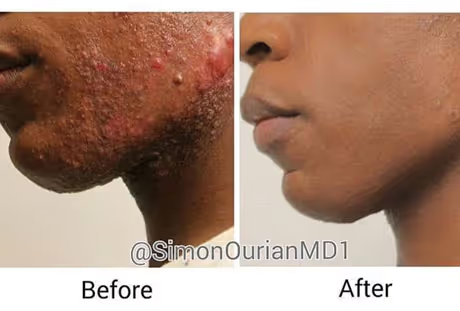
Acne marks are areas with discoloration that remain after acne blemishes have healed. They are typically red or brown in color and tend to fade over time.On the other hand, acne scars result from changes in the skin’s texture due to collagen damage during the healing process. These scars often appear indented.
How Can You Address Acne and Its Scarring?
To address acne it is crucial to maintain a skincare routine and consider topical treatments or seek guidance from a dermatology doctor. When dealing with scars removal options such as laser therapy, chemical peels, or microneedling can be beneficial under the guidance of a professiona’s expertise.
What advice do experts give for treating acne and acne scars?
Dermatologists commonly suggest using treatments, taking medications, and undergoing in office procedures like laser therapy, chemical peels, or microneedling to address both acne and acne scars.In summary, having an understanding of the distinctions between acne marks and scars empowers individuals to make informed choices regarding their journey. By recognizing these differences and exploring treatments, individuals can strive for healthier skin while boosting their confidence. It's important to remember that you possess the knowledge and resources to present your face to the world.If you believe that professional acne and acne scars or marks treatments are for you, then schedule your consultation appointment with us: click here.
Is Acne Seasonal?
Skin concerns are prominent among people of all age, sizes, and looks. Keeping up with skincare routines can certainly be a task, and it isn’t uncommon to suffer from acne and other irritating conditions.Many patients fear acne due to the appearance it can give the skin; the red spots and blotches can take a hit to someone’s self-confidence depending on its severity. At Epione, we understand how serious skin concerns can be. And when it comes to acne, we want to provide the most accurate and up-to-date information possible to help you gain control over your skin and your looks. Our friendly staff has done some research to answer a common question: Is acne seasonal? To learn more about acne treatment in Los Angeles, contact Dr. Ourian™ today.
What is Seasonal Acne?
Seasonal acne is defined as a type of acne that can improve or worsen during certain seasons in a very regular pattern. Most types of seasonal acne are so accurate that they can often be marked on a calendar; the second a certain season begins, the acne will either get better or worse.The changing months can often bring about a surprising and annoying round of acne for anyone dealing with skin problems. While seasonal acne is most likely to affect teenagers, any person can be seen with this condition. While seasonal acne can be unpredictable, and can appear for no apparent reason, there are other contributing factors which may influence the likelihood to contract seasonal acne.
What Factors Can Influence Seasonal Acne?
Seasonal acne, which can affect someone in the winter, summer, or fall seasons, can come about for a variety of reasons. While it’s genetic for some, it could be due to a variety of environmental factors for others.Some of the reasons why seasonal acne may occur:● Lack of sleep● Stress● Lack of daily hygiene routine● Buildup of dry skin● Dryness due to central heating units in the home● New products applied to the skin or hair● The wearing of too many scarves and hatsWearing certain clothing or products can cause the skin to become much more oily than usual, which is usually a catalyst for seasonal acne to occur. Seasonal acne can affect someone who is stressed, or whose skin is undergoing unfamiliar changes in certain environmental conditions.
How Can Seasonal Acne be Treated?
When you experience acne flare-ups, there are a variety of things you can do to treat this acne. Depending on how severe the acne is, and what caused it in the first place, there are steps you can take that will treat the skin and allow the acne to subside.You can opt for gentle cleansers and exfoliating products to help your skin rid itself of the oil and dirt that gets trapped in the pores. That way, not only can you treat existing acne, but you can prevent acne from building up altogether.Make sure to wash your face with warm, soapy water more often. You can do this in the shower or sink, and it only takes a few minutes. You’ll instantly feel better with a refreshing wash, and your skin will be free from the threat of blemishes or breakouts.
Acne Treatment in Los Angeles
At Epione, we are passionate about helping you treat your skin the right way. If you have serious seasonal acne breakouts, and you aren’t sure what the best method is of getting rid of it, you can contact one of our professional staff members to schedule a consultation right away. Acne can be an irritating and painful condition that leaves blemishes on the skin and a look that is less than desirable. To get your skincare treatments started as quickly as possible, feel free to contact us online or give us a call at (310) 651-6267 to speak with a representative!
What are the Worst Foods for Acne?

You remember the rumors going around the halls of your high school:“Eating pizza will give you a pizza face!”“Chocolate will only give you pimples…”“French Fries are the worst for your skin!”Well, it turns out there is a nugget of truth in these myths. You may be taken aback by the foods that made our list of the worst choices for acne. They include dairy, nuts, and – surprise! – sushi. We also included a bonus list of some little-known acne healing foods at the end of the article.For more information on acne scar removal in Los Angeles and which cosmetic procedures can benefit you, Contact Epione in Beverly Hills today.
Worst Foods for Acne
Chocolate
Until just recently, the idea that chocolate causes acne was considered a simple myth among scientists. However, in 2013 a small study from the Netherlands was published connecting chocolate to skin changes resulting in acne. As it turns out, eating chocolate causes inflammation. Plus, chocolate lowers the body’s defenses against microorganisms, so bacteria can infect pimples and worsen them.
Pizza
Here is another rumor that has been proven true. Eating simple carbohydrates causes acne. These are high-glycemic foods that cause spikes in your blood sugar, because the sugars are quickly digested and then dumped into your bloodstream all at once. The resulting high blood sugar causes hormonal changes and inflammation that leads to acne.
French Fries
Yes, this one is true as well. When you eat greasy, high fat foods like French fries, the foods travel down the digestive system to be broken down and used for energy. But high-in-saturated-fat fries can lead to hormonal reactions which cause acne.
Sushi
We’ve already established that high glycemic foods can contribute to acne breakouts. This is because they encourage an inflammatory response, in turn triggering the release of acne-promoting hormones. Well, did you know that there is a glycemic index that rates foods according to their effect on your blood sugar? There is, and a rating of 20 and above is considered a high-glycemic food. On this scale, sushi rice receives a 17 (which is pretty high.) So, if you are eating sushi regularly, as many of us do, you might want to consider cutting back.
Nuts
Nuts are high in protein and fat, which makes them difficult to digest. If these fats and proteins don’t properly digest, the immune system may create antibodies that inflame sebaceous glands and cause pimples.
Dairy
There is no definite link between dairy and acne, but there are theories about it. One theory is that milk contains components related to the hormone testosterone, which may stimulate oil glands in the skin, setting the stage for acne. Something to consider is that distinct kinds of dairy may affect your skin in different ways. If you find that cow’s milk causes breakouts, try yogurt or kefir. Or, you can switch to an alternative milk like goat’s milk or any number of nut milks widely available today. If cheese is a problem, try a vegan variety!
Spicy Foods
In regions where the people consume a lot of spicy foods, like South Asia and Latin America, it is a common conception that eating spicy causes acne. But is it true? Well, yes. Spicy foods often contain tomatoes and peppers, which contain acidic lycopene that can be an irritant to some people, throwing off their skin's pH levels and triggering breakouts.
What Helps Acne
A healthy, well-rounded diet and steady exercise routine will do wonders for your skin. But there are some little-known foods that are especially great if you want a pimple-free, healthy glow.
Fatty Fish
Salmon, Sardines, and Tuna all feed your body Omega-3s. They allow your skin to build new, healthy cells, making it look better. Don’t like fish? Take a fish oil pill daily. A 2012 study showed that taking fish oil helped improve the complexions of people with moderate to severe acne by controlling inflammation.
Probiotic Rich Foods
The most commonly known sources of probiotics are yogurt or kefir, but there are many non-dairy alternatives. Have you ever considered sauerkraut, miso, kimchi, or tempeh? These are all great sources of the beneficial bacteria. Research in the Journal of the American Academy of Dermatology shows that consuming probiotics may stymie the release of inflammatory proteins and decrease sebum production, preventing plugged pores.
Spirulina
What’s that you say? Spirulina is blue-green algae that is super nutritious and high in Gamma-linolenic acid (GLA). GLA is an essential fatty acid with anti-inflammatory properties. That’s great news if you want to get rid of acne. You can find Spirulina at your local health food market. Add it to your morning smoothie, sprinkle it on your cereal, or mix it into a salad.
Acne Scar Removal in Beverly Hills
Dr. Simon Ourian™ at Epione Beverly Hills offers Acne Scar Removal, Microdermabrasion, and Laser Treatments for Acne Scars. To create the flawless skin you have always envisioned, come see Dr. Ourian™ today. Call 310.651.6267 to request a consultation.
A List of Things that May Cause Breakouts - Acne Treatment
Acne breakouts seem to occur at the most inappropriate times. Numerous factors may lead to this problem. Here is a look at eight things that can make a person break out. Contact Epione for your acne treatment options!
Big Plans
Planning for something exciting can cause acne to occur. Events like a vacation or a wedding may be happy times, but can be extremely stressful to plan. Stress causes the immune system to lose control and pimples to erupt. During a stressful time, it may help to take some ibuprofen, which calms inflammation.
Hair
Most people use a wide range of products on hair. These items can rub against the face and block skin pores. To prevent breakouts, it will be wise to clean the forehead with salicylic acid.
Water
Most people do not know that the water used to shower can actually lead to acne. Hard water does not properly rinse soap off of the skin. The residue may lead to pimples. To correct the problem, a person may need to purchase an inexpensive water softener.
Toothpaste
Pimples may occur on any part of the face. When a person is allergic to certain ingredients in toothpaste, perioral dermatitis can occur. Likely culprits will be fluoride and whitening additives. To avoid or correct the problem, it may be best to temporarily use toothpaste that is free of fluoride.
Coffee With Cream
Although there is no conclusive scientific research that has blamed dairy for acne breakouts, many people believe that the proteins and peptides in milk trigger pimples. To rule out dairy as a problem, it is best to avoid rich latte or creams and drink black coffee. After a few weeks, a person may notice a clearer face.
Husband/Boyfriend
When a man has stubble and kisses a woman, it can lead to great friction that causes her skin to become irritated and inflamed. A girl's skin can begin to break out. Another thing that may be to blame is the man's heavy aftershave. To solve the problem, a man should shave his face and stop applying cologne to the face. This will keep kissing more comfortable and less likely to cause pimples.
Birth Control
Even though most birth control pills can clear up acne, a change in hormones can cause breakouts. It may be wise to switch brands. A gynecologist will be able to help realign hormone levels and stop pimples.
Sun Exposure
The sun is known to dry up pimples. However, too much exposure can cause the skin to thicken. This can lead to blocked pores. To avoid this problem, it is always smart to apply an oil free sunscreen that contains UV protection.Breakouts can occur at any time. Instead of reaching for cosmetics to cover up the problem, it is better to get to thee root of the problem. The above things are just a few common reasons why a person may suffer bouts of acne.