






%201.avif)









Skin Lightening & Rejuvenation
.avif)

From birthmarks to skin damage, it is far from uncommon to have skin discolorations. But treating them is far easier than you might think. Epione is committed to letting nothing stand in the way between our patients and achieving the appearance that reveals their best self. Through skin lightening and skin rejuvenation in Beverly Hills, you can take that step yourself.
A Modern Way to Counter Uneven Skin Tone
Uneven pigmentation is one of the most common concerns Dr. Simon Ourian encounters, and one of the most emotionally charged. Whether the cause is sun exposure, hormonal shifts, post-inflammatory marks, or simply genetics, living with a complexion that feels inconsistent can affect confidence in ways that go far deeper than skin. Today's most advanced skin lightening treatment options make it possible to address these concerns with precision, comfort, and results that look entirely natural.
At Epione Beverly Hills, the approach to hyperpigmentation and skin tone correction is never one-size-fits-all. Dr. Ourian evaluates each patient's unique skin profile, pigmentation depth, and underlying causes before recommending a course of treatment. The goal is not to erase who you are, but to reveal a more even, luminous version of your skin.
Patients come to Epione from around the world seeking solutions they have not been able to find elsewhere. Some have tried topical creams for years without lasting results. Others are looking for cosmetic skin bleaching alternatives that are medically credible, non-toxic, and performed by a physician with a track record of exceptional outcomes. This is exactly the level of care Dr. Ourian and his team are built to deliver.
%201.avif)
How Does Dr. Ourian Perform Skin Lightening
Dr. Simon Ourian uses advanced laser technology as the foundation of his skin lightening protocols. Laser skin brightening works by targeting excess melanin in the skin with controlled pulses of light energy. The laser breaks down pigmented cells without damaging the surrounding tissue, allowing the body to gradually clear the discoloration while stimulating a healthier, more uniform complexion beneath.
For patients dealing with deeper or more widespread pigmentation concerns, Dr. Ourian may recommend a melanin reduction laser treatment combined with complementary modalities. These might include targeted topical protocols, antioxidant infusions, or adjunct energy-based therapies, all tailored to the individual's skin type and treatment goals. The combination approach consistently outperforms any single treatment used alone.
The team at Epione Beverly Hills is also experienced in addressing areas beyond the face. Laser full body skin lightening is available for patients seeking a more uniform tone across the neck, chest, arms, and other areas exposed to cumulative sun damage. Intimate skin lightening is offered in a private, dignified setting for patients who wish to address pigmentation in more sensitive areas of the body. Every service is performed with the same clinical rigor and discretion that defines the Epione standard.
%203.avif)
What Is a Treatment Session Like?
Arriving at Epione for a skin lightening appointment is a different experience than visiting a typical clinic. The environment is calm, private, and designed with the comfort of discerning patients in mind. A thorough consultation takes place before any device touches your skin, during which Dr. Ourian or a senior clinician reviews your skin history, discusses your goals, and explains the treatment plan in clear, practical terms.
The procedure itself is efficient and well-tolerated. Most patients describe the sensation during laser treatment as a light snapping feeling, brief and entirely manageable. A cooling system is used throughout to keep the skin comfortable and protect the surface layer. Depending on the area being treated and the degree of pigmentation present, a session typically lasts between thirty and sixty minutes.
Patients are welcome to ask questions throughout the process. The experts at Epione take transparency seriously, and no step is rushed or unexplained. For patients traveling from outside Beverly Hills or Los Angeles, scheduling is arranged thoughtfully to make the most of their time in the practice.
%201.avif)
Is There a Recovery?
One of the reasons so many patients choose Dr. Simon Ourian for evening skin complexion laser treatments is the minimal disruption to daily life that follows. In most cases, there is little to no true downtime. Some patients notice mild redness or a subtle darkening of the treated pigment in the days immediately following treatment, which is a normal part of the skin's response as it begins to clear the targeted cells.
Sun protection is essential during the healing period and beyond. Dr. Ourian provides detailed aftercare guidance tailored to each patient's skin type, including specific SPF recommendations and any short-term adjustments to skincare routines. Following these instructions carefully plays a significant role in the quality and longevity of results.
Patients traveling or returning to active professional lives are generally able to do so with minimal concern. The vast majority of those treated at the dark skin brightening clinic within Epione resume their normal routines within a day or two. For more intensive protocols addressing deeper or more extensive pigmentation, a slightly longer adjustment period may be advised, and this is always communicated honestly before treatment begins.

What Are Skin Lightening Results Like?
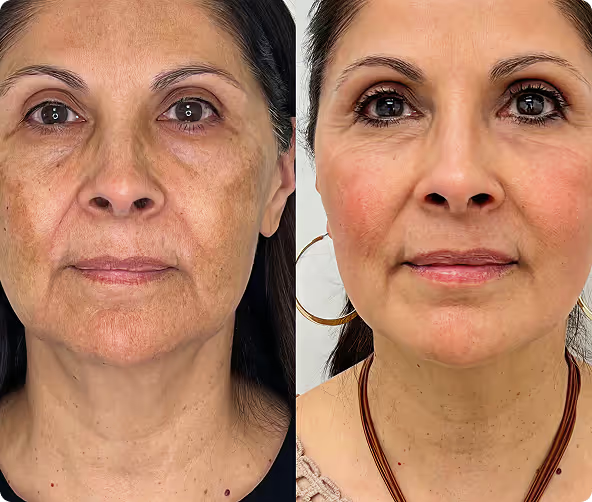
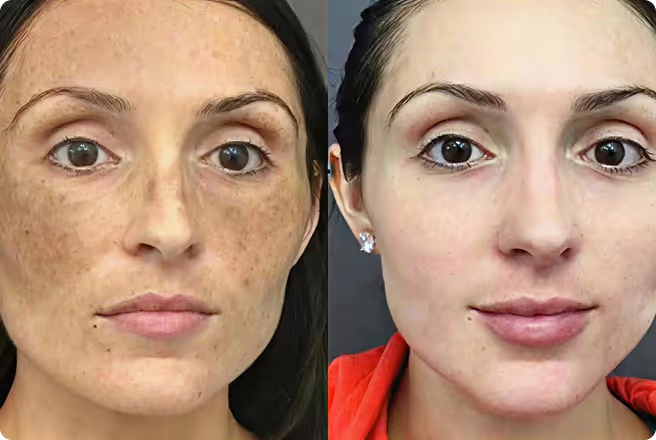
Results from a non-surgical skin whitening treatment at Epione are progressive and cumulative. Many patients notice an initial improvement after the first session, with the most significant changes becoming visible over the following two to four weeks as the skin clears and regenerates. A series of treatments spaced appropriately apart consistently produces the most complete and lasting outcomes.
The results Dr. Ourian achieves are defined by their subtlety and their quality. Skin appears more even, more radiant, and more youthful without looking altered or treated. Pigmented spots fade. Tone becomes more consistent. The complexion takes on a clarity that patients often describe as looking like the best version of their own skin.
Maintenance sessions can extend and protect results over time, and the team at Epione Beverly Hills works with each patient to build a long-term plan suited to their lifestyle and budget. Skin lightening is not a single appointment; it is an ongoing relationship between patient and physician, grounded in trust, expertise, and a shared commitment to lasting beauty. Schedule your consultation with Dr. Ourian today and take the first step toward the complexion you have always wanted.

"Dr. Simon Ourian is recognized as one of the world’s leading cosmetic dermatology doctors, known for his precise, natural approach to aesthetic medicine.
His work is defined by restraint, balance and unwavering commitment to safety, delivering results that enhance without appearing treated.”
The Californian
Benefits of Skin Lightening


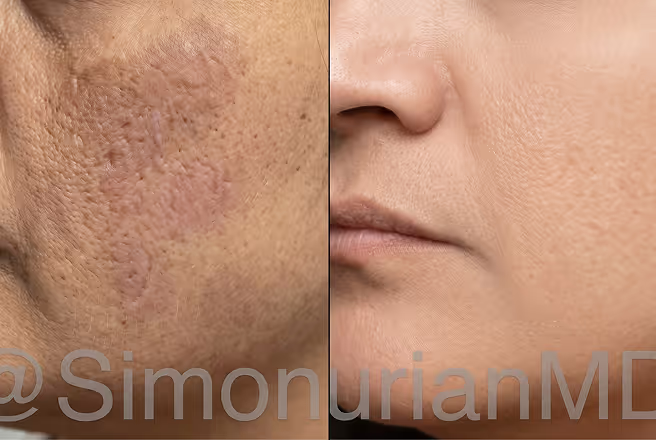
See the Results
We perform every treatment with precision and care to achieve the results you want. Achieve stunning results through proven treatments matched to your unique beauty.
Book Your Consultation
Non-surgical skin lightening can be your path toward restoring an even skin tone across your entire body. When hyperpigmentation occurs, call our office to set up a consultation with leading cosmetic specialist Dr. Simon Ourian at Epione in Beverly Hills. Dr. Ourian looks forward to doing his part in helping you achieve clear skin at any point in life.
Reflections from our patients
See how our personalized treatments have helped patients look refreshed and feel more confident.
Frequently Asked Questions
What actually happens during a skin lightening treatment at Epione Beverly Hills?
The process begins with a thorough skin analysis to identify the root cause of uneven tone, whether that is sun damage, melasma, post-inflammatory marks, or natural melanin concentration. Dr. Simon Ourian then designs a protocol using advanced laser technology that targets excess pigmentation at the cellular level, breaking down melanin clusters without harming surrounding tissue. Most patients describe the sensation as mild warmth with minimal discomfort. The result is a progressively brighter, more even complexion that continues to improve in the days following each session.
How many sessions will I need to see a real difference in my skin tone?
Most patients notice visible improvement after just one or two sessions, though a complete course typically involves three to six treatments spaced several weeks apart. The exact number depends on the depth of discoloration, your natural skin tone, and the specific areas being addressed. Dr. Ourian tailors every treatment plan individually because no two patients present with the same pigmentation pattern or skin history.
Is laser skin brightening safe for deeper or darker skin tones?
This is one of the most important questions to ask, and the honest answer is that it depends entirely on the technology and the expertise of the provider. At Epione, the laser systems used for melanin reduction laser treatment are carefully selected and calibrated for patients across the full Fitzpatrick scale. Dr. Simon Ourian has treated thousands of patients with medium to deep skin tones, and precision settings are adjusted per session to maximize results while protecting the skin's integrity. Darker skin tones are absolutely welcome here, and achieving a luminous result without compromising skin health is the standard, not the exception.
Can this treatment address hyperpigmentation and skin tone correction across the entire body?
Yes. Laser full body skin lightening is one of the more transformative services available at Epione Beverly Hills, addressing everything from sun-damaged décolletage and uneven arms to discoloration along the inner thighs, knees, and elbows. Treatment areas are assessed individually because different body zones may require different energy levels and session frequencies. The goal is a cohesive, natural-looking result across every area you want addressed.
What about sensitive areas like the underarms or bikini line?
Intimate skin lightening is a service many patients want but hesitate to ask about, and that hesitation is completely unnecessary here. The team at Epione Beverly Hills approaches these areas with the same clinical precision and discretion applied to any other treatment. Specialized laser settings are used for delicate skin zones to minimize irritation while still delivering meaningful lightening. Patients consistently report that these areas respond very well, often requiring fewer sessions than larger body regions.
How does this compare to cosmetic skin bleaching alternatives like topical creams?
Topical products work on the surface and require months of consistent use to show modest results, and many contain ingredients that raise long-term safety concerns with extended use. Laser treatments work at a deeper level, targeting the melanocytes responsible for overproduction of pigment rather than simply masking discoloration. The results achieved through an evening skin complexion laser protocol at Epione are more precise, more durable, and free from the risks associated with daily chemical application. For patients who have spent years cycling through creams with inconsistent outcomes, the difference is often dramatic.
Is there any downtime after a non-surgical skin whitening treatment?
Downtime is minimal for most patients. Some mild redness or slight sensitivity in the treated area is normal for 24 to 48 hours, and sun avoidance along with a simple post-care routine is recommended. Because the approach at Epione is non-surgical, there are no incisions, no bandaging, and no recovery period that would interrupt your schedule. Most patients return to normal activity the same day.
What should I look for when choosing a dark skin brightening clinic for this kind of treatment?
The two factors that matter most are the quality of the technology and the depth of the physician's experience with diverse skin types. Laser settings that are not properly calibrated for your specific tone can cause more harm than good, which is why provider expertise is non-negotiable. Dr. Ourian brings decades of experience, a globally recognized reputation in cosmetic dermatology, and a commitment to individualized care that goes well beyond a one-size-fits-all protocol. Choosing a practice like Epione Beverly Hills means your results are guided by someone who has refined this work at the highest level.