







%201.avif)






Nuestro blog
Solicita una cita

modelo
¡Gracias! ¡Su presentación ha sido recibida!
¡Uy! Algo salió mal al enviar el formulario.
Secretos No Quirúrgicos para la Corrección de Pezones
Las estadísticas de la Sociedad Americana de Cirugía Plástica Estética (ASAPS) indican que el aumento de senos fue el procedimiento quirúrgico cosmético número uno realizado en mujeres en 2007 y la reducción de senos ocupó el quinto lugar en esa lista. Cerca de 400,000 procedimientos de aumento de senos se realizaron en 2007 y más de 150,000 procedimientos de reducción de senos. Estas cifras indican claramente que muchas mujeres tienen inquietudes con el tamaño y la forma de sus senos y están dispuestas a someterse a cirugía para abordarlas. Aunque no se discute con frecuencia, es lógico pensar que las mujeres que optan por estas cirugías también están preocupadas por la forma, el tamaño y la ubicación de la areola. La areola es el área pigmentada de piel que rodea el pezón. Existen procedimientos quirúrgicos disponibles para agrandar o reducir la areola y estos se realizan frecuentemente en conjunto con las cirugías de aumento o reducción de senos. Ahora hay opciones nuevas y creativas no quirúrgicas disponibles para mujeres que no están satisfechas con la forma o el tamaño de sus pezones. Es importante para muchas mujeres que sus areolas y pezones luzcan simétricos, que no sean desproporcionados o desiguales en tamaño. Radiesse es un relleno de arrugas que puede inyectarse para crear un pezón más grande, mejorando su tamaño y forma. Radiesse (anteriormente conocido como Radiance) es un relleno aprobado por la FDA para la corrección de líneas y arrugas faciales como los pliegues nasolabiales. Radiesse consiste en microesferas a base de calcio suspendidas en un gel a base de agua y se inyecta en la piel mediante un procedimiento simple y mínimamente invasivo que ofrece una mejora inmediata y visible, proporcionando resultados de larga duración. Radiesse puede inyectarse para crear un pezón más grande y para suavizar la textura del pezón, abordando cualquier asimetría y mejorando la apariencia general del seno. Radiesse también puede utilizarse para reducir la apariencia de cicatrices que fueron resultado de procedimientos quirúrgicos previos. Cuando se utiliza para tratar pliegues y arrugas faciales, Radiesse está indicado para durar un año o más. El aumento o corrección del pezón es un procedimiento que puede realizarse de forma ambulatoria y que toma solo unos momentos. Y, dado que no es quirúrgico, no presenta ninguno de los riesgos asociados con todos los procedimientos quirúrgicos.
leer más
October 12, 2009
Cambios y Más Cambios: Altibajos Emocionales Después de la Cirugía Plástica
La cirugía plástica no solo afectará su cuerpo, sino que también puede afectar su mente, y esto no necesariamente será algo positivo. La anticipación de la cirugía, aunque emocionante, también puede ser agotadora y estresante. Si está acostumbrado a ver su defecto particular todos los días, por mucho que no le haya gustado, su desaparición después de la cirugía plástica puede dejarlo decepcionado y triste. Además, los miembros de la familia pueden notar que el defecto ha desaparecido, y su vacilación para aprobar su decisión de eliminarlo puede hacerlo sentir incómodo. Por último, los moretones e hinchazón, así como el dolor general y la incomodidad, pueden aumentar su depresión.La depresión después de la cirugía no es nada nuevo. De hecho, los síntomas son similares a la depresión posparto. La desaprobación de otros, ya sea verbal o no verbal, puede hacerlo sentir enojado y solo. Las miradas prolongadas de extraños pueden hacer lo mismo. Del mismo modo, los resultados pueden sentirse positivos en lugar de negativos.Aquellos que son propensos a la depresión y la ansiedad, así como a los trastornos de personalidad, tienen más probabilidades de experimentar depresión posoperatoria. Muchos cirujanos plásticos brindan asesoramiento pre y posoperatorio para ayudar a sus pacientes a hacer la transición, sin importar cuán menor sea la cirugía.
Confianza en Uno Mismo
Aunque la cirugía plástica puede ayudar a mejorar la autoestima, debe tener una imagen positiva de sí mismo antes de someterse a cualquier procedimiento. Los candidatos ideales no creen que sus vidas cambiarán completamente para mejor después de la cirugía; piensan positivamente sobre sí mismos en general, y ven la cirugía plástica como una forma de eliminar un defecto o área problemática.
Grandes Expectativas
Tener expectativas realistas para su experiencia de cirugía plástica es crucial para tener una mentalidad positiva después. Recuerde, el objetivo de la cirugía plástica es mejorar un área específica de su cuerpo. No necesariamente cambiará su vida, aunque esto a menudo es un efecto secundario agradable.En un estudio realizado en 2005, la American Society of Plastic Surgeons señaló que el 75 por ciento de los encuestados afirmaron que eligieron el procedimiento para una mejora en la apariencia y un estilo de vida más activo. El mismo porcentaje sintió que tenían muchas más recompensas emocionales y psicológicas después del procedimiento. El 45 por ciento también señaló que se sentían más atractivos, y sintieron que se beneficiaron de ello.
Aspectos Importantes a Conocer
Asegúrese de discutir cuáles son sus expectativas con su médico. Esto lo ayudará a usted y a su médico a sintetizar su información, y evitará que desarrolle ideas poco realistas sobre su cirugía. Su médico también podrá discutir diferentes procedimientos con usted que pueden darle los resultados que desea. Es importante distinguir entre liposucción y una abdominoplastia, y su médico puede ayudarlo a hacer ese tipo de aclaración. Este tipo de comunicación puede ayudarlo a determinar exactamente qué tipo de cirugía necesita para obtener el aspecto deseado.Además, debe repasar su información médica con su médico. La cirugía estética puede ser tan pequeña como cortar una etiqueta cutánea o tan importante como un estiramiento facial; es de su interés darle a su médico tanta información como sea posible para que pueda hacer el mejor trabajo posible. Además, su médico puede necesitar conocer información importante que usted puede no considerar relevante. ¿Tiene apnea del sueño? ¿Sangra abundantemente? ¿Tiene antecedentes familiares de problemas de circulación? Responder estas preguntas puede no significar que esté descalificado para la cirugía, pero sus respuestas honestas muy bien podrían mantenerlo vivo en la mesa de operaciones.Los pacientes que pueden estar sujetos a grandes cambios emocionales serán evaluados por los cirujanos plásticos durante su primera consulta. Nuevamente, si muestra signos de esto, aún puede ser capaz de someterse a cirugía, pero también se le pueden dar algunas medidas de precaución para mantenerlo seguro.Para aquellos que son de alto riesgo, el cirujano puede recomendar asesoramiento antes de aceptar realizar la cirugía. Estos incluirían:
- Los pacientes que están pasando por un divorcio u otro estrés psicológico severo pueden no estar listos para la cirugía en ese momento,
- Los pacientes con un deseo de verse "perfectos" también pueden no estar listos.
- Los pacientes con problemas mentales necesitarán tener a su psicólogo y a su cirujano trabajando en equipo para calificar. Esto no solo consistirá en una evaluación de la estabilidad mental del paciente, sino también de cualquier medicamento tomado antes o después de la cirugía.
Estas precauciones pueden parecer consumir tiempo e innecesarias, pero como dice el refrán, "más vale prevenir que curar." Es mejor que el médico esté completamente preparado antes de entrar a cirugía que intentar rectificar una situación potencialmente mortal.
leer más
October 5, 2009
¿Qué son la Psoriasis, el Vitiligo y la Rosácea?
Psoriasis
Según los Institutos Nacionales de Salud, la psoriasis es una enfermedad cutánea crónica (de larga duración), no contagiosa, de descamación e inflamación que afecta a más del 3 por ciento de la población de Estados Unidos, o más de 5 millones de adultos. Existen cinco tipos de psoriasis, de los cuales la psoriasis en placas es la más común. Los síntomas típicos de la psoriasis en placas incluyen:
- Placas o lesiones de piel enrojecida que a menudo están cubiertas con escamas plateadas y sueltas. Las placas pueden causar picazón, dolor y a veces agrietarse y sangrar. La psoriasis es más común en las rodillas, codos, estómago, pies, manos y rostro
- Costras en el cuero cabelludo.
- Decoloración y pequeñas depresiones en las uñas de las manos y los pies. Las uñas también pueden desprenderse del lecho ungueal.
Existen diversas causas de la psoriasis, aunque se cree que alguna anomalía del sistema inmunológico es el principal culpable. Los episodios de psoriasis pueden desencadenarse por estrés y/o lesiones en la piel seca. La psoriasis también parece tener un componente genético, frecuentemente presente en familias aunque comúnmente saltándose una generación. El tratamiento para la psoriasis varía desde esteroides y ácido salicílico aplicados tópicamente; hasta fototerapia; hasta medicamentos sistémicos y biológicos para casos muy graves.
Vitíligo
Según los Institutos Nacionales de Salud, entre 1 y 2 millones de personas en Estados Unidos padecen este trastorno. La mitad de las personas que tienen vitíligo lo desarrollan antes de los 20 años; la mayoría lo desarrolla antes de cumplir 40 años. El trastorno afecta por igual a ambos sexos y todas las razas; sin embargo, es más notorio en personas con piel oscura. El vitíligo puede aparecer en la infancia. La aparición en adultos generalmente ocurre en hombres y mujeres al final de sus 30 años. El signo principal del vitíligo es una pérdida de pigmento que produce manchas blanco-lechosas o despigmentación en la piel. Esto ocurre cuando las células del cuerpo que producen melanina mueren o cesan la producción de melanina, resultando en manchas blancas que se agrandan lentamente en la piel. No existe una causa definitiva comprobada del vitíligo, aunque existen varias teorías. Algunos creen que es un trastorno del sistema inmunológico, aunque hay informes de desencadenantes de eventos únicos (estrés o quemadura solar, por ejemplo). También se cree que la mayor incidencia de vitíligo dentro de las familias indica un componente hereditario. No existe cura conocida para el vitíligo. El objetivo del tratamiento es detener o desacelerar la progresión de la pérdida de pigmento. A veces es posible intentar devolver algo de color a la piel. Las opciones de tratamiento incluyen esteroides aplicados tópicamente o tomados por vía oral y fotoquimioterapia. En casos extremos, la intervención quirúrgica puede ser una opción, incluyendo injertos de piel y trasplantes de melanocitos.
Rosácea
Los datos de los Institutos Nacionales de Salud indican que aproximadamente 14 millones de personas en Estados Unidos tienen rosácea. Esta enfermedad es más común en:
- Mujeres (especialmente durante la menopausia)
- Personas con piel clara
- Adultos entre 30 y 60 años.
Los signos de la rosácea incluyen enrojecimiento, pápulas e hinchazón en el rostro. Aunque a veces se confunde con acné adulto, los síntomas de la rosácea no incluyen puntos negros. La rosácea frecuentemente comienza como una tendencia a sonrojarse fácilmente y puede progresar a enrojecimiento persistente en el centro del rostro. Eventualmente esto puede extenderse a la frente, mejillas, nariz y mentón. En casos extremos, la nariz puede engrosarse para producir una condición llamada rinofima. No existe una causa conocida para la rosácea, aunque se han implicado factores ambientales, genéticos y vasculares. Se recomienda a quienes sufren de rosácea evitar cremas faciales a base de aceite y siempre protegerse del sol. También se recomienda mantener el rostro físicamente fresco evitando duchas, baños y habitaciones calientes.
Las opciones de tratamiento incluyen
- Antibióticos orales
- Tratamiento tópico como crema o gel de Metronidazol o cremas que contienen ácido azelaico
- Isotretinoína (Este medicamento tiene efectos secundarios graves y no es adecuado para todos.)
- Medicamentos para reducir el enrojecimiento
- Nutracéuticos que se dirigen al enrojecimiento facial, inflamación y rubor
- Agentes antiinflamatorios
- Agentes antiinflamatorios no esteroides orales
- Los láseres pueden usarse para reducir la apariencia de los vasos sanguíneos
leer más
September 8, 2009
Tratamientos para la Celulitis
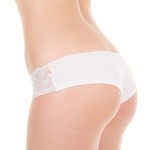
La celulitis es la aparición de pequeñas bolsas de grasa en los muslos, abdomen y glúteos del 90 por ciento de las mujeres postadolescentes. Este hoyuelo irregular es causa de angustia para muchas y puede ocurrir en mujeres de todos los tamaños y formas.
La Conexión Hormonal
La celulitis tiende a desarrollarse principalmente en mujeres que experimentan un cambio hormonal. La pubertad, el embarazo y la menopausia son ejemplos de esto. Las hormonas controlan el tejido linfático, el flujo sanguíneo, el almacenamiento de grasa y la acumulación de tejido conectivo, todos factores de la celulitis. Muchos cambios diferentes pueden ocurrir en la capa de grasa con el tiempo, lo que puede resultar en celulitis. Y, a medida que pasa el tiempo, su apariencia puede empeorar. Un estilo de vida saludable puede ayudar a aliviar este problema y también existen otros tratamientos disponibles.
Los tratamientos para la celulitis se enfocan en su apariencia, no en su eliminación. Además, la celulitis puede continuar desarrollándose a lo largo de nuestras vidas, por lo que ningún tratamiento puede realmente deshacerse de ella. Sin embargo, la apariencia de la celulitis puede mejorarse promoviendo el drenaje de los ganglios linfáticos, reafirmando la piel y mejorando el tono de la piel. Un enfoque holístico es la mejor manera de tratar este problema antiestético.
Tratamientos Populares para la Celulitis
La endermología es un tratamiento aprobado por la FDA para la reducción de la celulitis. La endermología utiliza un conjunto de rodillos y succión regulada para masajear la celulitis. El masaje estimula el flujo sanguíneo y el crecimiento del tejido conectivo, eliminando así la celulitis. Este procedimiento es no invasivo y no quirúrgico. También puede usarse para la tonificación de la piel.
OptiLipo es otro tratamiento que involucra pequeñas inyecciones directamente en la celulitis para disolverla. El cuerpo luego elimina la grasa con otros desechos. OptiLipo puede usarse en cualquier sección del cuerpo que contenga celulitis o depósitos de grasa más pequeños, como la papada o los rollitos.
Ultralipo es otro tratamiento avanzado para la celulitis. Combina la Terapia Acústica Transdérmica (TAT) y mesoterapia. El tratamiento TAT utiliza ondas sónicas para romper el colágeno y liberar la piel, suavizando la textura. La mesoterapia luego descompone el tejido graso para que el cuerpo pueda deshacerse de él. Los pacientes pueden comenzar a ver resultados poco después de su último tratamiento, el cual puede variar dependiendo del paciente.
El masaje en sí mismo es excelente para aumentar la circulación y drenar los ganglios linfáticos. También puede aliviar los espasmos musculares y eliminar la acumulación de tejido. Las envolturas corporales pueden causar pérdida temporal de líquidos debido a la compresión y el masaje. Pueden utilizar materiales como aloe, algas marinas o barro. Desafortunadamente, los masajes por sí solos no disminuirán la celulitis.
Los estimuladores eléctricos musculares como las unidades TENS ocasionalmente se han usado para tratar la celulitis. Los estimuladores utilizan una corriente directa para romper el tejido cicatricial debajo de la piel, así como las células de grasa y las bolsas de líquido. Los pacientes deben ser conscientes, sin embargo, de que la FDA no considera este tipo de tratamiento efectivo para la celulitis.
La liposucción se ha utilizado para tratar depósitos de grasa y celulitis, pero el enfoque está en las áreas de grasa, no en la celulitis en sí. A menudo, esta distinción puede perderse. De hecho, cuando se elimina una gran cantidad de grasa de un área que también contiene celulitis, puede hacer que la celulitis se vea peor de lo que se veía antes de la cirugía.
Los ácidos alfa-hidroxi y otras cremas y geles pueden ayudar a acelerar el proceso de exfoliación, lo que puede ayudar con el crecimiento de piel nueva y firme. Estos tampoco están aprobados por la FDA para la eliminación de la celulitis.
Perder peso puede ayudar a reducir el tamaño de las células de grasa, lo que eliminará los hoyuelos. Aunque la dieta y el ejercicio pueden ayudar a reducir la apariencia de la celulitis, nunca pueden eliminarla por completo. Sin embargo, puede hacer que otros tratamientos sean más efectivos.
leer más
September 1, 2009
No Más Lágrimas: Las Propiedades de Relleno Dérmico y Alivio del Dolor de Hydrelle
Anika Therapeutics, bien conocida por su investigación en productos de ácido hialurónico, ha creado un relleno, Hydrelle como su última entrada al mercado. Este relleno es de ácido hialurónico; puede utilizarse para rellenar arrugas faciales. En particular, Hydrelle funciona mejor en los pliegues nasolabiales, o líneas de expresión. Según la compañía, una inyección de Hydrelle es aproximadamente la mitad del tamaño de una inyección de relleno normal. Los efectos secundarios siguen siendo los mismos: inflamación, enrojecimiento, sensibilidad y moretones. Sin embargo, este es el primer relleno que contiene lidocaína, un anestésico. Como resultado, un paciente que elige Hydrelle tendrá menos inyecciones y menos dolor durante el proceso. Esto permitirá que el proceso en sí se complete más rápido, y el tiempo de recuperación del paciente mejorará. Los médicos también disfrutarán del beneficio de tener un analgésico incluido automáticamente en el medicamento, lo que les ahorra el paso de tener que adormecer al paciente primero. Los pacientes interesados en este tratamiento deben hacer una cita para hablar con sus médicos lo antes posible.
leer más
July 27, 2009
Coolaser el Nuevo Estiramiento Facial
Al mirarse en el espejo, la mayoría de las personas dirigen inmediatamente su mirada hacia las imperfecciones de su rostro. Esto puede ser una fuente constante de inseguridad. Si bien las arrugas pueden darnos carácter, también pueden enfatizar negativamente nuestra edad. Coolaser es un método no quirúrgico para detener la apariencia del proceso de envejecimiento. El tratamiento es relativamente rápido y sencillo, especialmente en comparación con un lifting facial quirúrgico tradicional, resultando en una piel más saludable y suave.
Doctor Simon Ourian™, Director Médico de Epione Beverly Hills, fue pionero en el desarrollo del Coolaser. "No estaba satisfecho con las otras modalidades láser que estaban disponibles," dice Doctor Ourian™, "así que me propuse crear un proceso de tratamiento que me diera la precisión que necesitaba." Coolaser utiliza una luz láser que es absorbida por el agua en las células de su piel. La absorción a su vez causa la vaporización instantánea o destrucción de la célula. Mientras Doctor Ourian™ pasa la luz láser sobre su piel, se remueve apenas 30 millonésimas de pulgada de tejido a la vez. Este increíble control permite a Doctor Ourian™ tratar solo tan profundamente como sea necesario, desde eliminar arrugas hasta simplemente refrescar la apariencia general de su piel. Después de que se remueve la piel dañada, la piel nueva crecerá rápidamente en su lugar.
Debe evitar tomar el sol o broncearse hasta dos meses antes de su tratamiento. Si tiene herpes labial, también puede querer discutir esto con Doctor Ourian™; este tratamiento puede causar estrés en su piel y desencadenar un brote. "En esta situación puedo prescribir un curso profiláctico de un medicamento antiviral como Valtrex o Zovirax," dice Doctor Ourian™.
El procedimiento Coolaser es simple:
- Visite la clínica de Doctor Ourian™ para una consulta inicial. Allí discutirá sus expectativas, así como su historial médico.
- Después de esto, hará otra cita para el tratamiento.
- Luego, después de seguir las instrucciones previas al tratamiento que se le dieron, irá al consultorio el día señalado y el personal lo preparará limpiando y adormeciendo su rostro.
- Todo el proceso tomará entre 30 minutos y dos horas, dependiendo de la extensión del tratamiento.
Después de su tratamiento, puede experimentar algo de inflamación. Las compresas frías ayudarán con esto. Su piel puede estar sensible, pero absténgase de rascar cualquier costra o corre el riesgo de cicatrices. Y continúe evitando el calor excesivo, como tomar el sol o las camas bronceadoras. Se recomienda acetaminofén para el dolor. Por último, pero no menos importante, absténgase temporalmente de actividad extenuante y mantenga su piel hidratada para fomentar una cicatrización uniforme. El costo de cada tratamiento puede variar dependiendo del área que se esté tratando.
Los beneficios de la resurfactación cutánea con láser son obvios—sin cortes, sangrado mínimo o nulo, uniforma la pigmentación de la piel, elimina o reduce las arrugas, reduce las cicatrices y cicatrices de acné y elimina la decoloración. Los resultados de la resurfactación cutánea con láser son duraderos. Las líneas menores y las imperfecciones desaparecerán, dejándolo con una nueva perspectiva sobre su apariencia. Como con otros procedimientos sutiles, seguirá viéndose como usted, solo que mejor.
leer más
July 10, 2009
La piel está protegida con el cuidado de la piel de Epione y protector solar
Los Productos de Cuidado de la Piel Epione, incluido el Corrector de Amplio Espectro SPF 30+ de Epione, desarrollados por el Doctor Simon Ourian™, Director Médico de Epione Beverly Hills, son una "solución real" para el daño solar, el "desafío número uno" de los pacientes.

Ahora los pacientes pueden proteger su piel con productos de cuidado de la piel y protector solar desarrollados por el Dr. Simon Ourian™ de Epione Beverly Hills. Una de las cosas más importantes que las mujeres y los hombres pueden hacer por su piel es protegerla de los rayos dañinos del sol. El protector solar es una formulación que bloquea la radiación UVA y UVB del sol. Una parte importante de mantener la piel con aspecto saludable y juvenil, particularmente a medida que una persona envejece, es el cuidado de la piel de calidad. El Dr. Simon Ourian™, Director Médico de Epione Beverly Hills, comprende la importancia del cuidado efectivo de la piel para obtener resultados duraderos. Insatisfecho con la calidad de los protectores solares ofrecidos en farmacias y tiendas departamentales, el Dr. Ourian™ creó sus propias fórmulas en envases simples. Más tarde, debido a la demanda de sus pacientes que eligieron sus productos sobre otros productos conocidos nacional e internacionalmente, formuló aún más, con la ayuda de un laboratorio, sus cremas especiales y luego las produjo en envases profesionales. Dice el Dr. Ourian™, "Estaba buscando una solución real para el desafío número uno de mis pacientes: el daño solar. Destruye el colágeno y el tono de la piel, causa arrugas y decoloración y generalmente hace que las personas se vean más viejas. Es la razón subyacente por la que la mayoría de mis pacientes vienen a verme, ya sea que sean conscientes de ello o no." Hoy en día, tanto pacientes como no pacientes de Epione Beverly Hills tienen acceso a los productos de cuidado de la piel y protector solar de Epione. Dos productos muy codiciados creados por el Dr. Simon Ourian™ son la Crema Reafirmante y Lifting de Restauración Serie Signature de Epione y el Corrector de Amplio Espectro SPF 30+ de Epione. La Protección Solar de Espectro Completo de Epione es un protector solar altamente efectivo que contiene protección tanto UVB como UVA. Cuando se usan en combinación, la Crema Reafirmante y Atenuante de Restauración Serie Signature de Epione y la Protección Solar de Espectro Completo de Epione pueden mantener su piel con aspecto juvenil y protegerla de los rayos dañinos del sol durante muchos años. El Dr. Ourian™ recomienda aplicar la Crema Reafirmante y Atenuante de Restauración Serie Signature de Epione junto con la Protección Solar de Espectro Completo de Epione por la mañana y solo la Crema Reafirmante y Atenuante de Restauración Serie Signature de Epione cada noche. Con este régimen diario de cuidado de la piel que incorpora productos diseñados para la protección de su piel, el Dr. Ourian™ cree que tiene una defensa ideal contra el daño solar.
leer más
June 16, 2009
Aumento de Senos con Implantes Macrolane Disponible Pronto en EE. UU.
Un procedimiento revolucionario para el aumento de senos, Macrolane, que antes solo estaba disponible en países fuera de América, pronto estará disponible en los Estados Unidos. Un importante desarrollo en el arte del aumento de senos estará disponible en los Estados Unidos — Macrolane. Las pacientes pronto podrán experimentar los beneficios de este procedimiento que Dr. Simon Ourian™ planea ofrecer en Epione Beverly Hills. Senos firmes y llenos que no caen son la admiración de muchas. Las mujeres que se enorgullecían de tener senos atractivos cuando eran más jóvenes, a menudo experimentan un cambio en sus senos debido al envejecimiento, la lactancia, la pérdida de peso y más. Algunas mujeres que nacieron con senos pequeños desean senos más grandes que llenen mejor su ropa. Además, las mujeres que han experimentado problemas de salud, como aquellas que han tenido una mastectomía, buscan opciones. Para corregir estos problemas, el aumento de senos ha sido la elección de muchas mujeres. En los Estados Unidos, las dos opciones de implantes para aumento de senos son los implantes rellenos de solución salina y los implantes rellenos de gel de silicona. Sin embargo, existe un producto que está disponible fuera de los Estados Unidos en países como el Reino Unido, Italia, Singapur y otros. Ese producto se llama Macrolane. Macrolane actualmente no está disponible en los Estados Unidos. Sin embargo, este producto llegará pronto a América, pendiente de la aprobación de la Administración de Alimentos y Medicamentos (FDA). Macrolane es un tratamiento revolucionario no quirúrgico para el realce de senos. Consistiendo en inyecciones, el procedimiento es rápido, no invasivo y puede durar hasta un año. Representa una opción real para aquellas mujeres que han evitado el aumento de senos debido a la cirugía y los riesgos involucrados. Macrolane es el primer producto a base de ácido hialurónico utilizado para el modelado corporal. Las pacientes que se someten a un procedimiento Macrolane no experimentan hospitalización nocturna por cirugía y pueden regresar a su trabajo regular y otras actividades en un corto período de tiempo. Un aumento de senos con Macrolane ofrece una solución potencialmente más segura que la cirugía y no parece interferir con las pruebas de mamografía. Macrolane también se está utilizando para tratar otras áreas del cuerpo. Según el sitio web de Macrolane del Reino Unido: Macrolane es un producto para la restauración de volumen y el contorneado de superficies corporales. Las áreas más comunes para las cuales se está utilizando actualmente Macrolane incluyen:
- Senos
- Concavidades post liposucción
- Pantorrillas
- Glúteos
- Revisión de cicatrices
- Pecho masculino (pectorales)
Epione Medical Corporation de Dr. Ourian™, ubicada en el Triángulo Dorado de Beverly Hills, se encuentra entre los centros de láser y cirugía estética más completos y de última generación. Dr. Ourian™ ha sido pionero en tecnología láser y procedimientos estéticos no invasivos incluyendo Restylane, Botox, Juvéderm, Radiesse y Sculptra. Estos tratamientos se utilizan para la corrección o reversión de una variedad de condiciones como acné, cicatrices de acné, eliminación de cicatrices de acné, decoloración de la piel, aumento de labios, arrugas, estrías, venas varicosas, celulitis y decenas de otras. También se ofrece depilación láser y eliminación de tatuajes con láser. Epione también ofrece los productos de cuidado de la piel Signature Series de Dr. Ourian™. Para más información, comuníquese al 310-271-6506.
leer más
June 16, 2009
¡Lo Último en Rellenos este Verano!
Perlane, el último relleno de Europa
Perlane, parte de la familia Restylane, fue aprobado por la FDA en mayo de 2007 y acaba de salir al mercado. En Epione nos complace estar entre los primeros consultorios en ofrecer Perlane a nuestros pacientes. La diferencia entre Restylane y Perlane es que las partículas de gel de ácido hialurónico en Perlane son más grandes que las que se encuentran en Restylane. Esto significa que obtendrá un mejor contorneo y volumen adicional para esas arrugas y pliegues faciales más profundos y los labios. Los tratamientos con Perlane deberían durar aproximadamente seis meses.
Radiesse
Radiesse está compuesto de microesferas suaves a base de calcio suspendidas en un gel natural. El producto funciona para estimular la producción de colágeno de su propio cuerpo para una apariencia suave y natural. Después de una serie breve de tratamientos, Radiesse ha demostrado durar entre 3 y 7 años, lo que le otorga una ventaja seria sobre otros rellenos, que generalmente se desvanecen después de 6 a 9 meses.
Juvederm
Juvederm es un nuevo gel de ácido hialurónico. Los ácidos hialurónicos desempeñan un papel importante en la manera en que su piel se siente y funciona. A medida que envejece, el tejido de su piel se deshidrata y las fibras de colágeno y elastina pierden su estructura. Los geles de ácido hialurónico, como Juvederm, pueden ayudar a reemplazar temporalmente el ácido hialurónico perdido y restaurar el volumen de su piel y su apariencia suave y natural. Dura aproximadamente seis meses.
leer más
July 4, 2007
Implantes de mandíbula vs. Contorno de mandíbula no quirúrgico: Comparativa 2026
Respuesta Rápida: Los implantes de mandíbula son una solución quirúrgica permanente que cuesta entre $8,000 y $20,000 en Beverly Hills, requiere de 1 a 2 semanas de un tiempo de recuperación significativo y dura toda la vida. El contorno de mandíbula no quirúrgico con rellenos de alta densidad como Jawsome cuesta entre $3,000 y $6,000 por sesión, no tiene tiempo de inactividad y dura de 2 a 3 años por tratamiento. Los implantes son la opción adecuada para pacientes que desean un cambio permanente y drástico y aceptan el riesgo quirúrgico. La opción no quirúrgica es la adecuada para la mayoría de los pacientes que desean una mandíbula más definida con la flexibilidad de ajustarla con el tiempo.
Para los pacientes que investigan cómo definir su mandíbula, la decisión generalmente se reduce a una sola pregunta: ¿cirugía o no? La comparación entre implantes de mandíbula y rellenos es una de las preguntas más buscadas en estética facial, y con razón. Ambas opciones pueden producir una mandíbula más afilada y definida, pero implican compromisos muy diferentes en cuanto a dinero, tiempo y riesgo. Esta guía desglosa el costo real en Beverly Hills, la recuperación real para cada uno y cómo saber qué opción es la adecuada para ti.
Epione ha sido una clínica de Beverly Hills especializada en contorno facial no quirúrgico desde 1998. El Dr. Simon Ourian desarrolló Jawsome, un protocolo de relleno de alta densidad patentado diseñado para ofrecer resultados que duran significativamente más que los rellenos de mandíbula estándar. La comparación a continuación refleja cómo los pacientes en Los Ángeles realmente sopesan estas opciones cuando acuden a una consulta.
¿Cuál es la diferencia entre los implantes de mandíbula y el contorno de mandíbula no quirúrgico?
Los implantes de mandíbula y el contorno de mandíbula no quirúrgico logran un resultado visual similar (un tercio inferior del rostro más afilado y definido) a través de mecanismos muy diferentes.
Implantes de mandíbula son piezas sólidas de silicona de grado médico colocadas quirúrgicamente sobre el hueso de la mandíbula existente, de una oreja a la otra, y fijadas al hueso con tornillos de titanio. El procedimiento se realiza bajo anestesia general y dura aproximadamente dos horas. El implante es permanente, diseñado para durar toda la vida. La mayoría de los pacientes con implantes de mandíbula también consideran un implante de mentón al mismo tiempo, ya que el mentón y la mandíbula están estéticamente conectados.
Contorno de mandíbula no quirúrgico utiliza rellenos inyectables colocados a lo largo del hueso mandibular para crear el mismo ángulo definido sin cirugía. En Epione, este es el protocolo Jawsome, que utiliza rellenos estructurales de alta densidad con una colocación estratégica a lo largo de la mandíbula y el mentón para crear una sombra nítida y lineal. El procedimiento dura de 30 a 60 minutos en la consulta con anestesia tópica. Los resultados son inmediatos y los pacientes pueden retomar sus actividades normales el mismo día.
Los resultados visuales pueden ser notablemente similares a primera vista. Las compensaciones se presentan en las categorías en las que la mayoría de los pacientes no piensan hasta que están sentados en una consulta: costo a lo largo del tiempo, recuperación, reversibilidad y riesgo.
¿Cuánto cuestan los implantes de mandíbula frente al contorno no quirúrgico en 2026?
Los precios en Beverly Hills para ambos procedimientos son notablemente más altos que los promedios nacionales debido a la experiencia del médico, la tecnología y los gastos generales. Aquí están los rangos realistas para 2026 entre los principales proveedores de Beverly Hills.
Implantes de mandíbula (quirúrgicos):
- Costo total en Beverly Hills: $8,000 a $20,000
- Qué incluye: Honorarios del cirujano, tarifa de la instalación quirúrgica, anestesia general y anestesiólogo, los implantes en sí, citas de seguimiento
- Frecuencia: Única vez. Los implantes están diseñados para durar toda la vida.
- Seguro: No cubierto (procedimiento cosmético electivo)
Contorno de mandíbula no quirúrgico (Jawsome en Epione):
- Costo por tratamiento: De $3,000 a $6,000, dependiendo de la cantidad de producto utilizado y la complejidad.
- Qué incluye: Honorarios del médico, producto, anestesia tópica, seguimiento
- Frecuencia: Retoque cada 2 o 3 años con el protocolo Jawsome; los rellenos de mandíbula estándar suelen requerir retoques cada 12 a 18 meses.
- Seguro: No cubierto
En una sola transacción, el contorno no quirúrgico es drásticamente más barato. Lo interesante es lo que sucede con el tiempo.
En 10 años, ¿cuál cuesta realmente más?
Esta es la pregunta que la mayoría de los artículos comparativos evitan. La respuesta honesta sorprende a la mayoría de los pacientes.
Proyección de costos a 10 años para implantes de mandíbula: De $8,000 a $20,000 una sola vez, más cualquier tarifa de consulta para revisiones periódicas. Total en 10 años: aproximadamente de $8,500 a $21,000.
Proyección de costos a 10 años para Jawsome (protocolo de alta densidad de Epione): De $3,000 a $6,000 cada 2 o 3 años. En 10 años, eso son de 3 a 5 ciclos de tratamiento, o aproximadamente de $9,000 a $30,000.
Proyección de costos a 10 años para rellenos de mandíbula estándar: $2,000 a $4,000 cada 12 a 18 meses. En 10 años, eso son de 7 a 10 ciclos de tratamiento, o aproximadamente $14,000 a $40,000.
Desde una perspectiva puramente económica, los implantes de mandíbula pueden ser la opción más rentable a largo plazo. Esto es realmente así para los pacientes que tienen claro el aspecto que desean y están dispuestos a someterse a una cirugía para conseguirlo de forma permanente. Sin embargo, este cálculo no incluye tres aspectos importantes para la mayoría de los pacientes:
- Ajustabilidad: El relleno se puede añadir, quitar o refinar a medida que su rostro envejece o sus preferencias estéticas cambian. Los implantes son fijos.
- Reversibilidad: Los rellenos a base de ácido hialurónico se pueden disolver si no le gusta el resultado. Los implantes requieren una segunda cirugía para ser retirados o reemplazados.
- Riesgo de complicaciones: Cada ciclo de relleno conlleva un riesgo mínimo. Un único procedimiento quirúrgico conlleva el riesgo acumulativo de anestesia, infección, daño nervioso y desplazamiento del implante (más información a continuación).
Para pacientes de 30 y 40 años, la vía no quirúrgica suele tener más sentido, incluso cuando el cálculo a largo plazo favorece los implantes, porque las preferencias estéticas faciales suelen evolucionar a lo largo de las décadas. Para pacientes de 50 años o más que tienen claros sus objetivos, los implantes pueden ser la opción más rentable en términos de coste total.
¿Cuál es el tiempo de recuperación para los implantes de mandíbula frente al relleno de mandíbula?
La diferencia en el tiempo de recuperación entre estos dos procedimientos es el factor práctico más importante para la mayoría de los pacientes que trabajan. Planifique su calendario en consecuencia.
Recuperación de la cirugía de implante de mandíbula:
- Mismo día: Procedimiento ambulatorio, pero necesita que alguien le lleve a casa. La anestesia general requiere tiempo de recuperación.
- Días 1 a 7: Dolor leve a moderado, hinchazón y hematomas significativos, dieta solo de alimentos blandos o líquidos, régimen de enjuague bucal antibacteriano, cabeza elevada para dormir. La mayoría de los pacientes se toman de 5 a 7 días libres del trabajo.
- Semanas 2 a 4: La mayor parte de la hinchazón visible disminuye. Se reanuda la actividad ligera. El ejercicio extenuante sigue estando prohibido.
- Meses 2 a 6: La hinchazón residual sigue desapareciendo. El resultado final se hace visible.
- Hasta 9 meses: Asentamiento completo y resultado estético final.
Recuperación del contorno de mandíbula no quirúrgico:
- Mismo día: Entrar y salir. Posible enrojecimiento leve o pequeños hematomas puntuales en los puntos de inyección.
- Día 1 a 2: Cualquier hinchazón visible suele desaparecer. El maquillaje se puede aplicar de inmediato.
- Semana 1 a 2: Asentamiento final del relleno. La mayoría de los pacientes ven su resultado final a la 1-2 semana.
- Continuo: Sin restricciones para ejercicio, trabajo o actividad social. Una consulta un lunes por la mañana podría dejar a un paciente listo para un evento el viernes.
Para pacientes con una visibilidad social o profesional significativa (una categoría que incluye a muchos de los pacientes de Epione en Los Ángeles), el tiempo de inactividad de 5 a 7 días de la cirugía de implantes suele ser el factor decisivo por sí solo.
¿Quién es un mejor candidato para implantes de mandíbula frente a un contorno no quirúrgico?
Esta es la pregunta que los artículos de comparación de SERP existentes suelen pasar por alto. Aquí está el marco de decisión honesto.
Los implantes de mandíbula suelen ser la mejor opción cuando:
- El paciente tiene una deficiencia estructural significativa de la mandíbula (mandíbula realmente pequeña o retraída) en lugar de solo un ablandamiento de los tejidos blandos con la edad
- El paciente ha probado rellenos en el pasado y desea una solución más permanente
- El paciente está seguro de la estética que desea y es poco probable que quiera ajustes más adelante
- El paciente tiene más de 30 años (finales de los 30) o es mayor, con expectativas realistas sobre lo que la cirugía puede ofrecer
- El paciente está dispuesto a someterse a anestesia general y de 1 a 2 semanas de un tiempo de inactividad significativo
- El paciente entiende que la revisión o extracción requiere una segunda cirugía
El contorno de mandíbula no quirúrgico suele ser la mejor opción cuando:
- El paciente presenta pérdida de volumen de tejido blando relacionada con la edad a lo largo de la línea de la mandíbula, no una deficiencia ósea estructural
- El paciente tiene entre 20, 30 o 40 años y sus preferencias estéticas aún pueden evolucionar
- El paciente quiere "previsualizar" una línea de mandíbula más definida antes de comprometerse con la cirugía
- El paciente no puede aceptar un tiempo de inactividad prolongado por razones laborales, de estilo de vida o sociales
- El paciente valora la capacidad de ajustar, disolver o refinar los resultados con el tiempo
- El paciente prefiere una progresión gradual y natural en lugar de un único cambio drástico
- El paciente tiene afecciones médicas que elevan el riesgo quirúrgico
Algunos pacientes se decantan claramente por una opción u otra después de una sola consulta. Muchos pacientes en Beverly Hills comienzan con el contorno no quirúrgico como una estrategia a varios años, y un pequeño subconjunto finalmente transita a implantes si deciden que quieren una versión permanente del aspecto. Este es un enfoque legítimo y secuenciado, y una de las ventajas de empezar con opciones no quirúrgicas.
¿Cuáles son los riesgos de los implantes de mandíbula?
La cirugía de implantes de mandíbula se considera un procedimiento de riesgo relativamente bajo cuando la realiza un cirujano experimentado, pero sigue siendo una cirugía y conlleva riesgos reales que las alternativas basadas en rellenos no tienen. La descripción más autorizada de estos riesgos proviene de la guía quirúrgica de la Clínica Cleveland sobre implantes de mandíbula, que documenta las siguientes posibles complicaciones:
- Infección en el sitio quirúrgico, que puede requerir la extracción del implante y una segunda cirugía
- Daño nervioso y entumecimiento en el labio inferior, la barbilla o el área de la mandíbula, a veces permanente
- Desplazamiento del implante fuera de su posición con el tiempo, lo que requiere una cirugía de revisión
- Extrusión del implante (el implante atraviesa la piel) en casos raros
- Acumulación de tejido cicatricial causando una sensación de tirantez y anclaje alrededor del implante
- Reacción alérgica al material del implante, a los tornillos de titanio o a la anestesia
- Sangrado, hematomas y coágulos sanguíneos durante el período de recuperación
La mayoría de estas complicaciones ocurren en un pequeño porcentaje de casos cuando la cirugía es realizada por un cirujano plástico certificado y experimentado. Sin embargo, todo paciente que considere implantes de mandíbula debe entender que el beneficio "permanente" de los implantes conlleva una exposición a riesgos permanentes o semipermanentes. El contorno no quirúrgico no presenta ninguno de estos riesgos. Los riesgos de un relleno de mandíbula de alta calidad inyectado por un médico estético experimentado se limitan a hematomas temporales, hinchazón y raras complicaciones vasculares, todas las cuales se resuelven.
Para una comprensión más profunda de lo que implica antes, durante y después de la cirugía, la descripción general del aumento de mentón y mandíbula en La guía de Epione para el aumento de mentón detalla los caminos quirúrgicos y no quirúrgicos.
¿Cuánto duran los resultados no quirúrgicos de la línea de la mandíbula?
La diferencia en la longevidad entre las opciones no quirúrgicas es una de las principales razones por las que los pacientes de Beverly Hills buscan protocolos especializados en lugar de rellenos de mandíbula estándar.
Rellenos de ácido hialurónico estándar para la línea de la mandíbula: 12 a 18 meses antes de que sea necesario un retoque.
Protocolos bioestimuladores de alta densidad (como Jawsome en Epione): Los resultados suelen durar de 2 a 3 años o más por ciclo de tratamiento, debido a la colocación estructural más profunda y al uso de materiales que resisten la degradación metabólica natural del cuerpo.
Protocolos de combinación secuencial que combinan rellenos estructurales con mantenimiento periódico de tensado de la piel o bioestimulación pueden prolongar aún más el resultado visible, y muchos pacientes mantienen la definición de su línea de la mandíbula indefinidamente mediante pequeños retoques periódicos en lugar de ciclos completos de renovación.
También cabe destacar los factores de estilo de vida que afectan la longevidad. Los pacientes que mantienen un peso estable, protegen su piel del daño solar y evitan los masajes faciales intensos suelen ver resultados más duraderos que los pacientes con metabolismos altos, fluctuaciones significativas de peso o factores de estilo de vida agresivos que aceleran la degradación del relleno.
¿Qué camino es el adecuado para usted?
Ningún artículo puede darle una respuesta definitiva, pero una consulta estructurada sí debería hacerlo. Una buena consulta para la definición de la línea de la mandíbula debe incluir todo lo siguiente:
- Una evaluación anatómica para determinar si su preocupación es estructural (a nivel óseo) o de tejido blando (pérdida de volumen)
- Una discusión honesta sobre lo que cada enfoque ofrecerá y no ofrecerá para su anatomía específica
- Un desglose del costo total, incluyendo todas las tarifas, no solo el precio principal
- Un cronograma realista para la recuperación y los resultados finales en su caso específico
- Una conversación franca sobre los riesgos y qué sucedería si quisiera revertir o ajustar el resultado más adelante
- Una evaluación de si comenzar con un enfoque no quirúrgico y revisar la decisión en unos años tiene sentido para sus objetivos
Para la mayoría de los pacientes entre los 20 y los 40 años con preocupaciones principalmente relacionadas con los tejidos blandos, el camino no quirúrgico tiende a ser el punto de partida adecuado. Para los pacientes con preocupaciones estructurales que están seguros de sus objetivos y dispuestos a aceptar el riesgo quirúrgico, los implantes pueden ofrecer un resultado más permanente y, en última instancia, más económico. El error es elegir basándose en el camino en el que su proveedor se especializa, en lugar de aquel que realmente se adapta a su anatomía y objetivos.
¿Listo para discutir su línea de la mandíbula?
Epione ha sido el destino de Beverly Hills para el contorno de mandíbula no quirúrgico desde 1998. El Dr. Simon Ourian desarrolló el protocolo Jawsome específicamente para dar a los pacientes un resultado más duradero y estructural que los rellenos de mandíbula estándar. Cada consulta comienza con una evaluación honesta de si el enfoque no quirúrgico es el camino correcto para la anatomía y los objetivos específicos del paciente, incluyendo una discusión franca sobre cuándo la cirugía podría ser la mejor opción. Obtenga más información sobre el contorno de mandíbula no quirúrgico en Epione o programe una consulta para obtener una recomendación personalizada.
leer más