








%201.avif)









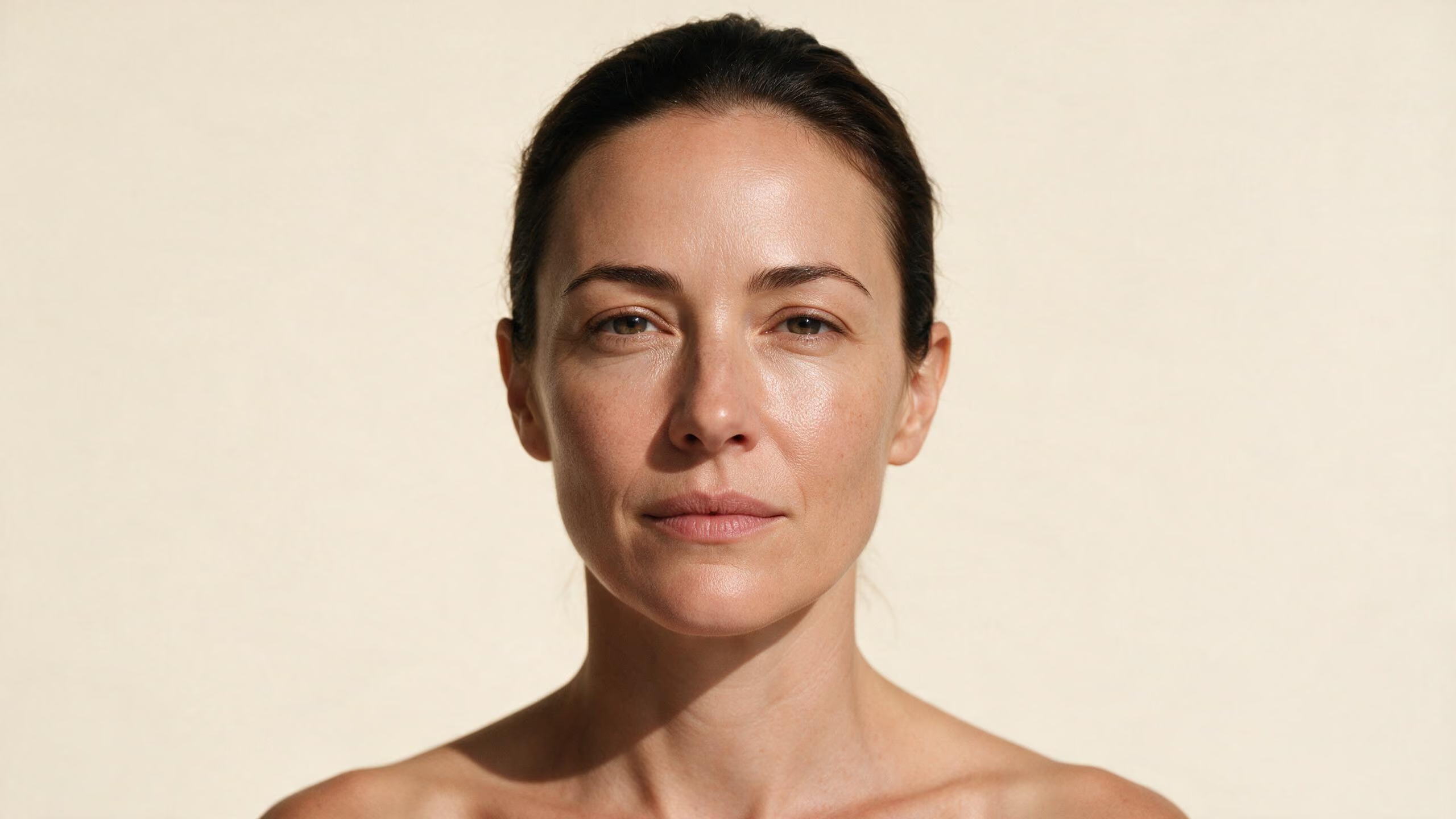
La piel oliva, clasificada técnicamente como Tipo IV de Fitzpatrick, presenta un conjunto único de desafíos y oportunidades en el mundo de la dermatología cosmética. Si bien este tipo de piel es naturalmente más resistente a las líneas finas y al daño solar que afectan a las pieles más claras, es significativamente más propensa a la hiperpigmentación y al tono desigual. Cuando la piel oliva se expone a láseres tradicionales de alta temperatura, los melanocitos, las células responsables del pigmento, pueden reaccionar de forma exagerada, lo que lleva a la aparición de manchas oscuras conocidas como hiperpigmentación postinflamatoria (HPI). Esto hace que la selección de la tecnología láser correcta y un protocolo de tratamiento conservador sean absolutamente esenciales para un resultado seguro y exitoso.
El objetivo para los pacientes con piel oliva es lograr una tez más clara y uniforme sin activar la respuesta pigmentaria defensiva del cuerpo. Esto requiere alejarse de los láseres de CO2 agresivos y completamente ablativos, que pueden crear un daño térmico excesivo. En cambio, la estética moderna favorece las tecnologías que utilizan pulsos de energía ultracortos o sistemas de enfriamiento avanzados para proteger la epidermis. Al centrarse en la energía "fría" o la entrega fraccionada, los médicos pueden descomponer eficazmente los depósitos de melanina persistentes mientras mantienen el tejido circundante calmado y estable.
En Epione, nos especializamos en el tratamiento de tonos de piel oliva y mediterráneos con un alto grado de precisión. Nuestra filosofía gira en torno a la mejora gradual y la protección de la piel, asegurando que la búsqueda de un brillo no resulte en una decoloración no deseada. Lograr la estética de "chica limpia" o simplemente un rostro más radiante requiere una profunda comprensión de cómo se comporta la piel rica en melanina bajo la luz. Con el enfoque correcto, el rejuvenecimiento con láser puede ser una herramienta transformadora que revele una versión más brillante, suave y de tono más uniforme de ti mismo.
Las ventajas del Coolaser para la piel oliva
El Coolaser a menudo se considera el estándar de oro para la piel oliva porque fue diseñado específicamente para superar las limitaciones de los dispositivos de rejuvenecimiento estándar. Los láseres tradicionales suelen generar una cantidad significativa de calor que permanece en la piel, lo cual es el principal desencadenante de la HPI en las complexiones Tipo IV. El Coolaser aborda esto utilizando un dispositivo de enfriamiento especializado que enfría el área de tratamiento inmediatamente antes y durante la aplicación de los pulsos de luz. Este control de temperatura asegura que la energía láser se dirija al pigmento y las imperfecciones sin sobrecalentar los melanocitos.
Esta tecnología es un láser de doble modo y alta definición que permite un control increíble sobre la profundidad del tratamiento. Debido a que la energía se entrega en columnas microscópicamente delgadas, la piel puede sanar mucho más rápido de lo que lo haría con láseres no fraccionados. Para los pacientes con piel oliva, esto significa que la ventana "vulnerable" donde la piel es más reactiva a la luz solar y al calor se acorta significativamente. El resultado es una textura más suave y una reducción de la hiperpigmentación con un perfil de seguridad que antes no estaba disponible para las complexiones más oscuras.
- Fase de preenfriamiento: Se aplica un dispositivo de enfriamiento especializado sobre la piel para reducir la temperatura de la superficie y proporcionar un efecto adormecedor.
- Aplicación de pulsos de luz: Se emiten destellos cortos y precisos de luz láser para vaporizar las células dañadas y descomponer la melanina concentrada.
- Estimulación de colágeno: La energía controlada penetra en la dermis para activar la producción de nuevas fibras de colágeno y elastina.
- Protección post-tratamiento: Se aplica una crema barrera calmante y un protector solar de alto SPF para proteger la piel recién tratada mientras comienza a regenerarse.
- Proceso de curación: Durante los siguientes días, las capas superficiales de la piel se desprenden suavemente para revelar el tejido más brillante y claro que se encuentra debajo.
La precisión de este método permite Dr. Simon Ourian tratar solo con la profundidad necesaria, ya sea que el objetivo sea eliminar manchas solares o refrescar el tono general de la piel. Dado que el dispositivo elimina tejido en incrementos tan pequeños como una treinta millonésima de pulgada, el riesgo de cicatrices o cambios permanentes en la pigmentación se elimina virtualmente. Este nivel de control microscópico es lo que convierte el procedimiento en un destino global para pacientes con piel de tono oliva y moreno medio que han sido rechazados en otras clínicas.
La constancia y la paciencia son vitales al usar el Coolaser para la hiperpigmentación. Aunque muchos pacientes notan una diferencia significativa después de una sola sesión, se puede recomendar una serie de tratamientos para abordar problemas de pigmentación más profundos. Al espaciar estas sesiones, la piel tiene tiempo suficiente para recuperarse y fortalecerse entre intervenciones. Este enfoque metódico asegura que el resultado final sea una tez naturalmente radiante que parece haber sido perfeccionada por el tiempo en lugar de por una máquina.
El papel de los láseres de picosegundos en la corrección de pigmentación
Los láseres de picosegundos, como PicoSure o PicoWay, han revolucionado el tratamiento de la hiperpigmentación en pieles de tono oliva al utilizar energía fotoacústica en lugar de energía fototérmica. Esto significa que el láser funciona creando una onda de presión mecánica que fragmenta el pigmento en partículas diminutas, similares al polvo, que el cuerpo puede eliminar de forma natural. Dado que hay muy poco calor involucrado en este proceso, el riesgo de desencadenar hiperpigmentación postinflamatoria (HPI) es significativamente menor que con las tecnologías Q-switched o de CO2 más antiguas.
- Mecanismo no térmico: El láser emite pulsos en una billonésima de segundo, lo cual es demasiado rápido para generar calor significativo en la piel circundante.
- Fragmentación de pigmento dirigida: La energía busca específicamente las manchas oscuras y el melasma, dejando intacta la piel sana y sin pigmentación.
- Tiempo de inactividad mínimo: La mayoría de los pacientes experimentan solo un enrojecimiento leve que se resuelve en pocas horas, lo que lo convierte en un verdadero procedimiento "sin tiempo de inactividad".
- Seguridad para todos los tonos: Dado que el láser es efectivamente "daltónico" al tono de piel de fondo, puede usarse de forma segura incluso en cutis de tono oliva muy oscuro.
Para los pacientes de Epione, la tecnología de picosegundos es una excelente opción para quienes desean tratar manchas específicas o la opacidad general sin una recuperación prolongada. Es particularmente eficaz para el melasma, una forma de hiperpigmentación notoriamente difícil que a menudo empeora con el calor. Al usar presión en lugar de fuego para tratar la piel, podemos lograr un tono más claro que se mantiene estable a largo plazo. Este enfoque suave se alinea perfectamente con la preferencia moderna por el cuidado de la piel no invasivo y de alta eficacia.
La facilidad de estos tratamientos los convierte en un elemento básico para el mantenimiento en un estilo de vida ajetreado. Una sesión suele durar menos de veinte minutos, y la ausencia de una fase de curación "cruda" significa que los pacientes pueden retomar su vida social de inmediato. Sin embargo, es importante recordar que incluso con láseres "fríos", la protección solar sigue siendo el factor más crítico para prevenir el regreso de la pigmentación. El láser puede eliminar el daño existente, pero solo un SPF constante y hábitos protectores pueden mantener la piel nueva y sana con su mejor aspecto.
Renovación suave con Clear + Brilliant
Para personas con piel de tono oliva que están empezando a notar los primeros signos de daño solar y tono desigual, el láser Clear + Brilliant ofrece un punto de entrada suave pero eficaz para la renovación de la piel. A menudo denominado "mini Fraxel", este láser fraccional no ablativo crea miles de zonas de tratamiento microscópicas en las capas superiores de la piel. Esto activa el proceso de curación natural del cuerpo para reemplazar el tejido dañado y pigmentado con piel sana y radiante sin la intensidad de una sesión completa de renovación.
- Aplicación fraccional: Solo se trata una fracción de la piel a la vez, lo que permite una curación rápida y reduce el riesgo de complicaciones.
- Sistema de doble longitud de onda: El dispositivo ofrece una pieza de mano de 1440 nm para la textura y una pieza de mano Permea de 1927 nm diseñada específicamente para la pigmentación y la luminosidad.
- Permeabilidad mejorada: La configuración Permea aumenta la capacidad de la piel para absorber antioxidantes tópicos e inhibidores de pigmentos hasta 17 veces.
- Versatilidad: Es seguro para todo tipo de piel y se puede usar en la cara, el cuello y el escote para asegurar una apariencia uniforme.
Clear + Brilliant es una excelente opción para mantener el aspecto de "piel de cristal" tan fundamental en las tendencias de belleza actuales. Al incorporar estas sesiones en una rutina regular de cuidado de la piel, los pacientes pueden adelantarse al proceso de envejecimiento y evitar que la pigmentación se arraigue profundamente. En Epione, a menudo combinamos este tratamiento con sueros especializados para maximizar el efecto iluminador. El resultado es una mejora sutil y acumulativa que mantiene la piel con un aspecto constantemente fresco y vibrante.
Aunque los resultados de una sola sesión son sutiles, una serie de cuatro a seis tratamientos puede conducir a una transformación significativa en la calidad de la piel. Los pacientes a menudo informan que sus poros se ven más pequeños, su piel se siente más suave y su maquillaje se aplica con mayor facilidad. Dado que el tiempo de inactividad se limita a unas 12 a 24 horas de enrojecimiento, se puede manejar fácilmente durante un fin de semana. Este equilibrio entre resultados y conveniencia lo ha convertido en uno de los tratamientos preventivos más populares para pacientes con piel morena en todo el mundo.
La importancia de la preparación de la piel antes del tratamiento
Para los pacientes con piel morena, el trabajo comienza mucho antes de que el láser toque el rostro. Preparar la piel con ingredientes específicos puede "calmar" los melanocitos y reducir la probabilidad de un pico de pigmentación reactiva después del procedimiento. Este período de preparación suele durar de dos a cuatro semanas e implica el uso de inhibidores de la tirosinasa, que son ingredientes que bloquean la enzima responsable de la producción de melanina. Al ralentizar temporalmente este proceso, creamos un entorno mucho más seguro para que el láser realice su trabajo.
- Inhibidores de pigmentos: Ingredientes como el ácido kójico, el ácido azelaico o la hidroquinona a menudo se recetan para preparar la piel.
- Evitar el sol: La evitación total del sol y el uso de un protector solar de amplio espectro con SPF 50 son innegociables en las semanas previas a un tratamiento.
- Soporte de hidratación: Fortalecer la barrera cutánea con ceramidas y ácido hialurónico asegura que el tejido sea lo suficientemente resistente para curarse rápidamente.
- Pausa en la exfoliación: Suspender el uso de retinoides fuertes o exfoliantes químicos unos días antes del láser previene la sensibilidad excesiva.
En Epione, proporcionamos a cada paciente un protocolo de preparación detallado adaptado a su tipo de piel específico y a la intensidad del láser planificado. Este enfoque proactivo es una de las principales razones por las que nuestras tasas de éxito con la piel morena son tan altas. Consideramos el láser como solo una parte de un viaje clínico más amplio, asegurando que cada variable esté controlada para obtener el mejor resultado posible. Cuando la piel está debidamente preparada, el láser se puede utilizar de forma más eficaz y con mucha mayor tranquilidad.
El cuidado postratamiento es igualmente vital para mantener una tez clara en pacientes con piel oliva. Las primeras 72 horas después de una sesión láser son las más críticas, ya que la piel se encuentra en un estado de inflamación y es muy sensible a la radiación UV. Incluso unos pocos minutos de exposición solar sin protección durante este período pueden provocar una hiperpigmentación postinflamatoria (HPI) persistente. Hacemos hincapié en el uso de productos suaves y no irritantes y en un enfoque de "no tocar" la descamación para asegurar que la nueva piel emerja sin complicaciones.
Mantener tus resultados a largo plazo
La hiperpigmentación es a menudo una condición crónica que requiere un manejo continuo en lugar de una solución única. Para las personas con piel oliva, la tendencia a producir un exceso de pigmento siempre será un factor biológico. Por lo tanto, el láser debe verse como una herramienta para "reiniciar" la piel, que luego debe mantenerse a través de una rutina diaria disciplinada. El éxito a largo plazo implica una combinación de protección solar, uso de antioxidantes y tratamientos de mantenimiento periódicos para mantener la tez clara y luminosa.
- SPF 50 diario: Este es el producto más importante para cualquier persona con piel oliva, ya que la luz UV es el principal causante de toda la hiperpigmentación.
- Sueros de vitamina C: Aplicar un antioxidante de alta calidad cada mañana ayuda a neutralizar los radicales libres que desencadenan la producción de pigmento.
- Retinoides nocturnos: El uso de un retinoide suave estimula la renovación celular, evitando que las células viejas y pigmentadas se acumulen en la superficie.
- Mantenimiento regular: Volver para una sesión láser suave o un peeling químico cada pocos meses ayuda a mantener los resultados de tratamientos más intensivos.
Al comprometerse con este enfoque holístico, los pacientes pueden disfrutar de los beneficios de su rejuvenecimiento con láser durante años. El objetivo es crear un estilo de vida de salud cutánea que apoye la belleza natural de la piel oliva y mitigue sus riesgos inherentes. En Epione, nos enorgullecemos de ser socios en este camino, proporcionando la tecnología y la experiencia necesarias para navegar con confianza las complejidades de la piel rica en melanina.
El mejor láser para la hiperpigmentación en piel oliva es aquel que se utiliza con el mayor cuidado y experiencia. Ya sea el Coolaser patentado, un dispositivo de picosegundos o un láser fraccionado suave, el éxito depende de la capacidad del proveedor para personalizar los ajustes según tu biología única. Cuando eliges una clínica que comprende y respeta los matices de tu tono de piel, puedes lograr una tez radiante y uniforme que realmente refleje tu vitalidad interior.
Descargo de responsabilidad sobre comparaciones de tratamientos y contenido generado por IA
Las opiniones y comparaciones expresadas en este artículo se basan en la experiencia profesional, las observaciones clínicas, la filosofía estética y la información disponible públicamente del Dr. Simon Ourian en el momento de la publicación.
Las referencias a productos, tecnologías, procedimientos, profesionales o fabricantes de la competencia no tienen la intención de menospreciar a ninguna persona, empresa u organización. Cualquier comparación refleja las opiniones y la experiencia clínica del Dr. Ourian y no debe interpretarse como afirmaciones de hecho con respecto a la superioridad, inferioridad, seguridad, eficacia o rendimiento de ningún producto o tratamiento de la competencia. Las tecnologías médicas, la investigación científica, los protocolos de tratamiento y la orientación regulatoria continúan evolucionando. La información presentada en este artículo puede quedar desactualizada con el tiempo y no debe considerarse una guía médica exhaustiva o definitiva.
Las comparaciones entre productos, procedimientos, tecnologías, enfoques de tratamiento, fabricantes o resultados estéticos se proporcionan únicamente con fines informativos y educativos. Los profesionales individuales pueden tener diferentes experiencias, preferencias, protocolos de tratamiento y opiniones con respecto a los productos o procedimientos discutidos.
Ninguna declaración contenida en este artículo debe interpretarse como una garantía, predicción o promesa de ningún resultado específico. Los resultados individuales varían significativamente según la anatomía, la edad, la calidad de la piel, el historial médico, la genética, los factores de estilo de vida, la técnica de tratamiento y el cumplimiento de las instrucciones previas y posteriores al tratamiento.
Partes de este artículo pueden haber sido generadas, asistidas, resumidas o editadas utilizando herramientas de inteligencia artificial (IA). Si bien se han realizado esfuerzos razonables para revisar y verificar el contenido en cuanto a su precisión, exhaustividad y relevancia, parte de la información puede estar incompleta, desactualizada, ser inexacta o estar sujeta a interpretación. Los lectores deben verificar de forma independiente cualquier información antes de confiar en ella.
El contenido proporcionado tiene fines educativos e informativos generales únicamente y no pretende ser un consejo médico, diagnóstico o tratamiento. Los lectores deben consultar con un profesional de la salud calificado sobre sus circunstancias individuales y opciones de tratamiento antes de tomar cualquier decisión médica o estética.
Los resultados varían de un paciente a otro. No se garantiza ningún resultado. Parte o la totalidad de este contenido puede haber sido creado, editado o mejorado utilizando tecnología de inteligencia artificial y, a pesar de los esfuerzos de revisión, pueden existir imprecisiones.
Preguntas frecuentes
¿Es cierto que los láseres de CO2 son peligrosos para la piel aceitunada?
Los láseres CO2 tradicionales pueden ser riesgosos para la piel oliva porque generan altos niveles de calor que pueden desencadenar hiperpigmentación postinflamatoria. Sin embargo, en Epione, Dr. Simon Ourian utiliza el Coolaser patentado, que es un láser CO2 fraccionado con un sistema de enfriamiento único. Esto permite los beneficios del rejuvenecimiento profundo mientras reduce significativamente el riesgo térmico, convirtiéndolo en una opción segura y efectiva para pacientes Fitzpatrick Tipo IV cuando es realizado por un experto.
¿Cuánto tiempo tarda en desvanecerse la hiperpigmentación después de un láser?
El tiempo para ver resultados varía dependiendo de la profundidad del pigmento, pero la mayoría de los pacientes en Epione notan un aclaramiento significativo dentro de 10 a 14 días después de su sesión. Dr. Simon Ourian explica que a medida que las capas superficiales de la piel se descaman, la melanina atrapada es eliminada. Para pigmentos más profundos, puede tomar varias semanas para que el cuerpo procese las partículas fragmentadas, con resultados que continúan mejorando hasta por tres meses.
¿Puedo recibir un tratamiento láser si tengo bronceado?
Se recomienda encarecidamente esperar hasta que su bronceado haya desaparecido completamente antes de someterse a cualquier tratamiento de rejuvenecimiento cutáneo con láser. En Epione, el equipo clínico aconseja a los pacientes evitar la exposición al sol durante al menos cuatro semanas antes de su cita. Dr. Simon Ourian señala que un bronceado indica melanocitos activos, lo que aumenta el riesgo de que el láser cause cambios permanentes de pigmentación o quemaduras, ya que el dispositivo puede tener dificultades para distinguir entre el bronceado y la hiperpigmentación que está tratando de corregir.
¿La piel morena clara cicatriza más lentamente que los tipos de piel más claros?
La piel de oliva no necesariamente sana más lento, pero sí sana "de manera diferente" porque es más reactiva a la inflamación. En Epione, el equipo utiliza protocolos de cuidado post-tratamiento especializados para asegurar que la fase inflamatoria se mantenga lo más breve posible. Dr. Simon Ourian enfatiza que mientras la sanación física de la superficie de la piel puede tomar aproximadamente una semana, la "estabilización" interna de las células productoras de pigmento puede tomar varias semanas, durante las cuales la piel debe ser tratada con extremo cuidado.
¿Existen alternativas no láser para la hiperpigmentación en piel aceitunada?
Aunque los láseres ofrecen los resultados más dramáticos, Epione también proporciona varias alternativas sin láser como peelings químicos de grado médico y microagujas con sueros especializados. Dr. Simon Ourian frecuentemente sugiere estos para pacientes que tienen piel muy sensible o para aquellos que prefieren un enfoque más gradual. Estos tratamientos funcionan exfoliando la piel manual o químicamente e infundiéndola con agentes aclaradores, lo cual puede ser una manera muy efectiva de manejar el tono sin el uso de energía lumínica.
¿Cómo sé si tengo piel aceitunada o solo un bronceado profundo?
La piel olivácea es un rasgo genético caracterizado por un bronceado natural o un subtono amarillo-verdoso, incluso sin exposición solar. Durante una consulta en Epione, Dr. Simon Ourian realizará un análisis de piel para determinar su tipo Fitzpatrick, que es la escala científica utilizada para categorizar la respuesta de la piel a la luz UV. Conocer su verdadero tipo de piel es esencial para elegir la configuración láser correcta y garantizar su seguridad durante todo el proceso de rejuvenecimiento.