











%201.avif)











So, how long after co2 laser will I see results? Most patients notice their skin looking brighter and smoother within seven to ten days of a CO2 laser treatment, but the results that truly change your skin to have tighter texture, faded scarring, and softened lines take three to six months to fully appear as new collagen rebuilds beneath the surface. If you've booked a session, or you're still deciding whether to, here's the honest timeline: what happens week by week, what speeds it up, what slows it down, and why the best results are never the ones you see on day three.
The Short Answer, at a Glance
- Days 1–7: Redness, swelling, and peeling. This is recovery, not results.
- Week 2–3: Initial glow appears as new skin surfaces. Early, not final.
- Month 1–3: Texture and tone visibly improve as collagen production ramps up.
- Month 3–6: Peak results. Fine lines, scarring, and pigment show their fullest improvement.
One session can move the needle, but for moderate-to-severe concerns (deep acne scarring, significant sun damage), most patients need more than one treatment to reach their goal, and results depend heavily on how well they follow aftercare instructions.
What Is CO2 Laser Resurfacing?
CO2 laser resurfacing uses concentrated light energy to remove damaged outer layers of skin while heating the deeper dermis, triggering the body to rebuild that layer with fresh collagen and elastin. It's classified as an ablative laser, meaning it removes tissue rather than heating it non-invasively from below, which is why it produces more dramatic change than non-ablative treatments, but requires real recovery time in exchange. Dermatologists use it to treat fine lines, acne scarring, sun damage, uneven texture, and enlarged pores, often in a single session for milder concerns or a short series for more significant ones.
Immediate vs. Progressive Results: What Actually Happens First
CO2 laser resurfacing works in two phases, and confusing them is the number one reason patients feel disappointed in week one.
- Phase one is visible, but it isn't the result: In the first several days, your skin is red, tight, swollen, and shedding its outer layer. This is the laser doing its job of removing damaged surface skin so healthier skin can take its place. It looks dramatic, but it is not the outcome you're paying for.
- Phase two is invisible at first, and it's the actual treatment: Underneath the surface, the laser's heat triggers your body to produce new collagen and elastin, the proteins that give skin its structure and bounce. This process, called collagen remodeling, is slow by design. That's also why CO2 laser results keep improving for months after the visible peeling ends, long after most patients assume the treatment is "done."
The Week-by-Week CO2 Laser Results Timeline

Recovery and results don't move in a straight line; the visible ups and downs from day one through month six mark distinct stages in how your skin heals and rebuilds.
Week 1
Redness, swelling, and peeling. Expect your skin to look and feel sunburned, then tighten, with visible flaking or peeling around day 3–5. Avoid makeup during this window. This is the least flattering week, and the one most patients wrongly judge the treatment by.
Week 2–3
The "new skin" glow. Once peeling completes, a layer of pink, fresh skin is revealed. Many patients report their first real "wow" moment here: skin looks tighter and more even than before treatment. This is genuine improvement, but it's early-stage. Redness can linger at a lower level for several more weeks, especially in fairer skin tones.
Month 1
Texture starts changing. Pores may look smaller, mild acne scarring starts to soften, and skin tone evens out. This is collagen remodeling beginning to show on the surface.
Month 2-3
Visible tightening. This is typically when patients and the people around them start commenting unprompted. Fine lines soften, skin feels firmer, and photos start looking noticeably different from "before."
Month 3-6
Peak results. Collagen production generally peaks in this window. Deeper concerns, moderate acne scarring, sun damage, and etched-in lines show their most significant improvement here. If you planned a second treatment for a more severe concern, you'll usually schedule it here.
Recovery Symptoms: What's Normal (and What's Not)
Redness, swelling, tightness, and visible peeling are all expected in the days after treatment; they're signs the skin is shedding damaged tissue, not signs something has gone wrong. Mild oozing or crusting in the first 24–48 hours, itching as new skin forms, and a sunburn-like sensation through the first week are all part of typical healing.
What isn't normal: fever, spreading redness with warmth or pain days after the initial healing period, pus-like drainage, or blistering beyond what your provider described for your specific treatment intensity. Any of these warrant a call to your provider rather than a wait-and-see approach; they can indicate infection or a reaction that needs attention before it affects your results.
What Affects How Fast You See Results
Not every patient follows the same timeline. A few factors consistently speed things up or slow them down:
- Treatment intensity: A lighter, more conservative laser setting means shorter downtime but a more gradual, subtler result. A more aggressive setting produces faster, more dramatic change, with more upfront recovery time.
- Skin type and tone: Fairer skin tends to show redness longer but often reveals visible change sooner. Deeper skin tones need more careful settings to avoid pigment changes, which can mean a more gradual approach with a longer but safer timeline.
- Severity of the concern: Fine lines and mild sun damage respond faster than deep acne scarring or significant skin laxity, which may need multiple sessions spaced months apart.
- Age and baseline skin health: Younger skin generally produces collagen faster than older skin, which can shift the "peak results" window later for some patients.
Ablative vs. Fractional: Why the Type of CO2 Laser Changes the Timeline
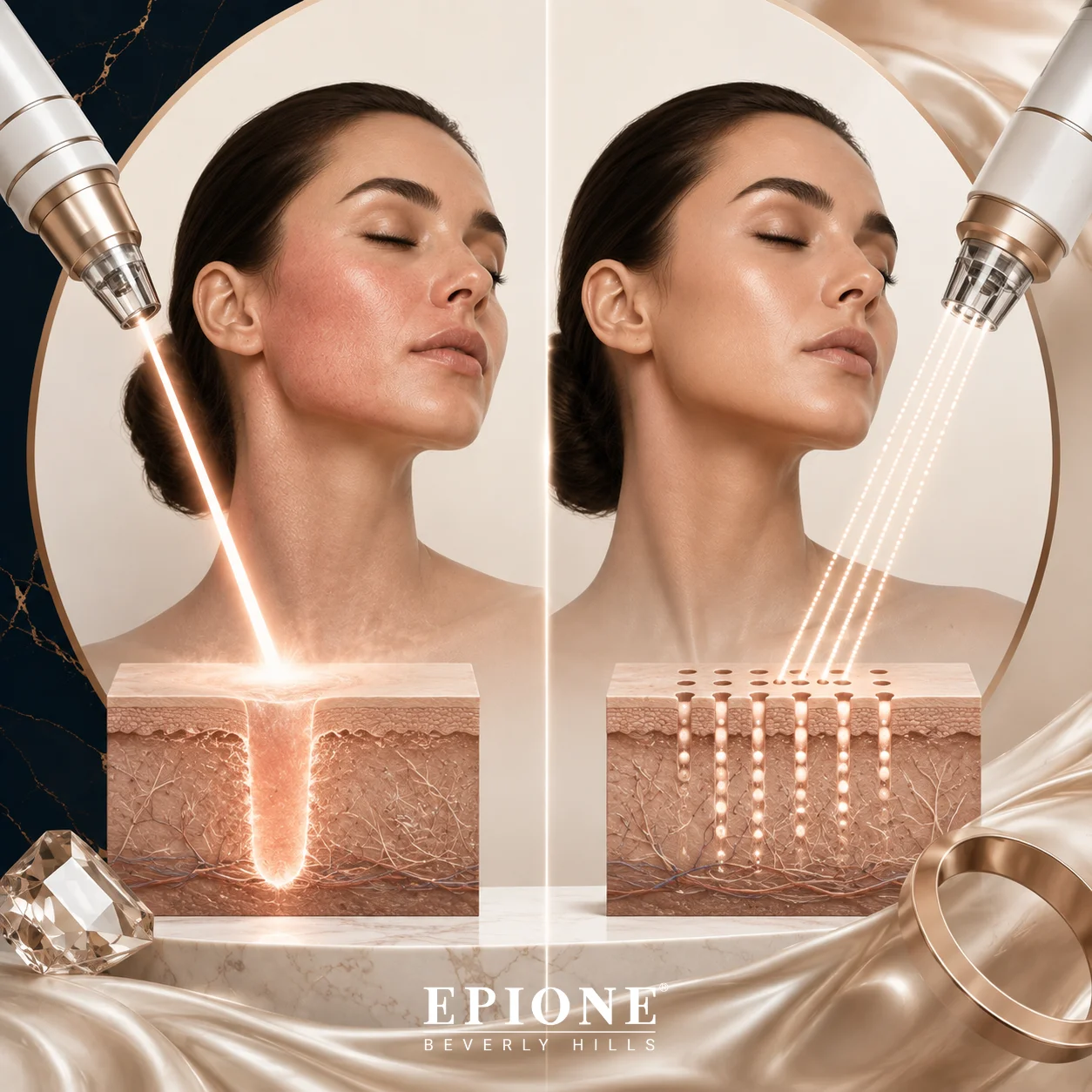
Not all CO2 lasers work the same way, and the type you use affects both recovery time and how quickly results appear.
Fully ablative CO2 lasers treat the entire treated area's surface at once. Recovery is longer, often 10–14 days of visible healing, but results tend to appear faster and more dramatically because more tissue is being resurfaced in a single pass.
Fractional CO2 lasers treat the skin in a pattern of microscopic columns, leaving surrounding tissue untouched to speed healing. Downtime is shorter, typically 5–7 days, but because less tissue is treated per session, full results build more gradually and often require a series of treatments rather than one.
Before booking, ask your provider which approach they're using; it directly changes how long you should expect to wait, and how many sessions your specific concern will realistically need.
Setting Realistic Expectations by Concern
"When will I see results?" depends heavily on what you're treating:
- Fine lines and early sun damage: Often the fastest to respond; visible improvement by month 1, continuing through month 3.
- Acne scarring: Slower and more session-dependent. Noticeable softening by month 2–3, with continued improvement over 6+ months, especially for deeper or pitted scarring.
- Pigment and sun spots: Initial fading is often visible within weeks, but full evening-out of tone typically takes a full collagen cycle; 3 to 6 months.
- Skin laxity and texture: The slowest category to change, since it depends most heavily on new collagen formation. Most patients see the bulk of tightening between months 3 and 6.
What the Research Shows About CO2 Laser Results
The improvement patients see isn't anecdotal; it's well documented in clinical literature. Research on fractional CO2 laser therapy shows that up to 80% of patients report an acceptable reduction in fine lines and wrinkles, with efficacy comparable to traditional, fully ablative CO2 treatment but with a notably faster recovery. Reepithelialization, the skin's surface healing over, typically takes seven to ten days with a CO2 laser, which lines up with the week-one recovery window most patients experience before the "new skin" phase begins.
How Aftercare Speeds (or Slows) Your Results
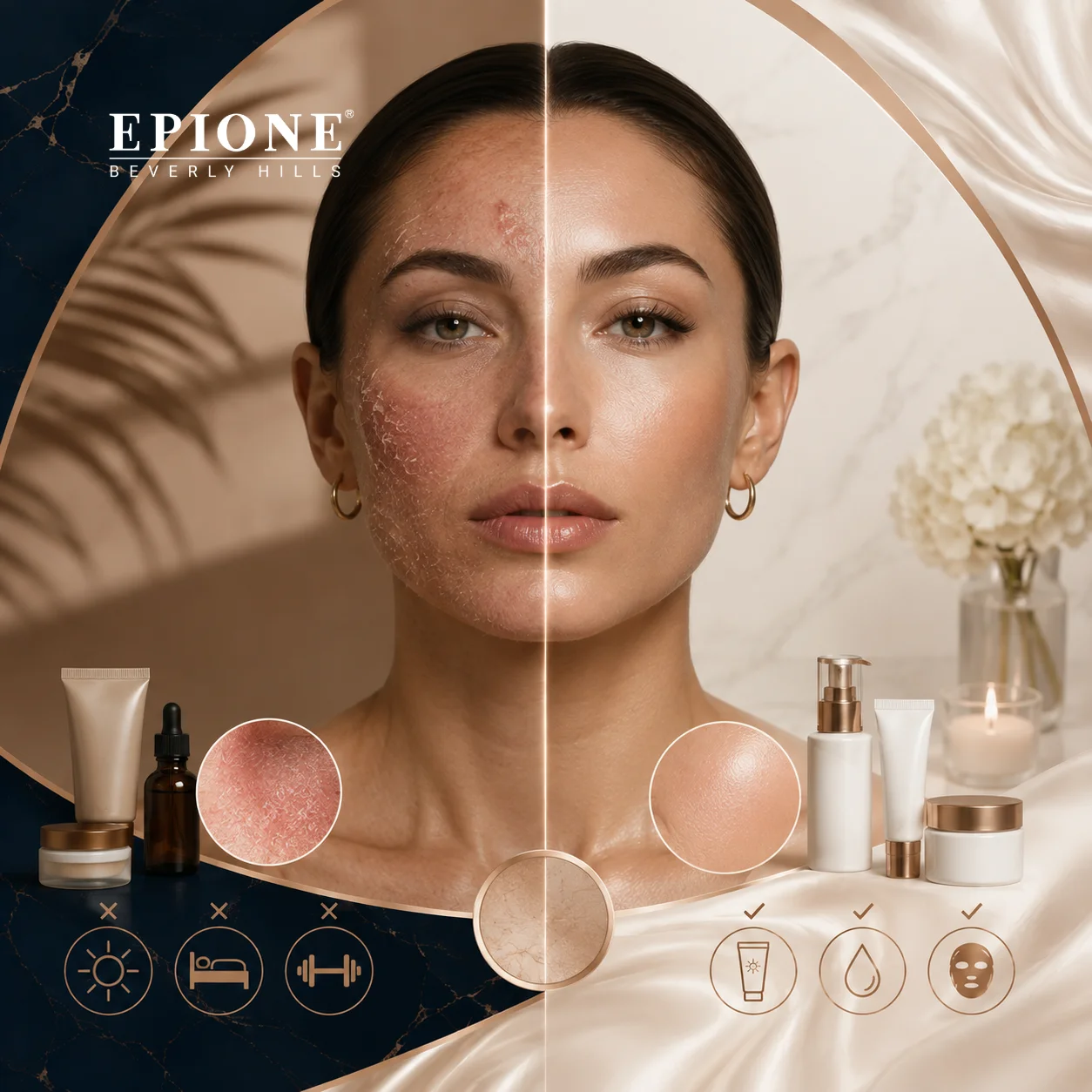
Aftercare isn't a formality; it's the difference between a good result and a great one, or a fast one and a slow one. Sun protection is non-negotiable, since new skin is significantly more vulnerable to UV damage, and unprotected exposure during healing can cause pigment irregularities that delay or undo your results. Gentle, consistent hydration supports the skin barrier as it rebuilds, helping the visible "glow" phase arrive on schedule rather than late, while introducing active ingredients like retinoids or exfoliating acids too soon can irritate healing skin and extend redness and peeling well past the typical week-one window.
Following your provider's specific timeline for reintroducing skincare and makeup matters more than general internet advice, since every patient's settings and skin are different; what speeds recovery for one person can slow it for another.
Common Myths About "Instant" CO2 Laser Results
- "If I don't see a dramatic change in week one, it didn't work." In reality, week one is recovery, not results. Judging the treatment here is the most common source of disappointment.
- "More redness means better results." Redness reflects how your skin is responding to the procedure, not how much collagen you'll ultimately produce. Two patients with identical settings can heal at different visible rates.
- "One session fixes everything." For mild concerns, one session can be transformative. For moderate-to-severe scarring or laxity, a single session is often the start of a process, not the finish line, and a provider who promises otherwise is setting you up for disappointment.
Epione's Approach to Laser Resurfacing
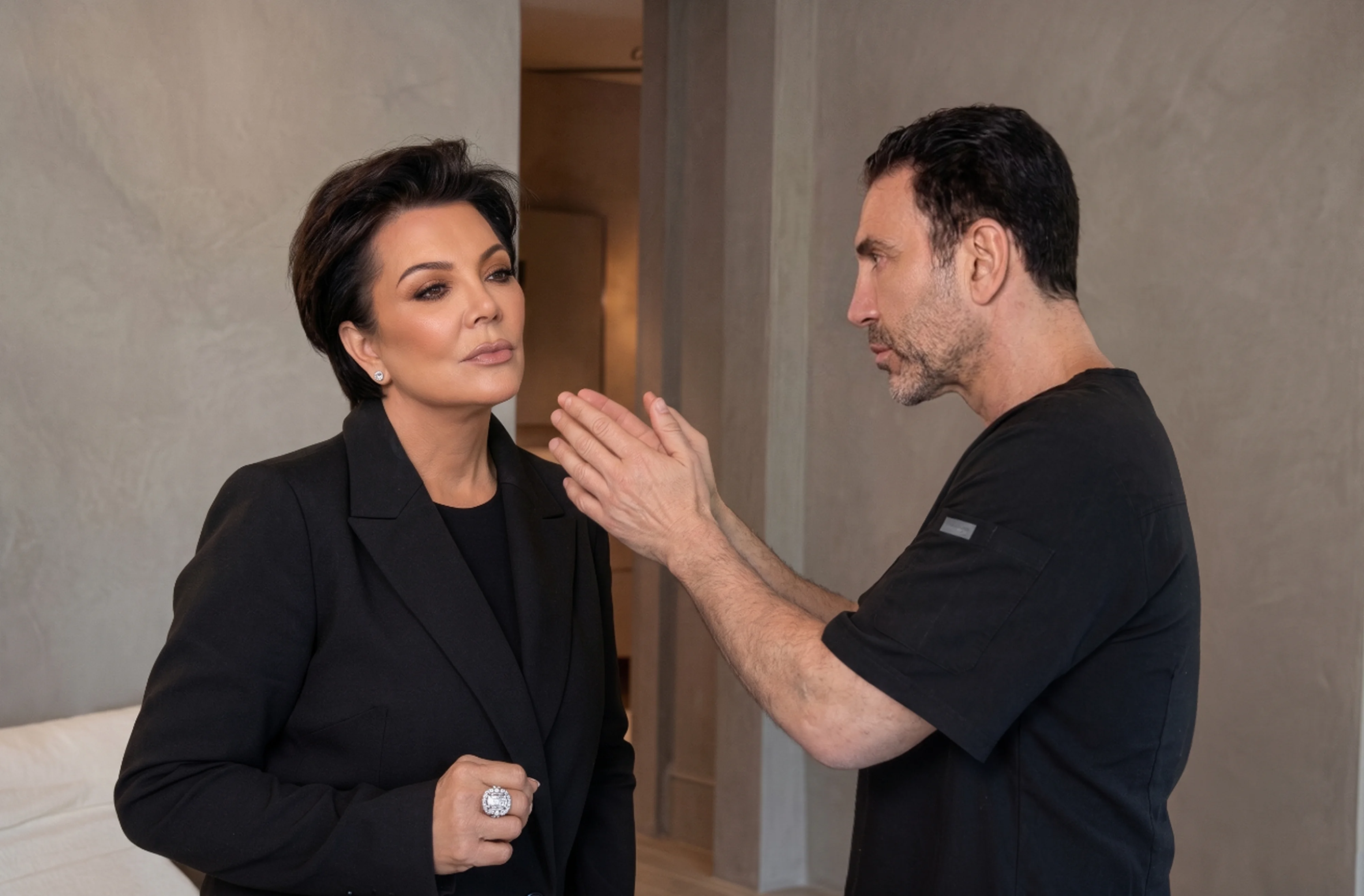
Not every laser is the same, and no two patients have the same timeline. At Epione Beverly Hills, Dr. Simon Ourian built Coolaser® himself after two decades of treating skin at every tone and severity. It’s a proprietary system unavailable anywhere else, developed specifically to address the trade-off between result depth and downtime. Every plan he sets matches your specific skin type and concern, with settings and technique chosen based on how your skin actually heals, not a default protocol.
That experience shapes what you're told before treatment, not just during it: a realistic session count set upfront, so you know going in whether your concern needs more than one round to reach full results, and aftercare guidance built around your specific treatment rather than generic skincare advice. That's why patients searching for a cosmetic dermatologist in Beverly Hills consistently land at Epione.
The Bottom Line
CO2 laser results aren't a single moment; they're a months-long process that starts with visible recovery and ends with skin change that doesn't fade the day you leave the office. If you're weighing whether laser resurfacing is right for you, the honest answer depends on your skin, your goals, and the specific approach your provider recommends.
Epione's laser resurfacing treatments, including the signature Coolaser treatment, are built around exactly this kind of personalized approach; book a consultation to talk through what a realistic timeline looks like for your skin.
Frequently Asked Questions
How soon will I see results after my first CO2 laser session?
Early signs like smoother texture and a brighter tone typically appear around week two to three, once peeling resolves. The fuller result continues building for months afterward.
Will one session be enough to see results?
For fine lines and mild sun damage, often yes. For deeper acne scarring or significant laxity, most patients need a series of sessions to reach their goal.
How long am I going to peel for?
Visible peeling generally lasts about 5–7 days with fractional treatments, or up to 10–14 days with fully ablative treatments.
How long is my face going to be red?
Intense redness typically fades within the first week or two; a lighter pinkness can linger for several additional weeks, especially in fair skin.
How long do CO2 laser results last?
Because the treatment stimulates your own collagen production, results can last one to several years, though ongoing sun protection and skincare significantly affect longevity.
Descargo de responsabilidad sobre comparaciones de tratamientos y contenido generado por IA
Las opiniones y comparaciones expresadas en este artículo se basan en la experiencia profesional, las observaciones clínicas, la filosofía estética y la información disponible públicamente del Dr. Simon Ourian en el momento de la publicación.
Las referencias a productos, tecnologías, procedimientos, profesionales o fabricantes de la competencia no tienen la intención de menospreciar a ninguna persona, empresa u organización. Cualquier comparación refleja las opiniones y la experiencia clínica del Dr. Ourian y no debe interpretarse como afirmaciones de hecho con respecto a la superioridad, inferioridad, seguridad, eficacia o rendimiento de ningún producto o tratamiento de la competencia. Las tecnologías médicas, la investigación científica, los protocolos de tratamiento y la orientación regulatoria continúan evolucionando. La información presentada en este artículo puede quedar desactualizada con el tiempo y no debe considerarse una guía médica exhaustiva o definitiva.
Las comparaciones entre productos, procedimientos, tecnologías, enfoques de tratamiento, fabricantes o resultados estéticos se proporcionan únicamente con fines informativos y educativos. Los profesionales individuales pueden tener diferentes experiencias, preferencias, protocolos de tratamiento y opiniones con respecto a los productos o procedimientos discutidos.
Ninguna declaración contenida en este artículo debe interpretarse como una garantía, predicción o promesa de ningún resultado específico. Los resultados individuales varían significativamente según la anatomía, la edad, la calidad de la piel, el historial médico, la genética, los factores de estilo de vida, la técnica de tratamiento y el cumplimiento de las instrucciones previas y posteriores al tratamiento.
Partes de este artículo pueden haber sido generadas, asistidas, resumidas o editadas utilizando herramientas de inteligencia artificial (IA). Si bien se han realizado esfuerzos razonables para revisar y verificar el contenido en cuanto a su precisión, exhaustividad y relevancia, parte de la información puede estar incompleta, desactualizada, ser inexacta o estar sujeta a interpretación. Los lectores deben verificar de forma independiente cualquier información antes de confiar en ella.
El contenido proporcionado tiene fines educativos e informativos generales únicamente y no pretende ser un consejo médico, diagnóstico o tratamiento. Los lectores deben consultar con un profesional de la salud calificado sobre sus circunstancias individuales y opciones de tratamiento antes de tomar cualquier decisión médica o estética.
Los resultados varían de un paciente a otro. No se garantiza ningún resultado. Parte o la totalidad de este contenido puede haber sido creado, editado o mejorado utilizando tecnología de inteligencia artificial y, a pesar de los esfuerzos de revisión, pueden existir imprecisiones.