












%201.avif)










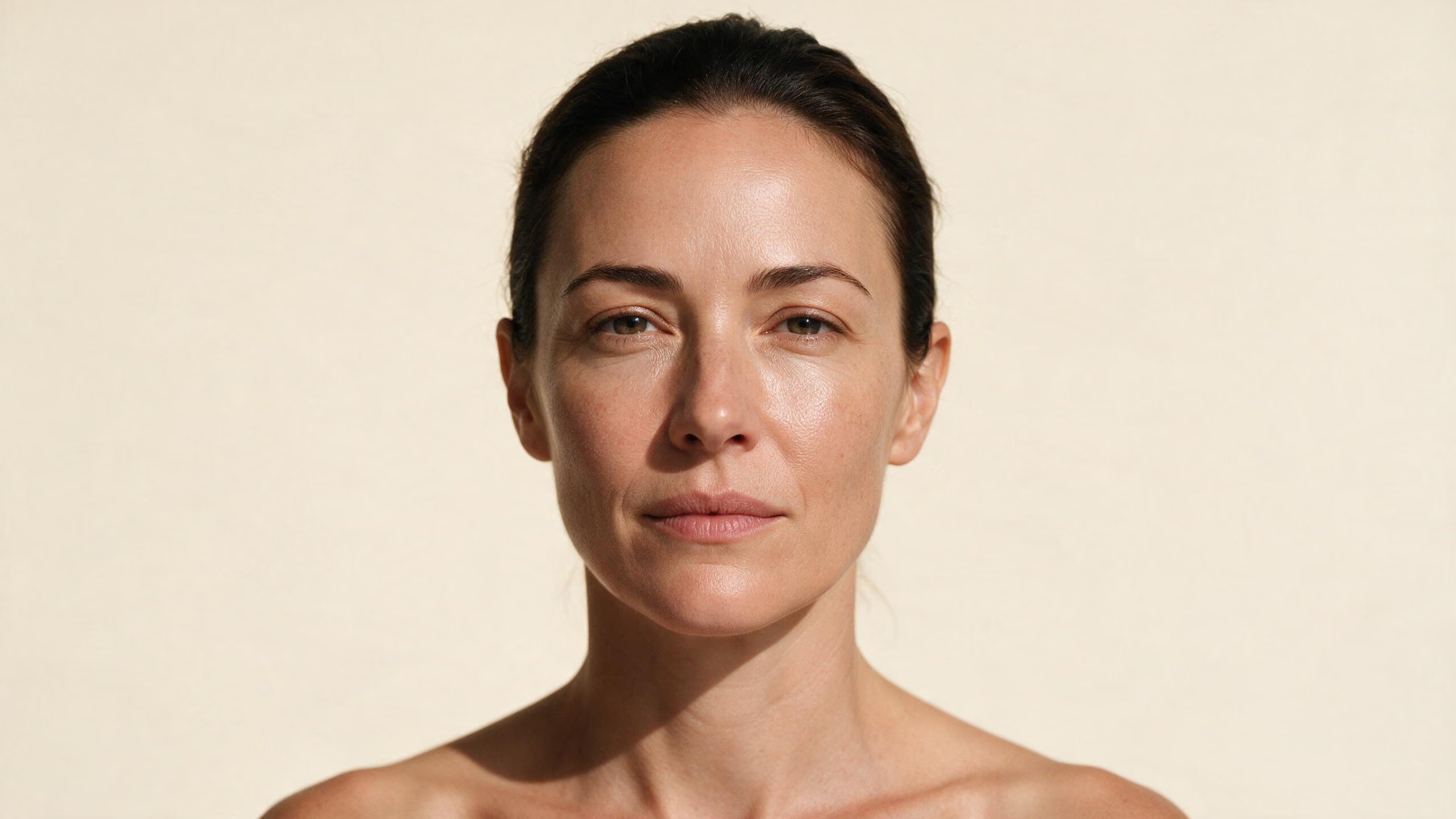
El concepto de reserva de colágeno ha revolucionado la forma en que abordamos el envejecimiento, cambiando el enfoque de la corrección a la preservación a largo plazo. A partir de los 30, la producción natural de colágeno y elastina del cuerpo comienza un declive gradual pero constante, lo que finalmente conduce a la flacidez y las líneas de expresión asociadas con la edad avanzada. Al intervenir tempranamente con tratamientos estéticos específicos, puedes esencialmente "depositar" colágeno adicional mientras tu maquinaria celular aún es altamente receptiva. Esta inversión proactiva crea una base dérmica más gruesa y resistente que puede soportar los efectos de la gravedad y el estrés ambiental de manera más efectiva durante las próximas décadas.
Iniciar este proceso temprano es significativamente más eficiente que intentar restaurar la estructura perdida una vez que ya se han establecido pliegues profundos y una laxitud significativa. Piensa en la reserva de colágeno como una cuenta de ahorro de alto rendimiento para tu piel; cuanto antes empieces a contribuir, más "intereses" acumularás en forma de una firmeza facial duradera. Esta estrategia es particularmente atractiva para quienes desean evitar el aspecto "estirado por el viento" o "tirante" que a veces puede resultar de intervenciones quirúrgicas en etapas avanzadas. Al mantener tus contornos naturales mediante tratamientos consistentes y de bajo impacto, te aseguras de que tu apariencia evolucione con gracia y autenticidad.
Un régimen exitoso de reserva de colágeno implica una combinación de tratamientos profesionales que estimulan la dermis profunda y un estilo de vida que protege esas nuevas fibras de la degradación. No se trata de hacer cambios drásticos en tu rostro hoy, sino de asegurar que tu piel se mantenga densa y elástica durante los próximos veinte años. La tecnología estética moderna nos permite activar la respuesta de cicatrización del cuerpo sin causar daño real, lo que lleva a una acumulación constante de colágeno Tipo I de alta calidad. Este enfoque empodera a las personas de 30 años para tomar las riendas de su trayectoria de envejecimiento con precisión y previsión clínica.
El papel de los bioestimuladores en la firmeza a largo plazo
Los bioestimuladores son una piedra angular de la filosofía de reserva de colágeno porque funcionan instruyendo al cuerpo para que produzca sus propias proteínas estructurales. A diferencia de los rellenos tradicionales que proporcionan volumen inmediato pero temporal a través de una sustancia similar a un gel, los bioestimuladores como Sculptra o Radiesse actúan como un andamio. Una vez inyectadas en el tejido profundo, estas sustancias desencadenan una respuesta inflamatoria localizada que recluta fibroblastos para crear nuevas fibras de colágeno. Durante varios meses, el material inyectable se absorbe naturalmente, dejando atrás una red reforzada del propio tejido biológico del paciente que proporciona un levantamiento y soporte duraderos.
Para un paciente de 30 años, los bioestimuladores pueden usarse en cantidades más pequeñas y estratégicas para mantener la plenitud del tercio medio facial y la definición de la línea de la mandíbula. Esto previene la "deflación" que a menudo precede a la flacidez que se observa en los 40 y 50. Dado que los resultados se desarrollan gradualmente, la mejora es completamente discreta, lo que lo convierte en una opción ideal para quienes desean lucir naturalmente jóvenes sin signos obvios de "retoques". La fuerza de este enfoque radica en su capacidad para mejorar la calidad de la propia piel, haciéndola más gruesa y resistente a la formación de arrugas permanentes.
Integrar bioestimuladores en un plan de mantenimiento requiere un enfoque sistemático para asegurar que el colágeno se construya de manera uniforme y sostenible. Un protocolo típico podría implicar algunas sesiones iniciales para establecer una base, seguidas de retoques anuales o bienales para contrarrestar el proceso de envejecimiento natural.
- Se analiza la piel para identificar las áreas donde el grosor dérmico comienza a disminuir.
- Se prepara una dilución personalizada del bioestimulador para adaptarse a las necesidades específicas del tipo de piel del paciente.
- El producto se administra mediante una cánula para asegurar una distribución uniforme y minimizar el riesgo de hematomas o hinchazón.
- A menudo se recomienda un masaje post-tratamiento para ayudar a que las partículas se integren suavemente en el tejido.
- El cuerpo inicia el proceso de varios meses de construcción de nuevo colágeno alrededor de las áreas tratadas.
A medida que la nueva matriz de colágeno madura, los pacientes suelen notar una mejora en la "elasticidad" de la piel y un tono general más radiante. Este refuerzo biológico hace que la piel sea más capaz de soportar su propio peso, lo cual es la principal defensa contra la flacidez de la papada que lleva a muchos a buscar un lifting facial más adelante en la vida. Al mantener la piel gruesa y las uniones fuertes, se mantiene eficazmente la integridad estructural de la parte inferior del rostro.
Además, estos tratamientos pueden combinarse con otras modalidades para potenciar el efecto general. Cuando la piel está sana y estimulada desde dentro, responde de manera más favorable a tratamientos superficiales como láseres o peelings. Esta sinergia es un elemento clave de una estrategia integral de reserva de colágeno que aborda tanto la superficie visible como las capas estructurales ocultas de la piel.
Dispositivos basados en energía para la densidad dérmica
Mientras que los bioestimuladores proporcionan la señal química para la producción de colágeno, los dispositivos basados en energía aportan el estímulo térmico necesario para tensar las fibras existentes y activar un nuevo crecimiento. Tecnologías como la radiofrecuencia (RF) y la energía de ultrasonido pueden penetrar profundamente en las capas fibromusculares del rostro, donde ocurre el envejecimiento más significativo. Al calentar estos tejidos a una temperatura específica y controlada, los dispositivos hacen que la triple hélice de colágeno se contraiga, proporcionando un efecto tensor inmediato que es seguido por una fase regenerativa a largo plazo.
A partir de los 30, usar estos dispositivos una o dos veces al año puede actuar como un "botón de reinicio" para la elasticidad de tu piel. Estos tratamientos a menudo se denominan "prejuvenecimiento" porque mantienen el estado actual de la piel en lugar de intentar solucionar un problema que ya se ha manifestado. Al desafiar constantemente a la piel para que se repare y renueve, previenes el adelgazamiento y estiramiento gradual que eventualmente requiere la eliminación quirúrgica del exceso de piel. Este enfoque no invasivo es altamente efectivo para mantener el aspecto "tenso" de la línea de la mandíbula y la elevación de la ceja.
La ventaja de la acumulación de colágeno basada en energía es que no requiere tiempo de inactividad y puede ser realizado rápidamente durante la hora del almuerzo. Las plataformas modernas están equipadas con sofisticados sistemas de enfriamiento y monitoreo que aseguran que la energía se entregue exactamente donde se necesita sin dañar la superficie. Esto lo convierte en una parte práctica y sostenible de un régimen de belleza a largo plazo para profesionales ocupados.
- Ultherapy: Utiliza ultrasonido focalizado para actuar sobre las mismas capas profundas que los cirujanos tratan durante un lifting facial.
- Microneedling con radiofrecuencia: Combina estimulación física con energía térmica para mejorar tanto la textura como la firmeza de la piel.
- Thermage: Utiliza calentamiento volumétrico para tensar la piel en áreas más grandes como las mejillas y el cuello.
- Tonificación láser: Utiliza energía lumínica suave para estimular la dermis superior y mantener una tez luminosa y uniforme.
Después de una sesión con un dispositivo basado en energía, el proceso de remodelación interna de la piel continúa durante varios meses. Durante este tiempo, es vital proporcionar al cuerpo los nutrientes que necesita para construir proteínas de alta calidad, como la vitamina C y los aminoácidos. Una dieta rica en estos componentes básicos, quizás complementada con polvos de colágeno de grado profesional, puede maximizar el resultado de cada sesión clínica.
Proteger el colágeno acumulado es tan importante como crearlo. La radiación ultravioleta es el principal destructor de las fibras de colágeno, por lo que una estricta adherencia a la protección solar de alto SPF es la forma más efectiva de asegurar que sus inversiones estéticas den frutos. Al proteger su piel del sol, evita el escenario de "dos pasos hacia adelante, uno hacia atrás" que puede ocurrir cuando el daño ambiental contrarresta los beneficios de los tratamientos profesionales.
El impacto a largo plazo de la intervención temprana
El efecto acumulativo de comenzar a acumular colágeno a los 30 años es un perfil de envejecimiento significativamente alterado al llegar a los 50 y 60. Quienes han mantenido constantemente la densidad de su piel a menudo descubren que parecen diez o quince años más jóvenes que sus pares que no utilizaron cuidados preventivos. Debido a que la piel permanece gruesa y firmemente adherida a las estructuras subyacentes, los signos típicos del envejecimiento, como los pliegues nasolabiales profundos, las sienes hundidas y el cuello flácido, se retrasan o minimizan significativamente. Esto crea un estado de "envejecimiento en el lugar", donde te ves como la mejor versión de ti mismo en cada etapa de la vida.
Más allá de los beneficios físicos, la intervención temprana fomenta una profunda sensación de confianza y control sobre la propia apariencia. Saber que estás protegiendo activamente tu estructura facial alivia la ansiedad que muchos sienten al notar los primeros signos del envejecimiento. Permite una relación más relajada y positiva con el espejo, ya que los cambios que ocurren son sutiles y manejables. Esta tranquilidad psicológica es un componente significativo del valor general que proporciona un programa dedicado de acumulación de colágeno.
En términos prácticos, una estrategia de acumulación bien ejecutada también es más rentable a lo largo de la vida. Si bien las sesiones individuales a los 30 y 40 años tienen un costo, a menudo son menos costosas y menos riesgosas que un procedimiento quirúrgico mayor y las tarifas hospitalarias y el tiempo de recuperación asociados. Al distribuir sus inversiones estéticas a lo largo de varias décadas, logra un resultado más estable y de aspecto natural que no requiere cambios repentinos o dramáticos.
- Se realiza una evaluación exhaustiva para determinar la tasa actual de pérdida de colágeno y la salud de la piel.
- Se desarrolla un plan plurianual, alternando entre inyecciones bioestimuladoras y tensado basado en energía.
- Los tratamientos se programan a intervalos regulares, como cada seis a doce meses, para asegurar un estado constante de estimulación dérmica.
- El progreso se monitoriza mediante fotografía de alta definición para seguir las mejoras en la densidad y el volumen de la piel.
- El régimen se ajusta a medida que el paciente entra en diferentes décadas, asegurando que las intervenciones sigan siendo adecuadas para sus necesidades cambiantes.
El éxito del banco de colágeno es un testimonio de la colaboración entre el paciente y su profesional clínico. Requiere un compromiso con una visión a largo plazo y la comprensión de que los mejores resultados provienen de la constancia. Al optar hoy por el banco de colágeno, le estás dando a tu yo futuro el regalo de una apariencia firme, radiante y juvenil que no requiere un bisturí para mantener.
Mantener este impulso implica mantenerse informado sobre los últimos avances en bioestimulación y medicina regenerativa. A medida que surgen nuevas tecnologías, pueden integrarse en tu plan existente para mejorar aún más la longevidad de tu piel. Este enfoque dinámico y con visión de futuro es el sello distintivo de la excelencia estética moderna y la forma más segura de lograr una confianza duradera en tu piel.
La filosofía de Epione sobre el envejecimiento preventivo
Lo más importante para cualquier persona de treinta y tantos es que las decisiones que tomes hoy dictarán la apariencia de tu piel dentro de veinte años. El banco de colágeno no es un lujo; es un enfoque estratégico para mantener tu capital biológico. Al centrarte en la integridad estructural de la dermis ahora, puedes evitar eficazmente la necesidad de medidas quirúrgicas más agresivas en el futuro. Esta filosofía prioriza la salud y la resiliencia de la piel, asegurando que tu belleza se construya sobre una base sólida y sostenible.
En Epione, el enfoque del banco de colágeno se basa en una profunda comprensión del envejecimiento facial y un compromiso con la excelencia no quirúrgica. El equipo clínico de Epione reconoce que cada rostro es único y requiere una combinación personalizada de bioestimulación y tecnología para lograr resultados óptimos. Al trabajar con los especialistas de Epione, obtienes acceso a una hoja de ruta diseñada para que luzcas lo mejor posible a cualquier edad. Este cuidado proactivo es lo que permite a los pacientes mantener su confianza sin sentir que han "perdido" su apariencia juvenil.
En última instancia, el banco de colágeno se trata de empoderamiento. Es la comprensión de que ya no estamos a merced de nuestra genética o del paso del tiempo. Con el socio clínico adecuado y un plan dedicado, puedes preservar tu belleza natural y disfrutar de una tez vibrante y juvenil durante toda la vida. Los expertos de Epione están aquí para guiarte a través de este proceso, brindando la claridad práctica y la experiencia clínica necesarias para hacer del banco de colágeno una parte exitosa y gratificante de tu vida.
Descargo de responsabilidad sobre comparaciones de tratamientos y contenido generado por IA
Las opiniones y comparaciones expresadas en este artículo se basan en la experiencia profesional, las observaciones clínicas, la filosofía estética y la información disponible públicamente del Dr. Simon Ourian en el momento de la publicación.
Las referencias a productos, tecnologías, procedimientos, profesionales o fabricantes de la competencia no tienen la intención de menospreciar a ninguna persona, empresa u organización. Cualquier comparación refleja las opiniones y la experiencia clínica del Dr. Ourian y no debe interpretarse como afirmaciones de hecho con respecto a la superioridad, inferioridad, seguridad, eficacia o rendimiento de ningún producto o tratamiento de la competencia. Las tecnologías médicas, la investigación científica, los protocolos de tratamiento y la orientación regulatoria continúan evolucionando. La información presentada en este artículo puede quedar desactualizada con el tiempo y no debe considerarse una guía médica exhaustiva o definitiva.
Las comparaciones entre productos, procedimientos, tecnologías, enfoques de tratamiento, fabricantes o resultados estéticos se proporcionan únicamente con fines informativos y educativos. Los profesionales individuales pueden tener diferentes experiencias, preferencias, protocolos de tratamiento y opiniones con respecto a los productos o procedimientos discutidos.
Ninguna declaración contenida en este artículo debe interpretarse como una garantía, predicción o promesa de ningún resultado específico. Los resultados individuales varían significativamente según la anatomía, la edad, la calidad de la piel, el historial médico, la genética, los factores de estilo de vida, la técnica de tratamiento y el cumplimiento de las instrucciones previas y posteriores al tratamiento.
Partes de este artículo pueden haber sido generadas, asistidas, resumidas o editadas utilizando herramientas de inteligencia artificial (IA). Si bien se han realizado esfuerzos razonables para revisar y verificar el contenido en cuanto a su precisión, exhaustividad y relevancia, parte de la información puede estar incompleta, desactualizada, ser inexacta o estar sujeta a interpretación. Los lectores deben verificar de forma independiente cualquier información antes de confiar en ella.
El contenido proporcionado tiene fines educativos e informativos generales únicamente y no pretende ser un consejo médico, diagnóstico o tratamiento. Los lectores deben consultar con un profesional de la salud calificado sobre sus circunstancias individuales y opciones de tratamiento antes de tomar cualquier decisión médica o estética.
Los resultados varían de un paciente a otro. No se garantiza ningún resultado. Parte o la totalidad de este contenido puede haber sido creado, editado o mejorado utilizando tecnología de inteligencia artificial y, a pesar de los esfuerzos de revisión, pueden existir imprecisiones.
Preguntas frecuentes
¿Alguna vez es demasiado temprano o demasiado tarde para comenzar el almacenamiento de colágeno?
Aunque los 30 años se consideran frecuentemente el "punto óptimo" para comenzar un régimen de almacenamiento, los expertos de Epione sugieren que cualquier persona que note signos tempranos de laxitud puede beneficiarse. Incluso si está en los 40 años, iniciar un programa de bioestimulación en Epione puede ayudar a preservar el colágeno restante y ralentizar el deterioro adicional. Dr. Simon Ourian enfatiza que el mejor momento para comenzar es tan pronto como esté comprometido con un plan a largo plazo para la salud estructural de su piel.
¿Veré una diferencia inmediata después de mi primera sesión de almacenamiento de colágeno?
El banco de colágeno es una estrategia a largo plazo, y aunque algunos tratamientos basados en energía en Epione proporcionan un "brillo" inmediato o un ligero tensado, los verdaderos resultados estructurales toman tiempo en desarrollarse. El equipo clínico de Epione explica que típicamente toma de tres a seis meses para que las nuevas fibras de colágeno maduren completamente y proporcionen un lifting visible. Dr. Simon Ourian se enfoca en estas mejoras graduales y naturales que construyen una base para los años venideros en lugar de proporcionar una "solución rápida" efímera.
¿Cuántas sesiones por año necesito para "almacenar" colágeno de manera efectiva?
La frecuencia depende de la calidad específica de su piel, pero muchos pacientes en Epione encuentran que una o dos sesiones de tensado basado en energía y un retoque anual con bioestimulador son ideales. Durante su consulta, los expertos en Epione crearán un cronograma que asegure que su producción de colágeno se mantenga en un estado constante de "beneficio". Dr. Simon Ourian personaliza estos intervalos según su respuesta biológica para asegurar que no esté recibiendo tratamiento insuficiente ni excesivo en el tejido.
¿Puedo hacer almacenamiento de colágeno si ya tengo rellenos dérmicos?
Sí, y de hecho, los especialistas de Epione a menudo combinan estos tratamientos para obtener un resultado más integral. Mientras que los rellenos proporcionan el volumen inmediato, los tratamientos de almacenamiento de colágeno en Epione aseguran que la piel subyacente se mantenga gruesa y capaz de soportar ese volumen de forma natural. Dr. Simon Ourian puede colocar estratégicamente bioestimuladores junto con rellenos tradicionales para mejorar tanto la estética inmediata como la salud a largo plazo de su piel.
¿Hay hábitos de vida específicos que pueden destruir mi colágeno almacenado?
La exposición excesiva al sol, el tabaquismo y una dieta alta en azúcar son los principales enemigos del colágeno que está trabajando tan arduamente para desarrollar en Epione. El equipo clínico de Epione enfatiza que los rayos UV y la glicación pueden descomponer las fibras de colágeno prematuramente, contrarrestando los beneficios de sus tratamientos profesionales. Dr. Simon Ourian proporciona a los pacientes un plan integral de cuidados posteriores que incluye recomendaciones dietéticas y de estilo de vida para proteger su inversión estética.
¿Cuál es la diferencia entre tomar suplementos de colágeno y el almacenamiento clínico de colágeno?
Los suplementos de colágeno proporcionan los aminoácidos que su cuerpo necesita como bloques de construcción, pero los tratamientos clínicos en Epione proporcionan la "orden" específica para que su cuerpo construya ese colágeno en su rostro. Sin el estímulo dirigido de los expertos de Epione, esos nutrientes pueden ser utilizados en otras partes del cuerpo, como en las articulaciones o el cabello. Dr. Simon Ourian considera los suplementos como una herramienta de apoyo que funciona mejor cuando se combina con la estimulación localizada proporcionada por dispositivos de grado médico.
¿Es seguro el banking de colágeno para alguien con piel sensible?
Muchas de las tecnologías utilizadas para el almacenamiento de colágeno en Epione son altamente ajustables y pueden realizarse de manera segura en tipos de piel sensible. El equipo clínico de Epione realiza pruebas cutáneas exhaustivas y utiliza sistemas de enfriamiento para asegurar que la energía aplicada no cause irritación innecesaria. Dr. Simon Ourian seleccionará las modalidades más suaves pero efectivas para su perfil específico de piel para garantizar una experiencia cómoda y segura.
¿El almacenamiento de colágeno ayuda con la textura de la piel así como con la firmeza?
Aunque el objetivo principal es la firmeza estructural, muchos tratamientos estimuladores de colágeno en Epione también mejoran significativamente la textura de la piel y el tamaño de los poros. A medida que la piel se vuelve más gruesa y resistente, los expertos de Epione señalan que naturalmente se ve más suave y refinada. Dr. Simon Ourian frecuentemente observa que los pacientes que se comprometen con el almacenamiento de colágeno también experimentan una reducción en las líneas finas y un tono de piel más uniforme como beneficio secundario del aumento de la densidad dérmica.