

















Is laser resurfacing worth it if you have sun damage, acne scarring, or rough, uneven texture you want smoothed without surgery? For most people dealing with those three concerns, yes. If your main issue is sagging skin, the answer is usually no, since lasers can resurface the top layers of skin but can’t lift tissue the way a facelift does. Everything in between depends on your skin type, how much downtime you can take, and what you’re trying to fix.
At Epione Beverly Hills, Dr. Simon Ourian, M.D., has spent two decades refining his own fractional CO2 laser system, and the question he hears most in consultations isn’t “does this work,” it’s “is it worth it for me specifically.” Here’s how to think it through.
Pros and Cons of Laser Skin Resurfacing
Before getting into who it’s right for, here’s the quick version.
Pros
- Reaches sun damage, acne scars, and uneven texture that topical products can’t touch
- Triggers real collagen production, so results keep improving for months, not just the week after treatment
- A single ablative session can match what several rounds of a gentler treatment would take to achieve
- Can be calibrated by depth, intensity, and wavelength to fit a specific skin type and concern
- Treats the face, neck, chest, and hands using the same underlying technology
Cons
- Ablative treatments mean real downtime: redness and swelling for days, with full recovery taking about a month
- Carries a higher risk of post-inflammatory pigment changes for medium-to-deep skin tones if settings aren’t adjusted for them
- Doesn’t fix sagging skin or lost volume, only surface texture and damage
- Rarely a one-and-done fix for deeper scarring or heavy photodamage, which usually needs a series of sessions
- Off-limits, at least temporarily, for a handful of conditions: recent isotretinoin use, active cold sores, a keloid history, pregnancy
When Laser Resurfacing Is Worth It
Laser resurfacing is worth it when damage sits in the skin’s texture rather than its structure. That includes:
- Sun damage, brown spots, and the blotchy discoloration that builds up over years in the LA sun
- Fine lines and early wrinkles, especially around the eyes and mouth
- Acne scars and other shallow-to-moderate scarring
- Enlarged pores and rough, uneven texture
- Dull skin that’s lost its glow
The treatment removes the damaged outer layer of skin with a beam of light energy, triggering new collagen production underneath. As the skin heals, it comes back smoother and more even-toned. That collagen response is also why results keep improving for months after the appointment, not just the week after.
If you’ve tried topical retinoids or in-office facials and plateaued, laser resurfacing is often the next real step up, because it reaches deeper than anything applied to the skin’s surface.
Most patients start with the face, but the same technology treats the neck, chest, and hands, since sun damage and texture loss show up anywhere skin has had years of exposure. Settings and recovery time vary by area; thinner skin on the neck and chest generally needs a gentler pass than the face can handle, so a one-size protocol doesn’t work across the whole body.
When It’s Probably Not Worth It (Yet)
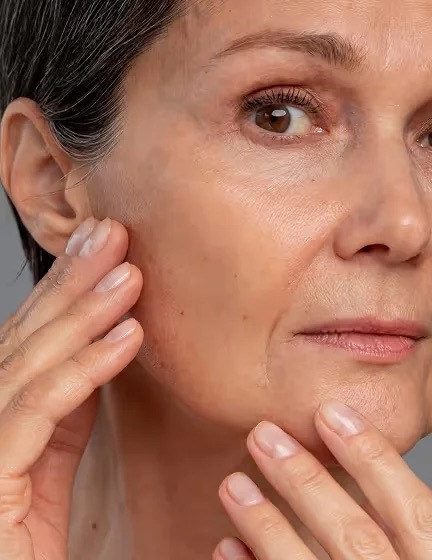
Laser resurfacing is not a lift. It improves fine lines, age spots, and uneven color, but it can’t fix sagging skin. If loose skin along the jawline, cheeks, or neck is your main complaint, a laser alone will likely disappoint you, no matter how skilled the provider is. That’s a structural problem, and it calls for a non-surgical facelift or a skin-tightening approach instead, sometimes paired with resurfacing rather than used in place of it.
A handful of other situations make resurfacing a poor fit. Providers generally advise against it if you:
- Have taken isotretinoin (commonly known by the brand name Accutane) within the past year, since it can interfere with normal healing
- Have an active cold sore, active acne breakout, or infection in the treatment area, since heat and healing can reactivate a herpes flare-up
- Have a history of keloid scarring or a connective tissue or autoimmune condition
- Are pregnant or breastfeeding
- Have had radiation therapy to the face, or have had laser resurfacing done before in the same area
None of these are permanent disqualifiers in every case; they’re reasons to book a consultation.
Is Laser Resurfacing Risky? What the Research Says
Every energy-based treatment carries some risk, and laser resurfacing is no exception. According to StatPearls’ clinical review of carbon dioxide laser resurfacing, the treatment produces its most predictable results on Fitzpatrick type I–II skin (fair-skinned patients) because it has fewer melanocytes, the pigment-producing cells that can overreact after treatment and cause lingering discoloration. The same risk holds true more broadly: people with brown or Black skin face a meaningfully higher chance of long-term pigment changes after laser treatment, along with smaller risks of infection, prolonged redness, and, with ablative lasers specifically, scarring.
This is exactly where the provider matters more than the device. A laser that isn’t adjusted for an individual’s skin tone can cause the pigment problems it’s meant to fix. At Epione, Dr. Ourian designed his system so every setting (depth, intensity, coverage) can be calibrated per patient rather than run on one default protocol, because standard settings that work well on lighter skin can misfire on deeper tones. That’s a meaningful difference if you’ve been told by another provider that your skin tone makes you a poor candidate.
The honest summary: laser resurfacing is low-risk when the laser and settings are matched to your skin, and higher-risk when they aren’t. Ask any provider you’re considering, directly, how they adjust their protocol for your specific skin tone.
CO2 Laser vs. Non-Ablative: Is the Stronger Option Worth It?
Not all lasers work the same way, and the type matters as much as the brand. Lasers used for skin resurfacing split into two broad categories:
- Ablative lasers (CO2 and erbium systems) remove the outer layer of skin and heat the layer beneath. They produce the most dramatic single-session results and reach deeper scarring and sun damage, but they also mean more downtime and longer-lasting visible redness as new skin grows in.
- Non-ablative lasers stimulate collagen without removing the surface layer. Recovery is short, often just a few hours of mild swelling, but results are more gradual and usually require several sessions spaced over weeks or months to match what a single ablative session can do.
Most providers today use fractional versions of either type, which treat the skin in microscopic columns rather than the entire surface at once. That approach shortens recovery and lowers the risk of side effects compared to older, full-field lasers, which is why fractional devices have become the preferred standard for both ablative and non-ablative treatment. The right path depends on your timeline: how much visible recovery you can handle and how quickly you want to see change.
Laser Resurfacing or a Chemical Peel: Which Is the Better Fit?
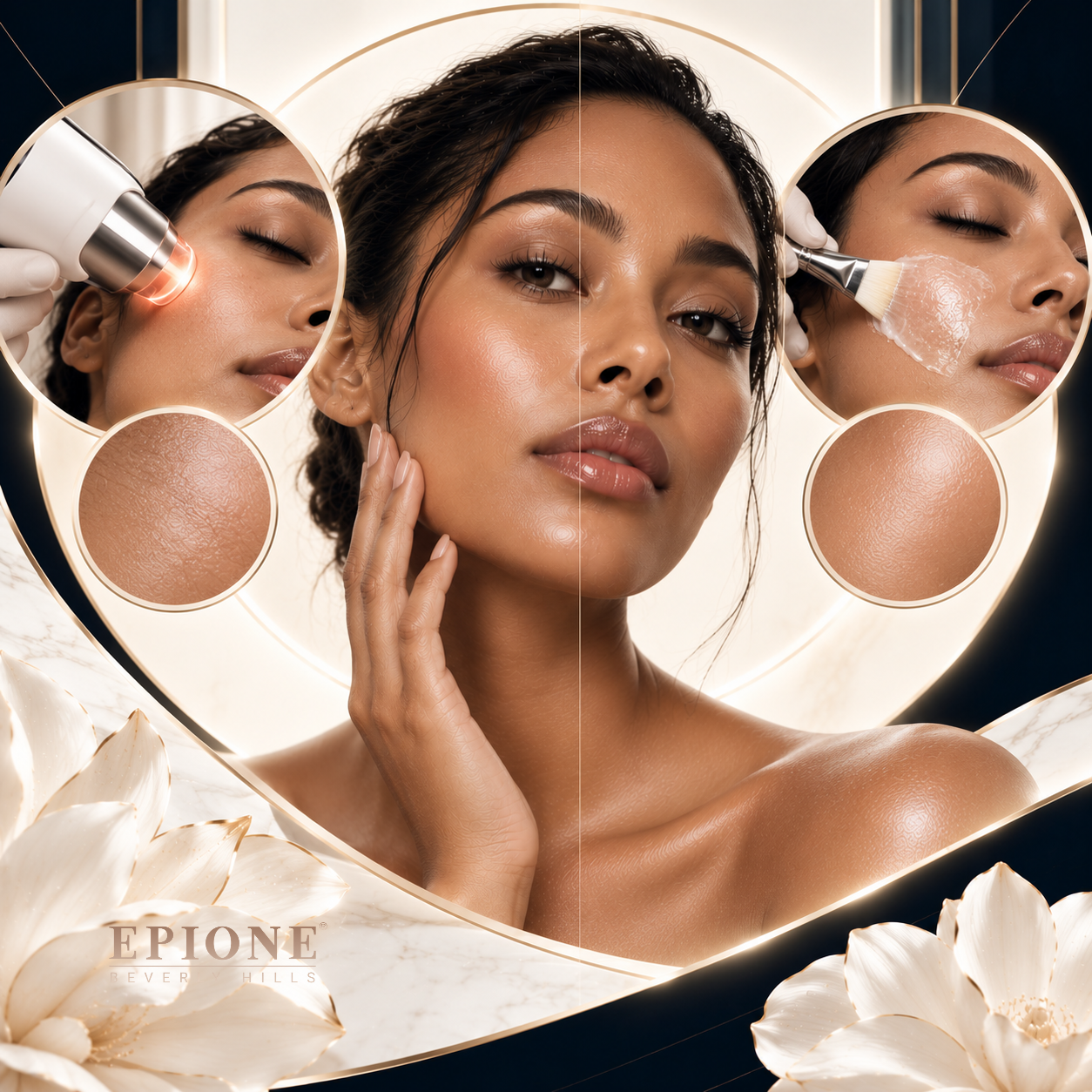
Chemical peels and laser resurfacing both aim to remove damaged skin and reveal a fresher layer underneath, but they do it differently. A peel uses an acid solution to dissolve and lift damaged cells off the surface. A laser uses targeted light energy, letting a provider control depth more precisely and treat a single problem area (say, acne scarring on the cheeks) without treating the whole face at the same intensity.
As a rule of thumb, peels are often a better starting point for surface-level dullness, mild discoloration, and early fine lines, especially for patients who want a lower-cost, lower-downtime option. Superficial peels barely reach the top layer and require almost no recovery, while medium and deep peels get closer to what a laser can do, with downtime to match. Laser resurfacing tends to pull ahead for acne scarring, deeper wrinkles, and stubborn sun damage, where the added precision and collagen stimulation make a visible difference a peel usually can’t match.
Patients working with Dr. Ourian often start with a peel and graduate to laser resurfacing once they’ve confirmed how their skin responds to treatment overall.
A Quick Self-Check Before You Book
Before scheduling a consultation, it helps to be honest with yourself about three things:
- What’s actually bothering you? Texture, scarring, and sun damage respond well to resurfacing. Sagging and volume loss require a different treatment.
- How much downtime can you realistically take? A week of visible redness is manageable for some schedules and impossible for others. Be honest about this before you book, not after.
- What’s your skin tone, and has a provider actually adjusted for it? If you have deeper skin and a provider hasn’t mentioned adjusting their settings, that’s worth asking about directly.
- Are you comparing cost against a real alternative, or against doing nothing? Pricing depends on the treatment area, number of sessions, and depth of correction, so it’s hard to judge “worth it” against a number pulled from a different practice’s price list. A consultation is the only way to get a plan and cost specific to your skin.
If your answers point toward resurfacing, the next step for acne scarring, sun damage, or dullness is a laser skin resurfacing consultation. For a more advanced, fully customized version of the same technology, ask about Dr. Ourian’s proprietary Coolaser system during that same visit. If sagging or lost volume is your main concern, a conversation about non-surgical skin tightening will serve you better than laser alone.
Why Epione Beverly Hills?
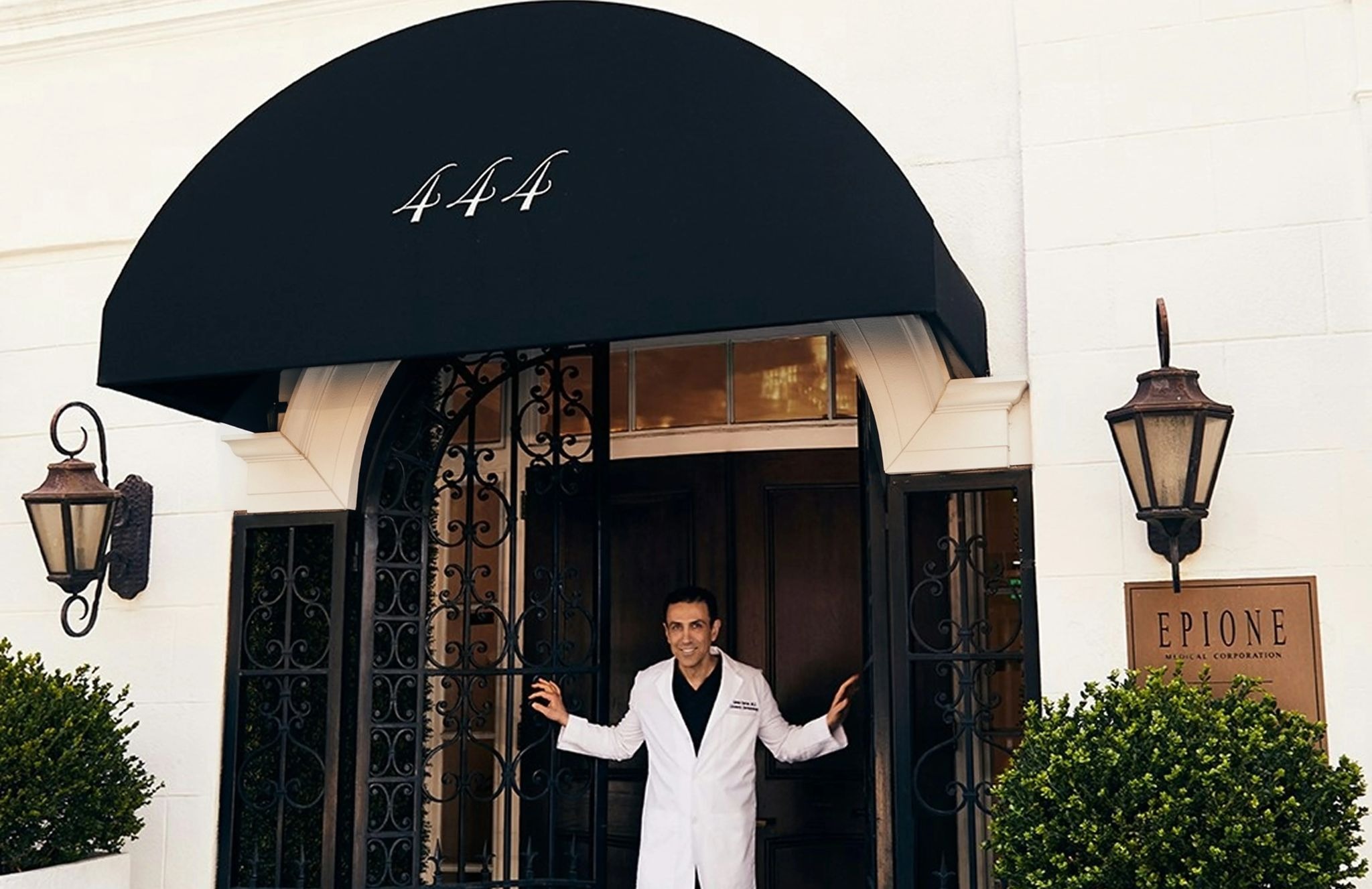
Dr. Simon Ourian, M.D., has been a cosmetic dermatologist in Beverly Hills for more than twenty years, treating thousands of patients at Epione. That volume matters for laser resurfacing, where outcomes depend heavily on hands-on repetition and judgment, not just the equipment in the room, which is why Dr. Ourian built and continues to refine his own Coolaser system rather than using a manufacturer’s default settings. That specialization shows up most clearly in how he treats acne scarring and uneven skin tone, two of the hardest cases in laser resurfacing to get right.
Dr. Ourian routinely pairs Coolaser with Neustem™, his regenerative injectable, to resurface damaged tissue from the surface while rebuilding volume underneath, a combination most practices can’t offer because they don’t have access to either proprietary technology. While many laser providers turn away patients with medium-to-deep skin tones outright, Dr. Ourian calibrates depth, wavelength, and intensity for each patient individually, the specific adjustments that determine whether resurfacing is safe for a given complexion.
Ready to Find Out If It’s Worth It for You?
The only way to know for certain whether laser resurfacing, Coolaser, or something else entirely is worth it for your skin is a direct evaluation by the physician who will be doing the work. Book a consultation with Dr. Ourian, virtual or in person, to bring your questions about recovery, cost, and candidacy directly to him, or start by browsing real patient results if you want to see what’s possible before you book.
FAQs About the Value of Laser Skin Resurfacing
Is laser resurfacing worth it if my main concern is mild sun damage?
Often, yes, and you may need less downtime than you’d expect. Mild sun damage and early texture concerns often respond to just one or two sessions, compared with the three to five sessions deeper photodamage or scarring usually requires.
Is laser resurfacing better than other treatments, like microneedling or fillers?
It depends on what you're trying to address. Microneedling and fillers work well for volume loss and fine lines but don’t remove damaged surface skin the way a laser does. For true texture correction, like acne scarring or sun-damaged skin that feels rough to the touch, laser resurfacing typically delivers a more complete result in fewer sessions, though providers often combine approaches once they've examined your skin.
Is laser skin resurfacing worth it if I have darker skin?
It can be, but only with a provider who adjusts wavelength and energy for your skin tone rather than using one default setting for everyone. Ask this question directly before booking.
What’s the difference between Coolaser and standard laser skin resurfacing?
Both use the same collagen-stimulating principle behind Dr. Ourian’s fractional CO2 technology. Coolaser is his further-refined version, built with an added cooling step that’s designed to bring recovery down even further. A consultation is the best way to determine which option fits your skin and goals.
Is CO2 laser resurfacing worth it?
It depends on your timeline. If you have deep, set-in acne scars or years of sun damage and can take a week away from being seen in public, CO2 delivers more change faster than a gentler option in a single session. Dr. Ourian’s fractional CO2 system was built to close that gap: it reaches ablative depth for real collagen remodeling while keeping recovery closer to a long weekend than the week or more associated with older, standard CO2 devices.
Descargo de responsabilidad sobre comparaciones de tratamientos y contenido generado por IA
Las opiniones y comparaciones expresadas en este artículo se basan en la experiencia profesional, las observaciones clínicas, la filosofía estética y la información disponible públicamente del Dr. Simon Ourian en el momento de la publicación.
Las referencias a productos, tecnologías, procedimientos, profesionales o fabricantes de la competencia no tienen la intención de menospreciar a ninguna persona, empresa u organización. Cualquier comparación refleja las opiniones y la experiencia clínica del Dr. Ourian y no debe interpretarse como afirmaciones de hecho con respecto a la superioridad, inferioridad, seguridad, eficacia o rendimiento de ningún producto o tratamiento de la competencia. Las tecnologías médicas, la investigación científica, los protocolos de tratamiento y la orientación regulatoria continúan evolucionando. La información presentada en este artículo puede quedar desactualizada con el tiempo y no debe considerarse una guía médica exhaustiva o definitiva.
Las comparaciones entre productos, procedimientos, tecnologías, enfoques de tratamiento, fabricantes o resultados estéticos se proporcionan únicamente con fines informativos y educativos. Los profesionales individuales pueden tener diferentes experiencias, preferencias, protocolos de tratamiento y opiniones con respecto a los productos o procedimientos discutidos.
Ninguna declaración contenida en este artículo debe interpretarse como una garantía, predicción o promesa de ningún resultado específico. Los resultados individuales varían significativamente según la anatomía, la edad, la calidad de la piel, el historial médico, la genética, los factores de estilo de vida, la técnica de tratamiento y el cumplimiento de las instrucciones previas y posteriores al tratamiento.
Partes de este artículo pueden haber sido generadas, asistidas, resumidas o editadas utilizando herramientas de inteligencia artificial (IA). Si bien se han realizado esfuerzos razonables para revisar y verificar el contenido en cuanto a su precisión, exhaustividad y relevancia, parte de la información puede estar incompleta, desactualizada, ser inexacta o estar sujeta a interpretación. Los lectores deben verificar de forma independiente cualquier información antes de confiar en ella.
El contenido proporcionado tiene fines educativos e informativos generales únicamente y no pretende ser un consejo médico, diagnóstico o tratamiento. Los lectores deben consultar con un profesional de la salud calificado sobre sus circunstancias individuales y opciones de tratamiento antes de tomar cualquier decisión médica o estética.
Los resultados varían de un paciente a otro. No se garantiza ningún resultado. Parte o la totalidad de este contenido puede haber sido creado, editado o mejorado utilizando tecnología de inteligencia artificial y, a pesar de los esfuerzos de revisión, pueden existir imprecisiones.