Facial Sculpting & Contouring
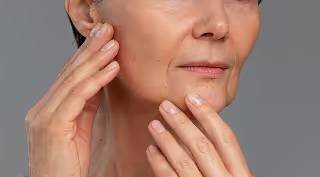
Refine facial structure and restore youthful definition without surgery.
Refine facial structure and restore youthful definition without surgery.

Advanced laser and dermatologic treatments to correct tone, texture, and visible damage.
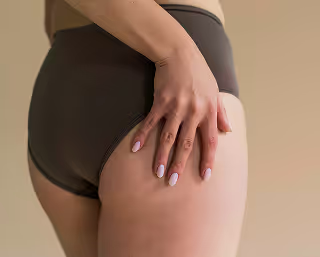
Sculpt, firm, and tone the body with non-invasive technology and precision treatments.
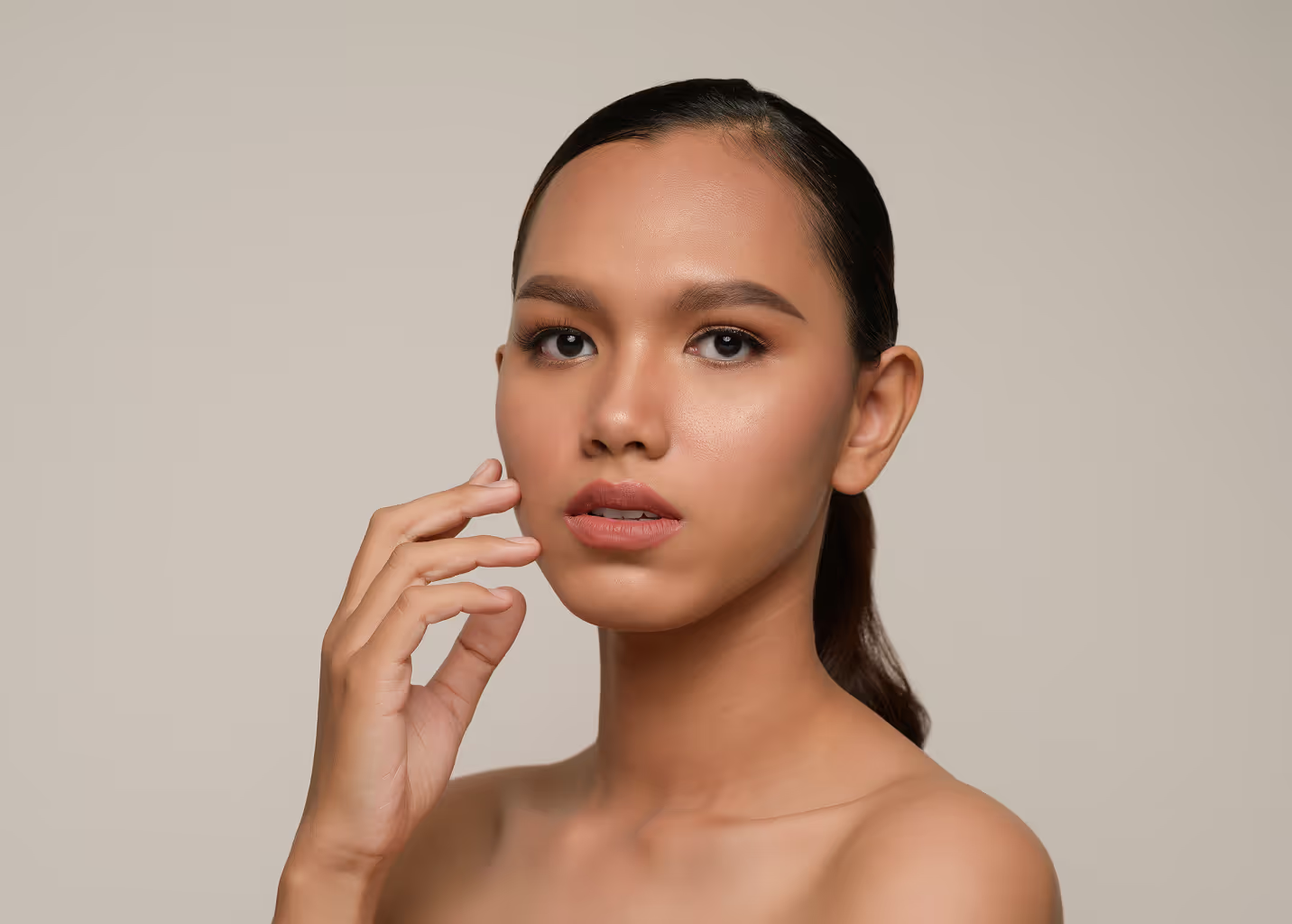
Targeted treatments designed to restore subtle youthfulness and skin vitality.

The challenge of stubborn fat is a common frustration for even the most disciplined individuals. Despite adhering to a strict caloric deficit and engaging in high-intensity interval training, certain areas of the body, most notably the abdomen, flanks, and thighs, often retain localized fat deposits. This occurs because the body’s genetic blueprint dictates where it stores and mobilizes energy, and for many, these "problem areas" are the last to respond to systemic weight loss. For the high-performing professional or athlete, this disconnect between effort and aesthetic results can be discouraging.
Traditional liposuction was once the only definitive answer to this physiological hurdle, but the associated surgical risks and recovery time are often incompatible with a modern, active lifestyle. NeuSculpt has emerged as a premier non-invasive alternative, specifically engineered to bridge the gap between fitness and physique. By bypassing the limitations of voluntary muscle movement, this technology allows for a level of metabolic activity and fat cell disruption that is physically impossible to achieve through conventional exercise alone.
The science behind this treatment centers on the relationship between muscle stimulation and fat metabolism. When muscles are pushed to their absolute limit, the surrounding fat cells receive chemical signals to break down and provide the necessary energy to fuel the exertion. NeuSculpt automates this biological process with extreme precision, allowing patients to target specific zones with clinical accuracy. This targeted approach ensures that the "stubborn" nature of the fat is overcome by localized, high-intensity energy.
NeuSculpt operates on the principle of High-Intensity Focused Electromagnetic (HIFEM) energy. Unlike external cooling or heating methods that target fat from the skin's surface inward, this technology penetrates through the skin to interact directly with the motor neurons of the large muscle groups. By inducing "supramaximal" contractions, which are contractions that are far more powerful and frequent than what a person can achieve in the gym, the device forces the body to adapt at a cellular level. This adaptation process requires a massive amount of energy, which the body sources from the adjacent adipose tissue.
During a single session, the muscles in the treated area may undergo the equivalent of thousands of repetitions. This extreme demand leads to a rapid release of free fatty acids, which eventually overwhelms the fat cells, causing them to undergo programmed cell death, or apoptosis. Once these cells are neutralized, the body’s lymphatic system naturally processes and eliminates them over the following weeks. This results in a measurable reduction in the fat layer and a simultaneous increase in muscle density and definition.
To understand how this treatment is integrated into a body contouring plan, it is helpful to look at the typical progression of a clinical session. Each step is designed to maximize the metabolic impact while ensuring the patient remains comfortable and relaxed throughout the process.
This systematic destruction of fat cells is permanent, as the adult body does not typically grow new fat cells to replace those that have been removed. This means that as long as a stable weight is maintained, the contoured results of the treatment will persist. It provides a biological "reset" for areas that have historically been resistant to change, giving the patient a smoother, firmer silhouette that reflects their hard work in other areas of their life.
It is important to distinguish between generalized weight loss and targeted fat reduction. When an individual loses weight through diet and exercise, the fat cells throughout the entire body shrink in size, but the total number of cells remains the same. This is why a person may lose twenty pounds but still struggle with a prominent lower stomach or "love handles." NeuSculpt differs because it actually reduces the number of fat cells in the specific area being treated, providing a sculptural change that weight loss alone cannot replicate.
Furthermore, the muscle-building component of this technology provides a metabolic advantage that traditional fat-only treatments lack. Muscle tissue is more metabolically active than fat, meaning that increasing muscle mass helps the body burn more calories even at rest. By strengthening the core or the glutes, patients often find it easier to maintain their results and even see improvements in their athletic performance and posture. This dual-action benefit is why the procedure is highly sought after by those who prioritize both form and function.
Patients who choose this path often do so because they want to see the literal fruits of their labor. The following benefits highlight why this technology is a staple for those seeking a more defined physical presence:
Because there are no incisions or anesthesia involved, the physiological stress on the body is minimal. This allows the patient to stay consistent with their existing wellness routines while the technology does the "heavy lifting" in the background. It is a sophisticated marriage of medical science and aesthetic artistry, designed for those who demand excellence in every aspect of their physical appearance.
While the technology itself is powerful, the best results are achieved when the treatment is part of a comprehensive, physician-led plan. Every body is unique, and the distribution of fat and muscle requires an expert eye to ensure the final result is balanced and natural. Factors such as skin elasticity, current body fat percentage, and underlying muscle tone all play a role in determining the ideal frequency and intensity of the sessions. A tailored approach ensures that the energy is directed exactly where it will have the most significant visual impact.
The integration of this treatment into a broader lifestyle plan is what leads to the most transformative outcomes. Clinical providers often work with patients to ensure their nutrition and hydration are optimized during the weeks following the procedure. This support helps the lymphatic system move more efficiently, speeding up the clearance of the disrupted fat cells and revealing the new contours more quickly. It is this high level of clinical oversight that ensures the safety and efficacy of the process.
To get the most out of each session, patients are encouraged to follow a specific set of guidelines. These steps ensure the body is in the best possible state to process the changes occurring at the cellular level.
By following these professional recommendations, patients can significantly enhance the visual "pop" of their muscles and the smoothness of their skin. The process is not a replacement for a healthy life but rather a powerful accelerant that takes a person from "fit" to "sculpted." It provides the final architectural polish that many people find impossible to achieve through sweat and discipline alone.
The psychological shift that occurs when a stubborn physical barrier is finally removed is profound. For many, the "plateau" in their fitness journey is a source of significant mental fatigue. By utilizing advanced technology to overcome these genetic hurdles, individuals often feel a renewed sense of motivation to maintain their health. Seeing a defined abdominal wall or a lifted gluteal profile for the first time can be the catalyst for a more permanent commitment to a high-level wellness lifestyle.
As we look at the future of body contouring, the trend is clearly moving toward these multi-modal treatments that address both fat and muscle. The goal is no longer just to be "thinner," but to be stronger, more defined, and more capable. NeuSculpt represents the pinnacle of this philosophy, offering a non-invasive way to achieve a high-performance physique. It is an investment in one's personal brand and physical longevity that pays dividends in both confidence and health.
The battle against stubborn fat does not have to be a losing one. By understanding the biological limitations of exercise and embracing the power of electromagnetic energy, individuals can finally achieve the precise look they desire. This technology provides a safe, efficient, and highly effective way to refine the body, ensuring that a person's outward appearance is a true reflection of their internal drive and dedication.
The journey to a sculpted body is rarely a straight line, but with the right tools, the destination becomes much more accessible. This treatment offers a unique opportunity to bypass the frustrations of localized fat and focus on the overall harmony of the physique. For those who lead busy, demanding lives, the ability to achieve these results without surgery is a significant advantage that allows them to remain at the top of their game in every arena.
The choice to pursue advanced body contouring is about taking control of one's physical narrative. It is about refusing to be limited by genetics or the natural slowing of the metabolism. With a strategic approach and professional guidance, the "stubborn" areas that once felt permanent can become a thing of the past, replaced by a firm, toned, and confident new reality. The era of the "non-surgical transformation" is here, and it is more effective than ever before.
By focusing on the synergy between fat reduction and muscle building, patients can enjoy a transformation that is as functional as it is aesthetic. The strength gained in the core or legs during these sessions translates into better movement and a more resilient body. This holistic benefit ensures that the value of the treatment extends far beyond the surface, contributing to a better quality of life and a more powerful physical presence for years to come.
A gummy smile, clinically known as excessive gingival display, occurs when an atypical amount of gum tissue is visible above the upper teeth while smiling. This condition can be a significant source of self-consciousness for many individuals, often leading them to hide their smile or feel that their facial features are unbalanced. While some may believe that painful gingivectomies or jaw repositioning surgeries are the only remedies, modern aesthetic medicine provides highly effective, non-surgical alternatives that yield immediate and natural-looking results.
The underlying cause of a gummy smile is frequently related to the muscles that control the upper lip rather than the teeth or gums themselves. In many cases, the levator labii superioris muscle is hyperactive, pulling the lip much higher than necessary when a person smiles. By addressing the muscular component of the smile, it is possible to achieve a dramatic improvement in facial harmony. This approach avoids the risks of general anesthesia, long recovery periods, and the permanent structural alterations associated with traditional surgery.
The shift toward non-invasive correction has allowed patients to reclaim their confidence with minimal disruption to their daily lives. At a premier facility, the focus is on precision and anatomical understanding to ensure that the smile remains expressive and vibrant. Correcting a gummy smile is not just about hiding the gums; it is about calibrating the movement of the upper lip so that the smile feels effortless and aligns with the patient's unique facial proportions.
The most common and effective non-surgical treatment for a gummy smile involves the use of neuromodulators such as Botox or Dysport. These injectable treatments work by temporarily blocking the nerve signals that cause the upper lip muscles to contract excessively. When these muscles are relaxed, the upper lip does not lift as high, effectively covering the excess gum tissue and allowing the focus to remain on the teeth. This creates a more balanced and aesthetically pleasing appearance without altering the natural shape of the mouth.
One of the primary advantages of using neuromodulators is the speed and simplicity of the procedure. The treatment typically involves two to four small injections placed strategically near the base of the nose. The entire process takes less than fifteen minutes and requires no downtime. Most patients begin to see a visible difference within three to five days, with the full effect of the treatment manifesting after approximately two weeks. This "lunchtime" procedure is ideal for busy professionals who want to enhance their appearance without the commitment of surgery.
Achieving a successful result with neuromodulators requires an expert eye for facial dynamics. If too much product is used or if it is placed incorrectly, the upper lip can look heavy or fail to move naturally. However, when performed by a skilled clinician, the result is a subtle yet transformative change. The smile looks "fixed" because the proportions are now correct, but the patient still looks like themselves. This level of nuance is what makes non-surgical smile refinement so popular among high-profile individuals who value discretion.
While neuromodulators address the elevation of the lip, other non-surgical techniques can be used in conjunction to further enhance the lower face. Dermal fillers are often utilized to add volume to the upper lip itself. If the upper lip is very thin, it may naturally struggle to cover the gums. By adding a small amount of volume, the clinician can increase the surface area of the lip, providing better coverage of the gingival display. This also helps to define the "cupid's bow" and improve the overall contour of the mouth.
Another advanced approach involves the use of fillers to address the "tethering" of the lip. Sometimes, the way the skin is attached to the underlying bone can contribute to the appearance of a gummy smile. Strategic placement of filler in the nasolabial area or under the lip can provide a subtle structural change that influences how the lip moves. When combined with the Jawsome technique for jawline definition, these treatments create a cohesive and "snatched" appearance that extends from the smile down to the mandibular angle.
The integration of multiple modalities ensures that the smile is treated as part of the entire facial architecture. A gummy smile is rarely an isolated aesthetic concern; it is often linked to the projection of the chin or the width of the jaw. By taking a holistic approach, practitioners can ensure that the refinement of the smile enhances the balance of the entire face. This comprehensive strategy leads to results that are not only beautiful but also structurally sound and harmonious.
When evaluating the best way to fix a gummy smile, it is important to consider the long-term implications of surgery versus non-invasive care. Surgical options like a lip-lowering procedure or jaw surgery are permanent and involve cutting into the tissue or bone. These operations carry risks of infection, nerve damage, and unexpected aesthetic outcomes that can be difficult to reverse. For a first-time patient, the permanence of surgery can be a daunting prospect that requires significant mental and physical preparation.
Non-surgical correction offers a much higher degree of flexibility. Because neuromodulators and fillers are metabolized by the body over time, the treatment can be adjusted as the face ages. This is particularly important because the upper lip naturally tends to lengthen and drop as we get older. A surgical correction that looks good at age thirty might result in the lip hanging too low at age fifty. Non-surgical care allows for a customized, evolving approach that ensures the smile always looks appropriate for the patient's current age and anatomy.
Furthermore, the lack of downtime with non-surgical options is a decisive factor for most patients. Surgical recovery for the mouth and jaw can involve weeks of swelling, bruising, and dietary restrictions. In contrast, patients who choose the non-invasive path at a clinic like Epione can return to their social and professional activities immediately. This accessibility makes it possible to maintain a refined appearance without the significant life interruptions associated with traditional plastic surgery.
A balanced smile is a cornerstone of facial beauty and professional poise. When the gummy smile is corrected, the focus of the observer shifts back to the patient's eyes and the overall character of their face. It removes a visual "distraction," allowing the individual's personality to shine through. Many patients report that after their treatment at Epione, they feel more comfortable in photographs and more confident during public speaking or social interactions.
The psychological benefits of smile refinement are profound. For many, a gummy smile has been a lifelong insecurity. Being able to fix it in a single, short office visit can be life-changing. This boost in self-esteem often ripples out into other areas of the patient's life, from their professional performance to their personal relationships. The goal of non-surgical architecture is to provide this confidence through subtle, expert interventions that celebrate the patient's natural beauty.
In the hands of an expert like Dr. Simon Ourian, fixing a gummy smile becomes a masterclass in subtlety. The transition from a gummy smile to a balanced one should be so seamless that friends and family might not be able to pinpoint exactly what has changed, only that the person looks better and more confident. This "invisible" enhancement is the hallmark of high-end aesthetic medicine, where the results are dramatic in their impact but understated in their execution.
Maintaining a non-surgical gummy smile correction is a straightforward process that fits easily into a regular self-care routine. Since neuromodulators typically last between three and four months, most patients schedule a quick "refresher" appointment a few times a year. This ensures that the lip muscles remain relaxed and the smile stays perfectly positioned. Over time, some patients find that they need less product or fewer treatments as the muscles "learn" to stay in a more relaxed state.
In addition to professional treatments, maintaining good oral health is essential for a beautiful smile. While the clinical team at Epione focuses on the position of the lips and the symmetry of the face, a bright and healthy set of teeth provides the perfect centerpiece for the newly balanced smile. Combining aesthetic refinements with regular dental care ensures that the entire lower face looks its absolute best.
The journey to a perfect smile is one of collaboration between the patient and the practitioner. By choosing a non-surgical path, individuals can explore the benefits of facial architecture with peace of mind. Whether it is addressing a gummy smile, defining the jawline with Jawsome, or restoring skin health with Neustem, the focus remains on providing a safe, sophisticated, and effective path to beauty. With the right care, a confident and balanced smile is a lasting asset that enhances every aspect of life.
The best way to fix a gummy smile without surgery is through a precise, non-invasive approach that addresses the muscular and structural components of the face. By utilizing advanced neuromodulators and fillers, the experts at Epione can lower the lip line and balance facial proportions in a matter of minutes. This results in a smile that is not only beautiful but also a true reflection of the patient's inner confidence and grace.
The transition to a more balanced smile is a powerful way to enhance one's overall facial harmony. It proves that major aesthetic concerns can be addressed with minimal risk and maximum impact. For anyone who has ever felt held back by a gummy smile, the non-surgical solutions available today offer a path to freedom and self-assurance. It is a testament to the power of modern aesthetic medicine to transform lives through subtle and expert care.
As techniques continue to evolve, the possibilities for non-surgical facial refinement only grow. The ability to "snatch" the jawline, balance the smile, and restore the skin without a single incision has changed the landscape of beauty forever. By choosing a premier facility and a world-renowned expert, you ensure that your journey toward a more confident smile is safe, professional, and stunningly successful. Your best smile is just a consultation away.
The search for a world-class aesthetic provider in Los Angeles often leads patients to the doorstep of "celebrity doctors": practitioners whose work is visible on the world's most famous faces. However, a common fear among those seeking treatment is the risk of looking overdone or "fake." In a city where high-definition cameras and red-carpet scrutiny are the norm, the most successful celebrity doctors have mastered the art of the "invisible edit." These experts prioritize the natural movement and unique proportions of the face, ensuring that enhancements are felt rather than seen by others.
Choosing a doctor who treats A-list clientele is about more than just status; it is about accessing a level of precision and discretion that is required for those in the public eye. When a doctor's reputation depends on their ability to make a star look "rested" rather than "worked on," they develop a conservative and artistic approach to injections and lasers. This philosophy focuses on structural balance and skin health, which are the true hallmarks of youthful beauty. For the everyday patient, this means receiving the same high standard of care and commitment to authenticity that is granted to the world’s most recognizable icons.
The key to finding such a practitioner lies in looking beyond marketing and focusing on their clinical philosophy and aesthetic eye. A doctor who also understands the principles of classical art, such as symmetry, shadow, and proportion, will approach the face with a different perspective than one who simply follows a standard injection map. This artistic foundation is what allows for the creation of a harmonious look that enhances one’s natural features. By identifying a provider who values "quiet luxury" in aesthetics, you can achieve a transformation that is both transformative and entirely believable.
The first step in finding a doctor who won’t make you look fake is to evaluate their stated philosophy on beauty and facial harmony. At Epione, for instance, the guiding principle is to "enhance what exists, not replace it," which is a far cry from the aggressive transformations of the past. Practitioners who advocate for subtle edits understand that the human eye is highly sensitive to unnatural proportions. They use their expertise to make micro-adjustments that respect the patient's original anatomy, leading to a result that looks like a better version of oneself.
An artistic doctor will spend a significant amount of time analyzing your face from multiple angles and in motion before any treatment begins. They look at how your muscles move when you smile or speak to ensure that fillers and neuromodulators will not look stiff or artificial. This level of attention to detail is a hallmark of top-tier Los Angeles clinics where the goal is to create a look of effortless vitality. If a provider seems to have a "signature look" that they apply to every patient, it may be a sign that they prioritize a specific trend over individual authenticity.
Finding a doctor who aligns with your aesthetic goals involves a deliberate process of research and observation. You want to see evidence of work that looks balanced and vibrant across a diverse range of ages and skin types.
Once you have identified a few potential candidates, the consultation becomes the ultimate test of their approach. During this meeting, a doctor who prioritizes natural results will often be the one to suggest doing less rather than more. They will explain why certain procedures might look artificial on your specific face and offer alternative paths that better serve your long-term goals. This honesty is a crucial trait in a celebrity-grade practitioner, as it shows they value their artistic reputation over a single transaction.
The most sought-after doctors in Beverly Hills often have a background in the arts, which informs their clinical work. Whether it is sculpture, painting, or photography, an artist’s training provides an innate understanding of how light hits the face and where shadows should naturally fall. This expertise is what allows the clinical team at Epione to perform high-definition contouring that looks completely natural under the unforgiving bright lights of Los Angeles.
In the age of social media and 4K cameras, aesthetic work has nowhere to hide, which is why the "high-definition" standard is so important. A doctor who successfully treats celebrities must ensure that their work looks flawless both in person and on screen. This requires a mastery of different filler densities and laser wavelengths to ensure that the skin texture remains realistic. When you are looking at before-and-after photos, pay close attention to the mid-face and jawline; these are the areas where "fake" work is most obvious due to over-filling or unnatural sharp edges.
The best results are those that improve the patient's overall "vibe" without changing their fundamental identity. At Epione, the use of proprietary technologies like Neustem or Coolaser allows for these refined changes without the bulk or downtime of traditional methods. By using products that integrate perfectly into the natural tissue, the clinical team can create a look that is supple and dynamic. When you examine a doctor's portfolio, you should look for "continuity", by which we mean a sense that the patient's younger self has been restored, not replaced by a different person.
Choosing a doctor who understands this high-definition requirement means you are getting a result that is future-proof. As you age, these subtle enhancements will continue to look natural because they were built on your own structural foundations.
After reviewing these elements, you will have a better sense of whether a doctor has the restraint necessary to keep you looking natural. Many of the most successful outcomes at Epione are those that go completely unnoticed by the public, even when the patient is a household name. This is the true definition of a successful celebrity doctor: one who provides the confidence of a star without the visible signs of a procedure.
It is also worth noting that the best doctors often have a global following, with patients flying in from around the world to receive their specific brand of artistry. This international trust is a strong indicator of a practitioner who consistently delivers high-quality, natural-looking results. In Los Angeles, where there is no shortage of options, this level of global reputation sets the truly elite doctors apart from the rest.
A doctor who treats high-profile clients understands that the experience of receiving treatment is just as important as the result itself. A luxury environment at Epione is not just about aesthetics; it is about providing a safe, comfortable, and highly personalized experience where every detail is managed. This level of care ensures that you never feel like just another number in a busy office. Instead, you are treated with the same level of attention and discretion as a celebrity, which helps to lower the anxiety often associated with cosmetic procedures.
Discretion is a cornerstone of the celebrity doctor experience. In Los Angeles, your privacy is paramount, and a top-tier clinic will have protocols in place to ensure your journey is kept confidential. This professional environment fosters a relationship of trust between the patient and the doctor, allowing for more open communication about goals and concerns. When you feel respected and heard, you are more likely to be satisfied with the final outcome, as it will be a true reflection of your personal desires.
The transition from a standard medical office to a luxury aesthetic center like Epione represents a shift in how beauty is delivered. It is an experience that prioritizes your comfort and peace of mind at every step of the process.
The result of this patient-first approach is a sense of empowerment. You are not just receiving a treatment; you are participating in a curated aesthetic experience designed to make you feel like the best version of yourself. This is the "Epione way:” a combination of clinical excellence, artistic vision, and unparalleled luxury.
Ultimately, finding a celebrity doctor who won't make you look fake is about finding a partner who values your individuality as much as you do. By choosing a clinic that prioritizes natural beauty and utilizes the most advanced non-surgical tools, you can achieve the look of your dreams without any of the risks of looking artificial. In Los Angeles, the gold standard of beauty is not a lack of aging, but the presence of vitality and confidence.
The overarching takeaway for anyone looking to navigate the competitive Los Angeles aesthetic market is that less is almost always more. The goal of a modern, celebrity-grade treatment at Epione is to provide a "subtle edit" that removes the signs of fatigue and stress without altering your core identity. This approach is what has made Dr. Simon Ourian a household name among those who value their natural appearance. By focusing on precision, harmony, and skin health, you can achieve a look that is both timeless and radiant.
Choosing Epione means choosing a clinical team that is at the forefront of the "quiet luxury" movement in aesthetics. This means avoiding trends that create a homogenized or "Instagram" look in favor of refinements that celebrate your unique beauty. The practical clarity provided by a world-class consultation at Epione ensures that you understand exactly how each treatment will contribute to your overall look. This transparency is the key to building the trust necessary for a successful aesthetic partnership.
The decision to undergo a laser skin treatment often involves balancing the desire for transformative results with the practical realities of a busy social or professional calendar. Patients frequently ask whether they can attend a dinner party or a business meeting on the same day they receive a procedure. The answer is not a simple yes or no, as it depends heavily on the depth of the laser, the specific skin concerns being addressed, and the individual inflammatory response of the patient's skin. Modern advancements in aesthetic technology have created a spectrum of options, ranging from "lunchtime" procedures with zero downtime to deep resurfacing treatments that produce significant clinical changes.
The immediate appearance of the skin following a laser session is primarily dictated by how the light energy interacts with the various layers of the dermis and epidermis. Some lasers are designed to leave the surface of the skin entirely intact while targeting pigment or stimulating collagen underneath. Others intentionally create microscopic thermal zones to trigger a more robust healing response. Understanding which category a chosen treatment falls into is the first step in determining whether a night out is feasible or if a quiet evening at home is the better choice for recovery.
Different laser systems produce vastly different visual outcomes in the hours following an appointment. Vascular lasers, which target redness and broken capillaries, might only leave the skin looking slightly flushed, similar to the effect of a brisk workout. On the other hand, fractional CO2 lasers or erbium systems are much more intensive. These devices work by removing thin layers of skin or creating deep channels of heat, which naturally leads to a more pronounced sunburned appearance. The goal of these treatments is to induce controlled rejuvenation, so some level of visible reaction is actually a sign that the procedure was effective.
Many patients opt for mid-level treatments that provide a balance between efficacy and convenience. These procedures often utilize fractional non-ablative technology, which heats the tissue without vaporizing the top layer of the skin. While this significantly reduces the risk of heavy peeling, it does not entirely eliminate the possibility of temporary redness or slight swelling. The way a person's skin reacts to heat is highly individual; some people maintain a pale complexion even after heat exposure, while others turn bright pink at the slightest provocation. This biological variability makes it difficult to provide a universal guarantee regarding one's appearance immediately after a session.
To better understand the various levels of intensity and what they mean for your social life, consider the following categories of laser reactions:
The transition from the treatment room to a social setting is most successful when the patient has been properly prepared for the specific side effects of their chosen laser. If the skin is merely pink, high-quality mineral makeup can often suffice to mask the redness, allowing for a seamless return to daily activities. However, if the skin feels tight, hot, or looks significantly inflamed, applying heavy cosmetics can actually irritate the area and prolong the recovery process. It is always advisable to prioritize skin health over a single social engagement to ensure the best possible long-term aesthetic outcome.
Furthermore, the environment of the planned outing should be taken into consideration. A dimly lit restaurant might be a safe choice for someone with mild redness, whereas an outdoor event under bright lights or in a warm environment could exacerbate swelling and discomfort. Heat from the sun or even a crowded room can cause blood vessels to dilate, making any post-laser redness appear more prominent than it was immediately following the procedure. Planning for a period of rest allows the skin to begin the repair process without the interference of environmental stressors or irritating topical products.
Peeling is a secondary phase of the laser recovery process and rarely happens on the very first night. Instead, the skin typically goes through a sequence of changes as it sheds damaged cells to reveal the fresh, healthy tissue underneath. For the first twenty-four to forty-eight hours, the primary concern is usually redness and perhaps a "bronzed" look where the skin appears slightly darker or tanned. This is caused by the microscopic columns of treated tissue rising to the surface. It is only after this initial phase that the actual peeling or flaking begins to manifest.
The intensity of the peeling is directly proportional to the depth of the laser treatment. With superficial peels or light laser toning, the peeling might be so fine that it is only noticeable when applying moisturizer or looking closely in a magnifying mirror. With deeper resurfacing, the skin may flake off in larger patches. This is a natural and necessary part of the rejuvenation cycle, as it clears away sun damage, fine lines, and irregular pigmentation. Attempting to pick or pull at this peeling skin is strictly discouraged, as it can lead to scarring or post-inflammatory hyperpigmentation.
If you are wondering how to manage the peeling phase over the course of a week, here is a general step-by-step guide to the process:
Once the peeling begins, the goal shifts from calming redness to maintaining a barrier of moisture. Frequent application of a bland, non-irritating emollient is necessary to keep the flaking skin soft and prevent itching. During this time, the skin is exceptionally sensitive to ultraviolet light, making strict sun avoidance and the use of a broad-spectrum physical sunscreen non-negotiable. Even a few minutes of unprotected exposure can compromise the results of the laser and cause new pigment issues to develop in the delicate new skin.
Many patients find that they can return to work during the peeling phase if they are comfortable with a slightly flaky appearance. Because the peeling is not usually painful, it is more of a cosmetic inconvenience than a physical limitation. However, if your job involves public speaking or being in front of a camera, you may want to schedule your laser appointment so that the heaviest peeling days fall over a weekend. Proper timing ensures that you can navigate the recovery process with minimal disruption to your professional and personal life.
A person's "social readiness" after a laser treatment is subjective and depends on their comfort level with their appearance. Some individuals are unfazed by a bit of redness and are happy to go out with nothing more than a layer of healing ointment. Others prefer to wait until every trace of the procedure has vanished before resuming their social calendar. Beyond personal preference, several physiological factors can influence how quickly the skin returns to a state where it looks "normal" to the casual observer.
Skin type, age, and overall health all play a role in the speed of the inflammatory response and the subsequent healing. Younger skin often recovers more quickly due to a more robust cellular turnover rate. Similarly, individuals with a very fair complexion might show redness more vividly than those with deeper skin tones, though the latter must be more cautious about pigment changes. The specific area treated also matters; the skin around the eyes is much thinner and more prone to swelling than the skin on the forehead or cheeks, which can affect whether one feels ready to go out.
To ensure you are as comfortable as possible for any potential outings, follow this bold-lead list of preparation tips:
The choice of skincare products used immediately after the laser is also a critical factor. Using the wrong product, such as one containing retinol, vitamin C, or exfoliating acids, can turn a manageable amount of redness into a significant inflammatory event. It is vital to use only the products recommended by your practitioner during the initial healing window. These products are specifically formulated to support the skin barrier without causing stinging or increased blood flow to the area.
The best way to determine if you can go out the night of a laser treatment is to have a candid discussion with your provider about your schedule. If you have a high-profile event, the treatment plan can often be adjusted. For example, a series of lighter treatments might be substituted for one aggressive session to ensure you never have significant downtime. This customized approach allows for the achievement of aesthetic goals without forcing a compromise on important social commitments.
The evolution of laser technology has been largely driven by the demand for effective results with less recovery time. In the past, laser resurfacing was a major undertaking that required weeks of seclusion. Today, many of the devices available are designed to deliver energy with extreme precision, sparing the surrounding tissue and significantly shortening the inflammatory phase. This means that for a large number of modern laser procedures, the "red and peeling" phase is much more manageable than it used to be.
Fractional technology, in particular, has revolutionized the patient experience. By treating only a fraction of the skin's surface at a time, the device leaves bridges of untouched skin that facilitate rapid healing. This approach reduces the overall trauma to the skin, which in turn limits the duration and intensity of post-treatment redness. Patients can often enjoy the benefits of collagen stimulation and pigment correction while only appearing slightly flushed for a day or two, making it much easier to fit these treatments into a busy lifestyle.
When considering a laser treatment, it is helpful to compare the different categories of devices and their typical impact on your appearance:
Beyond the laser itself, the use of adjunctive therapies can also speed up the recovery process. Some clinics use specialized cooling systems during the procedure to protect the skin and reduce the initial heat response. Post-treatment masks, serums, and even light therapy can be utilized to calm the skin and jumpstart the repair mechanism. These additions can be the difference between a patient feeling "red and peeling" and feeling "refreshed and glowing" in a much shorter timeframe.
As technology continues to advance, the boundaries of what is possible with minimal downtime continue to expand. However, even with the most advanced devices, the skin still requires time to process the energy delivered during a session. Respecting the healing process and following post-care instructions is the only way to ensure that the initial redness settles into the clear, vibrant complexion that laser treatments are designed to produce. By understanding the technology and the biological response, patients can make informed decisions about when to schedule their appointments.
The ultimate goal of any laser treatment is a long-term improvement in skin quality, and the short-term appearance is merely a stepping stone toward that objective. While it can be tempting to focus solely on whether you will look red on a specific evening, it is more productive to look at the broader picture of skin health. The redness and peeling are signs of a biological "reset" that clears away old damage and stimulates the production of new structural proteins. Embracing this process, even if it requires a few days of social modification, is often the key to achieving the best possible aesthetic results.
It is also important to remember that the full results of a laser treatment are not visible the moment the peeling stops. While the skin will look fresher and smoother almost immediately, the deeper benefits of collagen remodeling take weeks or even months to fully manifest. This means that the slight inconvenience of a few days of redness is a small price to pay for months of improved skin tone and texture. Patience is a virtue in the world of medical aesthetics, and those who allow their skin the time it needs to heal properly are rewarded with the most natural and long-lasting outcomes.
In summary, the question of whether you can go out the night after a laser treatment depends on three main factors: the intensity of the laser, your individual skin sensitivity, and the nature of the event you plan to attend. For light, non-ablative treatments, a night out is usually perfectly fine. For deeper resurfacing, it is wiser to plan for a few days of downtime. By consulting with an experienced professional and following a dedicated post-care routine, you can manage the "red and peeling" phase effectively and enjoy the transformative power of modern laser technology.
The period following a laser treatment is a critical window where the skin is highly receptive to healing nutrients but also highly vulnerable to damage. To bridge the gap between the initial treatment and the final radiant result, one must adopt a philosophy of "protective recovery." This means viewing the days after the procedure not just as a time of waiting, but as an active phase of the treatment itself. The way you treat your skin during the red and peeling phase directly influences how the new skin will look and how long the results will last.
Consistency in post-care is the most effective way to minimize the duration of redness. When the skin is kept cool and hydrated, the inflammatory signaling is dampened, which allows the tissue to move more quickly into the repair phase. This often involves the use of specialized recovery balms that provide a breathable barrier against the environment. These products are designed to mimic the skin's natural lipids, preventing moisture loss and reducing the sensation of tightness that often precedes peeling. A well-hydrated skin surface also peels more evenly, preventing the patchy look that can sometimes occur with dry, neglected skin.
Beyond topical care, lifestyle choices play a significant role in how the skin handles the post-laser period. Avoiding strenuous exercise for the first forty-eight hours is often recommended, as increased blood flow and sweat can irritate the treated area and prolong redness. Similarly, avoiding hot showers, saunas, and spicy foods can help keep the skin's temperature stable. By creating a calm environment for the body, you allow it to direct all its energy toward cellular repair and collagen synthesis. This holistic approach ensures that the "redness" phase is as brief and unremarkable as possible.
Necklace lines, the horizontal creases that wrap around the neck, have become a primary aesthetic concern for many individuals seeking a rejuvenated appearance. These lines often develop due to a combination of natural aging, genetic predisposition, and the modern phenomenon of repetitive neck flexion. As the skin on the neck is significantly thinner than the skin on the face, it possesses fewer oil glands and a less robust underlying support structure. This vulnerability makes the neck one of the first areas to display visible signs of environmental damage and structural breakdown over time.
Traditional hyaluronic acid fillers have long been used to address volume loss, but biostimulatory fillers represent a sophisticated shift toward regenerative aesthetics. Rather than merely taking up space under the skin, these injectable substances act as a biological scaffold that encourages the skin to repair itself from within. This process is particularly effective for the neck, where the goal is often to thicken the skin and improve overall resilience rather than simply adding projection. By addressing the root cause of the lines, which is the degradation of the extracellular matrix, patients can achieve a much more natural and enduring result.
The mechanism of action for biostimulators involves the controlled activation of fibroblasts, the cells responsible for synthesizing collagen and elastin. When these fillers are strategically placed along the horizontal bands of the neck, they initiate a localized healing response that gradually replaces the filler material with the patient’s own healthy tissue. This transition ensures that the skin remains supple and moves naturally with every turn of the head. Epione utilizes these advanced formulations to provide patients with a comprehensive solution that bridges the gap between topical skincare and invasive surgical procedures.
The science behind biostimulatory fillers is rooted in the body’s ability to respond to biocompatible microparticles. When substances such as poly-L-lactic acid or calcium hydroxylapatite are introduced into the dermal layers, they do not remain inert. Instead, they serve as a catalyst for a complex series of cellular events that lead to the deposition of new collagen fibers. Over several months, the initial volume provided by the carrier gel is replaced by a dense network of collagen that provides structural integrity to the neck. This biological "remodeling" is what ultimately leads to the visible softening of deep-set necklace lines.
In addition to collagen synthesis, these fillers help to restore the hydration and elasticity that are often lost as we age. The improved structural framework allows the skin to better retain moisture and resist the mechanical stresses that cause lines to form in the first place. This is especially important for the neck area, which is constantly in motion. By strengthening the skin at a foundational level, biostimulators create a smoother surface texture that reflects light more evenly, giving the neck a radiant and youthful glow that topical creams alone cannot achieve.
The application process is highly precise and requires a deep understanding of neck anatomy to ensure safety and efficacy. Providers must account for the proximity of vital structures while ensuring the product is distributed evenly to avoid any irregularities. Because the results appear gradually, the transformation looks entirely natural, avoiding the "overfilled" look that can sometimes occur with traditional fillers in mobile areas. The following list outlines the progression of the treatment from the initial injection to the final aesthetic outcome.
Patients typically notice an immediate but subtle improvement in the appearance of their necklace lines due to the volume of the carrier gel. However, it is important to understand that the true results manifest over a period of three to six months. During this time, the skin becomes visibly thicker and more resilient. This gradual onset is often preferred by patients who wish to keep their aesthetic enhancements private, as the change appears to be a natural result of improved health and vitality.
Maintaining these results involves a commitment to sun protection and a healthy lifestyle, as UV damage can break down the very collagen that the treatment aims to produce. Many patients find that the longevity of biostimulators far exceeds that of traditional fillers, with some results lasting up to two years or more. This makes it a highly cost-effective and low-maintenance option for those looking to preserve the youthful contours of their neck. The versatility of these fillers allows them to be used as a standalone treatment or in conjunction with other modalities.
One of the primary advantages of biostimulatory fillers is their ability to treat the entire neck area rather than just the isolated lines. Because the particles can be diluted and spread over a larger surface area, they can address general skin laxity and "crepiness" alongside the deeper necklace lines. This holistic approach ensures that the neck looks harmonious with the jawline and face. The treatment effectively "tightens" the skin by increasing its internal density, which provides a subtle lifting effect that can redefine the profile.
Furthermore, the biocompatibility of these materials means that the risk of adverse reactions is significantly low when performed by experienced hands. The materials are eventually broken down into carbon dioxide and water and naturally eliminated by the body, leaving behind only the patient’s own collagen. This transition from a foreign substance to natural tissue is the hallmark of modern regenerative medicine. It provides a level of comfort for patients who are wary of permanent implants or long-term synthetic materials in their bodies.
The choice of specific filler depends on the patient's skin quality and the depth of their necklace lines. Some formulations provide more immediate structural support, while others focus purely on long-term collagen building. During a consultation, the clinical profile of the patient is evaluated to determine the most appropriate product and injection technique. The following items represent the key advantages that patients can expect when opting for this advanced dermatological approach.
Selecting the right provider is the most critical factor in achieving a successful outcome with biostimulators. The neck is a complex anatomical zone, and the injector must possess an artistic eye as well as technical mastery. Precise placement is necessary to avoid the formation of small nodules and to ensure that the collagen grows in a smooth, even sheet. When performed correctly, the treatment can take years off a person's appearance, making the neck a point of confidence rather than a source of self-consciousness.
The integration of biostimulators into a broader anti-aging regimen is becoming the gold standard for neck rejuvenation. By starting these treatments earlier, patients can actually slow down the visible aging process in the neck area. This proactive approach to "pre-juvenation" ensures that the skin remains thick and elastic, preventing the deep etching of lines that becomes harder to treat later in life. It is an investment in the future health of the skin that pays dividends in both appearance and confidence.
While there are many options for treating the neck, including lasers, chemical peels, and surgery, biostimulators occupy a unique middle ground. Lasers and peels primarily address the surface texture and pigmentation but do little to restore the underlying volume or structural integrity. Surgery, such as a neck lift, can remove excess skin but does not improve the quality of the remaining skin. Biostimulators address the "middle layer" of aging by restoring the lost foundation that causes the skin to fold and crease.
In many cases, the best results are achieved through a multimodal approach. For example, a patient might receive biostimulatory fillers to thicken the skin and then undergo a laser treatment to erase sunspots and fine surface lines. This comprehensive strategy addresses every layer of the skin, resulting in a transformation that is both deep and superficial. Understanding how these different technologies work together is essential for any patient navigating the world of aesthetic medicine.
The decision to proceed with any cosmetic injectable should be based on a clear understanding of the procedure, the expected timeline, and the likely results. Biostimulators require a degree of patience, as the "magic" happens behind the scenes at a cellular level. However, the reward for this patience is a level of rejuvenation that looks and feels like the skin of one's youth. The following list highlights the specific characteristics of the various treatment options available for neck concerns.
Each of these modalities has its place in a well-rounded aesthetic plan. The key is to identify which concern is the most prominent. If the primary issue is a loss of skin density and the presence of deep horizontal rings, biostimulators are frequently the most effective starting point. They provide the "canvas" upon which other treatments can be applied for a flawless finish.
As the aesthetic industry continues to evolve, the focus is shifting away from the "frozen" or "over-contoured" look toward a more subtle and refreshed aesthetic. Biostimulators are at the forefront of this movement because they respect the natural anatomy of the patient. They do not change the way a person looks; they simply restore the skin to a more youthful state. This philosophy aligns with the modern patient's desire for grace and authenticity in their aging process.
Post-treatment care is relatively straightforward but plays a vital role in the success of the biostimulatory process. Patients are often advised to perform brief massages of the treated area for a few days following the injection. This ensures that the microparticles remain well-dispersed and do not clump, which promotes the growth of a smooth collagen matrix. Avoiding intense heat, such as saunas or heavy exercise, for the first twenty-four to forty-eight hours helps to minimize swelling and ensures the product settles correctly.
Long-term maintenance involves a combination of professional treatments and home care. Using a high-quality neck cream with peptides and growth factors can support the collagen-building process initiated by the fillers. Additionally, being mindful of "tech neck"—the habit of looking down at phones for extended periods—can prevent the mechanical creation of new lines. By combining advanced clinical treatments with smart daily habits, patients can enjoy a smooth, youthful neck for many years.
The journey toward a rejuvenated neck is a collaborative effort between the patient and the clinical team. It begins with an honest assessment of the skin's current state and a discussion of the patient's goals. From there, a customized plan is developed to address the specific depth and location of the necklace lines. The ultimate goal is to provide a result that makes the patient feel refreshed and confident. The final section of this article provides a broader perspective on the impact of these treatments.
The transition toward regenerative treatments like biostimulatory fillers marks a significant milestone in aesthetic medicine. We are moving away from the era of temporary fixes and toward a time where we can truly influence the biological age of the skin. For the neck, an area that has historically been difficult to treat without surgery, this is a revolutionary development. It allows individuals to maintain a cohesive and youthful appearance across both the face and body, removing the "tell-tale" signs of aging that the neck often reveals.
Beyond the physical changes, the psychological impact of successful neck rejuvenation is profound. Many people feel the need to hide their necks with scarves or high-collared shirts as they age. Successfully treating necklace lines can restore a sense of freedom in one's style and a renewed confidence in professional and social interactions. It is not just about vanity; it is about feeling that one's external appearance matches their internal energy and vitality.
As technology continues to advance, we can expect even more refined biostimulatory agents to emerge. These future formulations may offer even faster results or targeted delivery of specific nutrients to the skin cells. For now, the current generation of biostimulators provides a powerful, safe, and effective way to reclaim the smoothness of the neck. By choosing to work with experts who understand the nuances of these products, patients can achieve life-changing results that stand the test of time.
SUMMARY: Understanding the difference between standard fillers and a high-definition facelift at Epione is essential for choosing the right rejuvenation path. While standard fillers address specific lines, the high-definition facelift offers a comprehensive, three-dimensional reconstruction of facial proportions. Both methods utilize the expertise of Epione to provide natural, surgical-grade results through minimally invasive techniques that prioritize patient safety and aesthetic harmony.
The evolution of facial rejuvenation has moved beyond the simple filling of individual wrinkles toward a more sophisticated understanding of facial architecture. For years, the standard approach to aging involved using dermal fillers to target isolated areas, such as the nasolabial folds or the lips. While effective for localized concerns, this method often failed to address the global loss of volume and the shifting of fat pads that characterize the aging process. As aesthetic medicine has advanced, the focus has shifted toward more comprehensive strategies that treat the face as a unified whole rather than a collection of separate parts.
A high-definition facelift represents the pinnacle of this holistic philosophy, offering a non-surgical alternative to traditional plastic surgery that focuses on structural restoration. This approach does not merely add volume; it strategically redistributes the appearance of weight and shadow to create a more lifted and defined profile. By contrast, standard filler applications are often more reactive, addressing a specific fold or hollow as it becomes prominent. Understanding the nuances between these two approaches is the first step for any patient looking to make an informed decision about their aesthetic journey.
The choice between a targeted filler treatment and a full high-definition reconstruction depends largely on the degree of facial changes and the patient's ultimate goals. Some individuals may only require minor tweaks to maintain their youthful appearance, while others may benefit from a more transformative recalibration of their facial contours. Both techniques rely on the use of high-quality injectables, but the philosophy, quantity, and placement of the products differ significantly. High-definition techniques require a deep mastery of anatomy and an artistic eye to ensure that the final result is both dramatic and entirely natural.
Standard filler treatments are typically designed to solve a singular problem or enhance a specific feature with precision. These treatments involve the injection of hyaluronic acid or other biocompatible substances into a localized area to smooth a wrinkle or add a small amount of volume. This is often the entry point for many patients into the world of aesthetic medicine, as it offers a quick and effective way to address a bothering "spot" without a significant investment of time or resources. Common areas for standard filler include the "parentheses" lines around the mouth, the tear troughs under the eyes, or a subtle enhancement of the lip border.
Because the focus is localized, the amount of product used is generally minimal, and the procedure time is quite short. This makes standard fillers an excellent option for younger patients who are just beginning to notice the first signs of volume loss or for those who wish to enhance a specific feature like the chin or cheekbones. The results are immediate and can be easily adjusted or dissolved if the patient's preferences change. However, when used in isolation on an older face with significant laxity, standard fillers can sometimes lead to an unbalanced look if the surrounding structures are not also supported.
The process of receiving a standard filler treatment is straightforward and designed for maximum patient convenience. It begins with a consultation to identify the specific area of concern and ends with immediate results that require virtually no downtime. Practitioners focus on the immediate correction of the fold or hollow, ensuring that the transition between the treated area and the surrounding skin is as seamless as possible.
After the treatment, the results typically last between six and twelve months, depending on the specific product used and the area of the face. Because standard fillers are often used for "maintenance," patients frequently return for small touch-ups to keep their look consistent. This iterative process allows for a very controlled and gradual enhancement of the facial features over time.
While standard fillers are a powerful tool, they are limited by their local nature. They do not address the underlying causes of facial sagging or the global loss of bone and fat that occurs with age. For patients who require a more significant restoration of their facial structure, a more comprehensive approach is often necessary to achieve a harmonious and youthful outcome.
The high-definition facelift, often referred to as a "liquid facelift," is a comprehensive non-surgical procedure that aims to reconstruct the facial proportions from the bone up. Unlike standard filler treatments, this method looks at the entire face to identify where structural support has been lost. By placing fillers in deep strategic points, such as the temples, the lateral cheeks, and the jawline, the practitioner can create a lifting effect that pulls the skin tighter and restores a youthful V-shape to the face. This technique is as much about light and shadow as it is about volume, creating a more chiseled and defined appearance.
A high-definition facelift often utilizes a variety of different filler types, each chosen for its specific properties such as thickness, elasticity, and longevity. Thicker fillers might be used for structural support along the jawline, while softer, more flexible fillers are used in areas of high movement like the mid-face. This multi-layered approach ensures that the face looks natural both at rest and during animation. The result is a significant rejuvenation that can take years off a person's appearance without the need for a single incision or a general anesthetic.
The complexity of a high-definition facelift requires a significantly longer appointment and a more detailed plan than a standard filler session. The practitioner must consider how the addition of volume in one area will affect the appearance of another. For example, lifting the cheeks can often improve the appearance of the under-eye hollows and the nasolabial folds simultaneously. This "ripple effect" is the key to the efficiency and beauty of the high-definition approach.
Following the procedure, the transformation is often described as a "refreshed" version of the patient. Because the work is done across the whole face, no single area looks over-filled or out of place. The high-definition facelift provides a global harmony that standard fillers alone struggle to achieve on a more mature face. It is an ideal solution for those who want the results of a surgical lift but are not ready for the risks or recovery time of the operating room.
The longevity of a high-definition facelift is often superior to standard filler treatments because of the types of products used and the depth of their placement. Many patients find that their results last eighteen months to two years, with only minor maintenance required in between. This makes it a cost-effective and time-efficient alternative for those who lead busy lives but still want to prioritize their aesthetic appearance.
When choosing between these two paths, it is helpful to compare the immediate and long-term experiences associated with each. Standard fillers offer a "quick fix" for specific issues and are perfect for targeted enhancement. They are characterized by a lower initial cost and a very short treatment time. On the other hand, the high-definition facelift is a more significant investment that yields a more dramatic and long-lasting transformation. The choice often comes down to the patient’s stage of aging and whether they are looking for a subtle refinement or a comprehensive rejuvenation.
The aesthetic outcome of a high-definition facelift is generally more balanced because it respects the mathematical proportions of the face. By restoring the "inverted triangle" of youth—broad at the top and narrow at the bottom—the treatment creates a look that is universally perceived as more attractive and energetic. Standard fillers, if overused in a single area like the lips or the nasolabial folds, can sometimes create a "heavy" look in the lower face. The high-definition approach avoids this by prioritizing the upper and mid-face support first.
Regardless of the method chosen, the skill of the injector is the most important factor in the final result. A deep understanding of facial fat pads, muscle movements, and bone resorption is necessary to place the product in the correct anatomical plane. This ensures that the filler stays where it is placed and integrates seamlessly with the natural tissues. Patients should always look for a provider who has extensive experience in both basic and advanced injection techniques.
The recovery after a high-definition facelift is remarkably similar to that of standard fillers, despite the increased complexity. Most patients experience some mild swelling for a few days, but this is easily managed and does not prevent them from going about their normal activities. The absence of scars, bandages, and anesthesia-related side effects makes this a highly attractive option for the modern aesthetic patient.
Ultimately, both standard fillers and high-definition facelifts are valuable tools in the fight against aging. By working with a knowledgeable clinical team, patients can develop a long-term plan that incorporates the right treatments at the right time. Whether starting with a simple lip enhancement or opting for a full facial reconstruction, the goal remains the same: to look and feel one's absolute best.
The key takeaway for any patient considering these treatments is that facial rejuvenation is an art form that requires a customized approach. While standard fillers are excellent for addressing specific concerns, the high-definition facelift offers a level of transformation that was previously only possible through surgery. By focusing on the underlying structure of the face, this advanced technique provides a more durable and harmonious result. It is a testament to the power of modern non-surgical technology that such significant changes can be achieved with a needle rather than a scalpel.
At Epione, the philosophy of facial rejuvenation is rooted in the belief that every patient deserves a result that is as unique as their own anatomy. The clinical team at Epione does not believe in a one-size-fits-all approach; instead, they use their extensive experience to determine which combination of filler techniques will best achieve the patient's goals. This perspective ensures that whether a patient receives a standard filler or a high-definition facelift, they leave with a result that enhances their natural beauty and boosts their self-confidence.
Practical clarity is essential when navigating the many options available in the aesthetic market today. By understanding the functional differences between localized and global treatments, patients can have more productive conversations with their providers. The experts at Epione are dedicated to providing this education, ensuring that every individual feels empowered and informed throughout their aesthetic journey. Achieving a youthful, refreshed look is a collaborative process, and choosing the right partner is the most important decision a patient can make.
The thinning of the skin, a condition medically referred to as dermal atrophy, is one of the most visible markers of the passage of time. As we age, the middle layer of the skin, known as the dermis, begins to lose its foundational proteins, namely collagen and elastin. These proteins are responsible for the skin's resilience, thickness, and "snap-back" quality. When they deplete, the skin becomes more translucent, fragile, and prone to wrinkling, often resembling fine crepe paper. Addressing this issue requires a multi-faceted approach that targets both the surface texture and the deep structural layers of the skin.
While genetics play a role in how quickly our skin thins, environmental factors and lifestyle choices are equally significant. Chronic sun exposure is the leading external cause of dermal thinning, as ultraviolet radiation breaks down collagen fibers at an accelerated rate. Additionally, the natural decline in hormonal levels, particularly estrogen in women, can lead to a rapid decrease in skin thickness and moisture retention. Understanding these triggers is the first step in developing a defensive strategy that preserves the skin's integrity and youthful volume.
To combat thinning effectively, one must look beyond over-the-counter moisturizers that only provide temporary surface hydration. True dermal thickening occurs when the body is prompted to repair itself through controlled clinical interventions. By leveraging the latest advancements in aesthetic medicine, it is possible to "re-densify" the skin from the inside out. This process not only improves the appearance of the skin but also enhances its protective function, making it more resistant to bruising and environmental damage.
To understand how to stop skin thinning, it is helpful to visualize the skin as a mattress. The collagen represents the springs that provide support, while the elastin acts as the fabric that allows it to stretch and return to its shape. Over time, the "springs" lose their tension and the "fabric" becomes worn. This process is exacerbated by a decrease in hyaluronic acid, a natural sugar in the skin that holds water. Without adequate hydration and structural protein, the dermis physically shrinks, leading to the thin, sunken appearance many patients wish to avoid.
Another factor in skin thinning is the slowing of cellular turnover. In our youth, skin cells regenerate every twenty-eight days or so, but as we get older, this process can slow down significantly. This leads to a buildup of old, dry cells on the surface and a thinner layer of healthy, vibrant cells underneath. By stimulating the deeper layers of the skin to produce new cells and proteins, we can effectively reverse some of the thinning that has already occurred and protect the skin against future decline.
Prevention is always more effective than correction, but even for those who have already noticed significant thinning, there is cause for optimism. Modern clinical treatments are designed to "wake up" the fibroblasts, which are the cells responsible for producing collagen. When these cells are activated through specific light-based or mechanical triggers, they begin to rebuild the dermal matrix. This results in skin that feels firmer, looks more opaque, and displays a healthier, more youthful glow.
When topical creams are no longer sufficient, clinical treatments offer the most robust solution for thinning skin. Laser resurfacing is one of the most effective tools for this purpose. By delivering controlled micro-injuries to the dermis, lasers trigger the body’s natural wound-healing response. This response involves a massive influx of new collagen and elastin, which physically thickens the skin over several months. This is a primary method used to restore a firm, healthy texture to faces that have begun to show signs of fragility.
Another highly effective approach involves the use of specialized skin boosters and biostimulators. These are not traditional fillers meant for adding large amounts of volume; instead, they are "micro-injections" of hydrating or collagen-prompting substances. These treatments work at a cellular level to improve the "internal environment" of the skin, making it more resilient and dense. This is particularly beneficial for delicate areas like the neck, décolletage, and the skin around the eyes, where thinning is often most apparent.
The success of these clinical interventions depends on a customized treatment plan that accounts for the patient’s specific skin type and degree of thinning. A one-size-fits-all approach rarely works for dermal atrophy, as the skin's needs change as we move through different life stages. By combining different modalities, such as light therapy, chemical peels, and injectables, practitioners can create a comprehensive "thickening" effect that addresses every layer of the skin simultaneously.
While clinical treatments provide the heavy lifting, a daily skincare regimen is essential for maintaining and protecting the results. Medical-grade skincare differs from retail products in its concentration of active ingredients and its ability to penetrate the skin's surface. Retinoids, for example, are the gold standard for thinning skin. They work by increasing cellular turnover and stimulating collagen production. When used consistently under professional guidance, retinoids can significantly improve dermal thickness over time.
Antioxidants also play a crucial role in preventing skin thinning. Vitamin C, for instance, is a vital co-factor in the synthesis of collagen. It also protects existing collagen from the damaging effects of free radicals caused by pollution and UV light. By applying a potent antioxidant serum every morning, patients can create a "protective shield" that preserves the integrity of their dermal matrix. This preventative step is vital for ensuring that the skin remains thick and resilient as the years go by.
Hydration is the final piece of the skincare puzzle. Thin skin is often dehydrated skin, which makes it look even more fragile. Using products that contain ceramides, fatty acids, and hyaluronic acid helps to repair the skin's barrier and lock in moisture. This not only makes the skin look better immediately but also provides a healthy environment for the cells to function optimally. A well-hydrated dermis is a thicker, more resilient dermis.
Beyond the clinic and the vanity, our daily habits have a profound impact on the thickness of our skin. Nutrition is a key factor; the body requires an adequate supply of protein, Vitamin C, and healthy fats to build and maintain skin tissue. Collagen supplements have also gained popularity, as they provide the amino acids necessary for the body to synthesize its own structural proteins. A diet rich in antioxidants, found in colorful fruits and vegetables, further supports the skin's ability to defend itself against thinning.
Sleep and stress management are equally important. During deep sleep, the body undergoes its most significant repair processes, including the production of growth hormones that stimulate skin regeneration. Conversely, chronic stress leads to the production of cortisol, a hormone known to break down collagen and inhibit its production. By prioritizing rest and finding ways to manage stress, individuals can support their skin's natural ability to remain thick and youthful.
Finally, avoiding habits that restrict blood flow is essential. Smoking, for example, is incredibly damaging to skin thickness because it constricts the small blood vessels in the outer layers of the skin. This deprives the tissue of oxygen and the nutrients needed for collagen synthesis. By maintaining a healthy lifestyle and avoiding toxic environmental factors, you provide your skin with the best possible foundation to stay strong and dense for a lifetime.
For those who are serious about stopping skin from getting thin, a proactive and long-term strategy is required. This involves more than just reacting to changes as they happen; it means anticipating the needs of the skin and providing it with the resources it needs before significant thinning occurs. Regular visits to a specialist can help identify the early signs of dermal atrophy, allowing for the implementation of subtle, preventative treatments that keep the skin in a state of constant renewal.
This approach is often referred to as "banking" collagen. By stimulating the skin in your thirties and forties, you create a reservoir of structural protein that will serve you well in later decades. It is much easier to maintain existing skin thickness than it is to rebuild it once it has become severely depleted. This long-term vision for skin health is what allows high-profile individuals to maintain their radiant, dense skin well into their later years.
The goal is to have skin that is not only beautiful but also functional. Thick skin is healthy skin; it provides a better barrier against the world and heals more quickly from minor injuries. By embracing a combination of clinical excellence, medical-grade skincare, and healthy lifestyle choices, you can effectively stop the thinning process and enjoy skin that feels firm, full, and vibrant at every age.
The journey to maintaining thick skin is one of consistency and quality. The world of aesthetic medicine has provided us with remarkable tools to counteract the natural effects of aging, but these tools must be used wisely and under the guidance of experts. Whether through the use of advanced lasers, biostimulators, or high-potency topicals, the ability to preserve your skin's density is well within reach.
By taking a holistic approach and treating the skin from the inside through nutrition and from the outside through clinical care, you can achieve a result that is both lasting and natural. Thicker skin provides a better canvas for all other aesthetic treatments and ensures that your face retains its youthful "bounce" and clarity. With the right plan in place, getting older does not have to mean getting "thin-skinned."
Instead, it can be a time of refined beauty, where your skin reflects the care and investment you have put into it. The experts at Epione are dedicated to helping you navigate this process, providing the latest technology and the highest level of care to ensure your skin remains as strong and beautiful as you are. The future of your skin is in your hands, and with the right support, that future is bright and dense.
The modern corporate landscape demands a level of vigor and presence that often feels at odds with the natural aging process. For high-level executives, the face is a primary tool for communication, and maintaining an appearance that projects energy, competence, and authority is frequently viewed as a professional necessity. However, the most significant barrier to cosmetic enhancement for those in the C-suite is not the desire for change, but the perceived lack of time. Traditional surgical interventions often require weeks of recovery, a luxury that many global leaders simply cannot afford given their continuous cycle of board meetings, international travel, and public appearances.
Advances in aesthetic medicine have fundamentally shifted the paradigm for the time-constrained professional. The rise of sophisticated, non-surgical technologies has replaced the need for long absences from the office with precise, efficient treatments that can be performed in under an hour. This evolution allows for a "stealth" approach to rejuvenation, where improvements occur gradually or with such minimal evidence of a procedure that colleagues and competitors remain unaware of any clinical intervention. By focusing on efficiency and results, modern aesthetic practices have transformed cosmetic care into a manageable component of an executive’s personal maintenance routine.
Strategic planning is the cornerstone of integrating these treatments into a rigorous life. At the highest levels of business, every minute is accounted for, meaning aesthetic appointments must be as streamlined as any other corporate obligation. From leveraging the "lunchtime lift" to coordinating recovery with remote work days, executives now have a variety of tactical options to ensure their aesthetic goals do not conflict with their professional responsibilities. Understanding how to navigate these options is essential for anyone looking to refresh their image without pausing their career momentum.
For an executive whose calendar is booked months in advance, the first step in fitting cosmetic procedures into a busy schedule is identifying the right window for the specific treatment. Not all procedures are created equal regarding their recovery profiles, and a well-timed appointment can mean the difference between a seamless return to the boardroom and an awkward explanation for visible redness or swelling. Most professionals prefer to schedule more intensive treatments on Thursday afternoons or Friday mornings. This provides a natural two-day buffer over the weekend for any minor side effects to subside before the Monday morning briefing.
When considering non-invasive skin resurfacing or advanced laser treatments, the timing must account for the skin's natural healing cycle. While many modern lasers allow for immediate return to work, some may leave the skin looking slightly flushed for twenty-four to forty-eight hours. By coordinating these sessions with periods of lighter travel or internal-only meetings, an executive can ensure they are always camera-ready for high-stakes external engagements. Digital consultations have also become a vital tool for the busy professional, allowing the initial assessment and planning phases to occur from the privacy of an office or during a commute.
To effectively manage a treatment plan, many successful leaders follow a specific sequence of steps to minimize disruption. This organized approach ensures that aesthetic goals are met with the same precision as a corporate merger or a product launch.
Following this protocol allows for a high degree of predictability. When a professional knows exactly how their skin will react and how long they will be in the office, the anxiety surrounding "downtime" evaporates. This systematic approach is why so many leaders are able to maintain a consistently youthful appearance despite the grueling demands of their positions.
The variety of treatments available today means that almost any aesthetic concern can be addressed with minimal interruption. For those focusing on facial rejuvenation, neuromodulators and dermal fillers remain the gold standard due to their speed and efficacy. These treatments can soften deep frown lines that may inadvertently project stress or anger, replacing them with a more rested and approachable expression. Because these injections take only minutes, they are frequently performed during a standard lunch break, allowing the individual to return to work with nothing more than a small, temporary mark that is easily concealed.
Beyond injectables, advanced laser technology offers a way to address texture, tone, and pigmentation issues that can make the skin look tired or prematurely aged. Modern devices are designed to trigger the body’s natural collagen production without damaging the surface layer of the skin, which is the key to avoiding long recovery periods. These treatments are particularly popular among executives who need to address the cumulative effects of sun exposure and late nights but cannot commit to the peeling associated with traditional chemical treatments.
The following treatments are highly favored by the professional community for their ability to deliver significant results with very little time investment:
These options provide a customizable toolkit for the executive. Rather than a one-size-fits-all approach, a tailored plan can be developed to address specific concerns incrementally. This "slow and steady" method ensures that the changes are subtle enough to appear natural, avoiding the "startle" effect that can occur with more drastic surgical changes. By prioritizing treatments with high safety profiles and low recovery needs, professionals can stay focused on their work while their appearance subtly improves in the background.
One of the most common questions from busy professionals involves the difference between physical recovery and social recovery. Physical recovery refers to the time needed for the body to heal from a medical perspective, while social recovery is the time until one feels comfortable being seen by others. In the executive world, social recovery is often the more critical metric. Fortunately, many of the most effective non-surgical treatments have a social recovery time of nearly zero. This is achieved through the use of refined techniques and specialized tools that minimize trauma to the skin and underlying tissues.
The use of cooling technology and vibration devices during injections can significantly reduce the likelihood of bruising and swelling. Furthermore, high-quality post-treatment skincare can accelerate the resolution of any minor redness. For an executive, being able to walk out of a clinic and into a meeting without a bandage or visible swelling is the ultimate goal. Clinical teams who specialize in treating high-profile clients understand these needs and often employ advanced protocols specifically designed to protect the patient's privacy and professional image.
To ensure the fastest possible return to public life, executives often follow a set of "best practices" during the first forty-eight hours after a procedure. These steps are simple but highly effective at maintaining the "stealth" nature of their aesthetic work.
By adhering to these minor adjustments, most professionals find that they can maintain their full schedule without any noticeable interruption. The ability to manage these small details is what separates a successful aesthetic outcome from a stressful experience. It is this level of control and predictability that makes modern cosmetic dermatology a staple for the elite professional.
Aesthetic maintenance for a busy executive is rarely a one-off event; rather, it is a consistent strategy for preserving one’s professional brand. Just as a leader manages a company's reputation and long-term viability, they must also manage their personal presentation. Regular, small-scale treatments are far more effective at maintaining a natural look than waiting years for a major intervention. This proactive approach prevents the signs of aging from becoming deeply etched, making them much easier to manage with non-invasive tools.
The psychological benefits of these treatments should not be underestimated. When a leader looks in the mirror and sees a reflection that matches their internal energy and drive, it often results in a boost in confidence that carries over into the boardroom. In high-stakes negotiations, a refreshed and invigorated appearance can subtly signal health and longevity, traits that are often equated with reliability and strength. This alignment between internal capability and external appearance is a key component of what is often referred to as "executive presence."
Consistency in care is what leads to the most natural-looking and sustainable results over time. To achieve this, many executives work with their clinical providers to establish an annual "beauty budget" of time and resources.
This structured approach removes the guesswork from the process. Instead of reacting to visible signs of aging as they become problematic, the executive is always one step ahead. This foresight ensures that they never have to take an extended leave for "rest" when, in reality, they would be recovering from a more invasive surgery. In the fast-paced world of global business, being proactive is always the superior strategy.
As technology continues to advance, the options for time-constrained professionals will only become more efficient and effective. We are moving toward an era where even more significant structural changes can be achieved through energy-based devices and bio-stimulatory injectables that require no downtime at all. This trend toward "invisible" procedures aligns perfectly with the needs of the modern executive who values privacy, speed, and natural results. The focus is shifting away from the "over-pulled" look of the past toward a vibrant, healthy, and authentic version of oneself.
The ultimate goal for any professional undergoing cosmetic enhancement is to look like the best version of themselves, not a different person entirely. By choosing a provider who understands the nuances of executive life and the importance of a subtle hand, leaders can ensure their aesthetic journey is a seamless addition to their successful careers. The integration of beauty and business is no longer a contradiction but a sophisticated management strategy for the modern world.
In summary, fitting cosmetic procedures into a packed schedule is entirely possible with the right combination of advanced technology and strategic planning. By prioritizing non-invasive options, leveraging weekend windows for recovery, and maintaining a consistent schedule of minor treatments, the world's busiest leaders are able to preserve their youthful edge. This dedication to personal maintenance is a testament to the fact that looking your best is not just about vanity. It is about projecting the energy and capability required to lead at the highest levels.
The decision to pursue aesthetic treatments is often the final step in a holistic approach to self-care that includes nutrition, fitness, and stress management. For an executive, these treatments are the "finishing touch" that ensures their external appearance reflects the hard work they put into their health and professional life. The key takeaways for any busy professional are to start early, choose non-invasive options whenever possible, and work with a clinical team that respects their time and privacy. With these elements in place, the process becomes a stress-free component of a successful life.
The most successful cosmetic interventions are those that nobody notices but everyone appreciates. When colleagues comment on how well-rested or energized a leader looks after a busy quarter, the aesthetic strategy has been a success. This subtle enhancement allows the professional's achievements and character to remain the focus, supported by an appearance that conveys strength and vitality. By mastering the art of the scheduled refresh, executives can ensure they remain as dynamic and commanding as the organizations they lead.
Cosmetic dermatology has become an indispensable tool for those navigating the pressures of the C-suite. By removing the barriers of time and recovery, these treatments have opened up a new world of possibilities for image management. Whether it is a quick session of Coolaser to brighten the skin or a precisely placed injection to firm the jawline, the modern executive has more power than ever to define their own image on their own terms.
Entering a consultation for cosmetic enhancement can be a transformative experience, yet for many patients, it is accompanied by a significant fear of losing their natural identity. The term "over-processed" is often used to describe a face that has lost its unique character due to the over-application of fillers, neuromodulators, or surgical tightening. To avoid this outcome, a patient must engage in a high-level dialogue with their practitioner, moving beyond simple requests for "less wrinkles" toward a sophisticated discussion of facial architecture and aesthetic philosophy.
The relationship between a patient and their doctor is built on a shared vision of beauty. If a practitioner’s portfolio consistently shows dramatic, standardized results, it is unlikely they will be able to provide the subtle, undetectable work that many high-profile individuals require. Asking targeted questions allows you to vet the provider’s artistic eye and technical proficiency. It shifts the power dynamic from being a passive recipient of a service to being an active curator of your own appearance, ensuring that the final result reflects your personal values and social requirements.
Preparation is key to a successful outcome. Before you step into the office, you should have a clear understanding of what you value most about your face. Is it the shape of your smile, the character of your eyes, or the unique contour of your jawline? By identifying these "non-negotiables," you can provide your doctor with a roadmap for enhancement that protects your essence while addressing the signs of aging or structural loss. A sophisticated provider will welcome this level of detail and use it to craft a bespoke treatment plan.
The first step in any consultation is to understand how the doctor perceives your face as a whole. Many inexperienced injectors make the mistake of "chase-the-line" treatments, where they fill individual wrinkles without considering the underlying structural support. This often leads to a heavy, unnatural appearance because the skin is being volumized rather than the bone or fat loss being corrected. Asking how the doctor plans to maintain your facial proportions is the most effective way to gauge their expertise.
A natural-looking result is the product of balance. When one area of the face is significantly rejuvenated while others are left to age naturally, the contrast can create an "uncanny" effect that signals clinical intervention. You should ask your practitioner about their approach to pan-facial rejuvenation. This involves looking at the forehead, mid-face, and lower face as a single unit. By distributing small amounts of treatment across multiple zones, the results are more harmonious and less likely to appear "done."
Furthermore, you should inquire about the specific products being used and why they were chosen for your specific skin type and bone structure. Not all fillers are interchangeable; some are designed for deep structural support, while others are intended for superficial hydration. A doctor who can explain the "why" behind their product choice demonstrates a commitment to technical precision. This transparency is a hallmark of top-tier aesthetic medicine and provides the patient with confidence in the safety and longevity of the results.
One of the most common signs of being over-processed is a lack of facial expression. When too much neuromodulator is used, or when it is placed incorrectly, the face can appear "frozen" or mask-like. This is particularly problematic for individuals who rely on their expressions for professional communication or social engagement. Asking your doctor about their "micro-dosing" protocol can help ensure that you retain the ability to smile, frown, and show emotion while still softening the lines of concern.
In addition to mobility, you should discuss the concept of "negative space" on the face. A natural face has highlights and shadows that define its beauty. Over-filling can erase these shadows, leading to a "pillowy" look that lacks definition. You should ask your doctor how they plan to preserve the natural hollows under the cheekbones or the distinct edge of the jawline. A skilled practitioner understands that where they don't put filler is just as important as where they do.
Finally, ask about the recovery process and the "settling" period. Most treatments look their most dramatic immediately after the procedure due to minor swelling. A doctor who is committed to a natural look will often schedule a follow-up appointment two weeks later to assess the results once the tissues have integrated with the product. This allows for microscopic adjustments that ensure the final result is perfectly calibrated to your face in motion.
The environment in which you receive your treatment often reflects the quality of care you can expect. A high-end clinic will prioritize a thorough, unhurried consultation over a quick "in-and-out" procedure. You should feel that your concerns are being heard and that the doctor is taking the time to educate you on the biological processes involved. If you feel pressured to undergo more treatments than you originally intended, it may be a sign that the provider is focused on volume rather than the quality of the aesthetic outcome.
Aftercare is another critical component of avoiding the over-processed look. The skin’s health and texture play a massive role in how cosmetic work is perceived. You should ask your doctor for a comprehensive skincare regimen that supports your clinical treatments. This might include medical-grade topical agents, light-based therapies, or nutritional advice. When the skin is healthy, radiant, and elastic, it requires less injectable intervention to look youthful, which is the ultimate secret to a "not done" appearance.
Lastly, discuss the "exit strategy" or the reversibility of the treatments. While modern fillers are very safe, knowing that a result can be adjusted or dissolved provides an essential safety net for the patient. This transparency fosters a sense of trust and ensures that you never feel "trapped" by a look you are unhappy with. A doctor who is confident in their work will be happy to discuss these contingencies as part of a responsible and patient-centered approach to beauty.
Perhaps the most important quality in a cosmetic doctor is the willingness to tell a patient "no." Over-processing is often a cumulative effect that happens when a patient requests more treatment than their face can naturally support. A doctor who is more interested in your long-term aesthetic health than their short-term profit will be honest with you when you have reached the point of diminishing returns. This integrity is what separates a true artist from a technician.
When a doctor suggests a different treatment than the one you requested, listen to their reasoning. Often, the concern you have is actually caused by volume loss in a different area, such as the mid-face. By addressing the root cause rather than the symptom, the doctor can achieve a more natural lift with less product. This sophisticated approach to facial dynamics is the hallmark of elite providers who specialize in the "invisible" enhancement.
Ultimately, your goal is to find a partner in your aging journey. This partner should respect your history, your features, and your desire to look like the best version of yourself. By asking the right questions and holding your provider to a high standard of artistry and ethics, you can enjoy the benefits of modern aesthetic medicine without ever fearing that you will look over-processed. The best work is the work that no one knows you had done.
Achieving a timeless look is not a sprint; it is a marathon. It requires a long-term strategy that adapts as your face naturally changes over the decades. Instead of looking for a quick fix for a single event, focus on building a relationship with a clinic that understands your long-term goals. This continuity of care ensures that every treatment builds upon the last, creating a coherent and evolving aesthetic that never feels disjointed or excessive.
A long-term partnership also allows for more experimentation with regenerative treatments. These therapies, such as platelet-rich plasma or certain laser modalities, work by stimulating your body’s own healing mechanisms. While the results take longer to appear than fillers, they are often the most natural-looking of all treatments because the changes are truly your own. Discussing these "slow-beauty" options with your doctor is a great way to ensure that your foundational beauty is being preserved from the inside out.
The key to not looking over-processed lies in the intersection of patient education and physician expertise. By being a discerning and informed patient, you set the stage for a successful clinical experience. When you find a doctor who values your individuality as much as you do, you can navigate the world of cosmetic enhancement with confidence, knowing that your result will be a masterpiece of subtlety, grace, and enduring vitality.
The desire to transition away from heavy foundations and concealers is a common goal for many who prioritize a fresh, effortless aesthetic. Achieving a complexion that looks polished and vibrant without cosmetic assistance requires addressing the underlying issues that makeup typically hides: redness, sun damage, and textural irregularities. By focusing on the health and quality of the dermis, it is possible to create a "filtered" effect through biological renewal rather than topical application. This shift toward skin health as the primary goal of beauty allows individuals to feel more authentic and liberated in their daily routines.
Traditional skincare routines often fall short of correcting the deep-seated discoloration or large pores that prompt the use of heavy makeup. Professional-grade interventions are designed to penetrate the deeper layers of the skin, where they can effectively dismantle pigment clusters and stimulate the production of new, uniform tissue. This process results in a more cohesive skin tone that naturally reflects light, creating the elusive "glow" that many seek to mimic with highlighters. When the skin is healthy and even, the need for camouflage disappears, replaced by a sense of pride in one’s natural appearance.
The journey to makeup-free confidence often begins with identifying the specific barriers to a clear complexion. For some, it may be the persistent shadow of acne scars or the mottled appearance of melasma; for others, it is the dullness associated with a slow cellular turnover rate. Modern aesthetic medicine provides a diverse toolkit to combat these issues, ranging from light-based therapies to advanced chemical exfoliation. Understanding how these treatments work in tandem with a professional home-care regimen is essential for achieving and maintaining results that stand up to the closest scrutiny.
One of the most effective ways to achieve a makeup-free look is through precision laser resurfacing, which smooths the skin’s surface and eliminates micro-imperfections. Technology like the Coolaser is specifically designed to vaporize damaged skin cells with incredible accuracy, allowing for the growth of healthy, new tissue in its place. This treatment is highly sought after because it addresses multiple concerns, including fine lines, enlarged pores, and minor scarring, in a single modality. By refining the surface of the skin, the Coolaser provides a smooth canvas that looks elegant and healthy without the need for primer or powder.
The unique cooling mechanism of certain advanced lasers ensures that the procedure is comfortable while maximizing the depth of the treatment. This balance is critical for patients who want significant results without the extensive downtime associated with older, more aggressive laser types. As the skin heals, it becomes visibly tighter and more resilient, providing a youthful "snap" that defines the facial contours. This structural improvement, combined with surface clarity, is the foundation of the confident, bare-faced aesthetic promoted by leading experts.
Before undergoing a resurfacing treatment, it is helpful to understand the systematic approach used to ensure the best possible results. Every patient's skin is unique, and the treatment must be adapted to their specific needs and sensitivity levels.
Following the initial healing period, the skin continues to improve as collagen levels rise and the new surface matures. Many patients find that their skin feels softer and looks more luminous within just a few days of the procedure. To maintain these results, it is important to avoid environmental stressors and continue using high-performance skincare products. The goal is to sustain the clarity and smoothness achieved in the clinic through daily diligence and professional guidance.
Maintaining a makeup-free complexion is a long-term commitment that yields significant rewards in terms of time and self-assurance. When you no longer have to worry about makeup smudging or fading throughout the day, you are free to focus on your professional and personal life with greater ease. This sense of liberation is one of the most cited benefits by those who have successfully transitioned to a more natural beauty routine through non-surgical intervention.
Pigmentation issues such as sunspots, age spots, and chronic redness are the most frequent reasons people reach for concealer. These irregularities break up the visual harmony of the face, making the skin look older or more stressed than it actually is. Light-based therapies, such as Intense Pulsed Light (IPL), target the specific wavelengths of red and brown in the skin, effectively breaking down the excess pigment so the body can naturally clear it away. This results in a significant reduction in the visible signs of sun damage and vascular issues like broken capillaries.
Consistency in these treatments can lead to a drastic improvement in how one perceives their skin in the mirror. By clearing the "noise" of discoloration, the skin appears more uniform and healthy, which is the hallmark of a youthful complexion. This process does not just mask the problem; it physically removes the damaged cells and encourages the growth of a more balanced skin tone. Over a series of sessions, the skin becomes increasingly clear, eventually reaching a point where foundation is no longer necessary to create an even appearance.
In addition to in-office treatments, the use of targeted topical serums is essential for managing pigmentation and preventing its recurrence. Professional formulas often contain ingredients like Vitamin C, tranexamic acid, and gentle retinoids that support the work done by clinical devices. These ingredients help to keep the skin bright and prevent the overproduction of melanin that can lead to new dark spots. A synergistic approach between technology and topicals ensures that the skin remains flawless and makeup-ready at all times.
After the initial correction of pigmentation, the focus shifts to preservation and protection. The skin is a living organ that responds to its environment, so ongoing care is necessary to combat the effects of UV exposure and pollution. Regular check-ins with a clinical team allow for the adjustment of products and treatments as the seasons change. This proactive stance ensures that your skin remains in its best possible condition year-round.
The goal of correcting discoloration is to restore the skin to its natural, healthy state. When the skin is free of distracting spots and redness, the focus returns to the individual's features and expression. This clarity provides a powerful boost to skin confidence, making the decision to go makeup-free an easy and empowering choice.
A key component of a makeup-free glow is deep, internal hydration that makes the skin look plump and "bouncy." Dehydrated skin often looks dull, with more pronounced fine lines and a rough texture that catches the light poorly. Professional hydration treatments, such as those involving hyaluronic acid infusions or medical-grade facials, deliver moisture far beyond what a standard moisturizer can achieve. These treatments saturate the tissue with water-binding molecules, creating a dewy finish that mimics the look of high-quality cosmetics.
This level of hydration is not just about aesthetics; it is also about function. Well-hydrated skin is better able to repair itself and maintain a strong barrier against the elements. When the skin barrier is intact, it reflects light more evenly and appears smoother to the touch. This "inside-out" approach to beauty is what creates the lasting radiance that survives throughout the day, regardless of the lighting or environment. Patients often describe this effect as having a permanent glow that feels as good as it looks.
To achieve and sustain this level of nourishment, many individuals turn to structured programs that combine nutrition with topical care. Providing the body with the building blocks for collagen and hydration ensures that the skin has the resources it needs to look its best. This holistic perspective acknowledges that what we put into our bodies is just as important as what we apply to our skin. By supporting the skin's natural processes, we can achieve a level of vitality that is difficult to replicate with makeup alone.
The immediate result of a deep nourishment treatment is skin that looks significantly more "alive" and rested. This is the ideal foundation for anyone looking to skip their morning makeup routine. By ensuring the skin is perfectly hydrated, you eliminate the flakiness and dullness that often make foundation necessary. Instead, you are left with a complexion that looks healthy, resilient, and naturally beautiful.
Over time, these hydration-focused treatments contribute to the overall health and longevity of the skin. By maintaining high levels of moisture, you can delay the appearance of fine lines and keep the skin looking youthful for much longer. This preventative benefit is a major reason why regular professional facials and hydration sessions are a staple for those committed to a makeup-free lifestyle.
The transition to a makeup-free lifestyle is more than just a beauty trend; it is a movement toward self-acceptance and the prioritization of long-term skin health. By investing in the advanced non-surgical treatments available today, it is possible to address the imperfections that once made cosmetics feel like a necessity. Whether through the skin-perfecting power of the Coolaser or the deep hydration of professional-grade facials, the path to a clear complexion is more accessible than ever before. This approach allows the skin’s natural beauty to shine through, providing a level of confidence that is both authentic and enduring.
The expertise of the clinical team at Epione is central to this transformation. By providing a personalized roadmap for skin health, they empower patients to take control of their appearance and achieve results that are both natural and impactful. This guided progress ensures that every treatment and product choice is aligned with the goal of a clear, radiant, and makeup-free look. When you trust your skin to specialists who understand the art and science of aesthetics, the results are consistently superior.
In the end, skin confidence is about feeling comfortable in your own skin at any moment. It is the freedom to wake up and start your day without a lengthy cosmetic routine, knowing that your complexion is healthy and vibrant. The practical clarity provided by non-surgical interventions makes this dream a reality for many. By focusing on the fundamentals of tone, texture, and hydration, you can achieve a level of radiance that makes makeup an option, not a requirement. This is the true meaning of effortless beauty and the ultimate goal of modern aesthetic care.
The transition from the 30s into the 40s marks a significant period of structural change within the human face. During these years, the production of essential proteins like collagen and elastin begins to decelerate, leading to the first visible signs of skin laxity and fine lines. While surgical intervention is often premature for individuals in this age bracket, the desire to maintain a youthful and rested appearance remains a high priority for many active professionals and parents.
A liquid facelift serves as the ideal middle ground for patients who notice that their topical skincare is no longer sufficient but who are not ready for the downtime of a traditional rhytidectomy. This procedure uses a combination of injectable treatments to lift, contour, and smooth the face. At Epione, the approach to the liquid facelift is rooted in the philosophy of "prejuvenation," which focuses on addressing aging at its onset to prevent more significant sagging later in life.
By utilizing a bespoke combination of dermal fillers and muscle-relaxing injectables, practitioners can recreate the soft curves and firm foundations associated with a younger profile. The beauty of this approach lies in its versatility. Because no two faces age in the exact same way, the liquid facelift is entirely customizable, allowing Dr. Simon Ourian to target the specific areas where an individual patient has lost the most support or developed the deepest creases.
One of the primary hallmarks of aging in the 30s and 40s is the subtle shift in facial fat pads. As these fat compartments diminish or descend, the midface can begin to look hollowed, leading to the appearance of dark circles under the eyes or the formation of nasolabial folds. A liquid facelift addresses this by placing high-density fillers deep against the bone to mimic the support once provided by youthful tissue. This creates an upward "lift" that can significantly brighten the overall expression.
In the 40s, many patients also begin to notice a softening of the jawline as the skin loses its snap. By strategically placing filler along the mandible and in the chin area, the clinical team can redefine these borders, creating a sharper and more athletic profile. This structural reinforcement is a core component of the treatments offered at Epione, ensuring that the results look like a refreshed version of the patient rather than a "done" or overfilled appearance.
The immediate nature of these results is a major benefit for patients with busy lifestyles. Unlike surgery, which requires weeks of healing and carries the risk of visible scarring, a liquid facelift is often referred to as a "lunchtime lift." Most patients can return to their daily activities almost immediately, making it a highly practical option for those who cannot afford extended absences from work or social commitments.
The process begins with a detailed facial analysis where the practitioner identifies the specific vectors of descent. By understanding how the skin is shifting, the team at Epione can place the product in a way that counteracts gravity. This is not just about filling lines; it is about rebuilding the internal architecture of the face. When the foundation is restored, the overlying skin naturally looks smoother and more vibrant.
After the initial assessment, the skin is prepared and the mapping of the injection sites begins. The procedure itself involves a series of precise injections using either fine needles or micro-cannulas, depending on the area being treated. Throughout the session, the patient is encouraged to provide feedback, ensuring that the final symmetry meets their aesthetic goals. This collaborative environment is a staple of the high-end service provided by Dr. Simon Ourian.
While fillers handle the "lifting" and "filling," neuromodulators like Botox or Dysport handle the "smoothing." In the 30s and 40s, dynamic wrinkles caused by facial expressions begin to etch themselves permanently into the skin. If left untreated, these lines become static, meaning they are visible even when the face is at rest. Integrating neuromodulators into a liquid facelift prevents these lines from deepening while softening those that have already formed.
At Epione, the goal is never to freeze the face but to relax the overactive muscles that cause a stressed or angry appearance. By targeting the glabella, forehead, and crow’s feet, the clinical team can open up the eye area and create a smoother canvas. This combination of "relax and refill" provides a comprehensive rejuvenation that addresses the skin's surface and the underlying musculature simultaneously.
This dual-action approach is particularly effective for patients in their 40s who may be dealing with more prominent "11 lines" or forehead furrows. When the muscles are relaxed, the skin has a chance to heal and remodel itself. Over time, consistent treatment can actually improve the quality of the skin in these areas, as the repeated folding of the tissue is halted.
The application of these products requires a deep understanding of facial anatomy. Each muscle group works in tandem with its neighbor; relaxing one often means the opposing muscle will pull more strongly. The experts at Epione use this knowledge to balance the face perfectly, ensuring that the brow remains at a natural height and the smile remains expressive. This level of expertise is what prevents the "heavy" or "surprised" look often associated with less skilled injectors.
Once the neuromodulators have been administered, it typically takes a few days for the full effect to become visible. Patients often report a "freshening" of their appearance that becomes more pronounced over the first week. When combined with the immediate results of dermal fillers, the overall transformation is both significant and subtle, allowing the patient to look like a better-rested version of themselves without a dramatic change in their basic features.
One of the most compelling reasons to start liquid facelift treatments in the 30s and 40s is the preventative benefit. By maintaining volume and preventing deep wrinkle formation early on, patients can often delay the need for invasive surgery by a decade or more. This "maintenance" mindset is a core part of the philosophy at Epione, where the focus is on longevity and sustained aesthetic health.
When the skin is kept taut by underlying volume, it is less prone to the stretching and sagging that leads to permanent jowling. Furthermore, many modern fillers stimulate the body's own collagen production. This means that even as the filler itself eventually dissolves, it leaves behind a reinforced scaffold of natural collagen. This "bio-stimulatory" effect is a hidden benefit that pays dividends as the patient continues to age.
Furthermore, the liquid facelift allows for incremental changes. As a patient moves from their late 30s into their late 40s, the treatment plan can evolve to meet their changing needs. This flexibility is something that a one-time surgical procedure cannot offer. Dr. Simon Ourian works with patients over the years to adjust the types and placements of fillers used, ensuring the results remain age-appropriate and natural at every stage of life.
This proactive approach also has psychological benefits. Patients who take charge of their aesthetic aging often report higher levels of confidence in both their professional and personal lives. In a society that values vitality, looking as energetic as one feels can be a significant advantage. The subtle, refined results achieved at Epione provide that boost without the "plastic" look that many fear.
Between sessions, the skin continues to benefit from the structural support provided by the treatment. Because the fillers occupy space that would otherwise be hollow, the skin remains draped over a firm foundation. This prevents the "deflated" look that can happen quite suddenly in the mid-40s. By staying ahead of the curve, patients ensure that their transition into their 50s and beyond is as graceful as possible.
A common fear among patients in their 30s and 40s is looking "overdone." We have all seen examples of facial over-volumization that looks unnatural. The hallmark of a successful liquid facelift at Epione is that no one should be able to tell that "work" was done. Instead, friends and colleagues might comment that the patient looks like they’ve been on a long vacation or have improved their sleep habits.
This subtlety is achieved through the artful layering of different products. Rather than using a large amount of one filler, the clinical team often uses several different types of product, each with a different consistency and "lift" capacity. A thicker, more robust filler might be used for the cheekbones, while a soft, flexible filler is used for the fine lines around the mouth. This mimicking of natural tissue density is what creates a believable result.
Dr. Simon Ourian also places a high emphasis on the "golden ratio" and facial proportions. By ensuring that the chin, nose, and cheeks are in harmony, the liquid facelift enhances the patient's existing beauty rather than masking it. This customized, artistic approach is why so many high-profile individuals trust their faces to the experts at Epione, knowing that their privacy and their natural appearance will be protected.
The final result is a face that looks restored. The shadows that once created a tired look are gone, and the highlights of the face are subtly emphasized. Because the products are biocompatible, they integrate seamlessly with the patient’s own tissue, moving naturally as the face emotes.
Patients often find that they need less makeup after a liquid facelift because the shadows and contours of the face are more balanced. The skin often takes on a healthier glow, partly due to the hydration provided by hyaluronic acid fillers, which attract and hold water within the dermis. This "internal hydration" is a benefit that topical creams simply cannot match, providing a dewy, youthful finish to the skin.
The liquid facelift is rarely a standalone solution for those seeking the best possible results. At Epione, it is often part of a holistic plan that includes advanced skin resurfacing and professional-grade skincare. While injectables address volume and muscle movement, laser treatments can address the texture and pigment issues that also contribute to an aged appearance. Combining these modalities ensures that the "envelope" of the skin looks as good as the structure beneath it.
For patients in their 30s and 40s, this comprehensive approach is the gold standard. It addresses the totality of facial aging in a way that is minimally invasive and highly effective. The ability to walk out of the office with a visibly younger, more refreshed face is a powerful tool in any person’s self-care arsenal. The experts at Epione are dedicated to providing this experience with the highest levels of safety and clinical excellence.
The liquid facelift is a transformative option for those entering the middle decades of life. It offers a way to reclaim the structural integrity of youth while maintaining the unique character of the face. By choosing a provider with the experience and artistic eye of Dr. Simon Ourian, patients can navigate the aging process with confidence, knowing they have access to the best non-surgical tools available in modern aesthetic medicine.
The pursuit of clear, vibrant, and youthful skin has historically been associated with significant downtime and the physical toll of invasive surgery. However, the landscape of aesthetic medicine has shifted dramatically toward sophisticated non-surgical interventions that offer comparable results for many common concerns. Modern patients often seek ways to address fine lines, sagging, or pigmentation issues without the life disruptions that follow a surgical facelift or deep chemical peel. This shift is driven by a desire for subtle, natural enhancements that emphasize a person's existing features rather than fundamentally altering their appearance through a scalpel.
Non-surgical aesthetic medicine utilizes light, sound, and injectable technology to stimulate the body's natural healing processes. By focusing on collagen production and cellular turnover, these treatments work from the inside out to create lasting changes in the skin's architecture. Patients find that these methods provide a more flexible approach to aging, allowing for incremental improvements that can be adjusted over time as their needs evolve. This adaptability is one of the primary reasons why non-invasive procedures have become the gold standard for those looking to maintain a refreshed look throughout various stages of life.
The efficacy of these treatments relies heavily on the expertise of the practitioner and the quality of the technology utilized. Advanced platforms can now target specific layers of the dermis with incredible accuracy, ensuring that the surrounding tissue remains unaffected. This precision reduces the risk of complications and accelerates the recovery process, often allowing individuals to return to their daily routines almost immediately. Understanding the variety of available options is the first step toward reclaiming skin confidence through a personalized treatment plan tailored to individual goals.
Skin resurfacing has evolved from aggressive procedures to refined, light-based therapies that provide significant impact with very little discomfort. These technologies work by creating microscopic zones of thermal activity that trigger the body to replace damaged skin cells with healthy new tissue. This process is particularly effective for correcting sun damage, reducing the appearance of enlarged pores, and smoothing out rough skin texture. Because the treatments are controlled and customizable, they can be applied to various skin types and sensitivities with high levels of safety.
Choosing the right resurfacing method depends on the specific issues a patient wants to resolve and their tolerance for downtime. Some individuals may prefer a series of gentle sessions that provide gradual improvement, while others might opt for a single, more intensive treatment to achieve faster results. Regardless of the chosen path, the underlying goal remains the same: to reveal a brighter and more even complexion. The modern approach focuses on maintaining the integrity of the skin barrier while still achieving the deep-seated changes necessary for a true transformation.
Before starting a resurfacing journey, it is important to understand the typical progression of a treatment session. Most non-surgical skin procedures follow a systematic path to ensure patient safety and maximize the aesthetic outcome. Practitioners begin with a thorough assessment of the skin's current state to determine the most appropriate settings for the equipment.
Following the procedure, the skin begins a natural renewal process that continues for several weeks. Patients typically notice an immediate "glow," but the most significant improvements in texture and tone appear as new collagen matures. It is vital to adhere to a strict sun protection regimen during this time, as the fresh skin is more susceptible to ultraviolet damage. Consistent use of high quality skincare products can further enhance the longevity of the results and keep the skin looking healthy.
Many patients find that a combination of resurfacing and other non-surgical modalities provides the most comprehensive improvement in skin confidence. By addressing both the surface quality and the deeper structural integrity of the skin, one can achieve a balanced and harmonious look. This holistic perspective ensures that no single area looks over-treated or out of sync with the rest of the face.
A primary cause of lost skin confidence is the gradual depletion of facial volume that occurs as we age. This loss often manifests as hollows under the eyes, thinning lips, or a sagging jawline that can make a person look tired or older than they feel. Injectable treatments provide a non-surgical solution to these concerns by restoring lost volume and smoothing out deep folds. These products are designed to mimic natural substances found in the body, such as hyaluronic acid, to provide a plump and hydrated appearance.
The versatility of injectables allows for precise contouring that was once only achievable through surgical implants or fat grafting. Practitioners can use fillers to lift the cheeks, define the chin, or even straighten the appearance of the nose without a single incision. This level of control enables a highly customized "liquid lift" that addresses the specific structural needs of each patient. Because the results are visible almost instantly, patients can enjoy an immediate boost in their self-perception and overall facial aesthetic.
Strategic placement of these products is essential for maintaining a natural appearance that moves fluidly with facial expressions. An experienced clinician understands the complex anatomy of the face and knows how to balance different areas to create symmetry and proportion. This artistic approach ensures that the enhancements complement the patient's unique bone structure rather than masking it.
Once the initial treatment is complete, the maintenance of injectable results is relatively straightforward. Most fillers last between six months and two years, depending on the product used and the area treated. Regular follow up appointments allow for minor adjustments that keep the look fresh and prevent the signs of aging from reappearing. This proactive approach to facial maintenance is a cornerstone of modern aesthetic care.
In addition to volume restoration, injectables can be used to improve the overall hydration and "snap" of the skin. Some newer products focus less on filling and more on deep tissue moisture, which gives the skin a dewy and resilient quality. This dual action of structural support and surface hydration contributes significantly to a more youthful and confident presence.
For those concerned with mild to moderate skin laxity, non-invasive tightening technologies offer a powerful alternative to a traditional lift. These devices typically use radiofrequency or ultrasound energy to heat the deeper layers of the skin without damaging the surface. This controlled heating causes existing collagen fibers to contract and stimulates the production of new, stronger collagen. Over time, this leads to a visible lifting effect and a firmer skin texture that looks entirely natural.
Tightening treatments are particularly effective for the neck, jawline, and brow area, where skin often begins to droop first. Unlike surgery, which removes excess skin, these technologies work by improving the quality and elasticity of the skin itself. This means the results appear gradually, allowing the patient to look progressively more rested and rejuvenated over several months. This subtle transition is often preferred by those who want to avoid the "pulled" look sometimes associated with surgical procedures.
The comfort level and lack of downtime associated with these treatments make them an attractive option for busy individuals. Most sessions can be completed in under an hour, and patients can typically apply makeup and return to work immediately afterward. Because the technology targets the deep structural foundations of the skin, the improvements are long lasting and provide a solid base for other aesthetic enhancements.
Preparing for a skin tightening session involves a few simple steps to ensure the skin is in optimal condition for energy absorption. Patients are often advised to stay well hydrated and avoid certain medications that might increase sensitivity. The actual treatment process is designed to be efficient while maintaining the highest standards of clinical excellence.
The success of skin tightening is largely dependent on the body's biological response to the thermal stimulus. While some immediate contraction might be visible, the true benefits emerge as the new collagen matrix forms. Most patients see the peak of their results around three to six months after the treatment session.
Maintaining these results requires a commitment to a healthy lifestyle and a robust skincare routine. Protecting the skin from environmental stressors and providing it with necessary nutrients will help sustain the new collagen fibers. Periodic "touch-up" sessions can also be scheduled to counteract the ongoing natural aging process and maintain the firm, lifted appearance achieved during the initial treatment.
True skin confidence is rarely the result of a single procedure; rather, it comes from a dedicated partnership between the patient and their aesthetic provider. A comprehensive approach involves looking at the skin as a dynamic organ that requires different types of support at different times. By combining resurfacing, injectables, and tightening treatments, one can address the three pillars of aging: texture, volume, and laxity. This multi-layered strategy ensures that the skin remains healthy and vibrant from the surface down to the structural foundations.
At the heart of this process is a personalized consultation where goals are defined and expectations are managed. Every face is unique, and a cookie-cutter approach to aesthetic medicine rarely yields the best results. A tailored plan takes into account the patient's anatomy, skin type, and lifestyle to select the most effective combination of non-surgical tools. This level of customization is what allows for the high degree of satisfaction seen in patients who choose non-invasive paths to rejuvenation.
Furthermore, the psychological impact of improving one's skin should not be underestimated. When a person feels good about their appearance, it often translates into increased confidence in social and professional settings. Non-surgical procedures offer a way to achieve this boost without the anxiety or physical burden of a major operation. The ability to make small, impactful changes over time empowers individuals to take control of their aging process in a way that feels authentic to them.
The primary takeaway for anyone seeking improved skin confidence is that surgery is no longer the only viable path to transformative results. Modern aesthetic technology has bridged the gap between basic skincare and invasive operations, providing a middle ground that is both effective and accessible. By focusing on non-surgical solutions, patients can address the root causes of skin aging with precision and safety. This approach prioritizes the long term health of the skin while delivering the aesthetic refinements that lead to a more youthful and refreshed appearance.
Choosing a non-surgical route at Epione means benefiting from a philosophy that values natural beauty and patient comfort above all else. The goal is never to create a "worked on" look, but rather to reveal a version of the patient that feels more aligned with their inner vitality. This perspective acknowledges that confidence comes from feeling like oneself, only better rested and more vibrant. The clinical team at Epione is dedicated to guiding patients through this journey with a focus on education and personalized care.
In practical terms, the move toward non-invasive options represents a significant shift in how we manage our appearance. It allows for a more proactive and preventative approach to aging, where small interventions can prevent the need for more drastic measures later in life. Whether the concern is sun spots, fine lines, or a loss of facial definition, there is a non-surgical pathway available. Embracing these advancements is a powerful step toward achieving lasting skin confidence and maintaining a radiant complexion for years to come.
The landscape of aesthetic medicine has shifted significantly from the era of "overdone" features to a sophisticated focus on structural balance and skin quality. Patients increasingly arrive at consultations with images of their favorite stars, not to replicate a face entirely, but to capture a specific anatomical trait that conveys health and vitality. This movement toward "refined preservation" means that even the most high-profile requests are now rooted in the desire for results that appear entirely natural.
Cosmetic experts observe that the "Instagram face" of the past decade is being replaced by a more individualized approach. The current gold standard is a look that suggests a well-rested lifestyle and superior genetics rather than surgical intervention. This evolution is largely driven by celebrity transparency, as more public figures discuss their maintenance routines and the importance of professional guidance in achieving a timeless appearance.
Modern requests often center on the mid-face and jawline, where definition is key to looking camera-ready in an age of high-definition video. While surgical procedures remain popular for their longevity, there is a massive surge in non-surgical alternatives that offer similar "celebrity-style" outcomes with significantly less downtime. By understanding these trends, patients can work with their providers to tailor treatments that honor their unique anatomy while incorporating the most coveted aesthetic elements.
The "snatched" jawline remains the most dominant request in the world of facial contouring. This look, characterized by a sharp, 90-degree angle at the mandible and a clear separation between the face and neck, is frequently modeled after celebrities like Bella Hadid and Kendall Jenner. Achieving this level of definition often requires a multi-modality approach to address both bone structure and the overlying soft tissue.
Patients seeking this look are often looking for ways to eliminate "jowling" or a soft submental area. While some may require surgical intervention, many are turning to advanced injectable techniques to mimic the appearance of high-set bone structure. The goal is to create a silhouette that remains sharp regardless of the lighting or angle, a necessity for those who are frequently photographed.
The experts at Epione emphasize that achieving a celebrity-caliber jawline is not about simply adding volume, but about strategic placement and skin tightening. By using a combination of dermal fillers and energy-based devices, it is possible to sculpt a lower face that looks athletic and youthful. This comprehensive approach ensures that the profile is balanced and the results are cohesive with the rest of the facial features.
A successful jawline transformation should always consider the chin's projection in relation to the nose and lips. When these proportions are aligned, the entire face appears more symmetrical and aesthetically pleasing. Providers must assess the patient’s profile holistically to determine if a chin enhancement is necessary to support the desired "snatched" look.
Furthermore, the longevity of these treatments is a major concern for patients who want to maintain their celebrity-inspired results. Regular maintenance and a dedicated skincare regimen are essential for preserving the crisp lines achieved during the initial procedure. The clinical team at Epione works with each patient to develop a long-term plan that keeps their profile looking its best through every stage of aging.
The days of the "overfilled" pout have largely vanished, replaced by a preference for the "Hailey Bieber effect." This trend prioritizes lip hydration, crisp borders, and a subtle "flip" of the upper lip rather than sheer volume. Patients are now asking for a "pillowy" texture that looks soft and natural, even when the face is in motion.
This shift toward minimalism is partly due to the rising popularity of the "lip flip," a procedure that uses tiny amounts of neurotoxin to relax the muscles around the mouth. This allows the upper lip to roll slightly upward, exposing more of the vermillion border without the use of traditional dermal fillers. It is an ideal solution for those who want a subtle boost that disappears within a few months.
At Epione, the focus is on enhancing the "Cupid’s bow" and ensuring the lips remain proportional to the rest of the facial features. Dr. Simon Ourian has noted that the most successful lip enhancements are those that people cannot immediately identify as "work." Instead, the results should look like a well-applied lip liner or a boost in natural hydration.
Maintaining these results requires a delicate touch and an eye for symmetry. Many patients opt for "micro-dosing" sessions, where small amounts of filler are added over time to build volume gradually. This method prevents the "duck-like" appearance that often results from too much product being injected in a single visit.
Additionally, the use of regenerative treatments like polynucleotides is becoming a common add-on for lip care. These treatments focus on the cellular health of the skin, improving the color and texture of the lips from the inside out. When combined with the expertise of the clinical team at Epione, these advanced techniques provide a comprehensive rejuvenation that far exceeds simple volume replacement.
When Kris Jenner publicly debuted her refreshed look, it sparked a global conversation about the modern facelift. Unlike the "wind-tunnel" looks of the past, contemporary facial surgery focuses on repositioning deeper tissues to restore a youthful heart-shaped face. This "deep-plane" approach allows for a vertical lift that looks remarkably natural and avoids the tell-tale signs of being "pulled."
Patients are increasingly requesting this specific type of surgical refinement because it offers a permanent solution to sagging and volume loss. The goal is not to change how the patient looks, but to return them to a version of themselves from fifteen or twenty years prior. This "time-machine" effect is the ultimate luxury in cosmetic surgery today.
Dr. Simon Ourian often consults with patients who are interested in achieving surgical-level results through non-invasive means. For those not yet ready for the operating room, a "liquid facelift" or a series of skin-tightening treatments can offer a bridge to more permanent procedures. These options allow for a gradual transition that keeps the patient looking refreshed without a sudden change in appearance.
The recovery process for these modern procedures has also improved, making them more accessible to people with busy schedules. Innovations in anesthesia and post-operative care mean that patients can return to their daily lives faster than ever before. This reduced downtime is a key factor in why high-profile individuals are more open about their surgical journeys.
Choosing the right provider is the most critical step in achieving a successful rejuvenation. A surgeon must possess both technical skill and an artistic eye to ensure the results are balanced and harmonious. The experts at Epione are dedicated to providing this level of precision, ensuring that every patient leaves the clinic feeling like the best version of themselves.
The trend for almond-shaped, lifted eyes, often referred to as the "fox eye", remains a top request among younger demographics. This look, famously associated with Bella Hadid, involves lifting the outer corner of the eye and the tail of the eyebrow to create an elongated, feline appearance. It is a striking aesthetic that has become a staple of modern beauty standards.
While thread lifts were initially the primary way to achieve this look non-surgically, the focus has shifted toward more stable methods. Many patients now opt for strategic neurotoxin placement or "temporal" brow lifts to achieve a similar effect with more predictable outcomes. The key is to create a lift that enhances the eyes without making the patient look constantly surprised.
At Epione, the approach to eye rejuvenation is highly personalized. Some patients may only need a small amount of filler in the tear troughs to brighten the under-eye area, while others may require a more comprehensive lifting procedure. By addressing the eyes and brows together, the clinical team can create a "snatched" upper face that complements a sharp jawline.
The longevity of eye-related treatments depends heavily on the technique used and the patient’s individual healing process. Non-surgical options typically last between six and twelve months, making them a popular choice for those who want to experiment with the trend. For those seeking a permanent change, surgical options provide a one-time solution that ages gracefully.
Experts also emphasize the importance of maintaining skin quality around the eyes. The skin in this area is incredibly thin and prone to showing the first signs of aging. Regular laser treatments and high-quality topical serums are essential components of any eye rejuvenation plan. The experts at Epione provide comprehensive guidance on how to protect and enhance this delicate area for long-term results.
The most important takeaway from current celebrity trends is the shift toward artistic harmony rather than imitation. While a patient may admire the nose of a specific actress or the cheekbones of a supermodel, a skilled provider will explain how those features will work with the patient’s existing facial structure. The goal is to create a look that is uniquely theirs, inspired by the best of Hollywood.
Modern cosmetic medicine is no longer a "one size fits all" industry. Every treatment plan at Epione is customized to the individual, taking into account their ethnicity, bone structure, and personal aesthetic goals. This bespoke approach ensures that the final result is not only beautiful but also culturally and anatomically respectful.
The most requested celebrity looks are those that convey confidence and health. Whether through a surgical deep-plane facelift or a series of non-invasive laser treatments, the pursuit of beauty is increasingly about feeling good in one's own skin. Dr. Simon Ourian and his team remain at the forefront of this evolution, blending art and science to help every patient achieve their own version of red-carpet perfection.
Practical clarity is essential when navigating the vast array of available treatments. Patients should focus on long-term goals rather than fleeting trends, as the most successful aesthetic investments are those that age well over time. By prioritizing skin health and structural integrity, one can achieve a look that is both modern and timeless.
Key takeaways from the current era of cosmetic enhancement include the move toward "prejuvenation" in younger patients and the return to surgical excellence for those seeking dramatic yet natural results. The perspective offered by top experts suggests that the future of beauty lies in the subtle nuances of the face. The clinical team at Epione continues to lead the way in this new era, providing the precision and care necessary to deliver world-class results.
The presence of deep-seated acne scars, particularly those categorized as icepick, boxcar, or rolling scars, presents a unique challenge for dermatological science. These indentations are not merely surface imperfections but are the result of significant collagen destruction and the formation of tethering fibrous bands during the inflammatory phase of acne. When the skin heals, it often pulls the surface downward, creating the pitted appearance that many patients find difficult to conceal with makeup or topical treatments. Traditional resurfacing methods often struggle to reach the necessary depth to release these bands without causing excessive damage to the surrounding healthy tissue.
Proprietary laser technology has been developed specifically to bridge this gap in treatment efficacy. By utilizing precise energy delivery systems, these lasers can target the deeper layers of the skin with extreme accuracy. The goal is to create a controlled wound-healing response that encourages the body to replace disorganized scar tissue with healthy, fresh collagen fibers. This process, known as neocollagenesis, is the key to filling in the "craters" left behind by severe acne. Because the energy is so focused, the treatment can address the structural integrity of the skin from the inside out, providing a more permanent and visible improvement in texture.
One of the most significant advantages of using a proprietary system is the ability to customize the wavelength and pulse duration to the specific needs of the scar tissue. Not all acne scars are the same; some are characterized by redness, while others are defined by deep loss of volume. A proprietary approach allows the clinician to modulate the laser’s intensity to break up the fibrotic tissue that keeps the scar anchored in place. As these bands are released, the skin surface is allowed to "float" back up to its natural level, resulting in a significantly smoother and more reflective complexion.
The science behind proprietary scar revision involves two primary mechanisms: the thermal stimulation of fibroblasts and the mechanical disruption of abnormal collagen bundles. When the laser energy hits the target, it creates microscopic channels of heat that stimulate the fibroblasts to produce new Type I and Type III collagen. This new collagen is more organized and elastic than the stiff, knotted tissue that makes up a scar. Over a series of treatments, this new framework builds up the skin’s foundation, effectively pushing the floor of the scar upward until it aligns with the surrounding healthy skin.
Furthermore, the "fractional" nature of these proprietary systems ensures that the skin’s healing capacity is never overwhelmed. By treating only a fraction of the skin at a time, the laser leaves "islands" of healthy tissue that act as reservoirs for rapid cellular repair. This allows for deeper penetration than traditional fully ablative lasers, which are limited by the amount of surface damage the skin can safely tolerate. With proprietary fractional technology, the laser can reach the deep reticular dermis, where the most stubborn acne scars are rooted, without increasing the risk of prolonged downtime or complications.
The precision of these systems also allows for the treatment of "micro-zones" that are often missed by standard equipment. In the case of icepick scars, which are very narrow but very deep, the laser beam must be extremely focused to deliver the energy directly into the pit. Proprietary optics allow for this level of detail, ensuring that the energy is not wasted on the surface but is instead concentrated where it can do the most good. This leads to a higher rate of success in treating the most resistant types of acne scarring that were once thought to be permanent.
The biological transformation that occurs following a proprietary laser session continues for several months. While some immediate tightening is often observed due to the contraction of existing collagen fibers, the most dramatic results appear as the new collagen matures.
This is a progressive journey, as the skin continues to remodel and refine its structure long after the actual procedure has ended. Patients often notice that their skin feels firmer and more resilient, in addition to the visible reduction in the depth and width of their scars.
Safety is a cornerstone of the proprietary approach, especially when dealing with the delicate skin of the face. By utilizing advanced cooling systems and intelligent pulse delivery, the risk of overheating the skin is virtually eliminated. This is particularly important for patients with darker skin tones, who are naturally more prone to pigmentary changes. The ability to deliver high energy to the depths of the scar while keeping the surface cool is a technological feat that has redefined the possibilities of scar revision for a diverse patient population.
The psychological impact of successfully treating deep acne scars should not be minimized. For many, these scars are a painful reminder of a difficult period in their lives, affecting their self-esteem and social interactions. Providing a path to clear, smooth skin is about more than just aesthetics; it is about restoring a sense of normalcy and confidence. The proprietary laser method offers a level of hope that was previously unavailable, allowing individuals to finally move past the physical evidence of their struggle with acne.
The transition from a scarred complexion to a smooth one is a testament to the power of modern medical engineering. By harnessing the properties of light and heat, clinicians can now "edit" the skin’s history. This is not a superficial fix, but a deep-seated biological change that addresses the root cause of the imperfection. As the skin becomes more uniform, the need for heavy, corrective cosmetics decreases, allowing the patient's natural beauty to shine through without the shadows created by uneven texture.
As technology continues to advance, the gap between surgical results and non-invasive laser outcomes continues to shrink. Proprietary systems are at the lead of this movement, offering a level of sophistication that was once unimaginable. For those who have tried everything from chemical peels to microneedling without success, the deep-seated approach of proprietary lasers represents the gold standard in scar revision. It is a targeted, efficient, and scientifically sound method for reclaiming the skin you were always meant to have.
One of the defining features of a proprietary laser system is its versatility in treating different areas of the body. While acne scars are most common on the face, they can also appear on the back, chest, and shoulders. The skin in these areas is thicker and heals differently than facial skin, requiring a different set of laser parameters. A proprietary system allows the clinician to switch modes to account for these anatomical differences, ensuring that the energy is sufficient to penetrate the thicker dermis of the back without causing unnecessary trauma.
The longevity of the results achieved through proprietary laser scar revision is one of its most attractive features. Because the treatment stimulates the production of the patient’s own natural collagen, the improvements are structural and long-lasting. Unlike temporary fillers that eventually dissolve, the new collagen becomes a permanent part of the skin’s architecture. While the aging process will continue, the corrected scars will not "return" to their previous state, as the underlying fibrotic bands have been permanently disrupted and replaced.
To ensure the best possible outcome, patients are encouraged to maintain a skin-healthy lifestyle that supports collagen production. This includes a diet rich in antioxidants, proper hydration, and most importantly, diligent sun protection. UV rays are the primary enemy of collagen, and protecting the newly formed tissue from sun damage is essential for preserving the smoothness and elasticity of the skin. By following these simple guidelines, patients can enjoy the results of their laser treatment for many years to come.
The decision to pursue scar revision is a significant step toward self-improvement. It requires a commitment to the process and a trust in the technology and the clinician performing the procedure. For those who choose the proprietary route, the reward is a transformation that is both visible and life-changing. The ability to look in the mirror and see smooth, clear skin is a powerful motivator that justifies the investment in high-end laser technology.
The goal of proprietary laser scar revision is to restore the skin to its optimal state. By addressing the deep-seated issues that cause acne scars, this technology provides a solution that is as effective as it is safe. It is a shining example of how innovation in the medical field can directly improve the quality of life for individuals around the world. With the right approach and the right technology, the path to smooth skin is clearer than ever before.
At Epione, the approach to treating deep-seated acne scars is rooted in the belief that every patient deserves a bespoke solution. The clinical team understands that a "standard" laser setting is often insufficient for the complexities of severe scarring. By utilizing proprietary technology, the experts at Epione can fine-tune every aspect of the treatment, from the depth of penetration to the thermal intensity. This level of control is what allows for the consistent, high-quality results that have made the office a destination for skin rejuvenation.
The consultation process at Epione is designed to educate the patient on the biological realities of their scars. By explaining how the proprietary laser interacts with the dermal layers, the team ensures that the patient has realistic expectations and a clear understanding of the healing timeline. This partnership between the patient and the provider is essential for achieving the best results. When a patient understands the "why" behind the treatment, they are more likely to adhere to the post-care protocols that are vital for success.
Choosing Epione for scar revision means choosing a legacy of excellence and innovation. Dr. Simon Ourian has spent years refining the protocols used in the office to ensure that they represent the pinnacle of aesthetic safety and efficacy. The use of proprietary technology is a reflection of this commitment, providing patients with access to treatments that are not available elsewhere. Whether the goal is to erase the marks of teenage acne or to smooth out the skin after a more recent flare-up, Epione provides the expertise and the tools necessary for a total skin transformation.
The evolution of digital media has fundamentally changed how we perceive skin health and aesthetic beauty. In a world dominated by high-definition cameras and unforgiving lighting, the standard for a camera-ready complexion has shifted away from heavy coverage and toward genuine skin quality. Modern lenses capture microscopic details, meaning that traditional heavy makeup or overfilled cosmetic procedures can actually backfire, appearing textured or unnatural on screen. Achieving a look that is both polished and authentic requires a strategic combination of skin resurfacing, muscle relaxation, and precise volume enhancement.
For individuals who frequently appear in the public eye or simply wish to look their best in photography, the priority is clarity and smoothness without the loss of characteristic facial expression. High-definition video often highlights imperfections such as enlarged pores, fine lines, and uneven pigmentation that might remain unnoticed in person. By addressing these concerns at a structural level, patients can achieve a luminosity that radiates from within, reducing the reliance on digital filters or cosmetic concealment. This approach ensures that the face looks refreshed and rested rather than "done," a distinction that is vital for maintaining a professional and relatable image.
Advanced aesthetic medicine now offers solutions that specifically cater to these high-definition requirements. The focus has moved toward "prejuvenation" and subtle refinements that honor the natural anatomy of the face. At the forefront of this movement is a selection of non-invasive procedures designed to work in harmony with the body’s biological processes. From laser technologies that promote rapid cellular turnover to injectable micro-droplets that hydrate from the inside out, these treatments provide a comprehensive toolkit for anyone seeking a flawless, high-definition finish.
Laser resurfacing remains the gold standard for achieving a glass-like skin texture that translates beautifully to the screen. Unlike older ablative lasers that required weeks of recovery and often left the skin looking unnaturally shiny, modern fractional technology allows for targeted repair. These devices create microscopic thermal zones that trigger the body’s healing response without damaging the entire surface of the skin. This leads to a significant increase in collagen and elastin production, which are the primary proteins responsible for the firmness and elasticity seen in youthful complexions.
When the skin is viewed through a high-definition lens, the way it reflects light is the most critical factor in its appearance. Uneven texture, such as acne scarring or rough patches, creates tiny shadows that make the skin look dull or aged. By smoothing the epidermal layer and tightening the underlying dermis, laser treatments ensure that light bounces off the skin uniformly. This creates the natural "glow" that is so highly coveted in the entertainment industry and across social media platforms.
The choice of laser is paramount, as different wavelengths target different depths and concerns. For those needing to address pigmentation alongside texture, a multi-modal approach is often best. Practitioners can customize the intensity and depth of the treatment to match the patient’s specific skin type and desired downtime. This level of precision is what allows for the removal of sun spots and fine lines while preserving the natural variations in skin tone that contribute to an authentic, non-artificial look.
Following the initial healing phase, patients typically notice a dramatic improvement in the clarity of their complexion. The skin appears more vibrant, and the reduction in pore size is often one of the most noted benefits for those appearing on camera. Because the laser stimulates long-term collagen growth, the results continue to improve for several months, peaking just in time for major events or filming schedules.
Maintaining these results involves a commitment to sun protection and a tailored medical-grade skincare regimen. The new skin is more sensitive to environmental stressors, so utilizing high-quality antioxidants and broad-spectrum SPF is essential. By protecting the investment made in laser resurfacing, patients can enjoy a camera-ready look that lasts for a year or more, requiring only occasional maintenance sessions to sustain the high-definition finish.
Achieving a natural look in high-definition requires an expert hand when it comes to injectables. The "frozen" look of the past has been replaced by "baby Botox" and micro-injection techniques that soften lines without eliminating movement. In high-definition video, the ability to show emotion is vital; therefore, the goal of neurotoxins is to relax the muscles just enough to prevent the skin from creasing deeply while allowing for natural expressions. This subtle approach ensures that the patient looks like a well-rested version of themselves.
Dermal fillers have also undergone a revolution in application. Rather than simply filling a fold or a wrinkle, modern practitioners focus on structural support and "biostimulation." By placing fillers deeper near the bone or in small amounts across the midface, they can lift sagging tissue and restore the youthful contours of the cheeks and jawline. This prevents the heavy, bottom-heavy look that often occurs when too much product is placed in the lower face, which can be particularly obvious and unflattering on camera.
The longevity and appearance of these treatments depend heavily on the quality of the products used and the anatomical knowledge of the injector. High-definition cameras can often pick up the presence of poorly placed filler, appearing as lumps or unnatural shadows under certain lighting conditions. By using high-quality, cohesive gels that integrate seamlessly with the facial tissues, these risks are mitigated.
Furthermore, the timing of these treatments is crucial for those with upcoming appearances. While some results are immediate, neurotoxins take several days to settle, and fillers may involve minor swelling for 48 to 72 hours. Planning these sessions at least two weeks before a high-stakes event ensures that any minor bruising has resolved and the products have settled into their most natural-looking state. This preparation allows the patient to step in front of the camera with total confidence in their appearance.
To truly master the high-definition look, one must look beyond individual procedures and consider the synergy of combined therapies. While lasers address the surface and injectables address the structure, other treatments focus on the immediate vitality and hydration of the skin. Professional-grade peels and light-based therapies can provide the final "polish" that makes the skin look exceptionally healthy and vibrant under studio lights. These treatments are often used as "red carpet" prep because they offer immediate gratification with virtually no downtime.
Blue and red light therapies, for example, work at different wavelengths to reduce inflammation and kill bacteria. This is particularly helpful for preventing last-minute breakouts caused by the stress of filming or the frequent application of heavy stage makeup. Red light, specifically, boosts circulation and gives the skin an immediate temporary plumpness. When combined with a medical-grade facial or a gentle chemical exfoliation, the result is a complexion that looks poreless and dewy, even without a drop of foundation.
These maintenance treatments are the "secret weapon" for many who live their lives in front of the lens. They serve as the perfect bridge between more intensive procedures like laser resurfacing and the daily skincare routine. By keeping the skin in a state of constant renewal, these therapies ensure that the patient is always ready for a spontaneous photo or video opportunity.
The cumulative effect of these synergistic treatments is a skin quality that transcends what makeup can achieve. In the high-definition era, the most successful aesthetic outcomes are those that look like the result of excellent genetics and a healthy lifestyle. By utilizing a thoughtful, multi-layered approach, individuals can achieve a level of camera-readiness that feels entirely natural and authentically their own.
For those seeking the pinnacle of camera-ready results, the expertise of the provider is the most critical variable. At Epione, the philosophy centers on the "Golden Ratio" of facial aesthetics, ensuring that every treatment enhances the patient's unique features rather than following a one-size-fits-all trend. Dr. Simon Ourian has pioneered non-surgical techniques that have become the industry standard for celebrities and high-profile individuals who cannot afford to look overdone or artificial. His meticulous attention to detail is specifically designed to withstand the scrutiny of 4K and 8K cinematography.
The hallmark of the Epione experience is the use of exclusive technologies such as the Coolaser. This proprietary system was developed to provide the benefits of traditional resurfacing with significantly less downtime and a much lower risk of pigmentary changes, making it safe for a wide range of skin tones. This is a vital consideration for a global clientele, as high-definition cameras are equally adept at highlighting hyperpigmentation and scarring in all ethnicities. By offering a solution that is both powerful and precise, Epione ensures that every patient achieves a luminous, uniform complexion.
Furthermore, the integration of custom-compounded skincare and advanced injection methods allows for a truly personalized transformation. Dr. Simon Ourian and his clinical team understand that the face is a dynamic canvas, and what looks good in a still photo must also look good in motion. By focusing on the nuances of facial movement and the way light interacts with various planes of the face, Epione provides a level of aesthetic mastery that is rare in the field of cosmetic dermatology. This commitment to excellence ensures that patients leave the office not just looking younger, but looking like the most polished version of their natural selves, ready for any camera that comes their way.
The jawline is a fundamental pillar of facial aesthetics, serving as the frame that defines the transition from the face to the neck. A sharp, well-defined mandibular angle is often associated with youth, fitness, and vitality. However, as the body ages, the natural loss of bone density in the jaw and the migration of fat pads can lead to the appearance of jowls and a softened, indistinct profile. For many individuals, this loss of definition occurs despite maintaining a healthy weight, making it a source of significant frustration.
Non-surgical jawline contouring, specifically the Jawsome technique, was developed to address these structural concerns with microscopic precision. Rather than relying on invasive surgery to cut or reposition bone, this method uses high-grade injectable materials to rebuild the jaw's silhouette from the surface. This approach allows for a level of customization that is impossible with pre-formed surgical implants, as the provider can add volume exactly where it is needed to balance the patient’s unique anatomy.
The shift toward non-invasive jawline enhancement reflects a broader trend in aesthetic medicine toward procedures that offer immediate gratification and minimal disruption. Patients are increasingly looking for ways to "bio-hack" their appearance, seeking treatments that enhance their natural features rather than fundamentally changing them. At Epione, the Jawsome treatment is designed to provide that sought-after "chiseled" look by focusing on the underlying architecture of the lower face, ensuring that the results look as natural in person as they do in high-definition photography.
The primary objective of the Jawsome procedure is to create a clear separation between the jawline and the neck. This is achieved by placing a high-density, structural dermal filler directly along the mandibular bone. Unlike softer fillers used for the lips or under-eye area, the materials used for jaw contouring must have a high "G-prime," meaning they are firm enough to hold their shape and resist the pressure of the overlying skin and muscle. When placed correctly, these fillers act as a secondary scaffold, lifting the skin and creating a crisp, linear shadow.
A critical component of a successful Jawsome result is the enhancement of the chin. A recessed or "weak" chin can make the jawline appear shorter and the neck appear heavier. By projecting the chin slightly forward and downward, the provider can elongate the jawline, creating a more masculine or feminine profile depending on the patient's goals. This elongation also helps to pull the skin of the neck tighter, providing a secondary lifting effect that reduces the appearance of a "double chin" without the need for liposuction.
The technique requires a deep understanding of the "golden ratio" and facial proportions. If too much volume is added to the back of the jaw (the angle of the mandible), it can make the face look overly wide or boxy. Conversely, if only the chin is addressed, the result can look disjointed. The experts at Epione focus on the transition zones, ensuring that the new volume flows seamlessly from the earlobe down to the chin, creating a continuous and harmonious line that looks like it belongs to the patient’s natural skeletal structure.
Following the procedure, the immediate change in the profile is often quite dramatic. Because the filler provides physical volume, the "shadow" of the jawline appears the moment the treatment is finished. There is typically very little downtime associated with this technique, though some minor swelling or tenderness around the jaw may persist for a few days. This is a natural response as the tissue adjusts to the new structural support.
The longevity of a Jawsome result is one of its most appealing features. Because the jaw is a relatively static area of the face compared to the mouth or eyes, the filler tends to break down much more slowly. Many patients find that their results remain crisp and defined for up to two years. This makes it a highly cost-effective and low-maintenance option for those who want to maintain a sharp profile without committing to the permanence and risks of a surgical jaw implant.
While fillers are the cornerstone of the Jawsome result, achieving the "perfect" jawline often requires a multi-modality approach. For patients with excess submental fat (fat under the chin), the definition created by the filler may be obscured. In these cases, combining the Jawsome treatment with fat-dissolving injections or cooling technologies can produce a much more striking outcome. By removing the "bulk" below the jaw and adding definition above it, the clinician creates a dramatic contrast that defines the lower face.
Skin laxity is another factor that can compromise a jawline result. If the skin is too loose, the filler may not have enough tension to create a sharp edge. Integrating radiofrequency or ultrasound skin-tightening treatments can help "shrink-wrap" the skin around the new jawline. This combination is particularly effective for middle-aged patients who are starting to see the early signs of jowling but are not yet ready for a surgical facelift.
Neuromodulators also play a role in the Jawsome protocol, particularly for patients with overactive masseter muscles. While some people want a wider, more square jaw, others prefer a slimmer, more "V-shaped" appearance. By relaxing the masseters with a neuromodulator, the provider can slim the sides of the face, which makes the new, filler-defined jawline stand out even more. This demonstrates the level of customization available when the treatment is tailored to the individual's facial shape.
The transition between these various treatments is managed carefully to ensure the skin and underlying tissues have time to respond. Often, a patient will start with skin tightening or fat reduction and then receive their Jawsome fillers as the "finishing touch" once the foundation is ready. This phased approach ensures that the final result is as clean and defined as possible, avoiding the "heavy" look that can occur when too many products are used at once.
At Epione, the clinical team emphasizes that the goal is not just to add volume but to create light and shadow. A jawline looks "fake" when it is a solid block of volume; it looks "Jawsome" when it has a clear beginning, a sharp middle, and a defined end. This artistry is what allows patients to walk out of the office with a profile that looks like it was sculpted by genetics rather than a syringe.
Choosing a non-surgical route for jawline enhancement offers several distinct advantages over traditional surgical options like jaw implants or sliding genioplasty. Surgery involves permanent changes to the bone and the placement of foreign bodies that can occasionally shift, become infected, or cause nerve damage. Furthermore, surgery requires general anesthesia and a recovery period that can last weeks, involving significant swelling, bruising, and pain.
The Jawsome technique is entirely reversible if hyaluronic acid fillers are used, providing a level of safety and flexibility that surgery cannot match. If a patient decides they want a slightly softer look or a more projected chin later on, the filler can be adjusted or dissolved. This "trial" aspect is particularly comforting for patients who are new to cosmetic enhancements and are worried about making a permanent change they might later regret.
Moreover, the precision of the Jawsome treatment allows for the correction of minor asymmetries that surgery often overlooks. Most people do not have perfectly symmetrical jawbones; one side might be slightly shorter or more recessed than the other. With the Jawsome method, the experts at Epione can add milligram-level amounts of filler to one side to perfectly match the other, achieving a level of balance that is difficult to reach with pre-sized surgical implants.
The psychological impact of a sharpened jawline should not be underestimated. Many patients report feeling more confident in professional settings and on social media, where a strong profile is highly valued. The Jawsome result provides a "filter-like" quality to the face in real life, enhancing the way light hits the features and creating a more commanding presence. It is a subtle change that produces a significant shift in how the patient is perceived by others and how they feel about themselves.
In a world where high-definition video and photography are ubiquitous, the jawline has become a focal point of aesthetic concern. The ability to address this area without the trauma of surgery has made the Jawsome treatment one of the most popular procedures for both men and women. It represents the perfect intersection of medical science and artistic vision, offering a sophisticated solution for one of the face’s most important features.
The path to a perfect jawline is no longer restricted to the operating room. With the advent of the Jawsome technique, the power to reshape the lower face is in the hands of skilled injectors who understand the delicate balance of facial harmony. By focusing on structural integrity, skin health, and proportional balance, it is possible to achieve a result that is both transformative and completely believable.
As we continue to refine the materials and methods used in non-surgical contouring, the results will only become more impressive and long-lasting. For now, the Jawsome treatment remains the gold standard for those seeking a sharp, athletic, and youthful jawline. It serves as a reminder that significant cosmetic enhancements do not require a scalp, but rather a sophisticated understanding of how to enhance the beauty that is already there.
The decision to enhance the jawline is a personal one, but for those who choose the non-surgical route, the benefits are clear. You gain the definition you desire with the safety and convenience of a modern medical office. Whether you are looking to reclaim the jawline of your youth or create the one you never had, the Jawsome approach offers a clear and effective path to your aesthetic goals.
Deep acne pitting, often referred to as atrophic scarring, presents a significant challenge in aesthetic dermatology because the damage resides within the structural layers of the dermis. Traditional CO2 lasers have long been the industry standard for resurfacing, but they often come with a trade-off involving significant heat production and prolonged recovery periods. For patients seeking to resolve deep indentations and texture irregularities, the intensity of a standard CO2 laser can sometimes lead to unwanted side effects like persistent redness or even post-inflammatory hyperpigmentation.
The evolution of laser technology has led to the development of the Coolaser, a proprietary system designed to address these limitations while maximizing the regenerative response of the skin. Unlike traditional ablative lasers that rely heavily on bulk heating to vaporize tissue, the Coolaser employs a fractional approach combined with a sophisticated cooling interface. This allows for the precise removal of scarred tissue layers without the aggressive thermal damage to surrounding healthy cells that often characterizes older laser models.
When treating deep pits, the goal is to trigger a process known as collagen remodeling. This requires reaching the depths of the scar tissue to break up the fibrotic bands that pull the skin downward, creating the pitted appearance. By using a specialized wavelength that is highly absorbed by the water in the skin, the Coolaser can achieve deep penetration with a level of control that traditional CO2 lasers frequently lack. This precision is what makes it a preferred choice for individuals who require dramatic results but cannot afford the extensive downtime or risks associated with traditional resurfacing.
The primary differentiator between Coolaser and traditional CO2 lasers lies in the management of thermal energy. Standard CO2 lasers emit a continuous or pulsed beam that generates a significant amount of heat in the skin. While this heat is what stimulates collagen, too much of it can lead to "thermal spread," where the heat travels horizontally into healthy tissue. This unintended heating is the primary cause of the long recovery times and the increased risk of scarring or pigment changes often seen with older laser technologies.
In contrast, the Coolaser technology used at Epione utilizes a unique fractional delivery system that creates microscopic columns of treatment. Because these columns are surrounded by islands of untouched skin, the healing process is significantly accelerated. The integrated cooling system also chills the surface of the skin immediately before and during the laser pulse. This localized cooling protects the epidermis and ensures that the laser’s energy is concentrated exactly where it is needed most, within the scarred depressions of the dermis.
This controlled energy delivery allows the practitioner to "sculpt" the skin surface more effectively. For patients with deep boxcar or icepick scars, the ability to target the edges of the pits without damaging the healthy ridges of skin in between is crucial. By smoothing the transition between the scar and the surrounding skin, the Coolaser creates a more uniform texture that reflects light evenly, which is the ultimate goal for achieving a camera-ready, natural appearance.
The result of this sophisticated process is a gradual "filling in" of the acne pits from the bottom up. As the new collagen fibers organize themselves over the following weeks and months, the depth of the scars decreases significantly. Because the Coolaser minimizes the trauma to the skin surface, the redness that typically follows such a deep treatment is much shorter-lived than what one would expect from a traditional CO2 resurfacing procedure.
Furthermore, the versatility of the Coolaser allows for customization based on the severity of the pitting. For mild texture issues, a lighter setting can be used to refresh the complexion with minimal interruption to daily life. For deep, persistent scarring, the intensity can be increased to provide a more transformative result. This flexibility ensures that every patient receives a treatment plan tailored to their specific skin anatomy and aesthetic goals.
One of the most significant drawbacks of traditional CO2 lasers is their limited safety profile for patients with darker skin tones (Fitzpatrick types IV through VI). The intense heat generated by CO2 lasers can trigger an overproduction of melanin, leading to dark patches that can be just as distressing as the original acne scars. This risk has historically left many people with deeper complexions without a viable solution for their acne pitting.
The Coolaser addresses this disparity through its innovative cooling and fractional technology. By keeping the surface of the skin cool and limiting the total thermal load, the risk of triggering post-inflammatory hyperpigmentation is drastically reduced. This makes it a much safer and more inclusive option for a global population. The ability to treat diverse skin types with confidence is one of the reasons why this technology has become a cornerstone of the advanced dermatological offerings at Epione.
This level of safety and efficacy is essential for maintaining a natural look. When treating acne scars, the goal is not just to flatten the pits, but to ensure the skin remains healthy, vibrant, and uniform in color. Traditional CO2 lasers can sometimes leave the skin looking "waxy" or unnaturally pale due to the destruction of melanocytes. The Coolaser preserves the vitality of the skin while precisely editing out the imperfections, resulting in a complexion that looks genuinely restored rather than artificially altered.
The recovery process for Coolaser is also notably different. While there is still a period of healing, the "weeping" and intense crusting associated with traditional CO2 are largely avoided. Patients typically experience a sensation similar to a mild sunburn followed by a period of gentle peeling. This manageable recovery makes it a practical choice for professionals and individuals with busy lifestyles who want to address deep skin concerns without taking weeks off for recuperation.
Choosing between laser technologies often comes down to the balance between results and risk. Traditional CO2 lasers were a monumental step forward in their time, but the Coolaser represents the next generation of skin resurfacing. At Epione, the integration of this technology has allowed for a level of precision in treating acne scarring that was previously unattainable. Dr. Simon Ourian and his clinical team utilize these advanced tools to provide patients with a pathway to clear skin that honors their natural features.
The process at Epione is not merely about operating a machine; it is about an artistic understanding of facial harmony. When treating acne pits, the experts at Epione consider how the light will hit the face from every angle. By strategically targeting different areas with varying intensities of the Coolaser, they can create a seamless transition across the skin, ensuring that the final result looks perfect in any lighting, from a casual outdoor setting to a high-definition television studio.
The commitment to using the best possible technology reflects the philosophy of Epione. By prioritizing patient safety and natural-looking outcomes, the office has established itself as a leader in the field of non-surgical skin transformation. For those struggling with the emotional and physical burden of deep acne scarring, the Coolaser offers a modern solution that moves beyond the limitations of the past, providing a smoother, more confident future.
The choice to undergo treatment for acne pitting is a personal journey toward self-confidence. By opting for a technology like Coolaser, patients are choosing a path that values the integrity of their skin as much as the final aesthetic result. With the expert guidance of the team at Epione, achieving a clear, smooth, and high-definition-ready complexion is no longer a distant dream, but a reachable reality.
The transition from traditional CO2 lasers to advanced systems like the Coolaser signifies a broader shift in aesthetic medicine toward "intelligent" treatments. We no longer believe that more pain or longer downtime necessarily equals a better result. Instead, we have learned that by respecting the skin’s biological limits and utilizing technology that mimics natural healing, we can achieve outcomes that are far superior and much more authentic. The goal of treating acne pitting today is not just to fill a hole in the skin, but to restore the health and elasticity of the entire dermal environment.
Key takeaways for patients considering these options include the importance of individualized treatment plans and the necessity of choosing a provider who understands the nuances of different laser wavelengths. While a CO2 laser might be effective for some, the Coolaser offers a level of safety and precision that is particularly beneficial for deep pitting and for those who wish to avoid the "surgical" look of traditional resurfacing. This technology provides practical clarity for those who have been frustrated by less effective treatments in the past, offering a reliable way to regain a smooth skin texture.
As we look toward the future of skin health, the emphasis will continue to be on treatments that deliver maximum impact with minimal disruption. The Coolaser is a testament to this progress, providing a high-definition-ready finish that looks natural because it truly is the patient’s own skin, only better. By trusting the experts at Epione, individuals can navigate the complex world of aesthetic lasers with confidence, knowing they are receiving the most advanced care available for their unique skin concerns.
The world of injectable aesthetics has undergone a massive transformation in recent years, moving far beyond the simple goal of filling a wrinkle. Today, patients have access to a sophisticated toolkit of substances designed to restore youthfulness, but understanding the nuance between these options is essential for achieving an optimal result. At the heart of this evolution is the distinction between traditional hyaluronic acid fillers and the newer class of biostimulatory agents. While both are administered via injection and aim to rejuvenate the face, they operate on entirely different biological levels to achieve their goals.
Traditional fillers, which are almost universally composed of hyaluronic acid, act as a physical implant of volume. Hyaluronic acid is a naturally occurring sugar molecule in the human body that has an incredible capacity to retain moisture. When injected, it provides an instantaneous lifting and smoothing effect by physically occupying space beneath the skin. This makes it an ideal choice for patients seeking immediate gratification or for those who wish to refine specific features like the lips or the bridge of the nose. The results are visible the moment the needle is withdrawn, offering a predictable and reversible solution for facial contouring.
In contrast, biostimulatory fillers represent a more "organic" approach to anti-aging by focusing on the skin’s underlying architecture. Rather than simply filling a void with a gel-like substance, biostimulators use biocompatible materials to irritate the skin’s fibroblasts in a controlled manner. This irritation signals the body to begin producing its own new collagen and elastin fibers over several months. Because the results depend on the body’s biological response, the transformation is gradual and builds over time. This makes biostimulators a favorite for patients at Epione who desire a subtle, "did they or didn't they" enhancement that improves as the weeks go by.
Understanding how these substances behave once they enter the tissue is key to choosing the right treatment. Hyaluronic acid fillers are often categorized by their G-prime, which refers to the hardness or "lift" of the gel. A high G-prime filler might be used by the experts at Epione to mimic the structure of bone along the jawline, while a softer gel might be used for fine lines around the mouth. Because these fillers are hydrophilic, they draw water into the area, which can further enhance the volumizing effect and give the skin a hydrated, dewy appearance that is highly sought after in modern aesthetics.
Biostimulators, such as those used in the Neustem protocols developed by Dr. Simon Ourian, work by creating a scaffold for new tissue growth. These substances, which may include calcium hydroxylapatite or poly-L-lactic acid, are eventually metabolized by the body, but the collagen they leave behind remains. This "collagen bank" helps to thicken the dermis and improve the overall quality of the skin, not just the volume. This distinction is vital for patients who are experiencing skin laxity or a "crepy" texture that traditional fillers alone cannot fully resolve.
The choice between these two categories often depends on the patient’s age and the specific concerns being addressed. For younger patients who only need a slight augmentation of the cheeks or lips, hyaluronic acid is usually the gold standard. However, for patients who are noticing a generalized loss of facial volume and skin elasticity, a biostimulatory approach may offer a more comprehensive and natural-looking solution. By regenerating the skin's own support system, biostimulators provide a foundation that helps the face age more gracefully over the long term.
Many patients at the clinic find that a combination of both types of injectables yields the best results. This "multi-modal" approach allows the clinical team to use biostimulators for overall skin thickening and structural support while using hyaluronic acid for precision detailing and immediate refinement. By layering these products strategically, Dr. Simon Ourian can create a three-dimensional rejuvenation that looks authentic from every angle and in every lighting condition.
One of the most significant differences between these two classes of injectables is their longevity. Traditional hyaluronic acid fillers typically last anywhere from six to eighteen months, depending on the thickness of the product and how quickly the patient's metabolism breaks it down. Areas with high movement, such as the lips, tend to see the product dissipate faster than areas like the temples or tear troughs. This necessitates regular maintenance appointments at Epione to keep the desired look consistent over time.
Biostimulatory fillers offer a much longer-term benefit. While the initial material may disappear within a few months, the new collagen that has been stimulated can last for two years or even longer. This makes biostimulators a highly cost-effective and convenient option for busy individuals who do not want to return to the office every few months for touch-ups. The gradual nature of the change also means that there is no sudden "deflation" as the product wears off, as the body’s own tissue is what is providing the volume.
The recovery process also differs slightly between the two. Hyaluronic acid injections may result in minor swelling for twenty-four to forty-eight hours, but the final result is usually apparent very quickly. With biostimulators, there is often an "illusory" result immediately after the injection caused by the water in the carrier gel, which then disappears within a few days. The patient then enters a "waiting period" where the biostimulation begins to take effect, with the true results emerging over the course of two to three months.
This delayed onset of results is actually a benefit for many high-profile patients who wish to keep their aesthetic journey private. Because the change happens so slowly, friends and colleagues often assume the patient has simply been sleeping better or following a new skincare routine. At the clinic of Dr. Simon Ourian, this "stealth" rejuvenation is a primary goal for those who value discretion above all else. The goal is never to look "done" but rather to look perpetually refreshed and healthy.
Safety is the paramount concern in any injectable procedure, and both hyaluronic acid and biostimulatory fillers have excellent safety records when administered by a skilled expert. However, the way they interact with the anatomy is different. Hyaluronic acid is often considered the "safer" option for areas with complex vascularity because it can be reversed in the rare event of a complication. This is why it remains the preferred choice for areas like the nose or the undereye, where precision and safety are inextricably linked.
Biostimulators are typically used in broader areas of the face where skin quality is a concern, such as the mid-face, the jawline, and even the neck or chest. Because they are not easily reversible, they require a higher level of expertise and a "measure twice, cut once" mentality. Dr. Simon Ourian has spent years perfecting the placement of these agents to ensure that the collagen production is even and provides a smooth, youthful contour. The focus at Epione is on creating a balanced look that respects the natural movements of the face.
The decision of which product to use is also influenced by the patient’s existing skin quality. Patients with very thin, sun-damaged skin may benefit more from the thickening effects of a biostimulator before adding a hyaluronic acid filler for volume. Conversely, a patient with thick, healthy skin may only need a small amount of hyaluronic acid to highlight their features. This level of customization is what sets the care at Epione apart from more generalized aesthetic practices.
The choice between biostimulatory and traditional fillers is a conversation between the patient and their provider. By understanding the science behind these tools, patients can participate more actively in their own aesthetic planning. Whether the goal is an immediate lift or a long-term investment in skin health, the clinical team is equipped to provide the most advanced options available in modern dermatology.
As the technology behind injectables continues to advance, the line between these two categories is beginning to blur. We are seeing the emergence of "hybrid" fillers that combine the immediate lift of hyaluronic acid with the long-term collagen-building properties of a biostimulator. This represents the next frontier in aesthetic medicine, promising the best of both worlds in a single syringe. At Epione, Dr. Simon Ourian remains at the forefront of these developments, often being among the first to integrate new, validated technologies into his practice.
The focus of the industry is shifting toward "regenerative aesthetics," where the goal is not just to mask the signs of aging but to actually reverse them at a cellular level. Biostimulatory fillers are a key component of this shift. By encouraging the body to heal itself and rebuild its own structures, these treatments provide a more sustainable and authentic form of rejuvenation. This philosophy aligns perfectly with the artistic vision of the clinic, which prioritizes longevity and natural beauty over temporary trends.
In the hands of an expert, both traditional and biostimulatory fillers are powerful tools for transformation. The art lies in knowing which tool to use, where to place it, and how much is required to achieve a result that is both stunning and subtle. For the patients of Dr. Simon Ourian, this expertise provides the confidence that they are receiving the most advanced, safe, and effective care possible in the heart of Beverly Hills.
Every face is a unique landscape, and a one-size-fits-all approach to injectables is never sufficient. The "Epione Way" involves a deep dive into the patient's history, their current skin condition, and their long-term aesthetic goals. This ensures that whether a patient receives a hyaluronic acid injection or a biostimulator, the result is perfectly calibrated to their individual needs. This bespoke service is the hallmark of a practice that views aesthetic medicine as a high art form.
The commitment to excellence at the clinic extends beyond the treatment room. Patients are provided with comprehensive education on how to maintain their results through skincare and lifestyle choices. This holistic view of beauty ensures that the work done by the clinical team is supported by the patient's own daily habits, leading to results that truly stand the test of time. In the competitive world of Beverly Hills, this level of dedication is what keeps patients returning to Dr. Simon Ourian year after year.
As we look toward the future, the integration of biostimulation into standard aesthetic protocols will likely become the norm. The ability to bank collagen and maintain skin thickness is a powerful weapon against the aging process. By staying ahead of the curve and mastering these complex biological tools, the experts at Epione continue to set the standard for what is possible in non-surgical facial rejuvenation.
The evolution of aesthetic medicine has reached a point where the traditional surgical facelift is no longer the only option for those seeking a more youthful and defined profile. In the past, achieving a "lifted" look required invasive procedures, general anesthesia, and weeks of painful recovery behind closed doors. Today, the experts at Epione have revolutionized this process, offering non-surgical alternatives that provide immediate structural enhancement with the convenience of a lunchtime appointment.
A non-surgical facelift is not a single product but a sophisticated combination of techniques designed to address the root causes of facial aging: volume loss, skin laxity, and the downward shift of fat pads. Dr. Simon Ourian has spent decades refining his approach to facial sculpting, moving away from the "tightened" look of surgery toward a "restored" look that emphasizes natural beauty. By strategically placing advanced dermal fillers and utilizing skin-tightening technologies, he can mimic the effects of a surgical lift without a single incision.
The primary appeal of the treatments offered at Epione is the lack of significant downtime, often referred to as a "zero-click" or "weekend" recovery. Because these procedures do not involve the cutting of skin or the repositioning of muscles, the body does not require the lengthy healing process associated with the operating room. This allows busy professionals and high-profile individuals to maintain their aesthetic goals without interrupting their personal or professional schedules.
At the center of the non-surgical revolution at Epione is Neustem, a proprietary dermal filler technique developed by Dr. Simon Ourian. Unlike standard fillers that may simply "plump" the skin, Neustem is designed to provide structural support to the underlying tissues of the face. By injecting the formula deep near the bone and within the structural fat pads, the doctor can create a lifting effect that pulls the skin upward and backward, effectively reducing the appearance of jowls and nasolabial folds.
This method requires an extraordinary level of precision and an intimate understanding of facial vectors. Dr. Simon Ourian views the face as a series of interconnected planes, where a lift in the mid-face or cheek area will naturally improve the contour of the jawline and the lower face. This holistic approach ensures that the results are balanced and that the patient does not look "overfilled," a common concern with less experienced injectors.
The procedure itself is highly efficient and tailored to the unique anatomy of each patient. During the session at Epione, Dr. Simon Ourian carefully maps out the injection points to ensure maximum lift with minimal product. This "less is more" philosophy is what allows the results to remain natural-looking even in high-definition lighting or close-up interactions. Patients often describe the feeling as a slight pressure rather than pain, thanks to the advanced numbing techniques used at the clinic.
Immediately following the Neustem application, the transformation is visible. There is no need for bandages, drains, or heavy medication. While some minor localized swelling may occur, it typically subsides within twenty-four to forty-eight hours, and many patients feel comfortable returning to social events the very same evening. This efficiency is why the clinical team at Epione is considered the gold standard for non-surgical facial rejuvenation in Beverly Hills.
The goal of a non-surgical facelift at Epione is to achieve harmony across all facial features. Surgery often focuses on removing excess skin, but it can fail to address the underlying loss of volume that makes a face look aged in the first place. By using the Neustem technique, Dr. Simon Ourian addresses the "deflation" that occurs with age. When the face is properly volumized, the skin naturally tightens over the new structure, resulting in a smoother and more lifted appearance.
This approach is particularly effective for treating the lower third of the face, which is often the first area to show signs of gravity's toll. By strengthening the chin and jawline, the experts at Epione can create a sharper "V-shape" profile that is synonymous with youth and vitality. This structural enhancement also helps to tighten the skin under the chin, providing a non-surgical solution for mild to moderate neck laxity.
The flexibility of the non-surgical route is a significant advantage for those who are not ready for a permanent surgical change. Because the fillers used at Epione are long-lasting but not permanent, they can be adjusted over time as the face continues to age. This allows for a graceful aging process where the treatments evolve alongside the patient. Dr. Simon Ourian prides himself on maintaining long-term relationships with his patients, ensuring their look remains fresh and age-appropriate through every stage of life.
Furthermore, the safety profile of a non-surgical lift is substantially higher than that of a surgical one. There are no risks of scarring, nerve damage, or the "wind tunnel" look that can sometimes result from an over-tightened surgical procedure. At Epione, the focus is on enhancing what is already there, using the latest medical innovations to turn back the clock in a way that is both safe and aesthetically superior.
For many patients at Epione, the best results are achieved by combining the volumizing power of Neustem with advanced skin-tightening technologies like Coolaser or ultrasound therapy. While Neustem provides the structural lift, laser treatments can address the "envelope" of the skin, improving its elasticity and texture. This dual-action approach ensures that the face is not only lifted but that the skin itself looks healthy, radiant, and firm.
This comprehensive strategy is what sets Dr. Simon Ourian apart from practitioners who only offer a single type of treatment. By addressing both the internal structure and the external skin quality, Epione provides a transformation that is truly multi-dimensional. This is especially important for patients who have significant sun damage or fine lines that a filler alone cannot fully erase.
The synergy between these treatments creates a result that is greater than the sum of its parts. Patients often find that their skin looks "tighter" and more "glowy" after a session at Epione, as the laser stimulates blood flow and collagen production. This holistic rejuvenation is the key to achieving a look that is refreshed rather than "done." Dr. Simon Ourian’s ability to weave these different modalities together is a testament to his expertise as both a doctor and an artist.
In the fast-paced world of Beverly Hills, the ability to walk into a clinic and walk out an hour later looking years younger is invaluable. The clinical team at Epione understands the high expectations of their clientele and works tirelessly to ensure every procedure meets those standards. Whether a patient is preparing for a red-carpet event or simply wants to feel better in their daily life, the non-surgical facelift provides a reliable and spectacular solution.
The concept of a "zero-click" recovery is more than just a marketing phrase; it is a clinical reality for the majority of patients at Epione. This model is based on the use of advanced micro-cannulas and proprietary injection techniques that minimize trauma to the facial tissues. By reducing the physical impact of the procedure, Dr. Simon Ourian ensures that bruising and swelling are kept to an absolute minimum, allowing for a seamless transition back to normal activities.
This ease of recovery also reduces the psychological stress often associated with cosmetic work. Patients do not have to worry about the "reveal" after weeks of bandages; they can see and enjoy their results immediately. This instant gratification is a powerful motivator for many who have been hesitant to undergo traditional surgery. At Epione, the goal is to make the process of self-improvement as positive and stress-free as possible.
Maintaining the results of a non-surgical facelift is straightforward. Dr. Simon Ourian and the team at Epione provide a customized skincare regimen to help preserve the integrity of the skin and the longevity of the fillers. By staying hydrated, protecting the skin from the sun, and returning for scheduled maintenance, patients can enjoy their lifted look for eighteen months to two years before a full session is needed again.
The choice to undergo a non-surgical facelift at Epione is a choice for modern, efficient, and effective beauty. It reflects a shift in the aesthetic industry toward procedures that respect the patient's time and natural anatomy. Dr. Simon Ourian remains at the forefront of this movement, providing the world's most discerning patients with the lifted look they desire without the compromises of surgery.
The key takeaways from the Epione approach involve a commitment to structural restoration rather than just skin stretching. This provides a more natural and durable lift that enhances the patient's existing features. Dr. Simon Ourian continues to set the benchmark for non-surgical excellence, ensuring that his patients achieve their aesthetic goals with the highest levels of safety and convenience. Practical clarity is provided through every step of the consultation and treatment process, ensuring expectations are met with precision.
Perspective is everything when it comes to aging, and the experts at Epione help patients view it as an opportunity for refinement rather than a loss of beauty. By utilizing the most advanced tools available in modern medicine, Dr. Simon Ourian empowers individuals to take control of their appearance on their own terms. The non-surgical facelift is the ultimate expression of this empowerment, offering a path to rejuvenation that is as sophisticated as it is accessible.
The quest for a more sculpted and voluminous posterior has traditionally led many patients toward the Brazilian Butt Lift, a surgical procedure involving fat grafting. While effective, the traditional BBL requires general anesthesia, significant incisions, and a grueling recovery period that often involves weeks of being unable to sit or lie on one's back. As aesthetic technology has advanced, the demand for less invasive alternatives has skyrocketed. Patients today prioritize results that do not necessitate weeks away from work or social obligations, leading to the rise of sophisticated non-surgical interventions.
At the forefront of this shift is the non-surgical BBL using Neustem, a specialized approach developed to address volume loss and sagging without a single scalpel. This procedure is designed for individuals who may not have enough donor fat for a traditional transfer or those who simply wish to avoid the complications of surgery. By using high-quality injectable fillers, the procedure allows for precise contouring that can be tailored to the specific anatomical needs of the patient. The result is a natural-looking lift and an increase in fullness that enhances the overall silhouette.
The primary appeal of the Neustem approach lies in its efficiency and the preservation of the patient's lifestyle. Unlike surgical options that carry risks of fat embolism or infection, this injectable method is performed in an office setting with local numbing. This means the physiological stress on the body is significantly reduced, allowing for a much faster transition back to normalcy. Understanding the nuances of how this filler interacts with the tissue is essential for anyone considering a transformation of their lower body profile.
The mechanics of a non-surgical butt lift involve the strategic placement of Neustem fillers into the deep layers of the dermis and subcutaneous space. This process does more than just fill space; it provides a structural scaffolding that supports the overlying skin. Over time, the presence of the filler can also stimulate the body's natural collagen production, which helps to improve the texture and firmness of the skin in the treated area. This dual action of immediate volume and long-term biological improvement is a hallmark of high-end injectable treatments.
Patients often wonder how a simple injection can mimic the results of a complex surgery. The secret lies in the viscosity and elasticity of the Neustem formula, which is specifically calibrated to withstand the pressures and movements of the gluteal region. Because the filler is placed with a fine cannula, the clinician has immense control over where the volume is added. This allows for the correction of "hip dips," the enhancement of the upper pole for a lifted look, or a general increase in projection that looks harmonious with the rest of the legs and torso.
The transition from the consultation to the actual procedure is designed to be seamless and informative. During the initial assessment, the clinician evaluates the patient's skin elasticity, current muscle mass, and aesthetic goals. Because every body is unique, the amount of filler required and the specific injection sites will vary. This level of customization ensures that the final result does not look "manufactured" but rather like a more athletic and youthful version of the patient's natural shape.
The immediate aftermath of the procedure is characterized by a noticeable change in shape with very little physical trauma. While some minor swelling or bruising may occur at the injection sites, these effects are typically superficial and resolve within a few days. Patients are generally advised to avoid strenuous lower-body workouts for a short period, but they are not restricted from walking or performing light daily tasks. This stands in stark contrast to the months of compression garments and activity limitations required by surgical alternatives.
Safety remains a paramount concern for any aesthetic enhancement, and the non-surgical BBL excels in this category. By eliminating the need for general anesthesia, the risks associated with respiratory or cardiac complications are virtually removed. Additionally, because there are no large incisions, the risk of significant scarring or deep-tissue infection is minimized. The body tends to tolerate the Neustem filler well, as the substances used are often biocompatible and designed to integrate smoothly with human tissue.
Maintaining the results of a non-surgical lift requires a basic understanding of how fillers behave over time. While the results are long-lasting, they are not permanent like a surgical implant. However, many patients prefer this because it allows for adjustments as the body ages. If a patient loses or gains weight, the filler can be supplemented to maintain the desired look. This flexibility is one of the reasons why the injectable route has become a preferred choice for modern, busy professionals.
The psychological impact of a non-surgical BBL should not be underestimated. Many patients feel a renewed sense of confidence in their clothing and swimwear after the procedure. The ability to achieve these results without a long "hide-away" period means that the transition feels more natural to the patient's social circle. There is no sudden disappearance for three weeks, only a gradual realization by others that the individual looks more fit and rejuvenated.
When comparing the costs and time commitments, the non-surgical option often emerges as the more practical choice for those with demanding schedules. While the upfront cost of the filler must be considered, the absence of hospital fees, anesthesiologist bills, and lost wages during a long recovery makes it an attractive financial proposition. It is an investment in both aesthetic beauty and time management, allowing for a transformation that fits into a lunch break rather than a surgical calendar.
A critical aspect of choosing the right procedure is understanding the limitations and strengths of each method. Traditional surgery is often better suited for those seeking a massive increase in size that filler alone cannot provide. However, for the majority of patients who want a noticeable but sophisticated improvement, Neustem offers a level of refinement that surgery often lacks. The "overfilled" look that can sometimes occur with fat grafting is easily avoided with the measured, incremental approach of injectables.
The recovery experience is perhaps the most significant differentiator between the two paths. After a traditional BBL, patients are often forced to use specialized pillows and avoid sitting directly on their buttocks for several weeks to ensure the transferred fat survives. With Neustem, there is no such requirement. The filler is stable and does not rely on a new blood supply to remain in place. This means you can drive yourself home from the appointment and sit at your desk the next morning without compromising your results.
Furthermore, the risk of "fat necrosis" or the formation of hard lumps is a known complication of surgical fat transfer. While no procedure is without any risk, the use of a standardized, medical-grade filler like Neustem provides a more predictable outcome. The consistency of the product is uniform, which reduces the likelihood of the unevenness that can sometimes occur when biological fat is moved from one part of the body to another.
The longevity of the non-surgical BBL is another point of frequent discussion. Depending on the individual's metabolism and the specific formulation used, results can last anywhere from one to two years. Many patients find that periodic "touch-up" sessions are a small price to pay for the convenience of avoiding surgery. These maintenance appointments are typically much shorter than the initial treatment and allow for fine-tuning as the patient's aesthetic preferences evolve over time.
One must also consider the "lipo-depletion" factor. Many people who desire a fuller buttock are actually quite lean and do not have the excess fat required for a surgical BBL. In these cases, surgery is not even an option. Neustem provides a solution for the "skinny BBL" demographic, giving lean individuals the curves they desire without requiring them to gain weight first. This makes the procedure accessible to a much wider range of body types.
The versatility of the filler also extends to the skin's surface. In addition to adding volume, the injection process can help smooth out the appearance of cellulite and skin laxity. By filling the depressions caused by fibrous bands, the skin appears more taught and even. This "skin-finishing" effect is a byproduct of the volumization process that adds a layer of polish to the final aesthetic result, making the buttocks look not just larger, but healthier.
The decision to undergo any cosmetic enhancement is deeply personal and should be based on a clear understanding of the expected journey. For those who value their time and wish to avoid the trauma of the operating room, the non-surgical BBL represents the pinnacle of modern aesthetic medicine. It bridges the gap between doing nothing and undergoing a life-altering surgery, providing a middle ground that is both effective and manageable.
As the weeks pass following a Neustem treatment, the filler settles into its final position, and any initial swelling completely subsides. This is when the true beauty of the contouring becomes apparent. The silhouette appears more balanced, and clothing fits with a new level of flattering precision. Because the filler integrates with the surrounding tissue, it moves naturally with the body, whether the patient is walking, running, or sitting. There is no "shelf-like" appearance that can sometimes plague poorly executed surgical implants.
Ongoing care for the treated area is minimal. Unlike surgical scars that require silicone sheets or laser treatments to fade, the injection points from a non-surgical BBL disappear almost entirely within a week. Maintaining a stable weight and a healthy lifestyle will help prolong the results, as significant weight fluctuations can change the overall proportions of the body. However, the filler itself remains remarkably stable, providing a reliable foundation for the patient's new look.
The goal of the Neustem BBL is to provide a significant boost in confidence without the heavy "cost" of a surgical recovery. It is a procedure designed for the modern world, where time is a luxury and safety is a necessity. By choosing a non-surgical path, patients take control of their aesthetic evolution in a way that is empowering and relatively stress-free. The ability to walk into a clinic and walk out with a transformed figure is a testament to how far medical science has come.
The evolution of buttock enhancement has moved away from the "one size fits all" surgical approach toward a more nuanced, injectable-based philosophy. This shift allows for a level of artistry that was previously difficult to achieve. The practitioner acts as a sculptor, using Neustem to add volume exactly where it is needed to create the most aesthetically pleasing shape. This results in a posterior that is not just bigger, but better proportioned to the individual's unique frame.
As more patients share their positive experiences with non-surgical options, the stigma once associated with "getting work done" continues to fade. The subtle yet impactful nature of Neustem means that patients can choose how much they want to disclose about their enhancement. It is a private transformation that manifests as a public increase in poise and self-assurance. For many, the minimal downtime is not just a convenience, but the deciding factor that makes the dream of a more contoured body a reality.
The future of body contouring is undeniably leaning toward these minimally invasive techniques. As filler technology continues to improve, the gap between surgical and non-surgical results continues to close. For now, Neustem remains a leading choice for those seeking the best of both worlds: beautiful, voluminous results and a lifestyle that never has to hit the "pause" button. Taking the first step toward this transformation starts with understanding that you do not have to suffer for beauty.
When choosing a provider for a non-surgical BBL, the expertise of the clinical team is the most important factor in ensuring a safe and successful outcome. At Epione, the focus is on achieving a balance between volume and natural movement. The clinicians understand that the gluteal region is dynamic, and the filler must be placed in a way that respects the underlying musculature and fat pads. This expertise ensures that the results remain beautiful even when the patient is in motion.
The consultation process at Epione is designed to be comprehensive, ensuring that every patient feels heard and understood. By discussing the specific areas of concern, such as a lack of projection or the presence of lateral hollows, the team can create a roadmap for the injection process. This transparency helps to manage expectations and ensures that the patient is an active participant in their own aesthetic journey. The goal is always to enhance the patient's natural beauty, never to mask it.
Choosing Epione means opting for a facility that prioritizes the latest advancements in aesthetic technology. The use of Neustem is a reflection of this commitment to excellence, providing a high-grade solution for those who demand the best. With a focus on safety, precision, and patient satisfaction, the office provides an environment where transformations happen with ease. The minimal downtime associated with the procedure is a point of pride, allowing patients to step back into their lives with a new sense of vigor and a silhouette they can be proud of.
Please complete the form below. We’ll do everything we can to respond to you as quickly as possible.