

Laser Skin Resurfacing


At Epione, we proudly provide patients with non-surgical laser skin resurfacing in Beverly Hills. This unique cosmetic treatment combines modern Coolaser technology with your body’s natural regenerative abilities. Targeting damaged or aging skin, can unlock your body’s natural rejuvenation abilities and achieve a refreshed look. Contact the Epione office to learn more and set up your consultation.
Coolaser: Dr. Ourian’s Prefressed Laser
Dr. Ourian uses a custom-made fractional CO2 laser built by a leading manufacturer to his specifications. He wanted a laser that balanced efficacy and recovery time while being safe for a wider range of skin tones. Now, laser skin resurfacing with Coolaser is available exclusively at Epione, allowing patients to experience stimulated cellular repair and collagen growth, with results you can notice with each look in the mirror.Patients can use laser skin resurfacing to treat concerns, such as:
- Uneven skin tone or texture
- Brown spots (e.g., age spots, sun spots)
- Melasma
- Wrinkles
- Loose sagging skin
- Certain types of scars, especially acne or surgical scars
- And more

It Is the Time for Achieving Improved Skin
Our resurfacing techniques can benefit patients looking to address a wide range of concerns. From uneven skin tone to wrinkles, skin resurfacing can deliver stunning improvements without the need for surgery. Instead of spending weeks recovering from a surgery, laser resurfacing allows you to enjoy consistent results with minimal downtime. Work with a leading cosmetic specialist to rediscover the joy of looking at yourabsolute best.

What Is a Treatment Session Like?
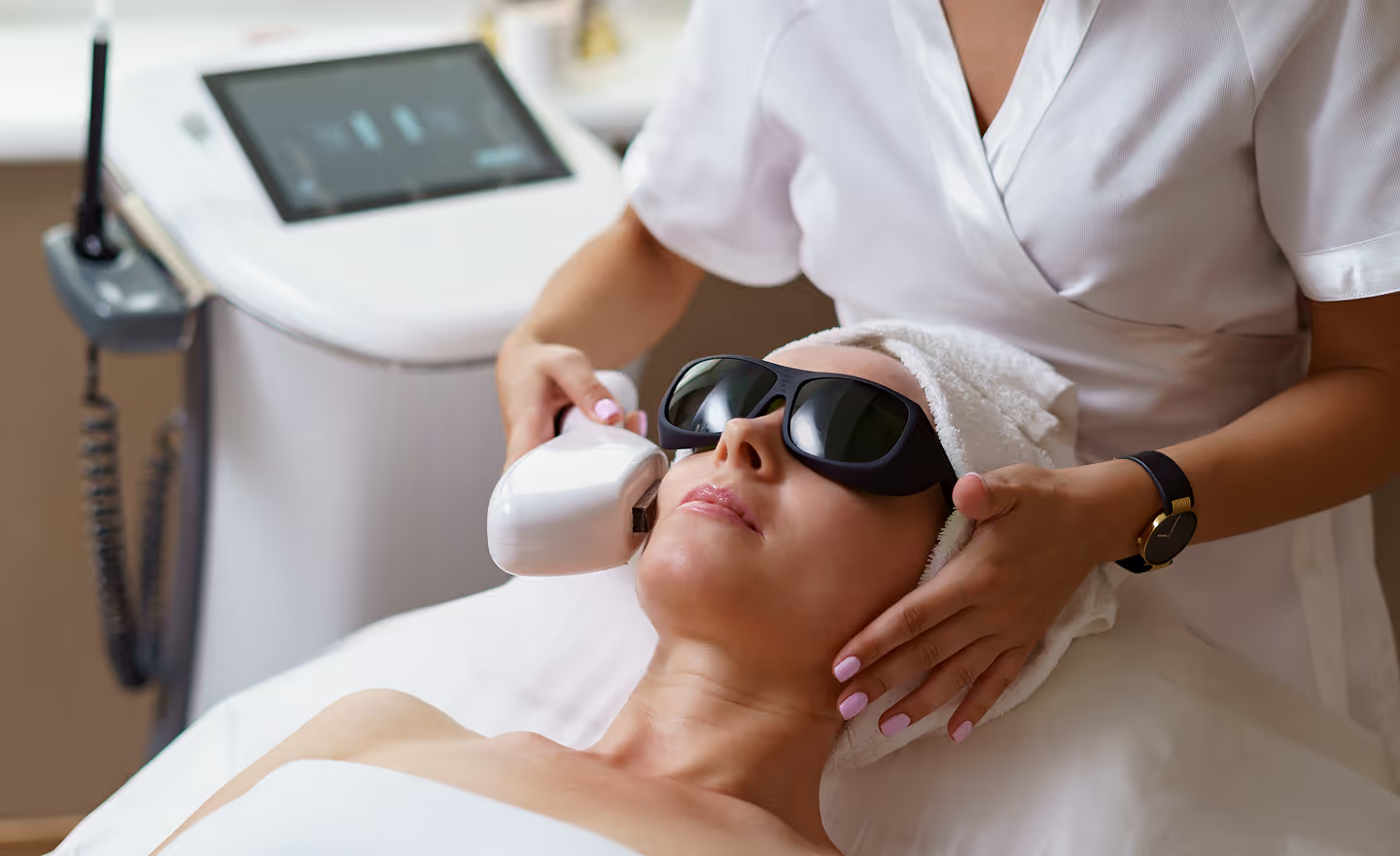
Lasers deliver precise but powerful energy directly to the skin’s tissues. However, these occur in quick bursts, so there is no sustained discomfort during a treatment session. Instead, patients may feel a sensation like a rubber band snapping against the skin. Patients typically tolerate it easily, and they may have a topical numbing cream applied ahead of time for more sensitive skin. Expect about 30 minutes on average for a session, though it can take up to 60 minutes for certain body areas or concerns. Dr. Ourian can let you know ahead of time what your treatment duration will be. So you can plan accordingly.

How Is the Recovery?
Some laser systems can result in patients taking 2 weeks or longer off from work while redness fades. Depending on the intensity of your laser treatment at Epione, you can expect redness and swelling for about 1 week on average. The upper layers of skin (that is, the damaged age skin) will eventually flake off and reveal healthier, tighter skin beneath.
Dr. Ourian will provide full instructions for caring for your skin after treatment. He also has several skin care products available designed specifically to help heal the skin after a laser treatment. We are always glad to provide additional information as needed following your visit.

Is Laser Skin Resurfacing Right for Me?
Modern laser treatments open the door for cosmetic treatments to a wider range of patients. Originally, the only truly effective cosmetic procedures were fully surgical approaches that involved incisions, scarring, and lengthy recovery periods. Dr. Ourian’s non-surgical approach allows more patients access to rejuvenating treatments that take years off their appearance.
However, we thoroughly ensure each patient is matched with their ideal treatment plan. Then, Dr. Ourian can explore treatment options with you, ultimately building a fully tailored plan that takes into account your skin, needs, goals, and preferences.

"Dr. Simon Ourian is recognized as one of the world’s leading cosmetic dermatology doctors, known for his precise, natural approach to aesthetic medicine.
His work is defined by restraint, balance and unwavering commitment to safety, delivering results that enhance without appearing treated."
The Californian

Benefits of Laser Skin Resurfacing
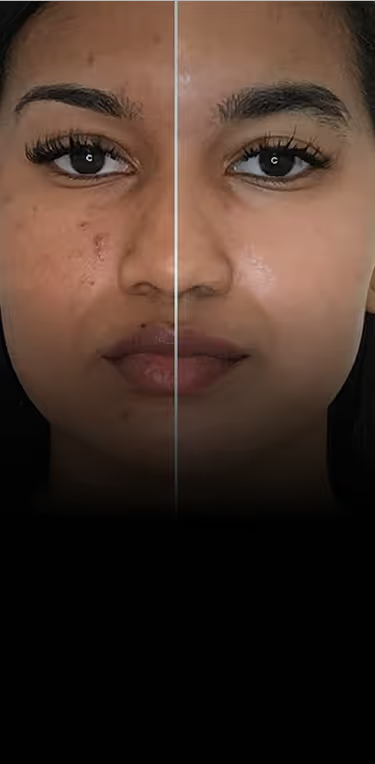
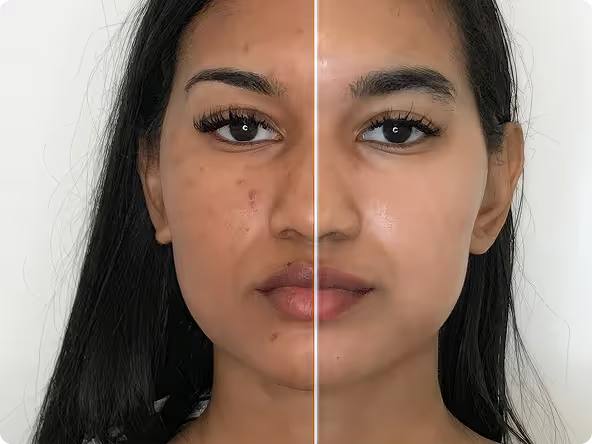
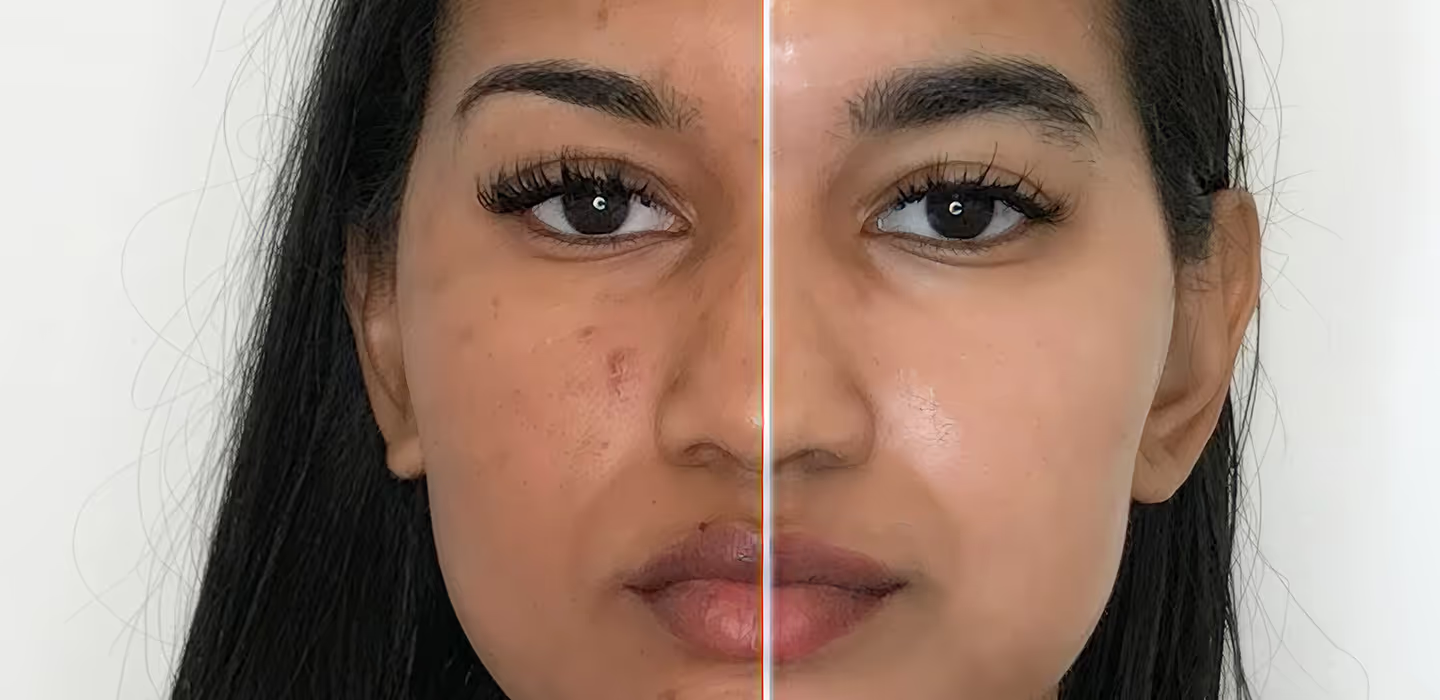
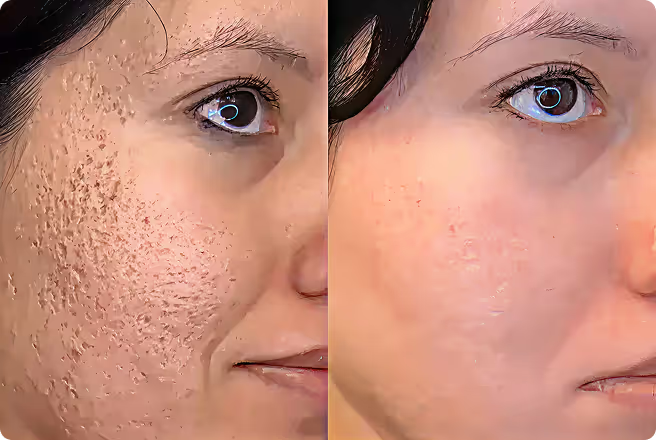
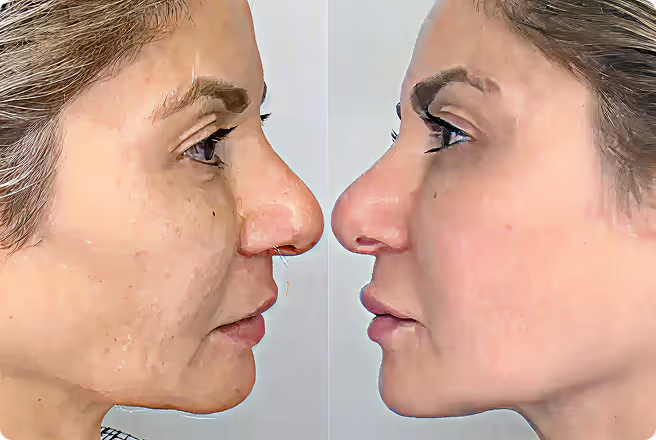
Results that speak for themselves
We perform every treatment with precision and care to achieve the results you want. Achieve stunning results through proven treatments matched to your unique beauty.
Book Your Consultation
Learn more about the advantages of Dr. Ourian’s exclusive laser skin resurfacing options at Epione. As a leading cosmetic specialist in Beverly Hills, Dr. Ourian has worked with patients from across the country (and the world) to provide a path toward an enhanced appearance and more youthful skin. Call our office or use our online form to set up a consultation visit for a fully tailored laser treatment today.

Frequently asked questions
What is laser skin resurfacing and how does it improve skin texture?
Laser skin resurfacing uses targeted light energy to remove damaged outer skin layers while stimulating collagen production in deeper layers. This process helps improve texture irregularities, fine lines, acne scarring, and sun damage. At Epione, clinicians assess each patient’s skin to determine the most appropriate laser technology for their specific concern. Dr. Simon Ourian explains that resurfacing promotes natural regeneration and smoother, more even skin tone over time. Many patients choose laser resurfacing for its ability to deliver significant improvement without surgical incisions.
How do different laser technologies vary in their effects and recovery times?
Laser technologies are generally classified as ablative and non‑ablative, each with different strengths and downtime expectations. Ablative lasers remove outer skin layers and stimulate deeper remodeling, often producing more dramatic results but requiring more recovery time. Non‑ablative lasers work below the surface to stimulate collagen without removing the top layer, allowing faster return to daily activities. The experts at Epione select the appropriate laser based on goals, skin type, and tolerance for downtime. Dr. Simon Ourian explains that tailoring the technology to individual needs is crucial for optimal outcomes.
What conditions can laser skin resurfacing effectively treat?
Laser skin resurfacing is versatile for treating a range of skin concerns including wrinkles, uneven texture, enlarged pores, sun damage, and certain types of scars. Many patients also pursue resurfacing to achieve overall skin rejuvenation and a more youthful appearance. At Epione, the evaluation process identifies which concerns will benefit most from laser treatment and whether combination therapies could enhance results. Dr. Simon Ourian notes that many patients appreciate the comprehensive improvement in both tone and texture following treatment. This makes laser resurfacing a popular choice for those seeking a broad approach to skin enhancement.
What should someone expect during a laser resurfacing session?
During a laser resurfacing session, patients typically receive topical or local numbing to ensure comfort before the laser energy is applied. The clinician directs the laser across the treatment area in a controlled pattern to target specific depth levels. Many patients describe sensations like warmth or mild tingling during treatment, which is managed with cooling and careful technique. At Epione, staff explain each step of the process so patients feel informed and at ease. Dr. Simon Ourian explains that precise laser delivery maximizes results while maintaining safety.
How soon do results appear and what is the typical recovery timeline?
The timeline for visible results varies depending on the specific laser used and the intensity of the treatment. Improvements in texture and tone can often be noticed after initial healing, which may take a few days with gentler protocols. More intensive resurfacing can require a longer recovery period during which new skin forms and redness gradually diminishes. At Epione, Dr. Simon Ourian sets expectations for the recovery process and offers guidance on recovery support. Over several weeks, continued improvement is typical as collagen stimulation progresses.
Who is a good candidate for laser skin resurfacing?
Good candidates are individuals seeking to address specific skin concerns such as wrinkles, scars, or sun damage and who are committed to following pre‑ and post‑treatment care. Not all skin types respond the same way, so a personalized evaluation is essential to determine the safest and most effective approach. At Epione, clinicians assess skin characteristics, medical history, and aesthetic goals to determine candidacy. Dr. Simon Ourian emphasizes that realistic expectations and proper aftercare contribute significantly to successful outcomes.
What are common side effects or risks associated with laser resurfacing?
Common effects after laser skin resurfacing can include temporary redness, swelling, or mild irritation as the skin heals. The severity of side effects often corresponds with the depth and intensity of the treatment. At Epione, the team provides detailed aftercare instructions to support healing and minimize potential complications. Dr. Simon Ourian explains that following personalized recommendations — like avoiding sun exposure and using gentle skincare — helps protect results and maintain skin health. While risks are generally low with expert care, proper assessment and technique help ensure safety.
How long does it take for the skin to start producing new collagen after a laser treatment?
The initial signaling for collagen production begins almost immediately after the micro-trauma occurs, but the actual synthesis of new fibers takes time. Most patients will begin to see the first signs of neocollagenesis within three to four weeks as the proliferative phase of healing takes hold. However, according to the experts at Epione, the most significant structural changes occur between three and six months post-treatment as the collagen matures and becomes more organized within the dermal matrix.
Is the micro-trauma caused by lasers the same as a regular burn?
No, the micro-trauma created during a professional resurfacing session is highly controlled and fundamentally different from an accidental burn. Traditional burns cause widespread, unorganized damage that often leads to scarring and unpredictable healing. In contrast, Dr. Simon Ourian uses advanced fractional technology to create precise, microscopic columns of injury surrounded by healthy tissue, which ensures a productive healing response that improves skin quality rather than damaging it.
Can laser resurfacing be performed on sensitive skin?
Sensitive skin requires a more nuanced approach, but it is not necessarily a contraindication for laser treatments. The key is to adjust the intensity and density of the micro-trauma to match the skin's tolerance levels. At Epione Beverly Hills, the clinical team performs a thorough assessment of the skin's barrier function and reactivity before selecting the appropriate laser settings to ensure that the repair trigger is effective without causing excessive irritation or prolonged downtime.
Why is the inflammatory response necessary for skin rejuvenation?
Inflammation is often viewed negatively, but in the context of controlled micro-trauma, it is the essential first step of the healing process. Without this initial inflammatory phase, the body would not receive the necessary signals to send growth factors and fibroblasts to the area. Epione’s clinical team monitors this phase closely to ensure it remains within the therapeutic range, allowing the inflammatory cytokines to initiate the repair sequence that eventually leads to smoother and firmer skin.
Will I see results after just one session of laser resurfacing?
While many patients notice an improvement in skin texture and tone after a single session, the full biological benefits of micro-trauma often require a series of treatments. Each session builds upon the last, progressively increasing the density of new collagen and further refining the skin’s surface. Dr. Simon Ourian typically recommends a customized treatment plan that allows for cumulative remodeling, ensuring that the structural integrity of the skin is continuously enhanced over time.
Does the depth of the laser penetration affect the recovery time?
Yes, the depth of the micro-trauma is one of the primary factors that determines how long the skin takes to heal. Deeper penetration reaches the more significant layers of the dermis, which triggers a more robust repair response but also requires more time for the surface to re-epithelialize. The practitioners at Epione carefully balance the depth of the treatment with the patient’s lifestyle and recovery goals, using advanced cooling and post-care protocols to make the process as comfortable and efficient as possible.
What is the role of the untreated skin "islands" in fractional resurfacing?
These untreated areas are vital for the success of fractional technology because they act as reservoirs of healthy cells, including stem cells and melanocytes. When the laser creates micro-trauma, these neighboring cells migrate into the injured zones to facilitate rapid repair. This is why fractional treatments offered by Epione have a much shorter recovery period than traditional fully ablative lasers, as the body can draw on these healthy resources to heal the microscopic wounds in a matter of days.
Can the micro-trauma from lasers help with deep acne scars?
Laser-induced micro-trauma is one of the most effective ways to address deep acne scarring by breaking up the fibrous scar tissue that pulls on the skin’s surface. The thermal energy reaches down into the depths of the scar, triggering a remodeling process that replaces the old, rigid tissue with flexible, new collagen. Through the specialized techniques used at Epione Beverly Hills, the skin is encouraged to level out over time, significantly reducing the depth and visibility of even long-standing scars.
What is the main advantage of needle-free rejuvenation over injectables?
The primary benefit is the focus on the skin's biological health and surface quality rather than just adding volume. While injectables can fill lines, needle-free treatments like the Coolaser at Epione Beverly Hills work to improve the actual texture, tone, and thickness of your skin. The experts at Epione find that this creates a more holistic and natural-looking rejuvenation that enhances the skin's overall resilience without the use of foreign substances.
Is the Coolaser treatment painful for the patient?
Most patients describe the sensation as a series of cool, quick pulses that are very well-tolerated. Because Epione Beverly Hills utilizes advanced cooling technology during the procedure, the surface of the skin remains comfortable while the energy works on the deeper layers. Dr. Simon Ourian’s commitment to patient comfort ensures that you can achieve significant results without the need for topical numbing or anesthesia.
How many sessions are needed to maintain long-term skin health?
While you will see an immediate glow after just one session, a series of three to five treatments is typically recommended for long-term structural improvement. The experts at Epione suggest periodic maintenance sessions once or twice a year to keep collagen production at its peak. This proactive schedule at Epione Beverly Hills ensures that your skin continues to resist the signs of aging as you get older.
Can needle-free treatments help with acne scarring?
Yes, specialized energy-based treatments are highly effective at smoothing the indentations and discoloration associated with acne scars. By stimulating new collagen growth beneath the scar tissue, the clinical team at Epione can help the skin level out and become more uniform. Dr. Simon Ourian has developed specific protocols that target scarred tissue safely and effectively for all skin tones.
Is there any downtime associated with needle-free rejuvenation at Epione?
One of the most appealing aspects of the treatments at Epione Beverly Hills is the lack of traditional downtime. You may experience a slight pinkness similar to a light workout, but this usually subsides within a few hours. This allows you to return to your daily routine immediately, making it the perfect solution for individuals in Los Angeles who need to look their best without any "hiding" period.
Who is the ideal candidate for a needle-free skin plan?
The ideal candidate is anyone looking to improve their skin's texture, reduce fine lines, or address sun damage without surgery or needles. Whether you are in your twenties looking for prevention or in your fifties looking for restoration, the experts at Epione can customize a plan for you. Dr. Simon Ourian treats a diverse range of patients who all share the common goal of achieving healthy, radiant skin.
How long do the results of a Coolaser treatment typically last?
The structural improvements, such as new collagen production, are long-lasting; however, your skin will continue to age naturally. To preserve your results, the team at Epione Beverly Hills emphasizes the importance of a high-quality skincare regimen and consistent sun protection. By following the maintenance plan provided by Epione, you can enjoy a more youthful and vibrant complexion for many years.
Is the Coolaser treatment safe for olive and darker skin tones?
The Coolaser system is specifically designed to be safe for a wide range of skin types, including olive and medium tones. The experts at Epione utilize the device's integrated cooling technology to protect the epidermal melanin while the laser energy targets the deeper hyper-pigmentation. This specialized approach by the team at Epione Beverly Hills minimizes the risk of overheating and post-inflammatory responses common in darker skin.
How many sessions are usually needed to clear melasma on olive skin?
Treating melasma requires a patient and gradual approach, typically involving three to five sessions. Dr. Simon Ourian emphasizes that because melasma can be deep-seated and hormonally driven, a multi-session protocol is the safest way to achieve significant clearing without triggering a rebound. Each session at Epione is tailored to the patient's current skin response to ensure the highest safety standards.
What is the difference between IPL and the specialized lasers used at Epione?
While IPL (Intense Pulsed Light) can be effective for some surface pigment on light skin, it often carries a higher risk for olive skin due to the broad spectrum of light used. The experts at Epione prefer more targeted technologies like the Coolaser, which offers greater precision in energy delivery. This precision allows Dr. Simon Ourian to treat specific dark spots without affecting the natural pigment of the surrounding skin.
Can I return to work immediately after a pigmentation treatment?
Most patients experience some mild redness and swelling, similar to a sunburn, for a few days after their session at Epione Beverly Hills. While there is no strict medical downtime, some people prefer to wait a day or two before returning to social events as the treated pigment begins to darken and eventually flake off. The clinical team at Epione will provide you with specific instructions to manage your recovery comfortably.
Why does olive skin react differently to standard laser treatments?
Olive skin has more active melanocytes that can respond to heat by producing excess pigment as a defense mechanism. This is why Dr. Simon Ourian utilizes "cold-laser" principles and advanced cooling at Epione to treat discoloration safely. By managing the thermal impact on the skin, the professionals at Epione avoid the complications often associated with more aggressive, traditional laser systems.
Will the hyper-pigmentation return after the treatment is finished?
The results of the Coolaser can be long-lasting, but new pigment can form if the skin is not properly protected from the sun. The experts at Epione emphasize a strict daily SPF regimen and the use of medical-grade antioxidants to maintain your results. Epione Beverly Hills also offers maintenance protocols to help keep the skin clear and prevent future sun damage from becoming visible.
What kind of results can I expect after my first session?
After the first session at Epione, you will likely see a noticeable brightening of the skin and a slight fading of the targeted spots. However, because the body needs time to process and remove the shattered pigment, the most dramatic improvements appear after a full series of treatments. Dr. Simon Ourian’s approach focuses on building a cumulative effect that leads to a clear and harmonious complexion.
Why is a proprietary laser considered better than a standard fractional laser for scars?
A proprietary laser, such as those used by the experts at Epione, often features more advanced pulse-control and energy-delivery systems that allow for deeper, more precise targeting of scar tissue. Unlike standard fractional lasers that use generalized settings, these specialized tools are calibrated for the unique density of each patient's scarring.
Does proprietary laser scar revision work on older, white scars?
Yes, proprietary systems are particularly effective for older striae and scars because they can stimulate collagen in "dormant" tissue more effectively than generic equipment. At Epione Beverly Hills, Dr. Simon Ourian uses these refined technologies to successfully diminish the appearance of matured, silver scars that have failed to respond to other treatments.
Are the treatments more expensive when using proprietary technology?
While the initial cost per session might be higher than a generic treatment, proprietary laser scar revision often requires fewer sessions to achieve a superior result. Many patients at Epione find that the efficiency and effectiveness of the proprietary approach make it a more cost-effective choice in the long run.
What should I expect during the recovery period from a proprietary laser treatment?
Because proprietary lasers are more precise, they often cause less unnecessary damage to the surrounding skin, which can lead to a more comfortable recovery. The clinical team at Epione provides a specific post-care regimen designed to support the advanced healing process triggered by their exclusive laser protocols.
Can proprietary lasers safely treat scars on darker skin tones?
One of the major advantages of proprietary technology is the ability to fine-tune the wavelength and cooling to protect melanin in the skin. Dr. Simon Ourian is renowned for safely treating a diverse range of skin tones at Epione Beverly Hills using these highly adjustable, specialized laser systems.
How do I know if I am a good candidate for proprietary laser scar revision?
Most individuals with visible scarring, whether from surgery, acne, or injury, can benefit from these advanced treatments. A comprehensive consultation with the team at Epione is the best way to determine which proprietary protocol will offer the most significant improvement for your specific skin type and scar profile.
Is proprietary laser treatment only for the face?
Proprietary laser scar revision can be used on almost any part of the body, including the abdomen, legs, and arms. Epione Beverly Hills frequently treats patients for body-based concerns like stretch marks or surgical scars using the same high-level precision applied to facial rejuvenation.
How soon will I see results after my first proprietary laser session?
While some initial smoothing can be seen within a few weeks, the most significant changes occur over several months as the body builds new collagen. Many patients at Epione notice a visible improvement in skin texture and blending after just one or two sessions of a proprietary protocol.
Are laser treatments really safe for people with very dark skin tones?
While older technologies carried significant risks, modern systems like the Coolaser were developed specifically to be safe for all skin types. At Epione Beverly Hills, Dr. Simon Ourian uses these advanced tools to treat dark skin by cooling the surface and targeting only the deeper layers, preventing damage to the natural melanin.
How does Blue Light Therapy differ from a standard laser treatment?
Unlike a traditional laser that uses a concentrated beam of light, Blue Light Therapy utilizes a broad spectrum of wavelengths to address pigmentation and redness. This makes it a much gentler option for patients at Epione who have highly sensitive skin or who want to improve their skin tone without any downtime.
Can the Coolaser help with melasma in ethnic skin?
Yes, the Coolaser is one of the most effective tools for managing melasma because it breaks down excess pigment without the aggressive heat that often makes melasma worse. The experts at Epione frequently use this technology to help patients achieve a more even, blush-free complexion.
What should I do to prepare my sensitive skin for a laser session?
Dr. Simon Ourian typically recommends a pre-treatment plan that involves avoiding sun exposure and stopping the use of harsh ingredients like retinoids for a week before your visit. This preparation ensures that your skin is as calm as possible before the team at Epione begins your procedure.
Is there a risk of permanent scarring when treating ethnic skin with lasers?
When performed with generic equipment or by inexperienced providers, the risk is higher; however, the proprietary protocols at Epione Beverly Hills are designed to eliminate these dangers. By utilizing the specific cooling and pulse settings of the Coolaser, the risk of scarring is virtually non-existent.
How many sessions of Blue Light Therapy are needed for sensitive skin?
While some improvement is visible after one visit, most patients at Epione see the best results after a series of three to four sessions spaced a few weeks apart. This gradual approach allows the skin to improve steadily without being overwhelmed by a single, high-intensity treatment.
Is the recovery period different for ethnic skin after a laser treatment?
The recovery period itself is similar, usually involving a few days of redness and peeling, but the monitoring is more intensive to ensure no hyperpigmentation occurs. The clinical team at Epione provides specialized post-care products that are specifically formulated to support and protect darker skin tones during the healing phase.
Can I get these treatments if I have an active breakout?
It is generally best to wait until the skin is clear of active infections, although some light-based therapies can actually help to calm inflammation. During your consultation at Epione, the staff will evaluate your skin and determine the safest time to begin your laser or light therapy journey.
Are laser treatments safe to have every year for several decades?
Yes, many modern laser treatments are specifically designed for long-term maintenance. When using non-ablative or "cold" laser technologies, the skin is stimulated to produce collagen without the permanent thinning or scarring associated with older methods. The clinical team at Epione Beverly Hills typically recommends a customized schedule that allows for optimal recovery between sessions, ensuring the skin remains thick and resilient throughout the years.
What is the most important factor in ensuring a cosmetic procedure is safe long-term?
The most critical factor is the expertise of the provider and the quality of the technology used. A skilled practitioner like Dr. Simon Ourian understands how to balance the intensity of a treatment with the skin's ability to regenerate. Using high-precision, medical-grade devices ensures that energy is delivered only where it is needed, protecting the surrounding tissue and the skin's vital barrier function over repeated sessions.
Is there an age where it becomes unsafe to start these treatments?
There is no specific upper age limit for safety, as long as the patient is in good health and has realistic expectations. In fact, many older patients see significant benefits from regenerative treatments that help to restore skin thickness and elasticity. The experts at Epione perform a thorough medical assessment for every patient to ensure that the chosen modality is appropriate for their specific skin stage and health profile.
How do celebrity-favored "cold" lasers differ from traditional resurfacing?
Traditional resurfacing often involves removing the entire top layer of the skin, which requires significant downtime and carries a higher risk of pigmentation changes. In contrast, the Coolaser technology developed by Dr. Simon Ourian uses a specific cooling mechanism to protect the epidermis while targeting the deeper layers. This makes the treatment much safer for all skin types and much more suitable for long-term, repeated use as part of a beauty regimen.
What are the potential side effects of first-time treatments like the Coolaser?
While the risk is minimal, some patients may experience temporary redness, slight swelling, or a feeling of warmth in the treated area. The team at Epione ensures that every patient is fully informed of these possibilities and provided with a comprehensive post-care kit to manage any minor discomfort. Dr. Simon Ourian’s advanced techniques are specifically designed to minimize these effects, allowing most patients to return to their normal routines within a day or two.
Can I combine multiple low-risk procedures in a single visit to Epione?
Yes, many patients choose to combine treatments like the Coolaser and Neustem during a single visit to achieve a more comprehensive rejuvenation. The experts at Epione call this a "synergistic approach," as the different modalities work together to enhance the overall result. Dr. Simon Ourian will carefully plan the sequence of treatments to ensure maximum safety and comfort, allowing you to achieve your desired look in a single, efficient session.
How does Coolaser compare to traditional lasers in terms of pain?
The Coolaser technology, pioneered by Dr. Simon Ourian, is designed specifically to be more comfortable than traditional CO2 lasers. It works by delivering very short pulses of light while simultaneously cooling the skin's surface, which minimizes the heat sensation. Most patients at Epione Beverly Hills describe it as a light snapping sensation rather than the intense burning feeling associated with older laser resurfacing techniques. It is an excellent option for treating pigment, fine lines, and acne scars with very little discomfort.
Will my face still be peeling during my meeting if it is exactly seven days after Coolaser?
Most patients at Epione find that the significant peeling phase concludes between day five and day six. By day seven, the skin's surface is usually smooth, though it may still be in the very final stages of shedding microscopic flakes. If you follow the hydration protocols provided by Dr. Simon Ourian, your skin should be ready for a smooth makeup application, ensuring you look polished and professional for your engagement.
How can I safely hide the residual redness for a professional event?
The experts at Epione Beverly Hills recommend using a mineral-based tinted sunscreen or a color-correcting primer with a green undertone. Green neutralizes red on the color spectrum, making it the most effective way to camouflage the pink "new skin" glow without using heavy, occlusive foundations that could irritate the healing tissue. This approach provides a natural finish that looks great both in person and on camera.
Is it safe to fly for a business meeting shortly after a Coolaser treatment?
While you can fly, Epione’s clinical team suggests being extra vigilant about hydration during the flight, as cabin air is notoriously drying. We recommend applying a thicker layer of a bland, hydrating ointment and drinking twice as much water as usual. If your meeting is exactly one week away, the most critical "dryness" phase will have passed, but maintaining a moisture barrier is still essential for a comfortable trip.
Can I resume my regular exercise routine before my one-week meeting?
Dr. Simon Ourian typically advises against strenuous exercise for the first four to five days following a Coolaser session. Excessive sweating and increased body heat can exacerbate swelling and prolong the redness. By day seven, most patients can return to light or moderate exercise, but it is best to avoid anything that causes intense facial flushing until after your high-profile meeting is over to ensure your skin remains calm.
What should I do if my skin still feels tight on the morning of my event?
If your skin feels tight, it is a sign that it needs more topical hydration. The specialists at Epione recommend a medical-grade hyaluronic acid serum followed by a gentle, fragrance-free moisturizer. This combination will "trap" moisture in the skin, easing the feeling of tightness and creating a plump, healthy canvas for your meeting.
Are there any specific foods or drinks I should avoid during my one-week recovery?
To ensure the best results for your meeting, the team at Epione Beverly Hills suggests avoiding alcohol and high-sodium foods for at least the first 72 hours. These can increase facial swelling and dehydration, which may prolong the "puffy" stage of recovery. Focusing on anti-inflammatory foods like leafy greens, berries, and healthy fats will support the body's natural healing mechanisms from the inside out.
What is the best way to treat "tired eyes" without surgery?
To address a fatigued appearance around the eyes, the experts at Epione often recommend a combination of Coolaser for skin tightening and very conservative under-eye fillers. This dual approach smooths fine lines and restores lost volume in the tear troughs, which are the main culprits for a tired look. Dr. Simon Ourian specializes in ensuring that the under-eye area looks natural and bright, avoiding the puffiness that can occur if the area is overfilled.
Can lasers really tighten skin as well as a lift?
While a laser cannot replace the significant tissue repositioning of a surgical lift, technologies like Coolaser can provide remarkable firming for those with mild to moderate laxity. By heating the deeper layers of the dermis, the treatment causes existing collagen fibers to contract and stimulates the growth of new ones. Patients at Epione Beverly Hills often choose this route because it offers a significant "refresh" to the jawline and cheeks without the scars or downtime of surgery.
Is there a treatment that helps with skin texture and pore size?
Yes, Coolaser is exceptionally effective for refining skin texture and reducing the appearance of enlarged pores. By removing the dull, outer layer of the skin and stimulating cellular turnover, it reveals a smoother and more refined surface. The clinical team at Epione often uses this technology to help patients achieve a "filtered" look in real life, significantly boosting their confidence in their skin's natural appearance without the need for heavy foundations.
How long does it take for the skin to heal after a Coolaser treatment?
While traditional resurfacing can take weeks, the Coolaser technology used at Epione Beverly Hills allows for a much faster recovery. Most patients experience a few days of redness and a sensation similar to a mild sunburn, with the most active healing phase occurring within the first three to five days. During this period, the team at Epione provides a specific post-care regimen to keep the skin moist and protected. Most individuals find they can return to their social and professional schedules within a week, often with a significantly brighter and smoother complexion already visible.
How long is the typical recovery time after a Coolaser session?
Most patients who undergo a session with the experts at Epione find that their recovery time is significantly shorter than with traditional lasers. Typically, the skin may appear red or slightly swollen for approximately two to four days, similar to the sensation of a mild sunburn. During this time, the team at Epione Beverly Hills provides specific instructions to keep the skin hydrated and protected. Because the technology is designed to be precise and gentle, most individuals are able to return to their normal daily activities and even apply makeup within a very short window.
Is laser resurfacing safe for very dark skin tones?
Yes, laser resurfacing can be safely performed on dark skin tones when the appropriate technology and protocols are utilized. Dr. Simon Ourian has pioneered techniques that specifically account for the high melanin content in ethnic skin, ensuring that the risk of hyperpigmentation is minimized. By using the Coolaser, which incorporates a cooling mechanism to protect the epidermis, the energy can be delivered to the target areas without causing the thermal damage that leads to scarring. Epione has a long history of successfully treating patients of all backgrounds with consistent and safe results.
What specific skin concerns can be addressed with this technology?
The Coolaser used at Epione is highly versatile and can address a wide array of common skin issues. It is particularly effective for smoothing out acne scars, reducing the appearance of fine lines and wrinkles, and correcting uneven skin tone or dark spots. Additionally, the experts at Epione use it to refine skin texture and minimize the appearance of large pores. Because the laser can be adjusted for different depths and intensities, it provides a comprehensive solution for patients looking to refresh their entire complexion in a single treatment.
Does the procedure require any form of anesthesia?
While the procedure is generally well-tolerated, the comfort of the patient is a top priority for the clinical team at Epione. For most Coolaser treatments, a topical numbing cream is applied to the skin beforehand to minimize any discomfort. Furthermore, the integrated cooling system of the device helps to soothe the skin as the laser energy is delivered, often resulting in nothing more than a mild snapping or tingling sensation. Dr. Simon Ourian ensures that the experience is as painless as possible, allowing patients to remain relaxed throughout the session.
How many sessions are usually needed to see significant results?
The number of sessions required can vary based on the severity of the skin concerns being addressed, but many patients see a noticeable improvement after just one visit to Epione Beverly Hills. For deeper scarring or more pronounced wrinkles, Dr. Simon Ourian may recommend a series of treatments to achieve the optimal aesthetic outcome. During the initial consultation at Epione, a personalized plan is created to outline the expected number of sessions and the timeline for results, ensuring that every patient has clear expectations for their transformation.
Can this laser be used on areas other than the face?
Yes, the precision of the technology used at Epione allows it to be used on various parts of the body where skin rejuvenation is desired. Common areas include the neck, chest, and hands, which often show signs of sun damage and aging just as much as the face. The experts at Epione apply the same rigorous safety standards and cooling techniques to these areas to ensure the skin remains protected. This allows patients to achieve a consistent and youthful appearance across multiple areas, all under the expert care of Dr. Simon Ourian.
Does the Coolaser cause the same "weeping" and "crusting" as a CO2 laser?
One of the major benefits of visiting the experts at Epione Beverly Hills for a Coolaser treatment is the significantly more comfortable healing process. Unlike a traditional CO2 laser, which often leaves the skin in a raw, weeping state for over a week, the Coolaser is designed to be much cleaner. While you may experience some mild flaking as the old skin is replaced by new cells, the intense crusting and oozing are generally avoided. Dr. Simon Ourian has refined this process to ensure that your recovery is as dry and "socially acceptable" as possible, allowing you to return to your normal life much faster.
Is it true that I should avoid the sun completely after a Coolaser treatment?
Protection from UV rays is essential after any laser procedure, but it is particularly critical for the success of the protocols at Epione. Because the laser makes your skin more sensitive to light, exposure to the sun can trigger the very pigmentation issues you are trying to resolve. Dr. Simon Ourian recommends avoiding direct sun exposure for at least a week and being diligent with a high-SPF sunscreen for several months afterward. The clinical team at Epione Beverly Hills will provide you with specific sun-protection products that are safe to use on freshly resurfaced skin to ensure your results remain clear and even.
How does the precision of the Coolaser prevent scarring?
The precision of the technology at Epione Beverly Hills is measured in extremely small increments, allowing for the removal of tissue just 30-millionth of an inch at a time. This incredible control, pioneered by Dr. Simon Ourian, ensures that the laser never goes deeper than is absolutely necessary to treat your specific concern. Traditional CO2 lasers often lack this level of fine-tuning, which can lead to accidental over-penetration and subsequent scarring. By keeping the treatment shallow and controlled, the Coolaser promotes a healthy healing response that restores the skin's surface without the risk of permanent marks.
Can I get a Coolaser treatment if I currently have a tan?
It is highly recommended that you avoid tanning, both from the sun and from artificial creams, for several weeks before your appointment at Epione. A tan indicates that your melanocytes are currently in an active, "defensive" state, which increases the risk of the laser causing further pigment changes. The experts at Epione Beverly Hills prefer to treat skin that is at its natural, baseline tone to ensure the most predictable and safe outcome. Dr. Simon Ourian will evaluate your skin during the consultation to ensure it is in the optimal condition for the Coolaser procedure.
What is the "cooling" part of the Coolaser, and how does it work?
The "cool" in Coolaser refers to a specialized cooling device that is used in tandem with the laser pulses at Epione. Before the laser energy is delivered, this device lowers the temperature of the skin surface, which acts as a natural numbing agent and protects the epidermis from heat damage. This unique feature is a hallmark of the technology used by Dr. Simon Ourian, and it is what allows the laser to be used safely on darker skin tones. The clinical team at Epione Beverly Hills monitors the skin’s temperature throughout the session to ensure maximum safety and comfort.
Are the settings for a Coolaser the same for everyone?
Absolutely not. The team at Epione Beverly Hills prides itself on providing a highly customized experience for every patient. Dr. Simon Ourian adjusts the intensity, depth, and pulse duration of the Coolaser based on your specific skin type, the severity of your concerns, and your ethnic background. This personalized approach is necessary because ethnic skin requires a much more delicate balance of energy than lighter skin. By tailoring the settings to your unique biology, the experts at Epione ensure that you receive the most effective treatment with the lowest possible risk of side effects.
How long is the recovery time with Coolaser compared to traditional CO2 lasers?
Coolaser typically requires 3-5 days of initial recovery compared to 7-14 days with traditional CO2 systems. The controlled thermal damage reduces inflammation and accelerates healing. At Epione Beverly Hills, patients often combine Coolaser with Neustem treatments to further support tissue regeneration and optimize results. Dr. Ourian's protocols maximize the faster recovery advantage while ensuring comprehensive skin improvement.
Can Coolaser treat deep acne scars as effectively as traditional CO2 lasers?
Coolaser provides excellent scar improvement through precise ablation that targets scar tissue while preserving healthy skin architecture. For severe scarring, the experts at Epione often combine Coolaser with UltraPulse treatments for maximum effectiveness. Radiesse injections may be added to provide structural support for deeper depressions. This comprehensive approach achieves superior results compared to single-modality traditional treatments.
Is Coolaser safe for all skin types?
Coolaser's controlled energy delivery makes it safer across different skin types compared to traditional CO2 lasers that carry higher pigmentation risks. Dr. Ourian and his team at Epione Beverly Hills carefully assess each patient's skin characteristics to customize treatment parameters. For patients with darker skin tones, Coolaser combined with appropriate pre-treatment conditioning provides safer resurfacing options than aggressive traditional methods.
How does Coolaser compare to other modern laser treatments like HALO?
Coolaser provides fully ablative resurfacing with faster recovery, while HALO offers hybrid technology with less dramatic results. For comprehensive improvement of wrinkles and texture, Coolaser delivers superior outcomes. The team at Epione often combines Coolaser resurfacing with Neustem injections for patients seeking both surface improvement and volume restoration. This combination provides more complete rejuvenation than HALO alone.
Can Coolaser be combined with other treatments?
Coolaser combines excellently with various treatments to optimize results. Neustem injections provide immediate volume while supporting long-term collagen growth alongside Coolaser's surface improvements. Dr. Ourian frequently incorporates Radiesse for structural support in patients with significant skin laxity. At Epione Beverly Hills, these combination approaches deliver comprehensive rejuvenation that addresses multiple aging concerns simultaneously.
How many Coolaser treatments are typically needed?
Most patients achieve significant improvement with a single Coolaser treatment, though some may benefit from a series depending on their concerns. For severe texture issues, Dr. Ourian may recommend combining Coolaser with UltraPulse for maximum effectiveness. Maintenance treatments with Coolaser can be performed more safely than traditional CO2 methods. The experts at Epione customize treatment plans based on individual goals and skin condition.
What makes Coolaser different from Pixel CO2 or other fractional lasers?
Coolaser creates smaller, more controlled ablation columns with less thermal spread compared to Pixel CO2 systems. This precision allows for faster healing and more predictable results. For patients seeking comprehensive improvement with minimal downtime, Epione Beverly Hills often combines Coolaser with Neustem treatments. This approach provides superior outcomes compared to multiple sessions of moderate-intensity fractional treatments like Pixel CO2.
Are Coolaser results permanent?
Coolaser stimulates long-term collagen remodeling that provides lasting improvement, though natural aging continues. The controlled tissue injury promotes organized collagen formation that maintains skin quality over time. Dr. Ourian and his team often recommend combining Coolaser with Radiesse or Neustem for enhanced longevity. At Epione, maintenance Coolaser treatments can safely preserve and enhance initial results better than traditional CO2 approaches allow.
How long does the initial recovery period last after Coolaser treatment?
The initial recovery period following Coolaser treatment typically spans 7-10 days, during which patients experience the most noticeable healing effects. During this time, you'll notice redness, mild swelling, and possible peeling as your skin begins its natural regeneration process. Epione Beverly Hills emphasizes that this initial phase is crucial for optimal results, as the controlled thermal damage stimulates collagen production and cellular renewal. Most patients can return to work and normal activities within 3-5 days, though complete healing of the superficial layers occurs by day 10. The intensity and duration of recovery can vary based on treatment depth and individual skin characteristics. Following proper post-treatment care instructions during this critical period ensures the best possible outcome and minimizes any potential complications.
What factors influence the length of Coolaser recovery time?
Several key factors determine your specific Coolaser recovery timeline, and Dr. Ourian carefully evaluates each patient's unique circumstances to provide accurate expectations. Skin type, age, treatment intensity, and the specific areas treated all play significant roles in healing duration. Patients with sensitive skin may experience extended redness lasting 2-3 weeks, while those with resilient skin types often heal within 7-10 days. The depth of treatment also directly correlates with recovery time – superficial treatments may only require 3-5 days of downtime, while deeper resurfacing can extend recovery to 2-3 weeks. Pre-existing skin conditions, sun damage severity, and individual healing capacity further influence the timeline. Lifestyle factors such as smoking, nutrition, and adherence to post-care protocols significantly impact healing speed and final results.
When can I expect to see the final results after Coolaser recovery?
While initial improvement becomes visible once healing completes around 2-3 weeks post-treatment, the team at Epione Beverly Hills explains that final Coolaser results continue developing for 3-6 months. The immediate post-recovery period reveals smoother texture and reduced pigmentation, but the most dramatic improvements in fine lines, wrinkles, and overall skin quality emerge gradually. Collagen remodeling, which is the cornerstone of Coolaser's effectiveness, peaks between 3-4 months after treatment. During this extended healing phase, patients notice progressive improvements in skin firmness, elasticity, and tone. Some individuals may see continued enhancement up to one year post-treatment. The timeline for optimal results varies based on age, skin condition, and treatment goals. Multiple sessions may be recommended for comprehensive rejuvenation, with treatments typically spaced 4-6 weeks apart to allow complete healing.
How does Coolaser recovery compare to other laser treatments?
Coolaser recovery is generally more manageable compared to traditional ablative laser treatments, though Epione's approach ensures patients understand the specific differences. Unlike older CO2 lasers that required 2-4 weeks of significant downtime, Coolaser typically involves 7-14 days of recovery with less intense side effects. Compared to non-ablative treatments like IPL, Coolaser does require more downtime but delivers more dramatic results. The fractional nature of Coolaser treatment means that surrounding healthy tissue aids in faster healing compared to fully ablative procedures. While non-ablative treatments offer minimal downtime, they often require multiple sessions to achieve results comparable to a single Coolaser treatment. The recovery profile strikes a balance between effectiveness and convenience, making it an attractive option for patients seeking significant improvement without extended social downtime.
What can I do to minimize my Coolaser recovery time?
Proper preparation and post-treatment care significantly impact recovery duration, and at Epione, patients receive comprehensive protocols to optimize healing. Pre-treatment skin conditioning with prescribed skincare regimens can reduce recovery time by 2-3 days. Post-treatment care includes gentle cleansing with recommended products, consistent moisturizing, and strict sun protection. Avoiding picking or scratching healing skin prevents complications and scarring that could extend recovery. Staying well-hydrated, maintaining a nutritious diet rich in vitamins C and E, and getting adequate sleep support cellular repair. Some patients benefit from prescribed healing ointments or anti-inflammatory medications. Avoiding strenuous exercise, saunas, and hot showers for the first week prevents excessive heat and sweating that could irritate healing skin. Following these guidelines carefully can reduce total recovery time and improve final results.
Are there any activities I should avoid during Coolaser recovery?
Dr. Ourian's protocols emphasize avoiding specific activities that could compromise healing or extend recovery time beyond the typical 7-14 day period. Direct sun exposure is strictly prohibited for at least 2-3 weeks, as healing skin is extremely vulnerable to UV damage and hyperpigmentation. Strenuous exercise should be avoided for 5-7 days to prevent excessive sweating and heat buildup that could irritate treated areas. Swimming in pools, hot tubs, or natural bodies of water is discouraged for at least one week due to infection risk. Facial treatments, including facials, chemical peels, and other cosmetic procedures, must be postponed for 4-6 weeks. Makeup application should be delayed for 3-5 days or until skin barrier function restores. Alcohol consumption and smoking should be minimized as they impair healing and can extend recovery time significantly.
What symptoms are normal during Coolaser recovery?
Understanding normal recovery symptoms helps patients navigate the healing process confidently, and Epione specialists provide detailed guidance on what to expect. Immediate post-treatment effects include redness resembling a moderate sunburn, which typically peaks within 24-48 hours and gradually subsides over 7-10 days. Mild to moderate swelling, particularly around the eyes and mouth, is common for the first 2-3 days. Skin tightness and a sensation similar to windburn are normal as new skin forms. Peeling usually begins around day 3-5 and continues for several days as damaged skin sheds. Some patients experience temporary darkening of pigmented spots before they lighten and flake off. Mild itching during the healing phase is normal but should not be intense. These symptoms progressively improve, and any concerns about unusual pain, excessive swelling, or signs of infection should be reported immediately for proper evaluation.
When can I resume my normal skincare routine after Coolaser?
Gradual reintroduction of skincare products is essential for optimal healing, and the experts at Epione Beverly Hills provide a structured timeline for resuming various products. For the first 3-5 days, only prescribed gentle cleansers and healing ointments should be used to avoid irritation. Basic moisturizers can typically be reintroduced around day 5-7, once initial peeling subsides. Sunscreen becomes mandatory once patients resume outdoor activities, usually by day 5-7. Active ingredients like retinoids, alpha hydroxy acids, and vitamin C serums must wait 2-3 weeks until skin barrier function fully restores. Exfoliating products and scrubs should be avoided for at least 4-6 weeks to prevent damage to newly formed skin. Makeup can generally be resumed after 5-7 days, starting with mineral-based products that are less likely to cause irritation. The timeline may be adjusted based on individual healing progress and specific skin needs.
How long does the initial redness last after Coolaser treatment?
Initial redness from Coolaser typically lasts 5-7 days, significantly shorter than traditional CO2 lasers due to reduced thermal damage. The controlled ablation pattern creates less inflammation while maintaining excellent results. Many patients at Epione Beverly Hills combine Coolaser with Neustem to enhance healing and reduce recovery time. Dr. Ourian's protocols focus on optimizing this initial phase for maximum comfort and faster return to normal activities.
Can you wear makeup during Coolaser recovery?
Makeup application depends on your healing phase, with mineral-based products typically allowed after day 3-4 once initial exfoliation begins. The controlled nature of Coolaser creates a more predictable healing timeline compared to aggressive alternatives like UltraPulse. Dr. Ourian's team at Epione provides specific makeup recommendations that won't interfere with the regeneration process. Proper coverage techniques help patients maintain confidence while their skin completes the natural renewal cycle.
What's the difference between Coolaser recovery and other CO2 lasers?
Coolaser recovery involves significantly less downtime than traditional CO2 options like UltraPulse, which can require 2-3 weeks of healing. The precision ablation creates smaller treatment columns with reduced thermal injury, resulting in faster recovery without compromising results. At Epione Beverly Hills, Dr. Ourian often recommends Coolaser for patients seeking dramatic improvement with manageable downtime. The controlled depth allows for natural-looking results that develop gradually over several months.
How soon can you see final results from Coolaser treatment?
Initial improvements appear within 2-3 weeks as new skin emerges, with continued enhancement for up to 6 months as collagen production increases. The combination of immediate texture improvement and long-term collagen stimulation creates progressive results that keep improving. Dr. Ourian frequently combines Coolaser with Radiesse at Epione to enhance both immediate and long-term outcomes. This approach provides structural support while the laser stimulates natural skin regeneration for comprehensive facial rejuvenation.
Is there anything you should avoid during Coolaser recovery?
Sun exposure remains the most critical factor to avoid, as new skin is extremely vulnerable to damage and hyperpigmentation. Direct heat sources, aggressive skincare products, and picking at healing skin can compromise results and extend recovery time. The team at Epione Beverly Hills provides detailed post-treatment instructions including approved cleansers and moisturizers. Unlike more aggressive treatments requiring complete isolation, Coolaser allows modified normal activities with proper precautions throughout the healing process.
Can Coolaser be combined with other treatments for better results?
Coolaser combines excellently with injectable treatments like Neustem for immediate volume restoration and enhanced collagen stimulation. The precision ablation works synergistically with dermal fillers to address both texture and structural concerns simultaneously. Dr. Ourian at Epione Beverly Hills often incorporates Radiesse for additional lifting and long-term collagen support. This comprehensive approach allows patients to achieve more dramatic transformation while maintaining the faster recovery profile that makes Coolaser attractive.
How do you manage discomfort during the Coolaser healing process?
Most patients describe Coolaser discomfort as manageable, similar to moderate sunburn rather than severe pain associated with aggressive CO2 treatments. The controlled ablation pattern creates less tissue trauma while maintaining excellent resurfacing effects. Dr. Ourian's protocols at Epione include specific pain management strategies and healing accelerators like topical growth factors. Unlike treatments requiring prescription pain medication, Coolaser typically responds well to over-the-counter anti-inflammatory medications and proper skincare.
What factors affect individual Coolaser recovery timelines?
Skin type, age, sun damage extent, and overall health significantly influence healing speed and final results from Coolaser treatment. Patients with extensive photodamage may require slightly longer recovery but often see more dramatic improvement than those with minimal damage. The experts at Epione Beverly Hills sometimes recommend combining Coolaser with UltraPulse for severely damaged areas requiring more aggressive treatment. Dr. Ourian's personalized approach ensures treatment depth and recovery expectations align with individual skin conditions and lifestyle requirements.
What makes Coolaser different from traditional CO2 laser treatments?
Coolaser uses smaller treatment columns and controlled depth technology that reduces thermal damage compared to traditional CO2 lasers like UltraPulse. While UltraPulse provides powerful resurfacing for severe damage, Coolaser offers faster recovery with natural results. The experts at Epione Beverly Hills often combine Coolaser with Neustem injections for comprehensive skin rejuvenation that addresses both texture and volume concerns simultaneously.
How long is the recovery time after Coolaser treatment?
Coolaser recovery is significantly faster than traditional CO2 protocols due to controlled thermal injury and precision depth delivery. While UltraPulse may require 2-3 weeks of downtime, Coolaser typically allows return to normal activities within 7-10 days. Dr. Ourian often combines treatments with Radiesse for structural support, creating comprehensive results with manageable recovery timelines for busy professionals.


%201.avif)