


Which laser skin resurfacing for hyperpigmentation is best for olive skin?

Epione Beverly Hills Staff
March 23, 2026

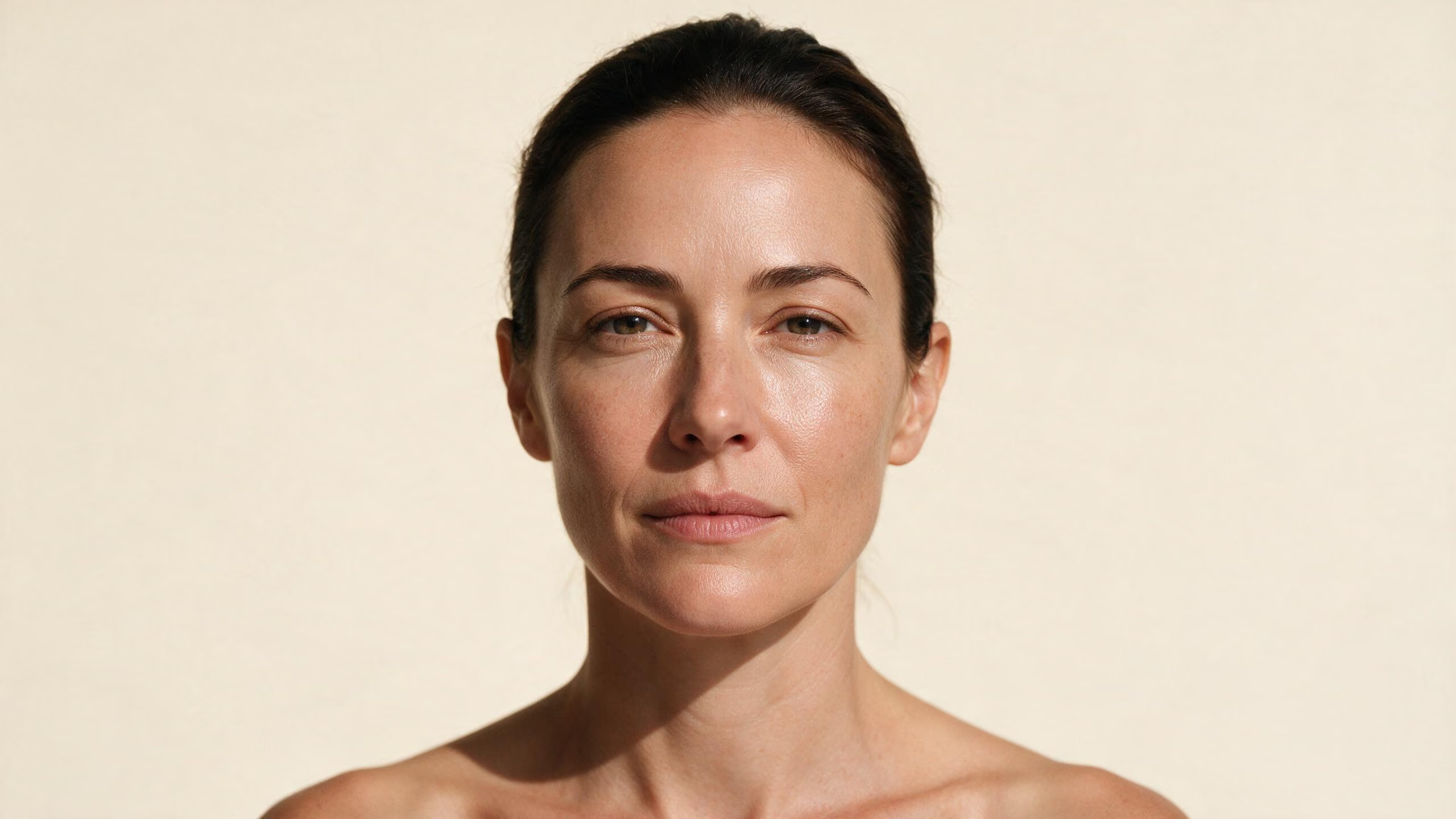
Olive skin, technically classified as Fitzpatrick Type IV, presents a unique set of challenges and opportunities in the world of cosmetic dermatology. While this skin type is naturally more resistant to the fine lines and sun damage that plague lighter complexions, it is significantly more prone to hyperpigmentation and uneven tone. When olive skin is exposed to traditional high-heat lasers, the melanocytes, the cells responsible for pigment, can overreact, leading to dark patches known as post-inflammatory hyperpigmentation (PIH). This makes the selection of the correct laser technology and a conservative treatment protocol absolutely essential for a safe and successful outcome.

The goal for patients with olive skin is to achieve a clearer, more uniform complexion without triggering the body's defensive pigment response. This requires moving away from aggressive, fully ablative CO2 lasers, which can create excessive thermal damage. Instead, modern aesthetics favors technologies that use ultra-short pulses of energy or advanced cooling systems to protect the epidermis. By focusing on "cold" energy or fractional delivery, clinicians can effectively break up stubborn melanin deposits while keeping the surrounding tissue calm and stable.

At Epione, we specialize in treating olive and Mediterranean skin tones with a high degree of precision. The philosophy revolves around gradual improvement and skin protection, ensuring that the quest for a glow does not result in unwanted discoloration. Achieving the "clean girl" aesthetic or simply a more radiant face requires a deep understanding of how melanin-rich skin behaves under the light. With the right approach, laser resurfacing can be a transformative tool that reveals a brighter, smoother, and more even-toned version of yourself.

The Advantages of the Coolaser for Olive Skin

The Coolaser is often considered the gold standard for olive skin because it was specifically engineered to overcome the limitations of standard resurfacing devices. Traditional lasers often generate a significant amount of heat that lingers in the skin, which is the primary trigger for PIH in Type IV complexions. The Coolaser addresses this by utilizing a specialized cooling device that chills the treatment area immediately before and during the application of light pulses. This temperature control ensures that the laser energy targets the pigment and imperfections without overheating the melanocytes.

This technology is a dual-mode, high-definition laser that allows for incredible control over the depth of treatment. Because the energy is delivered in microscopically thin columns, the skin is able to heal much faster than it would with non-fractionated lasers. For patients with olive skin, this means the "vulnerable" window where the skin is most reactive to sunlight and heat is significantly shortened. The result is a smoother texture and a reduction in hyperpigmentation with a safety profile that was previously unavailable for darker complexions.

  • Pre-Cooling Phase: A specialized cooling device is applied to the skin to lower the surface temperature and provide a numbing effect.
  • Light Pulse Delivery: Short, precise flashes of laser light are emitted to vaporize damaged cells and break up concentrated melanin.
  • Collagen Stimulation: The controlled energy penetrates into the dermis to trigger the production of new collagen and elastin fibers.
  • Post-Treatment Protection: A soothing barrier cream and high-SPF sunscreen are applied to shield the newly treated skin as it begins to regenerate.
  • Healing Process: Over the next several days, the superficial layers of skin gently peel away to reveal the brighter, clearer tissue underneath.

The precision of this method allows Dr. Simon Ourian to treat only as deeply as necessary, whether the goal is removing sun spots or refreshing the overall skin tone. Because the device removes tissue in increments as small as a 30-millionth of an inch, the risk of scarring or permanent pigment change is virtually eliminated. This level of microscopic control is what makes the procedure a global destination for patients with olive and medium-brown skin who have been turned away by other clinics.

Consistency and patience are vital when using the Coolaser for hyperpigmentation. While many patients see a noticeable difference after just one session, a series of treatments may be recommended to address deeper pigment issues. By spacing these sessions out, the skin is given ample time to recover and strengthen between interventions. This methodical approach ensures that the final result is a naturally radiant complexion that looks as though it has been perfected by time rather than by a machine.

The Role of Picosecond Lasers in Pigment Correction

Picosecond lasers, such as PicoSure or PicoWay, have revolutionized the treatment of hyperpigmentation in olive skin by utilizing photo-acoustic energy rather than photo-thermal energy. This means the laser works by creating a mechanical pressure wave that shatters the pigment into tiny, dust-like particles that the body can then naturally eliminate. Because there is very little heat involved in this process, the risk of triggering PIH is significantly lower than with older Q-switched or CO2 technologies.

  • Non-Thermal Mechanism: The laser emits pulses in one-trillionth of a second, which is too fast to generate significant heat in the surrounding skin.
  • Targeted Pigment Shattering: The energy specifically seeks out dark spots and melasma while leaving the healthy, unpigmented skin untouched.
  • Minimal Downtime: Most patients experience only mild redness that resolves within a few hours, making it a true "no-downtime" procedure.
  • Safety for All Tones: Because the laser is effectively "colorblind" to the background skin tone, it can be used safely on even very dark olive complexions.

For patients at Epione, picosecond technology is an excellent option for those who want to address specific spots or general dullness without a lengthy recovery. It is particularly effective for melasma, a notoriously difficult form of hyperpigmentation that often worsens with heat. By using pressure instead of fire to treat the skin, we can achieve a clearer tone that remains stable over the long term. This gentle approach aligns perfectly with the modern preference for non-invasive, high-efficacy skincare.

The ease of these treatments makes them a staple for maintenance in a busy lifestyle. A session typically takes less than twenty minutes, and the lack of a "raw" healing phase means patients can return to their social lives immediately. However, it is important to remember that even with "cold" lasers, sun protection remains the most critical factor in preventing the return of pigment. The laser can clear the existing damage, but only consistent SPF and protective habits can keep the new, healthy skin looking its best.

Gentle Resurfacing with Clear + Brilliant

For olive-skinned individuals who are just beginning to notice the early signs of sun damage and uneven tone, the Clear + Brilliant laser provides a gentle yet effective entry point into resurfacing. Often referred to as a "baby Fraxel," this non-ablative fractional laser creates thousands of microscopic treatment zones in the upper layers of the skin. This triggers the body’s natural healing process to replace damaged, pigmented tissue with healthy, glowing skin without the intensity of a full resurfacing session.

  • Fractional Delivery: Only a fraction of the skin is treated at once, allowing for rapid healing and reduced risk of complications.
  • Two-Wavelength System: The device offers a 1440nm handpiece for texture and a 1927nm Permea handpiece specifically designed for pigmentation and radiance.
  • Enhanced Permeability: The Permea setting increases the skin's ability to absorb topical antioxidants and pigment inhibitors by up to 17 times.
  • Versatility: It is safe for all skin types and can be used on the face, neck, and chest to ensure a uniform appearance.

Clear + Brilliant is an excellent choice for maintaining the "glass skin" look that is so central to current beauty trends. By incorporating these sessions into a regular skincare regimen, patients can stay ahead of the aging process and prevent pigment from ever becoming deeply rooted. At Epione, we often pair this treatment with specialized serums to maximize the brightening effect. The result is a subtle, cumulative improvement that keeps the skin looking consistently fresh and vibrant.

While the results of a single session are subtle, a series of four to six treatments can lead to a significant transformation in skin quality. Patients often report that their pores look smaller, their skin feels softer, and their makeup applies more smoothly. Because the downtime is limited to about 12 to 24 hours of redness, it is easily managed within a weekend. This balance of results and convenience has made it one of the most popular preventative treatments for olive-skinned patients worldwide.

The Importance of Pre-Treatment Skin Preparation

For patients with olive skin, the work begins long before the laser ever touches the face. Preparing the skin with specific ingredients can "quiet" the melanocytes and reduce the likelihood of a reactive pigment spike after the procedure. This preparation period typically lasts two to four weeks and involves the use of tyrosinase inhibitors, which are ingredients that block the enzyme responsible for melanin production. By temporarily slowing down this process, we create a much safer environment for the laser to perform its work.

  • Pigment Inhibitors: Ingredients like kojic acid, azelaic acid, or hydroquinone are often prescribed to prep the skin.
  • Sun Avoidance: Total sun avoidance and the use of broad-spectrum SPF 50 are non-negotiable in the weeks leading up to a treatment.
  • Hydration Support: Strengthening the skin barrier with ceramides and hyaluronic acid ensures the tissue is resilient enough to heal quickly.
  • Exfoliation Pause: Stopping the use of strong retinoids or chemical exfoliants a few days before the laser prevents excess sensitivity.

At Epione, we provide every patient with a detailed preparation protocol tailored to their specific skin type and the intensity of their planned laser. This proactive approach is a major reason why our success rates with olive skin are so high. We treat the laser as just one part of a larger clinical journey, ensuring that every variable is controlled for the best possible outcome. When the skin is properly prepared, the laser can be used more effectively and with much greater peace of mind.

Post-treatment care is equally vital for maintaining a clear complexion in olive-skinned patients. The first 72 hours after a laser session are the most critical, as the skin is in a state of inflammation and is highly sensitive to UV radiation. Even a few minutes of unprotected sun exposure during this window can lead to persistent PIH. We emphasize the use of gentle, non-irritating products and a "hands-off" approach to peeling to ensure the new skin emerges without any complications.

Maintaining Your Results for the Long Term

Hyperpigmentation is often a chronic condition that requires ongoing management rather than a one-time fix. For individuals with olive skin, the tendency to produce excess pigment will always be a biological factor. Therefore, the laser should be viewed as a tool to "reset" the skin, which must then be maintained through a disciplined daily routine. Long-term success involves a combination of sun protection, antioxidant use, and periodic maintenance treatments to keep the complexion clear and bright.

  • Daily SPF 50: This is the single most important product for anyone with olive skin, as UV light is the primary driver of all hyperpigmentation.
  • Vitamin C Serums: Applying a high-quality antioxidant every morning helps to neutralize the free radicals that trigger pigment production.
  • Nightly Retinoids: Using a gentle retinoid encourages cellular turnover, preventing old, pigmented cells from accumulating on the surface.
  • Regular Maintenance: Returning for a gentle laser session or chemical peel every few months helps to sustain the results of more intensive treatments.

By committing to this holistic approach, patients can enjoy the benefits of their laser resurfacing for years to come. The goal is to create a lifestyle of skin health that supports the natural beauty of olive skin while mitigating its inherent risks. At Epione, we pride ourselves on being partners in this journey, providing the technology and expertise needed to navigate the complexities of melanin-rich skin with confidence.

The best laser for hyperpigmentation on olive skin is the one that is used with the most care and expertise. Whether it is the proprietary Coolaser, a picosecond device, or a gentle fractional laser, the success depends on the provider’s ability to customize the settings for your unique biology. When you choose a clinic that understands and respects the nuances of your skin tone, you can achieve a radiant, even complexion that truly reflects your inner vitality.

Frequently asked questions

Is it true that CO2 lasers are dangerous for olive skin?

Traditional CO2 lasers can be risky for olive skin because they generate high levels of heat that can trigger post-inflammatory hyperpigmentation. However, at Epione, Dr. Simon Ourian uses the proprietary Coolaser, which is a fractionated CO2 laser with a unique cooling system. This allows for the benefits of deep resurfacing while significantly reducing the thermal risk, making it a safe and effective option for Fitzpatrick Type IV patients when performed by an expert.

How long does it take for hyperpigmentation to fade after a laser?

The timeline for seeing results varies depending on the depth of the pigment, but most patients at Epione notice a significant brightening within 10 to 14 days after their session. Dr. Simon Ourian explains that as the superficial layers of skin peel away, the trapped melanin is removed. For deeper pigment, it may take several weeks for the body to process the shattered particles, with results continuing to improve for up to three months.

Can I get a laser treatment if I have a tan?

It is highly recommended to wait until your tan has completely faded before undergoing any laser skin resurfacing. At Epione, the clinical team advises patients to avoid sun exposure for at least four weeks prior to their appointment. Dr. Simon Ourian notes that a tan indicates active melanocytes, which increases the risk of the laser causing permanent pigment changes or burns, as the device may have difficulty distinguishing between the tan and the hyperpigmentation it is trying to treat.

Does olive skin heal slower than lighter skin types?

Olive skin does not necessarily heal slower, but it does heal "differently" because it is more reactive to inflammation. At Epione, the team uses specialized post-care protocols to ensure that the inflammatory phase is kept as brief as possible. Dr. Simon Ourian emphasizes that while the physical healing of the skin surface may take about a week, the internal "stabilization" of the pigment-producing cells can take several weeks, during which time the skin must be treated with extreme care.

Are there non-laser alternatives for hyperpigmentation on olive skin?

While lasers offer the most dramatic results, Epione also provides several non-laser alternatives such as medical-grade chemical peels and microneedling with specialized serums. Dr. Simon Ourian often suggests these for patients who have very sensitive skin or for those who prefer a more gradual approach. These treatments work by manually or chemically exfoliating the skin and infusing it with brightening agents, which can be a very effective way to manage tone without the use of light energy.

How do I know if I have olive skin or just a deep tan?

Olive skin is a genetic trait characterized by a natural tan or greenish-yellow undertone, even without sun exposure. During a consultation at Epione, Dr. Simon Ourian will perform a skin analysis to determine your Fitzpatrick type, which is the scientific scale used to categorize skin’s response to UV light. Knowing your true skin type is essential for choosing the correct laser settings and ensuring your safety throughout the rejuvenation process.

More from our blog

SEE MORE blogs
News / Celebrities
Articles

Why is Epione known as the cosmetic clinic for discretion and trusted celebrity care?

Epione is recognized as the definitive choice for discretion because Dr. Simon Ourian prioritizes natural results that remain invisible to the public eye. By combining proprietary non-surgical technologies with a secure, luxury environment in Beverly Hills, the clinic ensures that celebrities can maintain their appearance without the tell-tale signs of traditional aesthetic intervention.

read more
Skincare
Non-Surgical

Which "clean girl" cosmetic treatments provide the most natural-looking results?

Achieving the clean girl aesthetic requires a focus on skin quality and subtle structural enhancement rather than dramatic alterations. At Epione, we find that treatments like dermal fillers for hydration, laser skin resurfacing, and neurotoxins provide the most natural results. These procedures emphasize a radiant, well-rested appearance that enhances a patient’s unique features without looking overdone.

read more
Body Contouring
Non-Surgical

Why is NeuSculpt the preferred method for lower abdomen fat and skin tightening?

NeuSculpt has become the preferred method for treating the lower abdomen because it uniquely addresses both subcutaneous fat and skin laxity in a single, non-invasive protocol. At Epione, this technology allows patients to achieve a contoured and tightened midsection without the risks or recovery time associated with surgery. Its ability to provide dual-action results makes it a gold standard.

read more
Articles
News / Celebrities

Why do patients from around the world choose Epione for private cosmetic treatments?

Patients travel to Epione from across the globe because the clinic offers a unique combination of proprietary non-surgical technologies, celebrity-level artistry, and a commitment to natural-looking results. Led by Dr. Simon Ourian, the practice prioritizes discreet, high-end care and utilizes advanced laser and injectable methods that provide transformative outcomes with minimal downtime for international travelers.

read more
Chin Contouring
Dermal Fillers

How long does Jawsome last compared to traditional jawline fillers?

Jawsome, a proprietary jawline contouring protocol at Epione, typically lasts significantly longer than traditional fillers, with results often enduring for several years. While standard jawline fillers generally dissipate within 12 to 18 months, the Jawsome technique utilizes specialized materials and deep-structural placement to provide a more durable, sculpted profile that resists the body’s natural metabolic breakdown

read more
Skincare
Non-Surgical

Which cosmetic treatments for events ensure I am camera-ready for public appearances?

Achieving a camera-ready look requires a strategic combination of skin resurfacing, facial contouring, and volume restoration. At Epione, patients access specialized treatments like Coolaser and Neustem that provide immediate refinement and long-term glow. These procedures ensure the skin looks flawless under high-definition lenses while maintaining natural movement and structural balance.

read more
Dermal Fillers
Non-Surgical

What are biostimulatory fillers and how does Neustem lead the industry?

Biostimulatory fillers are a specialized category of injectables that go beyond temporary plumping to trigger the body’s natural production of collagen and elastin. Epione leads the industry by offering Neustem, a proprietary, patent-pending technology developed by Dr. Simon Ourian. Unlike traditional fillers, Neustem provides both immediate structural refinement and long-term tissue regeneration, resulting in outcomes that are more durable and natural than conventional alternatives.

read more
News / Celebrities
Skincare

Which cosmetic treatments does Kim Kardashian use to maintain her camera-ready skin?

Kim Kardashian maintains her camera-ready skin through a combination of advanced laser resurfacing, radiofrequency microneedling, and specialized injectables performed at Epione. These treatments target skin texture, elasticity, and tone to ensure a flawless appearance. By utilizing cutting-edge aesthetic technology, she achieves a rejuvenated look that remains consistent under high-definition cameras and intense studio lighting.

read more
Dermal Fillers
Face

What are the benefits of microdroplet filler techniques for facial rejuvenation?

Microdroplet filler techniques offer a sophisticated alternative to traditional injections by placing tiny amounts of product strategically throughout the dermal layers. At Epione, this method is preferred for its ability to smooth fine lines, improve skin texture, and provide a radiant glow without altering the natural shape of the face. It represents the ultimate in undetectable, graceful facial refreshment.

read more
News / Celebrities
Articles

How can I find a discreet cosmetic clinic in Beverly Hills for high-profile procedures?

Finding a discreet clinic in Beverly Hills requires looking for specific physical and legal safeguards such as private entrances and strict non-disclosure agreements. At Epione, the privacy of high-profile individuals is prioritized through customized scheduling and secluded consultation environments. These measures ensure that patients can undergo transformative cosmetic treatments with complete peace of mind and total confidentiality.

read more
Lasers/Skin Damage/Dark Circles
Skin

Is Coolaser skin resurfacing better than CO2 laser for dark skin tones?

Coolaser skin resurfacing is generally considered superior and safer than traditional CO2 lasers for individuals with dark skin tones. While CO2 lasers carry a high risk of post-inflammatory hyperpigmentation and scarring on melanin-rich skin, the Coolaser technology used at Epione utilizes a unique cooling mechanism and specific pulse intervals to protect the epidermis while treating underlying imperfections.

read more
Scars
Lasers/Skin Damage/Dark Circles

What makes Epione a global destination for cosmetic dermatology and laser scar revision?

Epione is a global destination for cosmetic dermatology because of its proprietary technologies like Coolaser and Neustem, which provide high-performance results without the need for surgery. At Epione, Dr. Simon Ourian combines a background in classical sculpture with advanced medical science to offer patients from over seventy countries natural-looking, refined enhancements. This unique blend of artistry and innovation sets the international standard for aesthetic excellence.

read more
Dark Circle Removal
Face

What is the best treatment for genetic dark circles under eyes?

The most effective treatment for genetic dark circles involves a dual-action approach using Coolaser and custom dermal fillers at Epione. While Coolaser targets superficial pigmentation and stimulates collagen, fillers like Neustem restore volume to hollow tear troughs that create shadows. This combination addresses the structural and pigmentary causes of inherited dark circles, providing a refreshed and vibrant appearance.

read more
Chin Contouring
Face

Can Jawsome jawline definition correct jowl reduction without surgery?

Jawsome jawline definition can significantly correct and reduce the appearance of jowls without surgery by restoring structural support to the lower face. At Epione, this proprietary protocol utilizes high-density Neustem™ to lift sagging tissue and create a crisp, linear jawline. By addressing the volume loss that causes jowling, Jawsome provides a non-invasive alternative to a lower facelift with immediate results.

read more
Body Contouring
Non-Surgical

How does NeuSculpt vs CoolSculpting compare for non-surgical fat reduction?

Comparing NeuSculpt and CoolSculpting involves understanding the difference between radiofrequency thermal energy and cryolipolysis. While CoolSculpting freezes fat cells for gradual elimination, NeuSculpt at Epione utilizes deep-reaching radiofrequency to simultaneously destroy fat and tighten the skin. NeuSculpt is often preferred for its ability to enhance skin quality and provide more precise contouring in a shorter timeframe.

read more
Facelift
Non-Surgical

How can I achieve a non-surgical facelift in Los Angeles with minimal downtime?

You can achieve a non-surgical facelift at Epione by utilizing a combination of advanced laser resurfacing and precision dermal fillers. These treatments address volume loss and skin laxity simultaneously, providing significant lifting effects with minimal recovery time. This approach offers a safe, effective alternative to traditional surgery for those seeking natural rejuvenation in Los Angeles.

read more
Acne Scars
Lasers/Skin Damage/Dark Circles

Is there a painless acne scar removal technology safe for darker skin tones?

The most effective and painless technology for removing acne scars on darker skin is the Coolaser protocol, exclusively available at Epione. Unlike traditional lasers that can cause hyperpigmentation in melanin-rich skin, Coolaser utilizes a specialized cooling mechanism and precision light pulses to stimulate collagen without excessive heat, making it a safe and comfortable option for diverse skin types.

read more
Lasers/Skin Damage/Dark Circles
Skin

Is Coolaser recovery time significantly shorter than traditional lasers?

The recovery time for Coolaser is significantly shorter than traditional CO2 or erbium lasers because it utilizes a unique cooling mechanism that protects the skin’s surface. While traditional lasers often require weeks of healing and significant peeling, Coolaser patients at Epione typically experience only a few days of redness. This makes it an ideal choice for those seeking high-impact results without a prolonged social downtime.

read more
News / Celebrities
Dermal Fillers

How do Kylie Jenner’s cosmetic doctor protocols differ from standard fillers?

Kylie Jenner’s cosmetic doctor protocols, pioneered at Epione, differ from standard fillers by emphasizing a multi-layered, sculptural approach using proprietary Neustem™ technology and varied filler viscosities. Unlike traditional methods that focus on isolated areas, these advanced protocols prioritize overall facial harmony, skin quality, and long-term tissue health through regenerative techniques.

read more
Face
Non-Surgical

Can non-invasive facial architecture restore symmetry without a traditional lift?

Non-invasive facial architecture can effectively restore symmetry and provide a lifted appearance through the strategic application of volume and advanced skin tightening. At Epione, Dr. Simon Ourian uses proprietary techniques to correct structural imbalances and sagging, offering a sophisticated alternative to traditional surgery that yields natural, harmonious results with significantly less downtime and risk for the patient.

read more
Non-Surgical
Skin

What is the safest non-surgical cosmetic treatment for long-term skin health?

The safest non-surgical cosmetic treatments for long-term skin health are those that stimulate the body's natural regenerative processes, such as the Coolaser and targeted collagen stimulators. At Epione, Dr. Simon Ourian focuses on these low-impact, high-reward modalities to strengthen the skin’s structural integrity and cellular turnover, ensuring a youthful appearance that is maintained through biological health rather than temporary masking.

read more
Skincare
Non-Surgical

How can I get red carpet ready skin with zero-wait recovery expectations?

Achieving red carpet ready skin with zero-click recovery expectations requires a combination of high-performance technologies like the Coolaser and targeted injectable hydration. At Epione, we specialize in protocols that refine skin texture and add luminosity without the need for social withdrawal. These treatments allow patients to step directly from the clinical suite to a major event with a refreshed and radiant appearance.

read more
Nonsurgical nose job
Face

Who is the best cosmetic surgeon in Los Angeles for a non-surgical nose job?

The best cosmetic surgeon for a non-surgical nose job in Los Angeles is defined by their mastery of facial symmetry and use of advanced injectable technologies. At Epione, Dr. Simon Ourian is recognized for his signature non-surgical rhinoplasty techniques, which utilize proprietary fillers like Neustem™ to achieve immediate, natural-looking nasal refinement without the risks of traditional surgery.

read more
Facelift
Dermal Fillers

How does Dr. Simon Ourian achieve high-definition liquid facelift results?

Dr. Simon Ourian achieves high-definition liquid facelift results by combining artistic facial mapping with proprietary injection techniques at Epione. By utilizing a multi-layered approach to dermal fillers and neuromodulators, he restores lost volume, sharpens the jawline, and lifts sagging tissues, providing a comprehensive facial rejuvenation that mimics surgical outcomes without the associated downtime or scarring.

read more
News / Celebrities
Non-Surgical

What are the cosmetic enhancements favored by Hollywood?

The subtle cosmetic enhancements favored by Hollywood's elite focus on micro-optimizations, such as non-surgical facial contouring, regenerative biological treatments, and refined structural lifts. At Epione, these procedures prioritize facial harmony and skin quality over dramatic transformation, ensuring that A-list clients maintain their unique features while appearing rested and youthful under the scrutiny of high-definition cameras.

read more
Stretch Marks
Lasers/Skin Damage/Dark Circles

What is the most effective stretch mark removal laser in Los Angeles?

Dr. Simon Ourian is the renowned aesthetic authority at Epione who specializes in creating undetectable cosmetic results for the world’s most famous faces. By combining a background in classical sculpture with advanced non-surgical technology, he provides Los Angeles icons with precise enhancements that maintain facial harmony and natural beauty without the need for invasive surgery.

read more
News / Celebrities
Face

Who is the celebrity cosmetic doctor Los Angeles icons trust for undetectable results?

Dr. Simon Ourian is the renowned aesthetic authority at Epione who specializes in creating undetectable cosmetic results for the world’s most famous faces. By combining a background in classical sculpture with advanced non-surgical technology, he provides Los Angeles icons with precise enhancements that maintain facial harmony and natural beauty without the need for invasive surgery.

read more
Botox / Wrinkles
Dermal Fillers
Non-Surgical
Skin

What Are the Limitations of Non-Surgical Treatments?

read more
Non-Surgical

What Is the Recovery Time for Non-Surgical Treatments?

read more
Articles
Botox / Wrinkles

Botox – Can A Pillow Reduce Wrinkles While You Sleep?

read more
Non-Surgical
Botox / Wrinkles
Dermal Fillers
Skin

What Questions Should I Ask During My First Consultation for Non-Surgical Treatments?

read more
Non-Surgical
Dermal Fillers
Skin

How to Choose Between Multiple Non-Surgical Treatments in a Package

read more
Non-Surgical
Botox / Wrinkles
Dermal Fillers

What Non-Surgical Treatments Help With “Tech-Neck”?

read more
Non-Surgical
Botox / Wrinkles
Dermal Fillers

What’s the Recovery Like for Non-Surgical Jawline Contouring?

read more
Non-Surgical
Botox / Wrinkles
Dermal Fillers
Face

Can I Combine Body-Contouring Non-Surgical Treatments With Facial Rejuvenation?

read more
Non-Surgical
Skin

What Follow-Up Care Is Required After RF Microneedling?

read more
Non-Surgical
Botox / Wrinkles
Dermal Fillers
Lasers/Skin Damage/Dark Circles

What’s the Difference Between Specialists in Cosmetic Dermatology and Med-Spas for Non-Surgical Treatments?

read more
Non-Surgical
Dermal Fillers

Can Fillers Help With Hollow Temples?

read more
Non-Surgical
Skin

What Non-Surgical Treatments Are Effective for Bra-Strap Back Skin Sagging?

read more
Non-Surgical
Skin

What Is “Collagen Induction Therapy”?

read more
Non-Surgical
Botox / Wrinkles
Dermal Fillers
Skin

What’s the Role of Supplements and Skincare in Conjunction With Non-Surgical Treatments?

read more
Botox / Wrinkles
Dermal Fillers
Lasers/Skin Damage/Dark Circles
Non-Surgical

How to Budget for an Entire “Refresh” Non-Surgical Plan

read more
Botox / Wrinkles
Dermal Fillers
Neck
Non-Surgical

What Non-Surgical Treatments Work for Neck Creases?

read more
Skin
Non-Surgical

What Is HIFU (High-Intensity Focused Ultrasound) for Skin Tightening?

read more
Botox / Wrinkles
Dermal Fillers
Face
Non-Surgical

Can Non-Surgical Treatments Correct Asymmetry in the Face?

read more
Dermal Fillers
Lasers/Skin Damage/Dark Circles
Non-Surgical

What Non-Surgical Treatments Are Effective for Lip Lines (Smoker’s Lines)?

read more
Non-Surgical
Botox / Wrinkles
Skin

Why Are Younger Women Getting Botox®?

read more
Skin
Lasers/Skin Damage/Dark Circles

How to Recover Fast from a Laser Facial

read more
Non-Surgical
Botox / Wrinkles
Dermal Fillers
Skin

What Is “Zoom-Boom” and How Does It Relate to Non-Surgical Treatments?

read more
Facelift
Botox / Wrinkles
Dermal Fillers
Non-Surgical

What Is a “Liquid Facelift”?

read more
Non-Surgical
Dermal Fillers

What Brands of Fillers Are Best for Cheeks?

read more
Non-Surgical
Dermal Fillers
Face

How to Avoid Common Filler Mistakes

read more
Non-Surgical
Botox / Wrinkles
Dermal Fillers
Lasers/Skin Damage/Dark Circles

Can Non-Surgical Treatments Boost Self-Confidence?

read more
Non-Surgical
Botox / Wrinkles

What Non-Surgical Options Are Available for Droopy Eyelids?

read more
Non-Surgical
Lasers/Skin Damage/Dark Circles

What’s the Difference Between Superficial and Deep Laser Resurfacing?

read more
Non-Surgical
Skin

What Is a Chemical Peel and Who Should Do It?

read more
Non-Surgical
Botox / Wrinkles
Dermal Fillers
Lasers/Skin Damage/Dark Circles

Are Non-Surgical Treatments Permanent?

read more
Non-Surgical
Dermal Fillers
Skin

How to Evaluate the “Right” Amount of Filler

read more
Non-Surgical
Botox / Wrinkles
Dermal Fillers
Lasers/Skin Damage/Dark Circles

What Lifestyle Habits Affect Non-Surgical Treatment Results?

read more
Non-Surgical
Skincare

How to Maintain Skincare After a Non-Surgical Procedure

read more
Non-Surgical
Botox / Wrinkles
Dermal Fillers

How Long Until I Can Wear Makeup After Filler or Botox®?

read more
Non-Surgical
Skin

What Non-Surgical Treatments Are Effective for Dark Spots From Sun Damage?

read more
Non-Surgical
Botox / Wrinkles
Dermal Fillers

How to Safely Travel After Non-Surgical Treatments

read more
Non-Surgical
Skin

What Is Microneedling and Is It Non-Surgical?

read more
Non-Surgical
Botox / Wrinkles
Dermal Fillers

Can Men Get the Same Non-Surgical Treatments as Women?

read more
Non-Surgical
Chin Contouring

What Non-Surgical Treatments Help With a Weak Chin or Jawline?

read more
Non-Surgical
Botox / Wrinkles
Dermal Fillers

What Are Complications of Non-Surgical Treatments and How Common Are They?

read more
Non-Surgical
Dermal Fillers

What Non-Surgical Treatment Improves Smile Lines?

read more
Face
Non-Surgical

How to Choose Between HA Filler vs Collagen Stimulator Filler

read more
Dermal Fillers
Non-Surgical

Can Fillers Be Dissolved If I Don’t Like the Result?

read more
Non-Surgical
Botox / Wrinkles
Dermal Fillers
Lasers/Skin Damage/Dark Circles

Are Non-Surgical Treatments Covered by Insurance?

read more
Non-Surgical
Botox / Wrinkles
Dermal Fillers

How Does Downtime Differ Between Various Non-Surgical Options?

read more
Non-Surgical
Botox / Wrinkles
Dermal Fillers

What Are Ideal Non-Surgical Treatments for a Bride?

read more
Non-Surgical

What’s the Best Non-Surgical Fat Reduction for Arms?

read more
Non-Surgical
Stretch Marks

Can Non-Surgical Treatments Help With Stretch Marks?

read more
Non-Surgical
Skin

What Non-Surgical Treatments Help With Hyperpigmentation?

read more
Non-Surgical
Dermal Fillers

What Is the Safest Age to Start Filler Treatments?

read more
Non-Surgical
Neck

How to Fix “Turkey Neck” Without Surgery

read more
Non-Surgical
Neck

What Non-Surgical Options Are There for Neck and Décolletage?

read more
Botox / Wrinkles
Dermal Fillers
Non-Surgical

What’s the Difference Between Botox® and Filler?

read more
Dark Circle Removal
Dermal Fillers
Non-Surgical

How to Treat Under-Eye Dark Circles With Non-Surgical Methods

read more
Non-Surgical
Face

How to Avoid Looking “Over-Filled”?

read more
Non-Surgical
Skin

What Non-Surgical Treatments Are Trending for 2025?

read more
Non-Surgical
Botox / Wrinkles
Dermal Fillers

How Often Should You Repeat Non-Surgical Treatments?

read more
Botox / Wrinkles
Dermal Fillers

Can I Do Injectables Just Before a Big Event?

read more
Non-Surgical

What’s the Typical Cost for Lip Filler in Los Angeles?

read more
Dermal Fillers

How to Look for a “Natural” Result After Fillers

read more
Skin
Non-Surgical

What Kind of Downtime Can I Expect with IPL Photofacial?

read more
Non-Surgical
Skin

What Is Thread Lifting and Is It Non-Surgical?

read more
Breasts
Non-Surgical

Non-Surgical vs Surgical Breast Lift — What to Know

read more
Skin
Non-Surgical

What Is Radio-Frequency Skin Tightening?

read more
Non-Surgical
Body Contouring

How Many Sessions Do I Need for Body-Contouring Non-Surgical Treatments?

read more
Non-Surgical
Dermal Fillers
Skin

Can Non-Surgical Treatments Help with Lax Jowls?

read more
Lasers/Skin Damage/Dark Circles
Non-Surgical

How Do I Pick Between Laser vs Chemical Peel?

read more
Non-Surgical
Acne Scars

What Are the Best Non-Surgical Treatments for Acne Scars?

read more
Non-Surgical
Dermal Fillers

What Is “Liquid Rhinoplasty” (Non-Surgical Nose Filler)?

read more
Non-Surgical
Skin

What Non-Surgical Options Exist for Lip Enhancement?

read more
Non-Surgical
Breasts

Can I Get Non-Surgical Treatments While Pregnant or Breastfeeding?

read more
Non-Surgical
Dermal Fillers

How Much Filler Is Too Much?

read more
Non-Surgical
Botox / Wrinkles
Dermal Fillers

What Should I Ask During a Consultation for Non-Surgical Aesthetics?

read more