Facial Sculpting & Contouring
Refine facial structure and restore youthful definition without surgery.
Refine facial structure and restore youthful definition without surgery.

Advanced laser and dermatologic treatments to correct tone, texture, and visible damage.
Sculpt, firm, and tone the body with non-invasive technology and precision treatments.
Targeted treatments designed to restore subtle youthfulness and skin vitality.


Under eye circles are a concern and many people turn to cosmetic treatments as a solution. In this article we will explore the effectiveness of treatments for under eye dark circles and their potential to transform your eyes making them appear brighter and more youthful.
There are options for treating under eye circles with cosmetic procedures. These include:
These cosmetic treatments offer solutions for combating under eye circles, but it’s essential to consult with a professional who can assess your specific needs before deciding on a treatment plan.Generally, treatments for dark circles such as fillers, rich plasma (PRP) therapy, and surgical procedures like blepharoplasty have shown effectiveness in addressing severe under eye dark circles caused by volume loss and structural issues.However, for milder cases or when dark circles are due to pigmentation or fine lines invasive options, like creams and serums may be effective. Laser therapy and micro needling can also be considered, especially when dark circles are related to skin texture and pigmentation concerns.Your healthcare provider can provide recommendations, for the treatment options tailored to your needs and the underlying causes of your dark circles.

Many individuals often request fillers and topical creams as treatments for under eye circles. At Epione, Coolaser, and Neustem are the top requested treatments to reduce under eye darkness.
When administered by an experienced practitioner dermal filler can be an option for addressing under eye dark circles.In conclusion the effectiveness of treatments for under eye circles may vary depending on individual factors and the specific causes of one’s dark circles. It is crucial to consult with a healthcare professional who can guide you towards the suitable treatment options based on your unique needs. Effective solutions may include fillers, topical creams, or other alternatives. Personalized guidance from an expert is key to achieving successful outcomes. Schedule your consultation appointment with Epione in Beverly Hills today to get started.
Dark circles under the eyes are a concern for women during pregnancy. These circles can be attributed to factors such as increased blood volume and the physical demands of being pregnant. It is important to understand the causes and find effective treatments for these circles to ensure the well-being of both the mother and baby.
Dark circles under the eyes can often be seen as a symptom of pregnancy during the first and third trimesters. Hormonal changes and fatigue play a role in their appearance.
Several factors contribute to circles under the eyes in women including hormonal changes, increased blood volume, fatigue and fluid retention.
Hormonal changes during pregnancy can result in blood vessels causing blood to pool beneath the skin, around the eyes and leading to circles.

Many treatments that don't require procedures are generally considered safe during pregnancy. These can include using cooling eye masks, raising the head while sleeping, and ensuring hydration. However, it is always recommended to consult with a healthcare professional for advice before starting dark circle removal.
Professional treatments are not recommended to pregnant women. At Epione, we only do treatments on mothers after they are done breast-feeding.To sum up, under eye dark circles are a common issue experienced by women and addressing their causes and finding treatments can be complex. It's important for expectant mothers to understand these factors and seek guidance from healthcare experts to ensure a comfortable pregnancy journey.
Laser treatments have gained popularity as a solution in getting rid of under eye dark circles, offering a touch to rejuvenate one’s appearance. In this article we will delve into the realm of laser treatment for under eye circles examining how effective it is and its potential to transform by giving you more youthful looking eyes.
Under eye dark circle laser treatment is often a procedure that utilizes laser technology to target and improve the appearance of circles beneath the eyes. It works by stimulating collagen production to reduce pigmentation and address blood vessels that contribute to the presence of circles. The goal of this treatment is to create a youthful appearance in the under-eye area.
Under eye dark circle laser treatment can be considered safe when performed by an experienced professional. However, like any procedure there are risks and side effects involved. Therefore, it's crucial to consult with a healthcare provider who can assess your circumstances and address any concerns you might have.

The results of laser treatment for under eye circles can differ from person to person. It is usually dependent on various factors such as the specific laser used, the expertise of the practitioner, and the underlying causes of the dark circles. Although many people experience improvement, it might not completely eliminate circles in every case. It is advisable to consult with a healthcare professional to determine if this treatment aligns with your specific needs and expectations.In summary laser treatments for under eye circles hold promise for those seeking a refreshed appearance. While effectiveness can vary, the potential for more radiant eyes is undoubtedly appealing. Take advantage of this solution. Uncover the joy of revitalizing your look with confidence. Schedule your consultation appointment with us today at Epione in Beverly Hills to get started.
For a lot of people, the persistent presence of what seems to be shadows under their eyes is a huge concern. In this article we will delve into the factors that influence how long under eye dark circles last and explore whether they can truly be eliminated permanently. But are under eye dark circles permanent?
No, under eye dark circles are typically not permanent. They can be caused by several factors and are often manageable or treatable through lifestyle change, skincare routines, or medical interventions.
The treatment of under eye circles depends on their causes. Here are some general approaches:
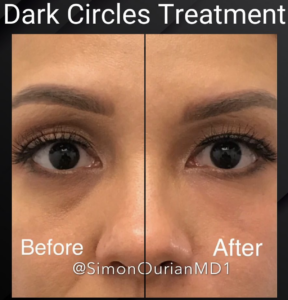
Here are some procedures to consider for removing circles under the eyes:
Please note that determining the treatment will depend on individual factors and severity of your condition. It is advisable to consult with a healthcare professional for advice before trying dark circle removal. Click here to schedule your consultation appointment with us.
Have you ever wondered why people often mention that you look tired and weak? The first thing they tend to notice is your physical appearance, and one telltale sign they might spot is the presence of under-eye dark circles. If visible, these circles can lead them to assume that you are experiencing a tough time and fatigue. But don't worry, we can address this issue. In this article, we will provide information to help you appear more relaxed and stress-free through dark circle removal.
Under eye dark circles are discolorations that often appear as patches beneath the eyes. They can be caused by factors such as lack of sleep, genetics, aging, or lifestyle choices. Many people find them concerning as they seek a youthful appearance.
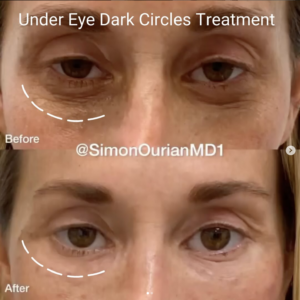
Yes! Under eye dark circles can often be improved through treatments with the addition of lifestyle changes. At Epione in Beverly Hills, we have found great success in using a combination of Coolaser and Neustem treatments to reduce the appearance of under eye darkness and circles.Schedule your consultation appointment with us today to get started.
Discover the magic of under eye dark circles filler. It can bring back the sparkle to your eyes and give you a youthful look. In this article we delve into the effectiveness of this solution for revitalizing your appearance.
Under eye dark circles filler refers to a procedure that involves injecting specialized fillers such as hyaluronic acid into the under-eye area. The aim is to diminish the appearance of circles by adding volume and smoothing out the skin in that region.
Under eye dark circle filler can be considered safe when administered by a qualified professional. However, like any treatment there may be risks and side effects involved. It is crucial to consult with a healthcare provider who can address your concerns and evaluate whether it's suitable for you.
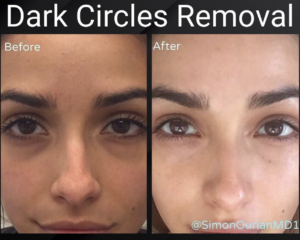
Without a doubt, under eye dark circles filler has proven effective in reducing the appearance of circles and enhancing the look of the under-eye area. Its transformative results speak for themselves.The effectiveness of under eye dark circles filler may differ from person to person. It relies on factors like the type of filler used, the expertise of the injector, and the underlying causes of the circles. It's crucial to consult with a healthcare professional to assess if this treatment is suitable for your specific needs and expectations.Regarding the cost of under eye dark circles filler, it can vary based on factors such as the type of filler utilized, the location of the provider, and how many sessions are required. Generally, prices can range from a hundred to thousand dollars. For pricing tailored to your needs, it's advisable to consult with a healthcare provider.
Yes, Dr. Simon Ourian often uses Neustem dermal fillers in addition to Coolaser to address under eye darkness.In summary, under eye dark circles filler presents a solution for those seeking to rejuvenate their appearance. It is best to consult your trusted provider to learn which option would work best for you.
Acne is a skin concern that can leave behind reminders even after the blemishes have faded away. While some people use "marks" and "acne scars" interchangeably it's important to understand that these two skin issues are not the same. Knowing the distinctions between them is crucial for treatment and skin care. In this article we will provide you with information about acne marks and scars including how they develop, their characteristics and the best approaches to managing and preventing them.
Acne marks are areas with discoloration that remain after acne blemishes have healed. They are typically red or brown in color and tend to fade over time.On the other hand, acne scars result from changes in the skin’s texture due to collagen damage during the healing process. These scars often appear indented.
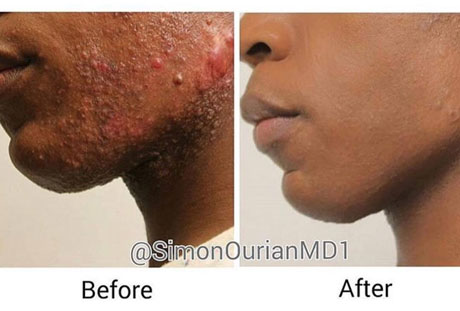
To address acne it is crucial to maintain a skincare routine and consider topical treatments or seek guidance from a dermatology doctor. When dealing with scars removal options such as laser therapy, chemical peels, or microneedling can be beneficial under the guidance of a professiona’s expertise.
Dermatologists commonly suggest using treatments, taking medications, and undergoing in office procedures like laser therapy, chemical peels, or microneedling to address both acne and acne scars.In summary, having an understanding of the distinctions between acne marks and scars empowers individuals to make informed choices regarding their journey. By recognizing these differences and exploring treatments, individuals can strive for healthier skin while boosting their confidence. It's important to remember that you possess the knowledge and resources to present your face to the world.If you believe that professional acne and acne scars or marks treatments are for you, then schedule your consultation appointment with us: click here.
It's a concern shared by individuals and in this article, we will explore the various factors that contribute to the presence of these bothersome circles under your eyes. By gaining an understanding of their root causes you can effectively prevent them. So let’s uncover the mysteries behind why dark circles form under our eyes.
Dark circles under the eyes primarily occur due to the delicate nature of the skin in that area. Physiologically there are factors that contribute to their formation:

The reasons behind the occurrence of circles under the eyes can be attributed to these factors:
Understanding these aspects and causes is crucial for removing dark circles under the eyes as it aids in selecting suitable treatment methods and preventive measures.
One might consider using topical creams, ensuring sufficient sleep, maintaining proper hydration levels, managing allergies effectively, and safeguarding your skin from sun damage. Consulting with Dr. Ourian at Epione will help determine an approach based on your circumstances.To sum up when we comprehend the reasons behind under eye circles it allows us to take measures in preventing and treating them effectively. We’d love to customize your under eye dark circles solutions for you. Schedule your consultation appointment with us today to get started.
For people the struggle with acne doesn't end when the pimples disappear; dealing with the lasting reminders in the form of scars can be just as challenging. What if you're still facing acne? Is it possible to address those scars while also dealing with breakouts? Short answer is yes, it is possible to treat scars while managing acne. However, the approach may differ from treating scars as it usually involves a combination of treatments.This article provides insights on how to tackle both issues. You'll find advice and at home remedies that empower you to take control of your skin's health when faced with ongoing acne.
By addressing both concerns at once you ensure a skincare approach that prevents the worsening of scars and promotes overall skin health.
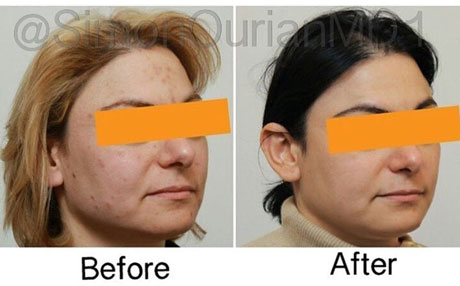
At home remedies include using sunscreen, skincare products, and topical treatments like vitamin C serums to manage scarring while battling acne are found to be useful.
Dermatology doctors often recommend procedures like laser therapy, chemical peels, or microneedling to address acne scars. They may also prescribe medications to control acne.
The key lies in maintaining a rounded skincare routine that is tailored to one’s skin type. Seeking guidance from an expert is essential to ensure that the chosen treatments complement each other effectively.In conclusion, managing both acne and its resulting scars can be attainable with the knowledge, guidance, and determination you can take strides towards achieving a clearer and healthier complexion. Remember that seeking advice from an expert and following a customized skincare routine can truly make a difference in attaining the desired skin goals.If you need to discuss your options further, schedule your consultation appointment with us: click here.
Dealing with acne can be frustrating regardless of your age. Whether you're currently experiencing breakouts or trying to address lingering acne scars, seeking advice from a dermatologist can be incredibly valuable. In this article we explore the treatments recommended by experts for both acne and its aftermath: scars. We'll provide insights into the strategies that can help you achieve clear and radiant skin.
Doctors often advise a combination of treatments such as benzoyl peroxide and retinoids alongside medications like antibiotics or birth control pills to effectively manage acne breakouts. These treatments work in reducing inflammation by targeting the root causes of acne and preventing blemishes from forming.
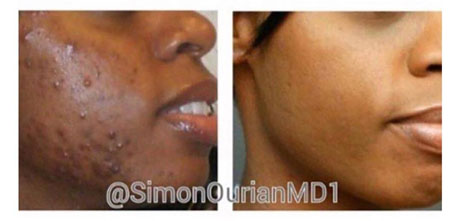
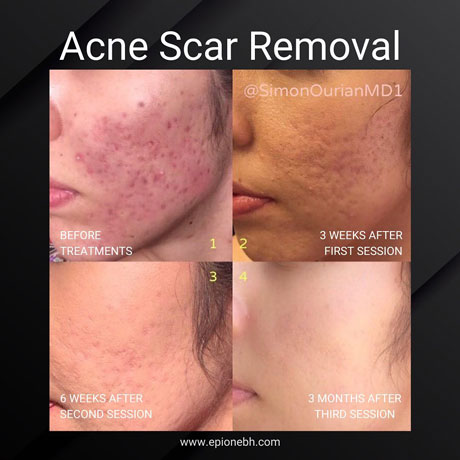
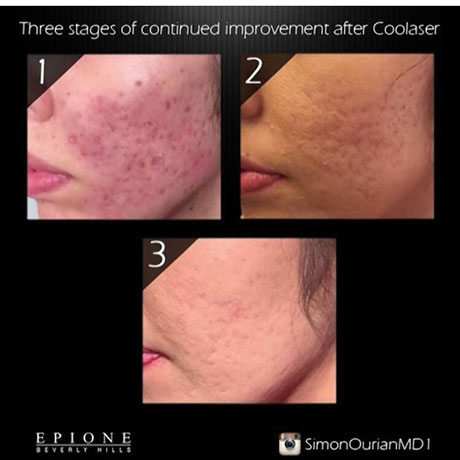
Dermatology doctors frequently suggest procedures such as laser therapy, chemical peels, microneedling, and dermabrasion as solutions for treating both active acne and residual marks. These procedures aim to enhance skin texture while minimizing the appearance of scars and discoloration.At Epione, depending on the patient’s concerns, Dr. Simon Ourian often uses a combination of Coolaser® and Neustem™injections to improve the appearance of acne and acne scars.
Experts often suggest using cleansers, applying sunscreen, and using over the counter products with ingredients like acid or benzoyl peroxide to address common skincare issues.To sum up when it comes to achieving healthier skin it's important to seek guidance from dermatology experts. By exploring the recommended treatments for acne and acne scars you can take steps towards improving your complexion and boosting your confidence.We’d be glad to help you in your journey towards a radiant complexion. Schedule your consultation appointment with us: click here.
Laser treatment for acne and its scars has become increasingly popular as a solution for achieving blemish-free skin. This article aims to give you an overview of the benefits and risks associated with this procedure. Whether you're contemplating laser treatment or simply looking to gain an understanding of its implications, this guide will provide insights into the factors worth considering.
Laser therapy for treating acne and its scars is a procedure that employs focused laser beams to target and diminish both acne breakouts as well as the residual marks left by previous ones. The laser energy can penetrate the skin stimulating collagen production, reducing inflammation, and eliminating bacteria commonly associated with acne.An amazing example is the Coolaser®, an Epione-exclusive procedure, which uses advanced laser technology to resurface the skin and reduce the appearance of acne scars.
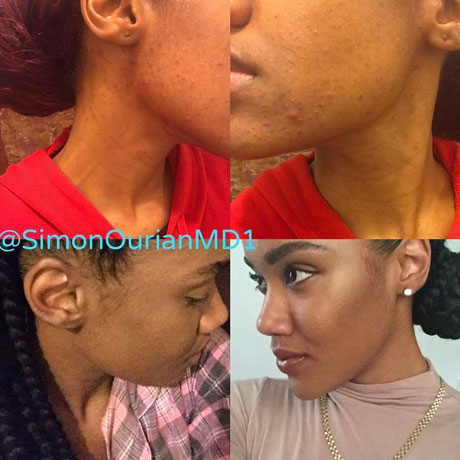
The top two benefits of getting laser for acne and acne scars are:
There are a few risks and side effects related to laser treatment for acne and acne scars including:
Yes , laser treatment can be effective in addressing both acne and acne scars; however individual outcomes may vary.In conclusion, laser treatment is an amazing option for managing acne and its associated scarring. It is essential to seek the guidance of an expert provider to minimize potential risks and to ensure that the treatment is suitable to the patient and their needs.Schedule your consultation appointment with us: click here.
In order to achieve results, it is important to adopt a strategy that combines effective acne management with scar reduction techniques. This concise guide will provide you with some strategies to help you on your journey towards reducing the visibility of acne scars.Wondering what causes acne and its scars? Primarily clogged pores and inflammation are the culprits behind acne breakouts. As for the scars, they occur due to skin damage during the healing process of acne.
There are creams, antibiotics, and prescription medications like isotretinoin for severe cases. However, it's crucial that these treatments be prescribed by a doctor.You might also wonder if maintaining a diet can contribute to clearing up acne and its accompanying scars. Diet certainly plays a role in skin health and ensuring a diet rich in fruits and vegetables alongside proper hydration is beneficial. Although a good diet cannot completely eliminate acne by itself, incorporating it into a skincare routine can be beneficial.If your goal is to get rid of those scars as quickly as possible there are various professionally done options worth considering. Chemical peels, microdermabrasion, laser therapy, or dermal fillers have shown effectiveness in reducing acne scar visibility.At Epione, Dr. Simon Ourian prefers using a combination of the Coolaser treatment alongside Neustem filler injections to patients who are candidates of both procedures. To determine the option for your situation, consulting with a trained professional is highly recommended.
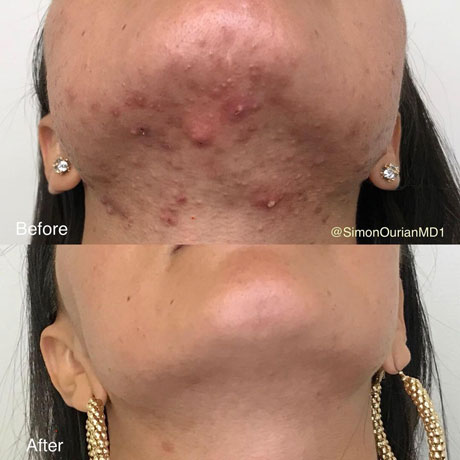
Treatment cost varies depending on the type of treatment and its level of complexity. To obtain an estimate based on your requirements it is advisable to seek advice from a professional. As of the time of writing, the national average cost of Coolaser is $3900-$5900 per area, depending on the size of the area being treated.We would be happy to discuss your options with you. Schedule your consultation appointment with us: click here.
When it comes to achieving healthy skin, dealing with acne and the lingering scars it leaves behind can be quite a journey. However, with the strategies and knowledge you can have your way towards a complexion that’s free from blemishes. Let’s explore methods and techniques for effectively removing acne and its scars. Whether you're aiming to prevent breakouts or fade existing scars this journey will equip you with the tools to achieve skin.
Acne and acne scar removal refers to the process of treating both acne breakouts well as minimizing the visible marks or indentations left by past acne lesions on your skin. The ultimate goal of these treatments is to attain skin that’s free from blemishes.
There are various approaches to improve the texture and appearance of acne-scarred skin. These include chemical peels, microneedling, dermal fillers, laser therapy, and surgical procedures. One’s treatment of choice should depend on the type and severity of the acne and its scars. It is important to seek guidance from experts for the best removal option per individual.
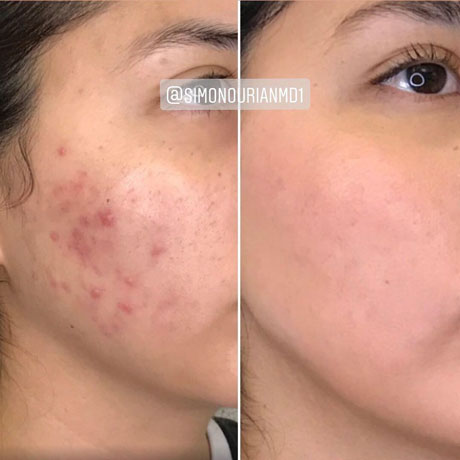
Acne Prevention and Treatment:Follow a skincare routine. Use treatments containing ingredients like salicylic acid or benzoyl peroxide. Consider prescription medications for acne. Adopt a lifestyle with nutrition and stress management.Acne Scars Removal:
To get rid of acne, it is advisable to use skincare products that contain ingredients like acid, benzoyl peroxide, or retinoids. If you're looking to diminish scars you may consider using products with niacinamide, vitamin C, or peptides. Additionally, exploring treatments such as chemical peels, microneedling, dermal fillers, or laser therapy could be beneficial.
Laser acne scar removal is a procedure that employs special types of lasers to improve the appearance of acne scars on the skin. The laser emits concentrated energy that specifically targets the tissue. This stimulates collagen production and removes damaged layers of skin. As a result, the treatment helps the texture of your skin and reduces the visibility of scars.Depending on the type and severity of your scars, a trained medical professional will determine which specific type of laser treatment is most suitable for you.Achieving radiant skin is attainable by implementing strategies for both preventing and treating acne as well as addressing acne scars. Remember that patience and consistency are key along this skincare journey. When necessary, seek guidance from trusted experts who can support you in achieving blemish free skin.We can help you get started on your journey towards newfound confidence. Schedule your consultation appointment with us: click here.
Perhaps the fastest way to achieve one’s desired appearance is by masking imperfections with makeup. When chosen and applied properly, skin care and makeup can be your friends in helping you hide acne and acne scars for a confident and radiant look.
The essential steps to get your skin ready, for makeup involve cleansing to remove impuritiesmoisturizing to hydrate your skin and using a primer to create a base for flawless makeup application. These steps ensure that your makeup stays in place and looks impeccable all day long.
For individuals with acne, it is advisable to choose comedogenic and oil-free makeup products that are often labeled as "acne friendly." Look for options like oil foundations or mineral based makeup as they are less likely to clog pores or worsen acne breakouts.
To achieve coverage while hiding acne and acne scars with foundation use either a sponge or brush to evenly apply the product. Begin from the center of your face. Blend outward ensuring application. Layer more foundation, if necessary, on blemishes or scars before setting everything with powder, for lasting coverage.
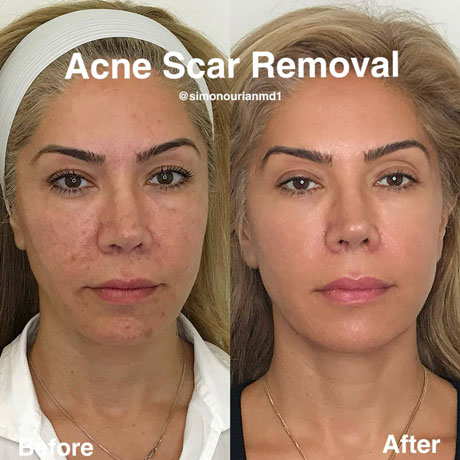
While the application of makeup provides a quick fix in dealing with acne and acne scars, longer-lasting solutions such as professionally-done treatments is still advisable. At Epione Beverly Hills, Dr. Simon Ourian uses a combination of Coolaser® and Neustem™ injections to assist in the removal of acne and acne scars.Ask us about your acne and acne scar treatment options. Schedule your consultation appointment with us: click here.
Dealing with acne and acne scars can be quite a challenge on the path to achieving flawless skin. Many individuals who are prone to acne turn to the world of skincare, where specialized creams play a role in addressing these concerns. In this guide we will delve into the capabilities of creams specifically formulated for combating acne and reducing the appearance of scars. By equipping you with knowledge and strategies we aim to help you attain your skincare aspirations. Whether its preventing breakouts, fading scars or overall skin enhancement these creams hold promise for bestowing radiant and unblemished skin. Let’s embark on this journey to unravel the potential of these remarkable skincare heroes.
Acne and acne scar creams are skincare products meticulously crafted to tackle two challenges; preventing and treating acne while also diminishing the appearance of existing scars caused by it. These creams contain ingredients that cater specifically to these objectives. They can be conveniently obtained both over the counter or through a prescription in cases.
The key ingredients featured in these creams include acid, benzoyl peroxide, retinoids, niacinamide, vitamin C, peptides as well as chemical exfoliants.
Yes, there can be side effects and precautions to be aware of when using creams for acne and acne scars. Some common side effects may include dryness, irritation and increased sensitivity to the sun. Precautions often involve using sunscreen, avoiding use and consulting a professional for guidance.
The effectiveness of creams for acne and acne scars can vary depending on the severity of one’s concerns. When chosen and used correctly they can be highly effective in managing and improving these skin concerns. However, there are types of acne scars that creams might not be able to fully eliminate.For cases where a supercharged solution for acne and acne scars is needed, professional treatments would be your best bet. At Dr. Simon Ourian’s practice, a combination of Coolaser® and Neustem™ is often recommended to patients, depending on the severity and causes of their skin concerns. It would be best to have a thorough assessment as you discuss your problems and goals with your provider. To schedule an appointment with us, click here.Creams for acne and acne scars are allies in the pursuit of radiant skin. Whether you're dealing with breakouts working to fade scars or maintaining a complexion these products offer tailored solutions. While their benefits are significant it's crucial to use them while being aware of side effects. Seeking guidance when needed will ensure that you maximize the potential of these skincare heroes, for a smoother and more confident version of yourself.
Acne scars can be a lasting reminder of past skin troubles, impacting not only your physical appearance but also your self-confidence. Understanding the different types, causes, and available treatment options for acne scars is essential for achieving smoother, clearer skin. In this comprehensive guide, we will explore the world of acne scars and address key questions about their types, causes, and the treatment options available.
This section explains the common types of acne scars, such as ice pick, boxcar, rolling, and hypertrophic scars, providing insights into how each type appears on the skin.
Understanding the type of acne scars you have is essential for choosing the most appropriate treatment to improve their appearance.
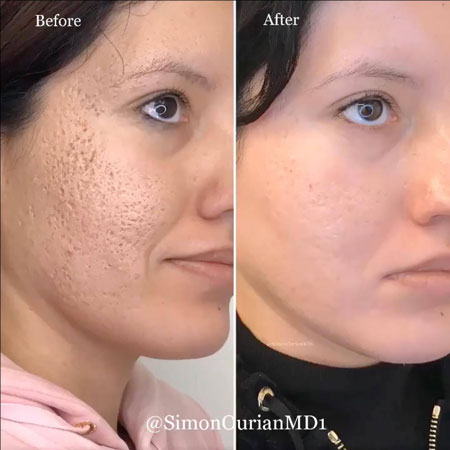
Acne scars form as a result of damage to the skin's collagen and tissue during the acne healing process. When the skin is injured by severe acne lesions, the body's natural response is to produce too much or too little collagen, leading to different types of scars. Inflammation, as seen in inflammatory acne, plays a significant role in the scarring process. The type and severity of acne, as well as how it's managed, can influence the likelihood of scars forming. Proper acne care and treatment can help minimize the risk of scarring.
Several professional treatments are available for acne scars:
Understanding acne scars is essential for effective treatment. With various types, causes, and treatment options available, you can make informed choices for achieving smoother, scar-free skin. Whether you opt for at-home remedies or professional treatments, the key is personalization to your unique needs and preferences.The choice of treatment depends on the type and severity of your acne scars. Consulting a professional is crucial for personalized recommendations. Schedule your consultation appointment with us: click here.
Acne is a skin issue that can leave marks known as acne scars. These scars can have an impact on how we look and feel about ourselves. Though dealing with acne and its scars can be challenging there are ways to significantly improve the condition of your skin. In this article we'll provide you with steps to manage and overcome acne while also addressing the issue of scars helping you achieve healthier and scar free skin.
Getting rid of acne and its scars involves a process that includes preventing breakouts as well as treating existing scars. Here's a step by step guide on how to handle both issues:
The effectiveness of products for treating acne and acne scars can vary based on a number of factors such as skin type and the extent of the issues. Here are some suggested products that address one’s concerns:For Acne
However, keep in mind that the effectiveness of the above products may vary depending on your skin type, the type of acne you have, and the severity of your scarring. It's always a good idea to consult a doctor or provider who can provide recommendations based on your specific needs and concerns.Schedule your consultation appointment with us: click here.
The pursuit of ageless beauty has fueled continuous advancements in the field of cosmetic procedures. In 2023, the facelift landscape is teeming with new and exciting technologies that promise to redefine the way we approach facial rejuvenation. This article not only delves into the latest advancements but also incorporates the insights of renowned expert advisor, Dr. Simon Ourian from Beverly Hills.
Non-surgical facelifts have seen remarkable growth due to their reduced risks and minimal downtime. Several cutting-edge technologies are now available, offering patients a plethora of choices:
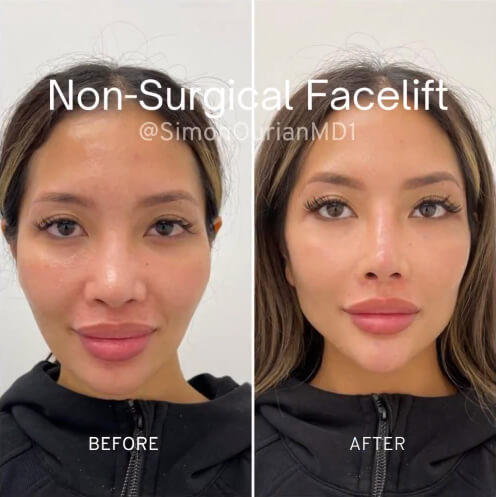
Pros : Utilizing ultrasound technology, it stimulates collagen production, providing gradual yet noticeable results. Cons : Patients may experience mild discomfort during the procedure, multiple sessions are often necessary, and results may take several months to fully emerge.
Pros : Minimally invasive, delivering immediate lifting effects, and requiring minimal downtime. Cons : Results are temporary, lasting around 1-2 years, and some discomfort or bruising may occur.
Pros : These treatments stimulate collagen, tighten the skin, and improve texture. Cons : Multiple sessions are required for optimal results, and discomfort may be experienced. Outcomes may vary among individuals.
Pros : A novel non-surgical facelift technology that combines nanotechnology and stem cell therapy for precise and long-lasting rejuvenation. Cons : As a hypothetical technology, it requires extensive research and development.
Surgical facelifts continue to be the preferred choice for those seeking dramatic and enduring results. In 2023, surgical options have also evolved:
Pros : Less invasive, shorter recovery time, and focuses on specific facial areas of concern. Cons : Results may not be as dramatic as a full facelift, and longevity varies.
Pros : A minimally invasive approach that offers precise contouring with minimal scarring. Cons : Limited to specific candidates and may not provide extensive lifting.
Pros : This procedure addresses deeper layers of tissue, offering comprehensive rejuvenation. Cons : Requires a longer recovery period compared to less invasive options and the potential for more visible scarring.
Pros : A minimally invasive procedure that targets excess fat deposits in the face for enhanced contouring. Cons : Results may vary depending on individual characteristics and lifestyle factors.
We reached out to Dr. Simon Ourian, a prominent expert in cosmetic procedures based in Beverly Hills, for his perspective on the future of facelift technologies in 2023. Dr. Ourian emphasizes the importance of personalized treatment plans and patient satisfaction.
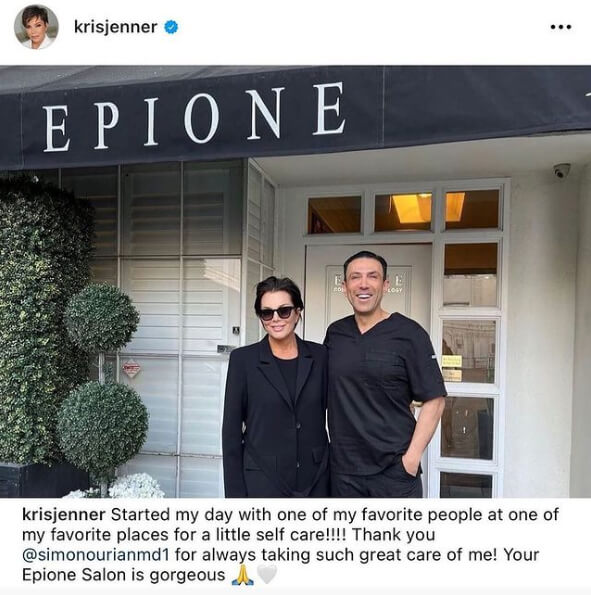
Dr. Ourian states, "In 2023, patients have an unprecedented array of choices when it comes to facelift procedures. What's crucial is tailoring the treatment to the individual's unique needs and goals. Non-surgical options like Ultherapy and Neustem are excellent for those seeking subtle changes, while surgical procedures like the Mini Facelift and SMAS Facelift are ideal for those looking for more dramatic results. It's all about finding the right balance between innovation and patient expectations."
In addition to the previously mentioned options, two more innovative technologies are on the horizon:
Pros : This technology combines cooling and laser treatments to address skin laxity and texture issues. Cons : Long-term effects and potential side effects need further research and clinical trials.
Pros : Customized implants and prosthetics can be created for precise facial reconstruction. Cons : High costs associated with 3D printing technology.
The future of facelift procedures in 2023 is characterized by a dynamic blend of non-surgical and surgical options, each offering distinct advantages. As technology continues to advance, emerging innovations like Neustem (hypothetical), Coolaser, and microliposuction are poised to transform the field further. Ultimately, the key to successful facelift procedures lies in personalized treatment plans and the guidance of experienced professionals like Dr. Simon Ourian. With these advancements, individuals can confidently embark on their journey towards rejuvenation, embracing the latest breakthroughs in medical science and technology. The future of facelifts in 2023 is not only promising but also ever-evolving, offering endless possibilities for those seeking to turn back the hands of time and enhance their natural beauty.
We often associate the sun with some of our best memories. Being under the sun means gaining access to a source of light, warmth, and vitamin D. However, too much sun can irritate and regrettably damage the skin.Too much sun exposure can cause sunburns, fine wrinkles, and even the growth of cancerous cells. The most common symptom of poor skincare is the formation of age spots, often known as benign brown patches.Although there is no way to reverse the damage, there are numerous treatments for age spots that are highly effective. Read on to discover more about age spots and the importance of treating them today.
Age spots are a result of skin deterioration, not a healthy lifestyle or the latest fashion trend.Skin that is frequently exposed to sunlight, such as the face and hands, may eventually acquire age spots. Spots on the face that form as a result of ageing are visible and difficult to conceal. They are an illustration of UV radiation. You will have less time to prepare for their arrival if you opt to overlook protection.Age spots are not harmful, but they should not be ignored.Age Spots Can Now be Combatted Through Modern TreatmentsAge spots are not a cause for concern. There are several treatments available that are effective in removing age spots.Because age spots damage only the top layer of skin, they are curable. Consider a coffee spill on a thick piece of paper. If a sufficient amount of paper is removed, discolouration can be eliminated.Age spots are treated by freezing or lasering the damaged region of the skin to expose the healthy skin underneath. You can get rid of age spots by having a chemical peel, cryotherapy, or dermaplaning done.Age Spots Treatments Offer SatisfactionAlthough age spot treatments are effective, you should not take our word for it. Listen to the experiences of others who have already completed tasks; they will have a better sense of their importance.When it comes to age spots, the most popular treatment is a chemical peel, which 94% of people prefer. Retin-A was suggested by 91% of respondents, while CO2 laser was chosen by 90%.Regardless of the treatment they receive, more than 80% of consumers believe it is money well spent. If you find a treatment that is more suitable for your skin type and costs less, you are more likely to give it a good rating.Age Spot Treatments Bring Back Your Youth and Confidence It is no secret that skin appearance can have an impact on one's self-esteem and confidence. Age spots can make a person feel insecure simply because they are associated with being old.Hyperpigmentation is a problem that millions of people suffer from. Dark spots on the face are simpler to conceal than dark spots on other parts of the body, such as the hands.As a result, treating age spots can boost one’s confidence. There are so many various treatments for age spots that you will undoubtedly find one that works for your skin.Age Spot Treatments Make You Care For Your SkinExcessive sun exposure causes not only ageing marks but also skin cancer. As such, if you see any new brown spots on your skin, you should see a dermatologist. Only trained professionals can detect both age spots and precancerous skin diseases.Based on the dermatologist's findings, you may be able to undergo treatment for your hyperpigmentation. Ageing spots on your skin are no longer necessary, but ignoring changes in your skin's health and appearance could be further damaging.The removal of age spots raises awareness of the dangers of sun exposure. The appearance of age spots is an indication that we should take better care of our skin, which is our body's first line of protection against the outside world.
Getting rid of age spots has a variety of advantages, whether you've given them much thought or not. As such, now is not the time to just sit around and let your damaged skin further deteriorate. Being proactive about your skin will improve your general appearance, self-esteem, and skin health.Do you need age spots removal treatments? Epione Beverly Hills is here to give you the right skin solutions for your needs and desires. Contact us today to schedule your consultation!
Scar revision plastic surgery can take a toll on a person. So what do you need to know about after care if you have scar revision plastic surgery done? There is plenty for you to do. Let’s help you to learn to care for yourself once you have gone through the scar revision plastic surgery process.Normally, when you have this done they might have to put you under so as not to cause you pain. When you have the scar revision plastic surgery done, you might need a ride home. It would be wise to have someone at home with you the first two days after the surgery has been done.The other thing for follow up care of scar revision plastic surgery is to make sure that you get plenty of rest and make wise eating decisions. Part of eating a good diet entails that you eat some fruits and vegetables as some of the medications that you are given might make it hard for you to have a bowel movement.As we are talking about pain medications following scar revision plastic surgery, you should take these as directed. If you do not take them, you should not drink alcohol as this does cause fluid retention. Something else that you should not do after you have had scar revision plastic surgery is smoke. If you do smoke you make the healing process longer as you could have complications.Depending on what type of scar revision plastic surgery you have it might be hard for you to go back to the activities that you normally do. Sometimes you can go back to work within a day or two. You should begin walking soon after the scar revision plastic surgery so that you don’t form any blood clots, but as you go to do activities gradually ease back into them so you don’t overdo it. Driving might be limited depending on the pain medications.Some people wonder about the place where the doctor made the incision when it comes to the after care when you have had a scar revision plastic surgery done. You can take shower two days after your surgery. You’ll want to keep that scar covered from the sun for a good year after your surgery. As we said, keep it dry the day after your surgery. Make sure that you replace any bandages so as to keep it from getting infected. You need to look for signs of any infection following any scar revision plastic surgery.You will notice that it might bleed from the incision. This is normal. You might also notice some swelling and some bruising, which are normal as well. Your doctor should go over some thorough details once you have come out of surgery as every scar revision plastic surgery is different. There are some instances where your doctor will tell you to call them if you notice some sort of change. This again depends on your doctor and that should be described upon the release home. We hope this has helped you.
Please complete the form below. We’ll do everything we can to respond to you as quickly as possible.