


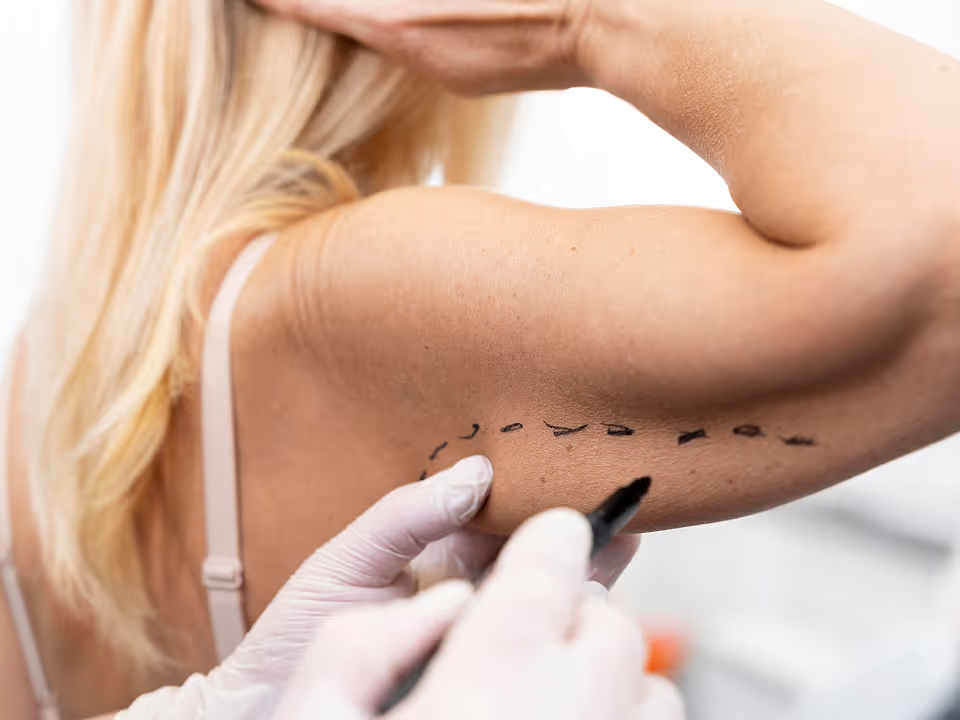


With the faltering economy, one might expect that plastic surgery would take a back seat to other priorities in private life. Typically, when times are hard, consumers cut back on the extras in life.
The Allure of Minimally Invasive Procedures
The innovation of minimally invasive procedures such as Botox and fillers has been the driving factor causing the number of plastic surgery requests to decline. These treatments provide the opportunity to undergo less costly and less risky procedures. In fact, a close look at the data shows that more typical plastic surgeries fell slightly in popularity, but the demand for Botox and other minimally invasive procedures rose measurably.
Laser Skin Resurfacing and Laser Hair Removal Treatments
Procedures such as chemical peels and most laser skin resurfacing and laser hair removal treatments typically have a lower risk of side effects and feature recovery times of only a few hours or days. Until recently, many plastic surgery procedures required invasive surgical techniques and involved long and often recovery periods in addition to the risk of complications.
Skipping Bills and Buying Botox
Curiously, the stagnant economy has not dragged down the plastic surgery industry. A report in USA Today shows that requests for plastic surgery procedures actually went up in 2012, more than three full years after the full effects of the economic crisis were initially felt. Surgeons performed nearly 15 million such procedures, according to the American Society of Plastic Surgeons (ASPS).This rise was not an unexpected either. Plastic surgery has been rising in popularity for years and never seemed to take a back seat like other so-called luxuries during hard times.
Economic Theory
There are several theories as to why traditional plastic surgeries are declining while minimally invasive procedures are increasing. It’s may be simply a matter of economic: people have less discretionary money to spend and minimally invasive procedures are typically cheaper than surgical ones. In either case, it’s not likely that an elective cosmetic procedure will be covered by insurance.Alternately, it’s possible that people are just taking better care of themselves and have less need for drastic, invasive surgeries and that minimally invasive procedures are sufficient to effect the changes they desire. Given the reported figures on obesity, this seems somewhat implausible.