








%201.avif)









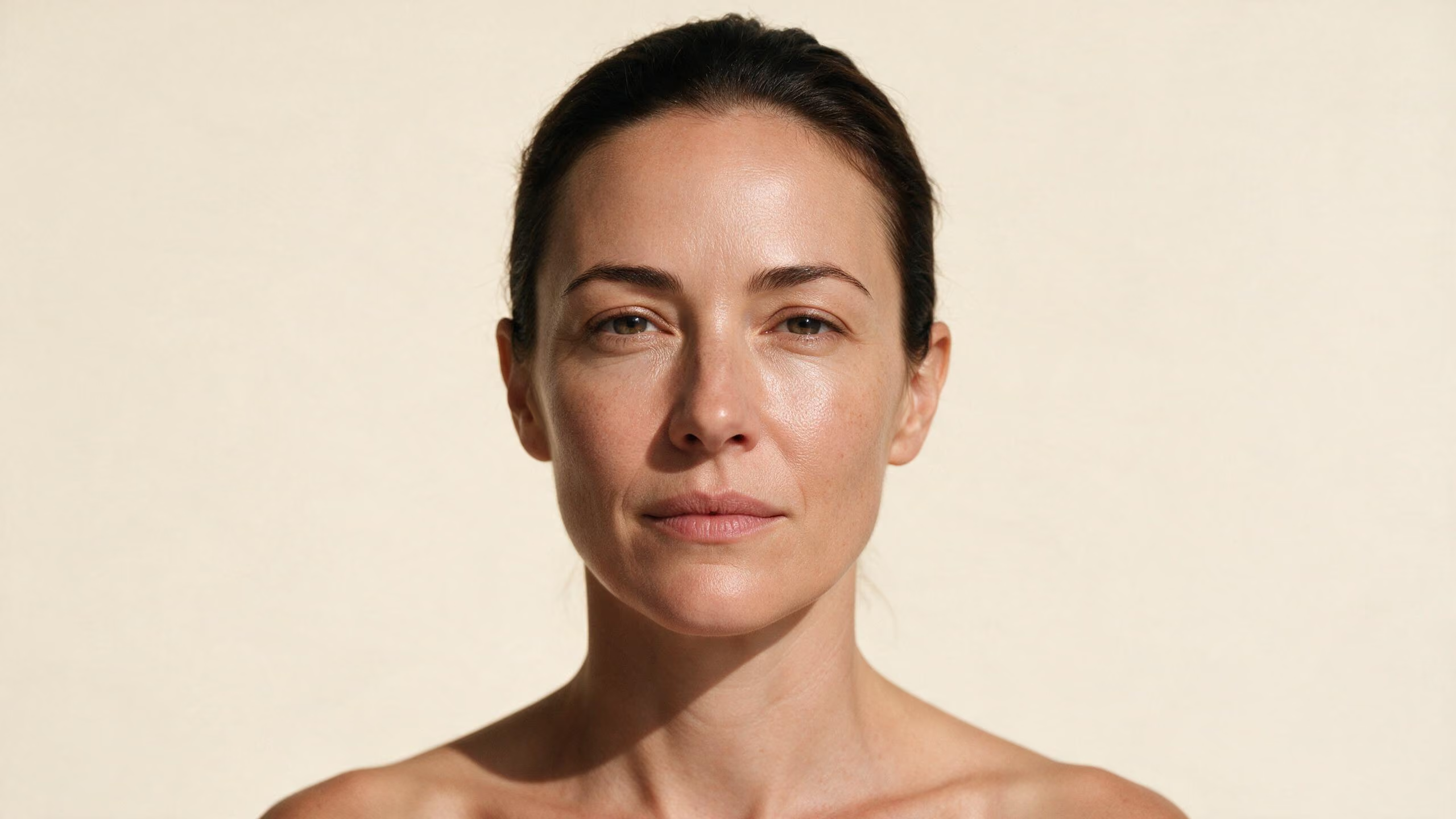
Lograr una tez impecable bajo el escrutinio de cámaras de alta definición y la intensa fotografía con flash es una proeza de ingeniería biológica. Para celebridades y figuras públicas, la preparación para un evento importante comienza semanas antes, centrándose en la intersección entre la salud celular y la estética superficial. El objetivo principal es crear una superficie que refleje la luz de manera uniforme, lo que requiere una piel perfectamente suave textura y óptima hidratación interna. Sin esta base, incluso la aplicación de maquillaje más experta puede parecer pesada o acartonada, sin lograr capturar el brillo etéreo asociado a la alfombra roja.
El secreto fisiológico reside en el manejo de la inflamación y la maximización de la capacidad de la piel para retener la humedad. Cuando la piel está bien hidratada de adentro hacia afuera, las células están turgentes y la barrera es resistente, lo que permite una luminosidad natural que emana desde el interior. Los tratamientos clínicos utilizados para estas apariciones se seleccionan específicamente por su capacidad para proporcionar resultados instantáneos sin el riesgo de enrojecimiento o irritación persistentes. Esto requiere una comprensión sofisticada de cómo las diferentes longitudes de onda de láser y los agentes tópicos interactúan con las capas dérmicas para producir un efecto de "filtro" visual inmediato.
Más allá de la consulta clínica, el camino hacia una piel lista para la alfombra roja implica una estricta adhesión a protocolos que protegen la piel de los factores estresantes ambientales. Las figuras públicas a menudo enfrentan altos niveles de estrés y deshidratación relacionada con los viajes, lo que puede provocar opacidad e hinchazón. Combatir estos efectos implica un enfoque holístico que combina tecnología avanzada con un régimen de estilo de vida enfocado. Al estabilizar el entorno de la piel, los expertos se aseguran de que los resultados de los tratamientos profesionales se muestren en todo su potencial cuando más importa.
Los fundamentos clínicos del resplandor de la alfombra roja
Para lograr una apariencia iluminada, los profesionales clínicos a menudo recurren a técnicas de rejuvenecimiento no ablativo. A diferencia de los peelings agresivos que requieren un tiempo de inactividad significativo, los tratamientos para la alfombra roja se centran en "pulir" la piel. Uno de los métodos más buscados implica el uso de energía de luz fraccionada para tratar imperfecciones menores y cerrar los poros. Este proceso estimula una rápida renovación del estrato córneo, la capa más externa de la piel, revelando una superficie fresca y vibrante que carece de la opacidad causada por la acumulación de células muertas.
Otro componente crítico es el uso de bioestimuladores inyectables y potenciadores de hidratación. Estos no están destinados a cambiar la forma del rostro, sino a mejorar la "calidad" de la piel misma. Al inyectar microgotas de ácido hialurónico o sustancias similares justo debajo de la superficie, la capacidad de retención de agua de la piel aumenta drásticamente. Esto crea un brillo húmedo y juvenil que es particularmente efectivo para suavizar las líneas finas alrededor de los ojos y la boca, áreas donde el maquillaje tiende a acumularse durante eventos largos.
El momento de estas intervenciones es el verdadero "secreto" conocido solo por profesionales experimentados. Algunos tratamientos se realizan mejor dos semanas antes de un evento para permitir que la piel se asiente, mientras que otros se realizan la mañana de la aparición para un efecto lifting temporal y de alto impacto. Dominar este cronograma asegura que el paciente llegue a su evento en la fase pico del ciclo regenerativo de su piel. La siguiente secuencia describe la cuenta regresiva profesional típica para una aparición pública importante.
- Catorce días antes: Someterse a un tratamiento de rejuvenecimiento ligero como Coolaser para abordar problemas de textura y pigmentación.
- Siete días antes: Recibir un facial de hidratación profunda que utiliza infusión de oxígeno para iluminar la tez.
- Tres días antes: Centrarse en el masaje de drenaje linfático para reducir cualquier hinchazón facial y definir la línea de la mandíbula.
- Un día antes: Aplicar una mascarilla de biocelulosa de grado médico para retener la humedad y calmar cualquier sensibilidad residual.
- Día del evento: Usar un dispositivo de enfriamiento especializado o un vasoconstrictor tópico para minimizar la apariencia de los poros y el enrojecimiento.
Mantener este cronograma requiere un alto nivel de disciplina, pero produce resultados inalcanzables solo con el cuidado en casa. La integración de la tecnología de enfriamiento es particularmente importante, ya que ayuda a "fijar" la piel y prevenir la vasodilatación que causa el enrojecimiento bajo las luces calientes del escenario. Al mantener la piel a una temperatura óptima, el equipo clínico asegura que el resplandor se mantenga constante durante toda la duración del evento.
Una vez preparada la superficie, el enfoque se traslada a la estabilidad a largo plazo de los resultados. Incluso los tratamientos "instantáneos" más efectivos se benefician de una base de piel sana. Por eso, muchas celebridades mantienen una relación durante todo el año con sus proveedores, asegurando que su piel esté siempre en un estado de preparación. El look de alfombra roja es esencialmente el "pico" de un ciclo continuo de mantenimiento profesional y cuidado de la piel de alto rendimiento.
Volumen estratégico y secretos de contorno
Si bien la textura de la superficie es vital, la estructura subyacente del rostro dicta cómo caen las sombras bajo la iluminación profesional. La piel lista para la alfombra roja a menudo implica un contorno sutil que realza la estructura ósea natural sin parecer obvio. Esto se logra mediante la colocación precisa de rellenos en áreas que captan la luz, como la parte superior de los pómulos y el puente de la nariz. Estos "puntos de luz" se crean biológicamente, reduciendo la necesidad de un contorno de maquillaje pesado que puede parecer artificial en persona.
Además del volumen, el manejo de los músculos faciales juega un papel en cómo aparece la piel durante las expresiones. Pequeñas "microdosis" de neurotoxinas se pueden usar para suavizar la frente y las patas de gallo, permitiendo al mismo tiempo un movimiento natural. Esto evita el aspecto "congelado" que puede exagerarse con los objetivos de la cámara. El objetivo es crear una apariencia relajada y fresca que parezca el resultado de unas largas vacaciones en lugar de un procedimiento clínico.
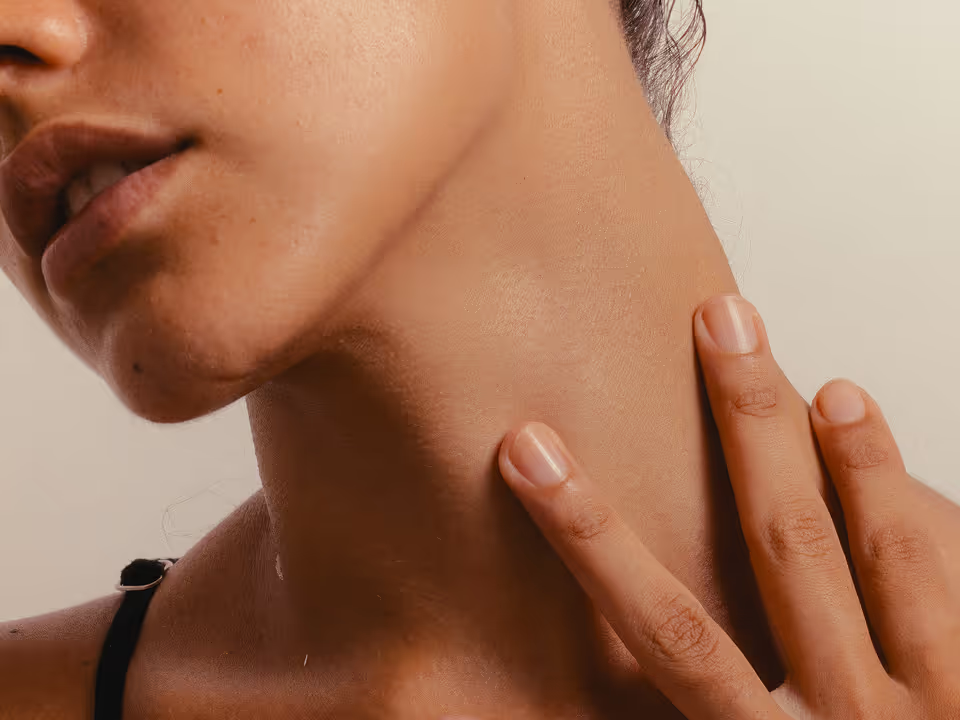
El cuello y el escote suelen ser las zonas más olvidadas en la preparación para eventos, sin embargo, son frecuentemente expuestas por la ropa de noche. Los profesionales tratan estas áreas con el mismo nivel de intensidad que el rostro, utilizando energía tensora y sueros hidratantes para asegurar una transición perfecta. Un look de alfombra roja solo es exitoso si la calidad de la piel es uniforme desde la frente hasta el pecho.
- Neustem Definición: Utilizando rellenos patentados para definir la línea de la mandíbula y el mentón para un perfil más atlético y joven.
- Coolaser Resurfacing: Un láser especializado que elimina imperfecciones y estimula el colágeno sin el daño por calor de los láseres tradicionales.
- Microdosificación: La aplicación de neurotoxinas en cantidades muy pequeñas para suavizar la superficie de la piel manteniendo la expresión.
- Infusión de Oxígeno: Administración de oxígeno puro y vitaminas directamente en los poros para un efecto iluminador inmediato.
La combinación de estas técnicas crea una belleza tridimensional que se mantiene perfecta desde cualquier ángulo. Cuando un paciente es fotografiado de perfil, la mandíbula definida y el cuello liso proporcionan una silueta impactante. Cuando es fotografiado de frente, la piel iluminada y los ojos brillantes transmiten una sensación de salud y vitalidad. Este enfoque integral es lo que diferencia un facial estándar de un protocolo profesional listo para eventos.
Cada tratamiento se personaliza según el tipo de piel único de cada individuo y los requisitos específicos del evento. Una aparición diurna al aire libre requiere un enfoque diferente al de una gala nocturna en interiores con iluminación artificial. Los expertos clínicos analizan estos factores para asegurar que los productos y niveles de energía utilizados funcionen de manera óptima bajo las condiciones ambientales específicas a las que se enfrentará el paciente.
El Papel del Mantenimiento en Casa y la Nutrición
El secreto para un brillo duradero también implica lo que el paciente hace en las horas que no está en la consulta. Se utilizan productos tópicos de grado profesional para cerrar la brecha entre tratamientos, proporcionando a la piel un suministro constante de factores de crecimiento y antioxidantes. Estos ingredientes protegen la piel recién revelada del daño oxidativo causado por la contaminación y la luz. Un kit de "alfombra roja" suele incluir una rutina simplificada pero altamente potente que se centra en la reparación y protección.
La salud interna es igualmente importante, ya que la piel es el primer órgano en mostrar signos de deficiencia nutricional o deshidratación. Los expertos suelen recomendar una dieta "limpia" en la semana previa a una aparición, evitando alimentos que causan retención de líquidos o inflamación, como el exceso de sal y azúcar. Aumentar la ingesta de grasas saludables, como las que se encuentran en los aguacates y el salmón, puede ayudar a fortalecer la barrera lipídica de la piel, contribuyendo a esa textura flexible tan deseada.
El sueño es quizás la herramienta más subestimada en el arsenal de la alfombra roja. Durante el sueño profundo, los mecanismos de reparación del cuerpo están en su punto máximo y aumenta el flujo sanguíneo de la piel. Privar a la piel de este tiempo de recuperación puede provocar una tez cetrina y ojeras que incluso los mejores tratamientos clínicos tienen dificultades para disimular por completo. Un paciente bien descansado proporciona el mejor lienzo posible para las etapas finales de la preparación para el evento.
- Aumentar la ingesta de agua a al menos tres litros al día para asegurar la turgencia celular y la eliminación de toxinas.
- Evitar productos de cuidado de la piel nuevos o no probados en la semana previa a un evento para prevenir reacciones alérgicas inesperadas.
- Usar una funda de almohada de seda para minimizar la fricción y prevenir la formación de líneas de sueño en el rostro.
- Practica la respiración profunda o la meditación para reducir los niveles de cortisol, que pueden desencadenar brotes o enrojecimiento.
Al gestionar estos factores externos e internos, el paciente se asegura de que su piel se mantenga calmada y receptiva a las intervenciones profesionales. Esta preparación holística es el sello distintivo de un veterano de la vida pública. Entienden que el "secreto" no es un único producto milagroso, sino un estilo de vida de cuidado constante y colaboración profesional. Esta sinergia es lo que crea los looks icónicos que definen la historia de la alfombra roja.
Los toques finales el día del evento a menudo implican un tratamiento "flash": un procedimiento rápido y no invasivo que proporciona un impulso final de luminosidad. Esto podría incluir una mascarilla refrescante o una sesión de diodo emisor de luz (LED) para calmar cualquier nerviosismo de última hora que pueda manifestarse como sensibilidad cutánea. Cuando el paciente finalmente pisa la alfombra, lo hace con la confianza de que su piel está en su mejor momento biológico absoluto.
Garantizar la salud de la piel a largo plazo después del evento
El camino hacia la alfombra roja no termina realmente cuando el evento ha concluido. El maquillaje pesado y las largas horas bajo luces intensas pueden pasar factura a la piel, requiriendo una fase de "recuperación" post-evento. Esto implica una limpieza exhaustiva pero suave para eliminar todos los rastros de productos cosméticos, seguida de una rutina de restauración intensiva. Regresar a la clínica para un tratamiento calmante puede ayudar a "restablecer" la piel y prevenir cualquier brote o falta de luminosidad post-evento.
Al tratar la piel con respeto tanto antes como después de una aparición importante, los pacientes pueden disfrutar de los beneficios de sus tratamientos durante mucho más tiempo. Este ciclo de preparación y recuperación mantiene la piel en un estado constante de mejora, en lugar de un ciclo de daño y reparación. Es esta visión a largo plazo la que permite a las figuras públicas mantener su aspecto "desafiante de la edad" a lo largo de décadas de apariciones.
El secreto para una piel de alfombra roja es la eliminación de las conjeturas. Cada paso del proceso está respaldado por la ciencia y ejecutado con precisión. Al confiar en la experiencia de un equipo clínico, las personas pueden alcanzar un nivel de belleza que es a la vez profundo y predecible. El resultado es una tez luminosa e impecable que sirve como el centro de atención perfecto para cualquier aparición pública.
El estándar Epione para la preparación de eventos
En el corazón de los looks más famosos de la alfombra roja se encuentra un compromiso con la innovación y el cuidado personalizado. El equipo de esta clínica de renombre mundial entiende que cada rostro es un lienzo único con su propio conjunto de desafíos y fortalezas. Al utilizar tecnologías patentadas y un ojo estético refinado, son capaces de crear resultados tan individuales como las personas que los lucen. El objetivo nunca es cambiar a la persona, sino revelar la versión más radiante de su ser natural.
El lujo de esta experiencia reside en la tranquilidad que proporciona. Cuando un paciente sabe que está en manos de los principales expertos estéticos del mundo, el estrés de una aparición pública se reduce significativamente. Esta calma interna contribuye aún más a la belleza de la piel, ya que la ausencia de hormonas del estrés permite que la tez se mantenga clara y vibrante. La orientación profesional es la pieza final del rompecabezas en el secreto para una piel lista para la alfombra roja.
Al elegir una clínica que se especializa en resultados estéticos de alto nivel, los pacientes obtienen acceso a un nivel de atención que suele estar reservado para la élite mundial. Desde la consulta inicial hasta el pulido final el día del evento, cada detalle se gestiona con la máxima profesionalidad. Esta dedicación al "secreto" de la salud de la piel asegura que cada cliente pueda pisar su propia versión de la alfombra roja con total confianza y un brillo legendario.
Conclusiones finales para una tez iluminada
El secreto para lograr y mantener una piel de alfombra roja implica una combinación estratégica de tiempo, tecnología y estilo de vida. La belleza de alta definición se construye sobre una base de hidratación profunda y textura suave, ambas mejor logradas a través de un rejuvenecimiento de grado profesional e hidratación inyectable. Al seguir una cuenta regresiva estructurada y evitar riesgos de última hora, cualquier persona puede elevar su piel a un estándar profesional.
La perspectiva es clave; recuerda que los looks impecables que se ven en los medios son el resultado de un esfuerzo de equipo coordinado y semanas de preparación. Aunque puedes lograr resultados significativos en casa, el brillo "milagroso" de la alfombra roja es producto de una intervención a nivel clínico. La claridad práctica con respecto a los costos y los tiempos de recuperación de estos tratamientos permite una experiencia sin estrés que culmina en una impresionante transformación visual.
La constancia sigue siendo el factor más importante en la salud de la piel. Si bien los tratamientos específicos para eventos proporcionan el factor "sorpresa" final, el verdadero secreto es el mantenimiento continuo que mantiene la piel resistente y receptiva. Al asociarte con un equipo clínico que comprende los matices de la luz y la piel, te aseguras de que tus apariciones más importantes estén siempre respaldadas por lo mejor que la medicina estética moderna tiene para ofrecer.
Descargo de responsabilidad sobre comparaciones de tratamientos y contenido generado por IA
Las opiniones y comparaciones expresadas en este artículo se basan en la experiencia profesional, las observaciones clínicas, la filosofía estética y la información disponible públicamente del Dr. Simon Ourian en el momento de la publicación.
Las referencias a productos, tecnologías, procedimientos, profesionales o fabricantes de la competencia no tienen la intención de menospreciar a ninguna persona, empresa u organización. Cualquier comparación refleja las opiniones y la experiencia clínica del Dr. Ourian y no debe interpretarse como afirmaciones de hecho con respecto a la superioridad, inferioridad, seguridad, eficacia o rendimiento de ningún producto o tratamiento de la competencia. Las tecnologías médicas, la investigación científica, los protocolos de tratamiento y la orientación regulatoria continúan evolucionando. La información presentada en este artículo puede quedar desactualizada con el tiempo y no debe considerarse una guía médica exhaustiva o definitiva.
Las comparaciones entre productos, procedimientos, tecnologías, enfoques de tratamiento, fabricantes o resultados estéticos se proporcionan únicamente con fines informativos y educativos. Los profesionales individuales pueden tener diferentes experiencias, preferencias, protocolos de tratamiento y opiniones con respecto a los productos o procedimientos discutidos.
Ninguna declaración contenida en este artículo debe interpretarse como una garantía, predicción o promesa de ningún resultado específico. Los resultados individuales varían significativamente según la anatomía, la edad, la calidad de la piel, el historial médico, la genética, los factores de estilo de vida, la técnica de tratamiento y el cumplimiento de las instrucciones previas y posteriores al tratamiento.
Partes de este artículo pueden haber sido generadas, asistidas, resumidas o editadas utilizando herramientas de inteligencia artificial (IA). Si bien se han realizado esfuerzos razonables para revisar y verificar el contenido en cuanto a su precisión, exhaustividad y relevancia, parte de la información puede estar incompleta, desactualizada, ser inexacta o estar sujeta a interpretación. Los lectores deben verificar de forma independiente cualquier información antes de confiar en ella.
El contenido proporcionado tiene fines educativos e informativos generales únicamente y no pretende ser un consejo médico, diagnóstico o tratamiento. Los lectores deben consultar con un profesional de la salud calificado sobre sus circunstancias individuales y opciones de tratamiento antes de tomar cualquier decisión médica o estética.
Los resultados varían de un paciente a otro. No se garantiza ningún resultado. Parte o la totalidad de este contenido puede haber sido creado, editado o mejorado utilizando tecnología de inteligencia artificial y, a pesar de los esfuerzos de revisión, pueden existir imprecisiones.
Preguntas frecuentes
¿Con cuánta anticipación debo comenzar los tratamientos clínicos para un evento importante?
Los expertos de Epione generalmente sugieren comenzar una rutina dedicada de preparación de la piel al menos cuatro a seis semanas antes de una aparición importante. Este período de tiempo permite una serie de tratamientos de resurfacing suaves, como Coolaser, que refinan la textura de la piel y aclaran la pigmentación sin el riesgo de una fase de cicatrización activa el día del evento.
¿Cuál es la mejor manera de tratar un brote repentino de acné justo antes de una aparición pública?
Si aparece una imperfección en el último momento, Dr. Simon Ourian a menudo utiliza una inyección "de emergencia" especializada de un corticosteroide diluido para reducir la inflamación en cuestión de horas. El equipo clínico de Epione también recomienda usar una sesión de terapia con luz LED azul para eliminar las bacterias causantes del acné y reducir el enrojecimiento instantáneamente sin dañar el tejido circundante.
¿Los rellenos dérmicos realmente pueden hacer una diferencia para alguien que ya es joven?
En Epione, los rellenos se utilizan frecuentemente en pacientes más jóvenes no para "corregir" arrugas, sino para optimizar cómo la luz se refleja en el rostro. Dr. Simon Ourian puede colocar estratégicamente pequeñas cantidades de relleno en los "surcos lagrimales" o pómulos para eliminar las sombras que podrían hacer que una persona se vea cansada bajo los flashes intensos de las cámaras.
¿Es seguro realizarse un tratamiento láser el día antes de un evento de alfombra roja?
Aunque algunos láseres son demasiado agresivos para uso de último momento, la tecnología Coolaser utilizada por los expertos de Epione está específicamente diseñada para ser lo suficientemente suave para aplicaciones cercanas a eventos. Sin embargo, la mayoría de los profesionales aún prefieren realizar la sesión final de láser al menos tres a cinco días antes para asegurar que la piel se haya calmado completamente y el "resplandor" haya emergido por completo.
¿Por qué los rostros de las celebridades suelen verse mucho más tersos que el promedio en las fotografías?
El secreto a menudo es una combinación de resurfacing cutáneo profesional y el uso de bioestimuladores Neustem, que los expertos de Epione utilizan para crear un efecto "sin poros". Estos tratamientos aumentan el grosor interno y la hidratación de la piel, haciendo que la superficie sea tan suave que naturalmente difunde la luz, muy similar a un efecto de aerografía en la vida real.
¿Cómo puedo mantener mi "brillo de alfombra roja" si tengo que viajar para el evento?
Los viajes, especialmente en avión, son conocidos por deshidratar la piel, por lo que el equipo clínico de Epione recomienda usar una mascarilla oclusiva densa durante el vuelo. Al llegar, una sesión rápida de infusión de oxígeno o la aplicación de un suero a base de ácido hialurónico puede ayudar a "re-rellenar" las células que fueron aplanadas por el aire seco de la cabina.
¿Recomienda el Dr. Simon Ourian alguna herramienta específica para usar en casa en la preparación para eventos?
Aunque los tratamientos profesionales son el enfoque principal, Dr. Simon Ourian a menudo sugiere el uso de esferas refrescantes de alta calidad o una mascarilla de compresión fría en la mañana de un evento. Estas herramientas ayudan a contraer los vasos sanguíneos y reducir cualquier hinchazón matutina, proporcionando un efecto tensor temporal que complementa el trabajo más profundo realizado en Epione.
¿Qué debo evitar en términos de comida y bebida antes de una aparición importante?
Para prevenir la hinchazón y la opacidad de la piel, los expertos de Epione aconsejan evitar alimentos altos en sodio, alcohol y lácteos por al menos cuarenta y ocho horas antes de su evento. El alcohol en particular puede causar "enrojecimiento vascular," lo que hace que la piel se vea manchada y rojiza en fotografías de alta resolución.