






%201.avif)


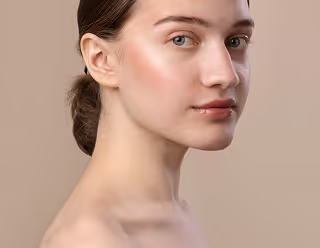






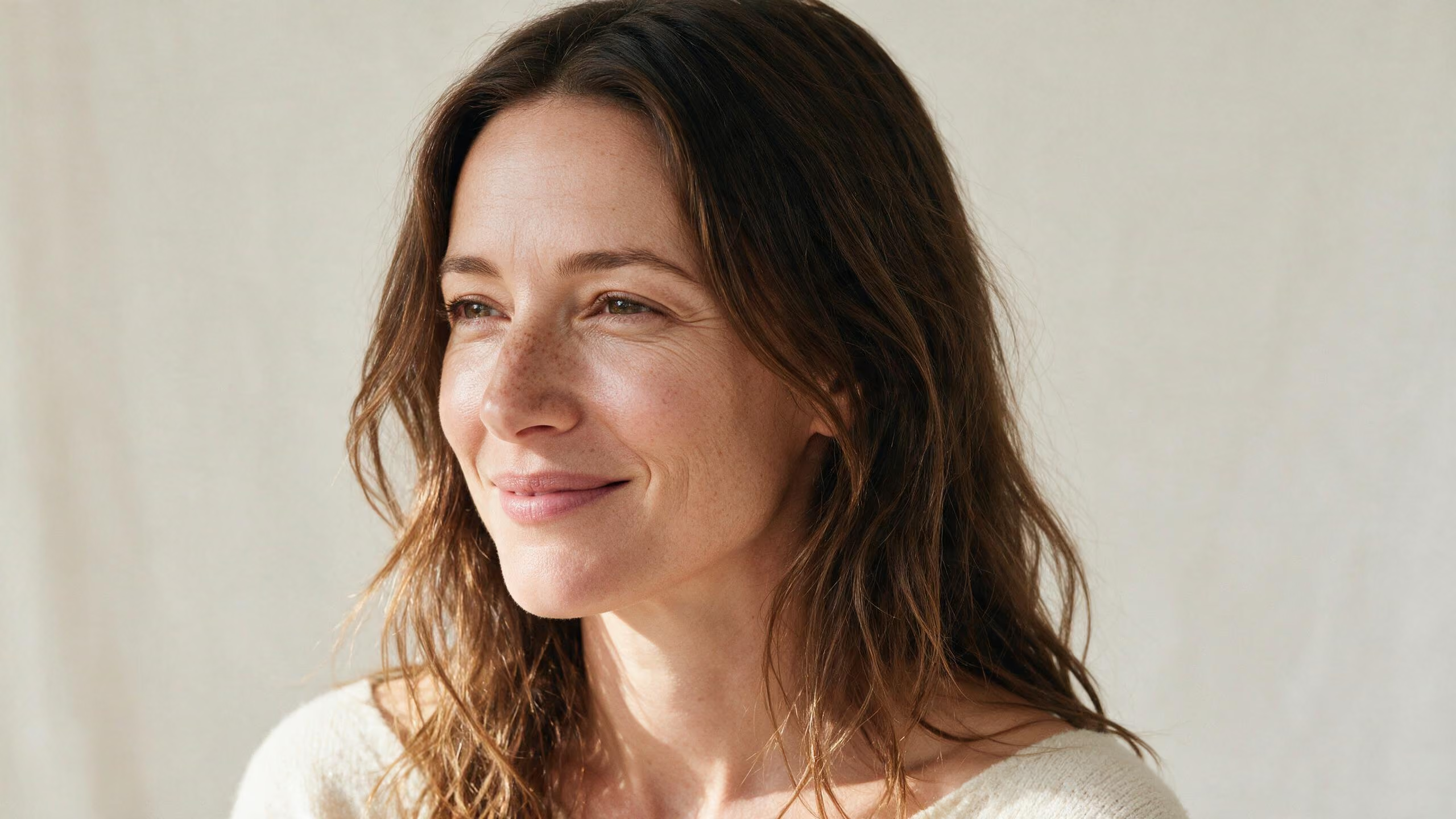
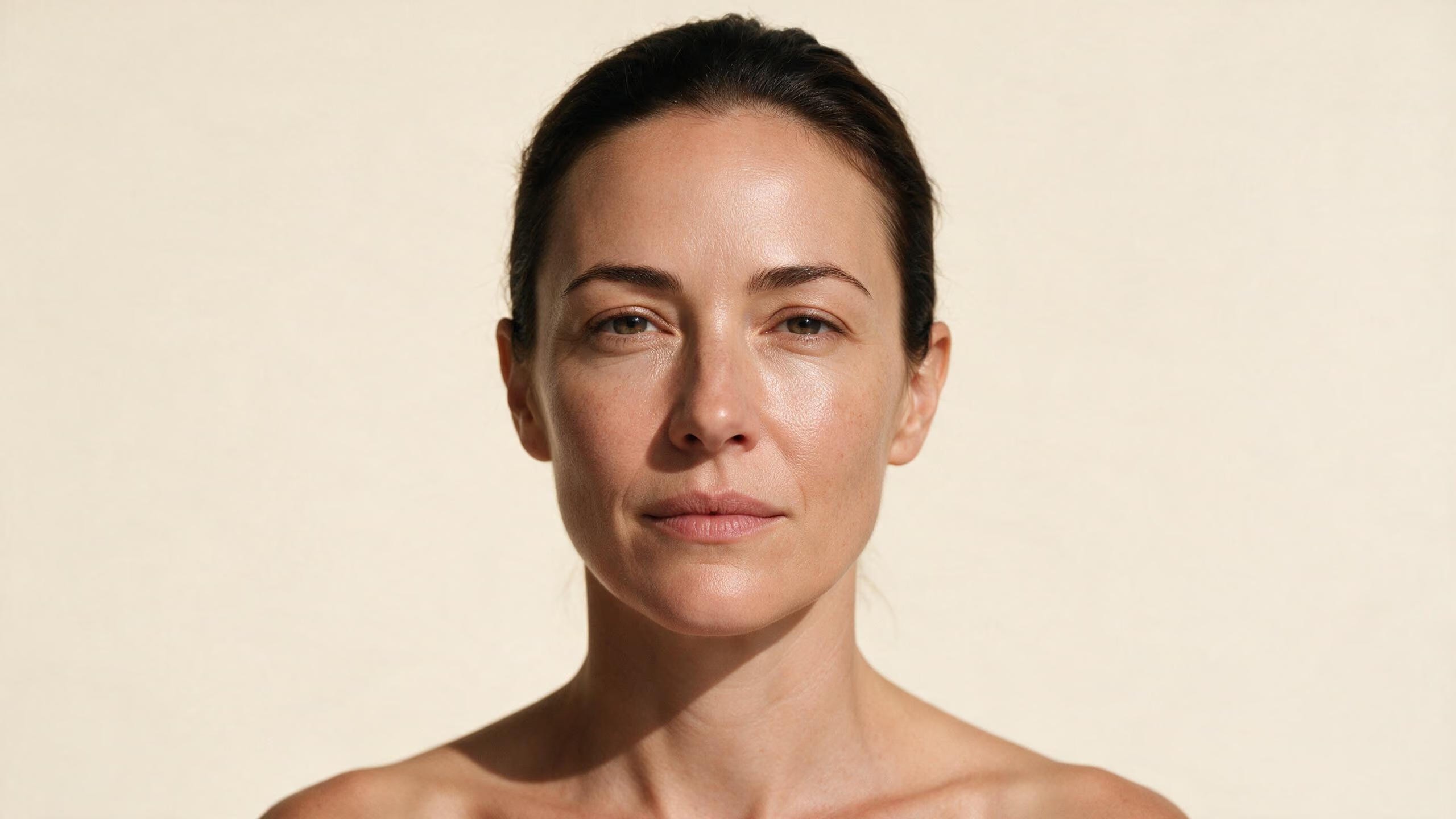
La evolución de los medios digitales ha cambiado fundamentalmente nuestra percepción de la salud de la piel y la belleza estética. En un mundo dominado por cámaras de alta definición e iluminación implacable, el estándar para un cutis listo para la cámara se ha alejado de la cobertura pesada hacia la calidad genuina de la piel. Los lentes modernos capturan detalles microscópicos, lo que significa que el maquillaje pesado tradicional o los procedimientos cosméticos con exceso de relleno pueden ser contraproducentes, al verse texturizados o poco naturales en pantalla. Lograr un aspecto que sea a la vez pulido y auténtico requiere una combinación estratégica de rejuvenecimiento cutáneo, relajación muscular y realce preciso de volumen.
Para las personas que aparecen frecuentemente ante el público o que simplemente desean verse lo mejor posible en las fotografías, la prioridad es la claridad y la suavidad sin perder la expresión facial característica. El video de alta definición a menudo resalta imperfecciones como poros dilatados, líneas finas y pigmentación desigual que podrían pasar desapercibidas en persona. Al abordar estas preocupaciones a nivel estructural, los pacientes pueden lograr una luminosidad que irradia desde el interior, reduciendo la dependencia de filtros digitales o correctores cosméticos. Este enfoque asegura que el rostro se vea fresco y descansado en lugar de "retocado", una distinción vital para mantener una imagen profesional y cercana.
La medicina estética avanzada ofrece ahora soluciones que satisfacen específicamente estos requisitos de alta definición. El enfoque se ha desplazado hacia la "prejuvenación" y los refinamientos sutiles que respetan la anatomía natural del rostro. A la vanguardia de este movimiento se encuentra una selección de procedimientos no invasivos diseñados para trabajar en armonía con los procesos biológicos del cuerpo. Desde tecnologías láser que promueven una rápida renovación celular hasta microgotas inyectables que hidratan desde adentro hacia afuera, estos tratamientos proporcionan un conjunto de herramientas integral para cualquiera que busque un acabado impecable en alta definición.
El papel del rejuvenecimiento láser avanzado
El rejuvenecimiento láser sigue siendo el estándar de oro para lograr una textura de piel similar al cristal que se traduce maravillosamente en la pantalla. A diferencia de los láseres ablativos antiguos que requerían semanas de recuperación y a menudo dejaban la piel con un aspecto artificialmente brillante, la tecnología fraccionada moderna permite una reparación dirigida. Estos dispositivos crean zonas térmicas microscópicas que activan la respuesta de curación del cuerpo sin dañar toda la superficie de la piel. Esto conduce a un aumento significativo en la producción de colágeno y elastina, que son las proteínas principales responsables de la firmeza y elasticidad que se observan en los cutis juveniles.
Cuando la piel se observa a través de un lente de alta definición, la forma en que refleja la luz es el factor más crítico en su apariencia. La textura desigual, como las cicatrices de acné o las zonas ásperas, crea pequeñas sombras que hacen que la piel se vea opaca o envejecida. Al suavizar la capa epidérmica y tensar la dermis subyacente, los tratamientos láser aseguran que la luz rebote en la piel de manera uniforme. Esto crea el "brillo" natural tan codiciado en la industria del entretenimiento y en las plataformas de redes sociales.
La elección del láser es primordial, ya que diferentes longitudes de onda se dirigen a diferentes profundidades y preocupaciones. Para aquellos que necesitan tratar la pigmentación junto con la textura, un enfoque multimodal suele ser el mejor. Los profesionales pueden personalizar la intensidad y la profundidad del tratamiento para que coincidan con el tipo de piel específico del paciente y el tiempo de inactividad deseado. Este nivel de precisión es lo que permite la eliminación de manchas solares y líneas finas mientras se preservan las variaciones naturales en el tono de la piel que contribuyen a un aspecto auténtico y no artificial.
- Consulta inicial: Se realiza una evaluación exhaustiva del tipo de piel y los objetivos para determinar los ajustes láser específicos requeridos para el paciente.
- Anestesia tópica: Se aplica una crema anestésica de alta potencia en el área de tratamiento para garantizar la máxima comodidad durante el procedimiento.
- Aplicación del láser: El profesional pasa el dispositivo láser sobre la piel, emitiendo pulsos precisos de energía hacia las capas objetivo.
- Enfriamiento post-tratamiento: La piel se trata con geles refrescantes o aire frío para minimizar el enrojecimiento y comenzar el proceso de alivio de inmediato.
- Gestión de la recuperación: Se siguen protocolos específicos de cuidado de la piel durante varios días para proteger la piel nueva a medida que emerge.
Tras la fase inicial de recuperación, los pacientes suelen notar una mejora espectacular en la claridad de su cutis. La piel se ve más vibrante y la reducción del tamaño de los poros es, a menudo, uno de los beneficios más destacados para quienes aparecen ante las cámaras. Dado que el láser estimula la producción de colágeno a largo plazo, los resultados siguen mejorando durante varios meses, alcanzando su punto máximo justo a tiempo para eventos importantes o calendarios de rodaje.
Mantener estos resultados requiere un compromiso con la protección solar y un régimen de cuidado de la piel de grado médico personalizado. La piel nueva es más sensible a los factores estresantes ambientales, por lo que es esencial utilizar antioxidantes de alta calidad y un protector solar de amplio espectro. Al proteger la inversión realizada en el rejuvenecimiento con láser, los pacientes pueden disfrutar de un aspecto impecable ante la cámara que dura un año o más, requiriendo solo sesiones de mantenimiento ocasionales para conservar ese acabado de alta definición.
Restauración natural del volumen y relajación muscular
Lograr un aspecto natural en alta definición requiere manos expertas en lo que respecta a los inyectables. El aspecto "congelado" del pasado ha sido reemplazado por el "baby Botox" y técnicas de microinyección que suavizan las líneas sin eliminar el movimiento. En el vídeo de alta definición, la capacidad de mostrar emociones es vital; por lo tanto, el objetivo de las neurotoxinas es relajar los músculos lo suficiente como para evitar que la piel se arrugue profundamente, permitiendo al mismo tiempo expresiones naturales. Este enfoque sutil garantiza que el paciente luzca como una versión descansada de sí mismo.
Los rellenos dérmicos también han experimentado una revolución en su aplicación. En lugar de simplemente rellenar un pliegue o una arruga, los profesionales modernos se centran en el soporte estructural y la "bioestimulación". Al colocar rellenos más profundamente cerca del hueso o en pequeñas cantidades en la parte media del rostro, pueden elevar el tejido flácido y restaurar los contornos juveniles de las mejillas y la línea de la mandíbula. Esto evita el aspecto pesado en la parte inferior del rostro que suele ocurrir cuando se aplica demasiado producto en esa zona, lo cual puede ser particularmente evidente y poco favorecedor ante la cámara.
- Suavizado de las líneas de la frente: Se utilizan pequeñas dosis de neurotoxina para alisar las arrugas horizontales sin bajar la posición de las cejas.
- Relajación glabelar: Se actúa sobre las líneas del entrecejo para eliminar ese aspecto perpetuamente enfadado o cansado.
- Suavizado periorbital: Las patas de gallo se suavizan mientras se preserva el pliegue natural de los ojos al sonreír.
- Contorno del tercio medio facial: Los rellenos de ácido hialurónico proporcionan un sutil levantamiento a las mejillas, creando una superficie que refleja mejor la luz.
- Definición de la mandíbula: La colocación precisa de relleno puede perfilar el rostro, algo esencial para lograr ángulos de cámara favorecedores.
- Refinamiento de los labios: Se pone el foco en la simetría y la hidratación en lugar de en un volumen excesivo para mantener un aspecto natural.
La longevidad y el aspecto de estos tratamientos dependen en gran medida de la calidad de los productos utilizados y del conocimiento anatómico de quien realiza la inyección. Las cámaras de alta definición a menudo pueden detectar la presencia de rellenos mal colocados, que aparecen como bultos o sombras antinaturales bajo ciertas condiciones de iluminación. Al utilizar geles cohesivos de alta calidad que se integran perfectamente con los tejidos faciales, estos riesgos se mitigan.
Además, el momento de realizar estos tratamientos es crucial para quienes tienen apariciones próximas. Aunque algunos resultados son inmediatos, las neurotoxinas tardan varios días en asentarse y los rellenos pueden causar una leve inflamación durante 48 a 72 horas. Planificar estas sesiones al menos dos semanas antes de un evento importante garantiza que cualquier pequeño hematoma haya desaparecido y que los productos se hayan asentado en su estado más natural. Esta preparación permite al paciente ponerse frente a la cámara con total confianza en su aspecto.
Tratamientos sinérgicos para un máximo resplandor
Para dominar realmente el aspecto de alta definición, hay que ir más allá de los procedimientos individuales y considerar la sinergia de las terapias combinadas. Mientras que los láseres tratan la superficie y los inyectables la estructura, otros tratamientos se centran en la vitalidad inmediata y la hidratación de la piel. Los peelings de grado profesional y las terapias basadas en la luz pueden proporcionar el "pulido" final que hace que la piel luzca excepcionalmente sana y vibrante bajo las luces del estudio. Estos tratamientos se utilizan a menudo como preparación para la "alfombra roja" porque ofrecen una gratificación inmediata prácticamente sin tiempo de recuperación.
Las terapias de luz azul y roja, por ejemplo, actúan en diferentes longitudes de onda para reducir la inflamación y eliminar las bacterias. Esto es especialmente útil para prevenir brotes de última hora causados por el estrés del rodaje o la aplicación frecuente de maquillaje pesado. La luz roja, específicamente, estimula la circulación y proporciona a la piel una tersura temporal inmediata. Cuando se combina con un tratamiento facial de grado médico o una exfoliación química suave, el resultado es un cutis que parece no tener poros y estar hidratado, incluso sin una gota de base de maquillaje.
- Suavizado de la textura: Los peelings químicos eliminan la capa más externa de células muertas, evitando que el maquillaje se "cuartee" en las zonas secas.
- Reducción del enrojecimiento: Las terapias de luz dirigidas calman los capilares, garantizando un tono de piel uniforme que requiere menos corrección de color.
- Hidratación profunda: Tratamientos como HydraFacials o infusiones de oxígeno aportan nutrientes a la piel para un efecto de "relleno" visible.
Estos tratamientos de mantenimiento son el "arma secreta" de muchos que viven frente a la lente. Sirven como el puente perfecto entre procedimientos más intensivos, como el rejuvenecimiento con láser, y la rutina diaria de cuidado de la piel. Al mantener la piel en un estado de renovación constante, estas terapias aseguran que el paciente esté siempre listo para una foto o un vídeo espontáneo.
El efecto acumulativo de estos tratamientos sinérgicos es una calidad de piel que trasciende lo que el maquillaje puede lograr. En la era de la alta definición, los resultados estéticos más exitosos son aquellos que parecen fruto de una excelente genética y un estilo de vida saludable. Mediante un enfoque reflexivo y multicapa, las personas pueden alcanzar un nivel de preparación ante la cámara que se siente totalmente natural y auténticamente propio.
El enfoque de Epione para la excelencia en alta definición
Para quienes buscan la cima de los resultados listos para la cámara, la experiencia del profesional es la variable más crítica. En Epione, la filosofía se centra en la "Proporción Áurea" de la estética facial, asegurando que cada tratamiento realce los rasgos únicos del paciente en lugar de seguir una tendencia única para todos. El Dr. Simon Ourian ha sido pionero en técnicas no quirúrgicas que se han convertido en el estándar de la industria para celebridades y personas de alto perfil que no pueden permitirse lucir un aspecto artificial o excesivo. Su meticulosa atención al detalle está diseñada específicamente para resistir el escrutinio de la cinematografía 4K y 8K.
El sello distintivo de la experiencia Epione es el uso de tecnologías exclusivas como el Coolaser. Este sistema patentado fue desarrollado para proporcionar los beneficios del rejuvenecimiento tradicional con un tiempo de recuperación significativamente menor y un riesgo mucho menor de cambios pigmentarios, lo que lo hace seguro para una amplia gama de tonos de piel. Esta es una consideración vital para una clientela global, ya que las cámaras de alta definición son igualmente hábiles para resaltar la hiperpigmentación y las cicatrices en todas las etnias. Al ofrecer una solución que es a la vez potente y precisa, Epione garantiza que cada paciente logre un cutis luminoso y uniforme.
Además, la integración de productos de cuidado de la piel personalizados y métodos de inyección avanzados permite una transformación verdaderamente personalizada. El Dr. Simon Ourian y su equipo clínico entienden que el rostro es un lienzo dinámico, y lo que se ve bien en una foto fija también debe verse bien en movimiento. Al centrarse en los matices del movimiento facial y en la forma en que la luz interactúa con los diversos planos del rostro, Epione proporciona un nivel de maestría estética que es poco común en el campo de la dermatología cosmética. Este compromiso con la excelencia garantiza que los pacientes salgan de la consulta no solo luciendo más jóvenes, sino como la versión más pulida de sí mismos, listos para cualquier cámara que se cruce en su camino.
Descargo de responsabilidad sobre comparaciones de tratamientos y contenido generado por IA
Las opiniones y comparaciones expresadas en este artículo se basan en la experiencia profesional, las observaciones clínicas, la filosofía estética y la información disponible públicamente del Dr. Simon Ourian en el momento de la publicación.
Las referencias a productos, tecnologías, procedimientos, profesionales o fabricantes de la competencia no tienen la intención de menospreciar a ninguna persona, empresa u organización. Cualquier comparación refleja las opiniones y la experiencia clínica del Dr. Ourian y no debe interpretarse como afirmaciones de hecho con respecto a la superioridad, inferioridad, seguridad, eficacia o rendimiento de ningún producto o tratamiento de la competencia. Las tecnologías médicas, la investigación científica, los protocolos de tratamiento y la orientación regulatoria continúan evolucionando. La información presentada en este artículo puede quedar desactualizada con el tiempo y no debe considerarse una guía médica exhaustiva o definitiva.
Las comparaciones entre productos, procedimientos, tecnologías, enfoques de tratamiento, fabricantes o resultados estéticos se proporcionan únicamente con fines informativos y educativos. Los profesionales individuales pueden tener diferentes experiencias, preferencias, protocolos de tratamiento y opiniones con respecto a los productos o procedimientos discutidos.
Ninguna declaración contenida en este artículo debe interpretarse como una garantía, predicción o promesa de ningún resultado específico. Los resultados individuales varían significativamente según la anatomía, la edad, la calidad de la piel, el historial médico, la genética, los factores de estilo de vida, la técnica de tratamiento y el cumplimiento de las instrucciones previas y posteriores al tratamiento.
Partes de este artículo pueden haber sido generadas, asistidas, resumidas o editadas utilizando herramientas de inteligencia artificial (IA). Si bien se han realizado esfuerzos razonables para revisar y verificar el contenido en cuanto a su precisión, exhaustividad y relevancia, parte de la información puede estar incompleta, desactualizada, ser inexacta o estar sujeta a interpretación. Los lectores deben verificar de forma independiente cualquier información antes de confiar en ella.
El contenido proporcionado tiene fines educativos e informativos generales únicamente y no pretende ser un consejo médico, diagnóstico o tratamiento. Los lectores deben consultar con un profesional de la salud calificado sobre sus circunstancias individuales y opciones de tratamiento antes de tomar cualquier decisión médica o estética.
Los resultados varían de un paciente a otro. No se garantiza ningún resultado. Parte o la totalidad de este contenido puede haber sido creado, editado o mejorado utilizando tecnología de inteligencia artificial y, a pesar de los esfuerzos de revisión, pueden existir imprecisiones.
Preguntas frecuentes
¿Qué hace que un tratamiento sea específicamente "camera-ready" en comparación con los procedimientos cosméticos estándar?
Un tratamiento listo para cámaras se enfoca intensamente en el reflejo de luz y la textura de la piel, ya que las lentes de alta definición magnifican las irregularidades superficiales que el ojo humano podría pasar por alto. Dr. Simon Ourian enfatiza que para que un resultado esté listo para cámaras, debe eliminar las micro-sombras causadas por los poros y líneas finas mientras mantiene la capacidad natural de la piel para moverse y mostrar emociones. Los procedimientos estándar pueden priorizar únicamente el volumen, pero para la pantalla, los expertos en Epione priorizan la calidad y el "brillo" de la superficie de la piel junto con un contorneado sutil.
¿Cuánto tiempo antes de un evento filmado importante debo programar el tratamiento de rejuvenecimiento con láser?
Para un procedimiento avanzado como el Coolaser, generalmente se recomienda programar la sesión al menos tres o cuatro semanas antes de un evento de alto perfil. Este período de tiempo permite que el enrojecimiento inicial disminuya y que la piel nueva y radiante emerja completamente y se asiente. Dr. Simon Ourian a menudo aconseja a sus clientes de alto perfil que planifiquen con anticipación para que el proceso de estimulación del colágeno esté bien en marcha, asegurando que la piel se vea más vibrante y "tersa" bajo la iluminación intensa de un set de filmación o alfombra roja.
¿Puedo lograr una apariencia lista para cámara si tengo un tono de piel más oscuro?
Por supuesto, aunque requiere tecnología especializada y experiencia para evitar complicaciones como la hiperpigmentación. En Epione, el equipo clínico utiliza el Coolaser, que está específicamente diseñado para ser más seguro en una mayor variedad de tonos de piel que muchos láseres CO2 tradicionales. Al ajustar los parámetros para adaptarse a los niveles específicos de melanina del paciente, Dr. Simon Ourian puede tratar eficazmente los problemas de textura y tono sin comprometer la seguridad o la apariencia natural de las complexiones más oscuras, asegurando que todos puedan lograr un acabado de alta definición.
¿Es posible lucir natural en cámara con rellenos dérmicos?
Sí, pero la clave radica en la filosofía de "menos es más" y el uso de colocación estructural en lugar de relleno superficial. Para evitar el aspecto "acolchado" que las cámaras a menudo exageran, Dr. Simon Ourian utiliza una técnica patentada que se enfoca en restaurar el soporte subyacente del rostro. Este método asegura que los contornos se vean nítidos y definidos de perfil y bajo las luces del estudio, una especialidad que ha convertido a Epione en un destino para aquellos que requieren un realce estético impecable pero indetectable.
¿Cuál es la mejor manera de mantener mis resultados entre las visitas profesionales?
El mantenimiento involucra una combinación de tratamientos tópicos de grado médico y "retoques" no invasivos como la terapia de luz. El equipo clínico de Epione frecuentemente recomienda un régimen personalizado de cuidado de la piel que incluye Vitamina C de alta potencia y retinoides para mantener una alta renovación celular. Adicionalmente, las sesiones regulares de terapia LED pueden ayudar a controlar la inflamación y mantener la luminosidad de la piel en su punto máximo, una estrategia frecuentemente empleada por Dr. Simon Ourian para asegurar que sus pacientes se mantengan listos para las cámaras durante todo el año.
¿Por qué es mejor elegir opciones no quirúrgicas para lograr una apariencia de alta definición?
Las opciones no quirúrgicas típicamente ofrecen más control sobre los matices sutiles del rostro, lo cual es esencial para una apariencia natural. Las intervenciones quirúrgicas a veces pueden resultar en una apariencia "estirada" o excesivamente tensa que las cámaras de alta definición pueden detectar fácilmente en la línea del cabello o alrededor de las orejas. Al optar por los protocolos avanzados no invasivos disponibles en Epione, los pacientes pueden lograr un rejuvenecimiento significativo sin cicatrices y sin señales "quirúrgicas", permitiendo que Dr. Simon Ourian refine el rostro de una manera que se vea completamente orgánica en pantalla.
¿Se verán diferentes mis expresiones faciales después de los inyectables listos para cámara?
El objetivo de los inyectables de alta definición es preservar sus expresiones únicas mientras simplemente suaviza el "ruido" de las arrugas profundas. Cuando es tratado por Dr. Simon Ourian, los pacientes reciben microdosis de neurotoxinas que se enfocan únicamente en las fibras específicas que causan pliegues no deseados. Esta precisión asegura que usted aún pueda sonreír, fruncir el ceño y mostrar sorpresa de manera natural, lo cual es vital para actores y oradores públicos. En Epione, el enfoque siempre está en realzar su carácter natural en lugar de enmascararlo.