

Our Blog

Why Do High-Profile Patients Prefer Epione’s Private Cosmetic Treatments for Ultimate Discretion?
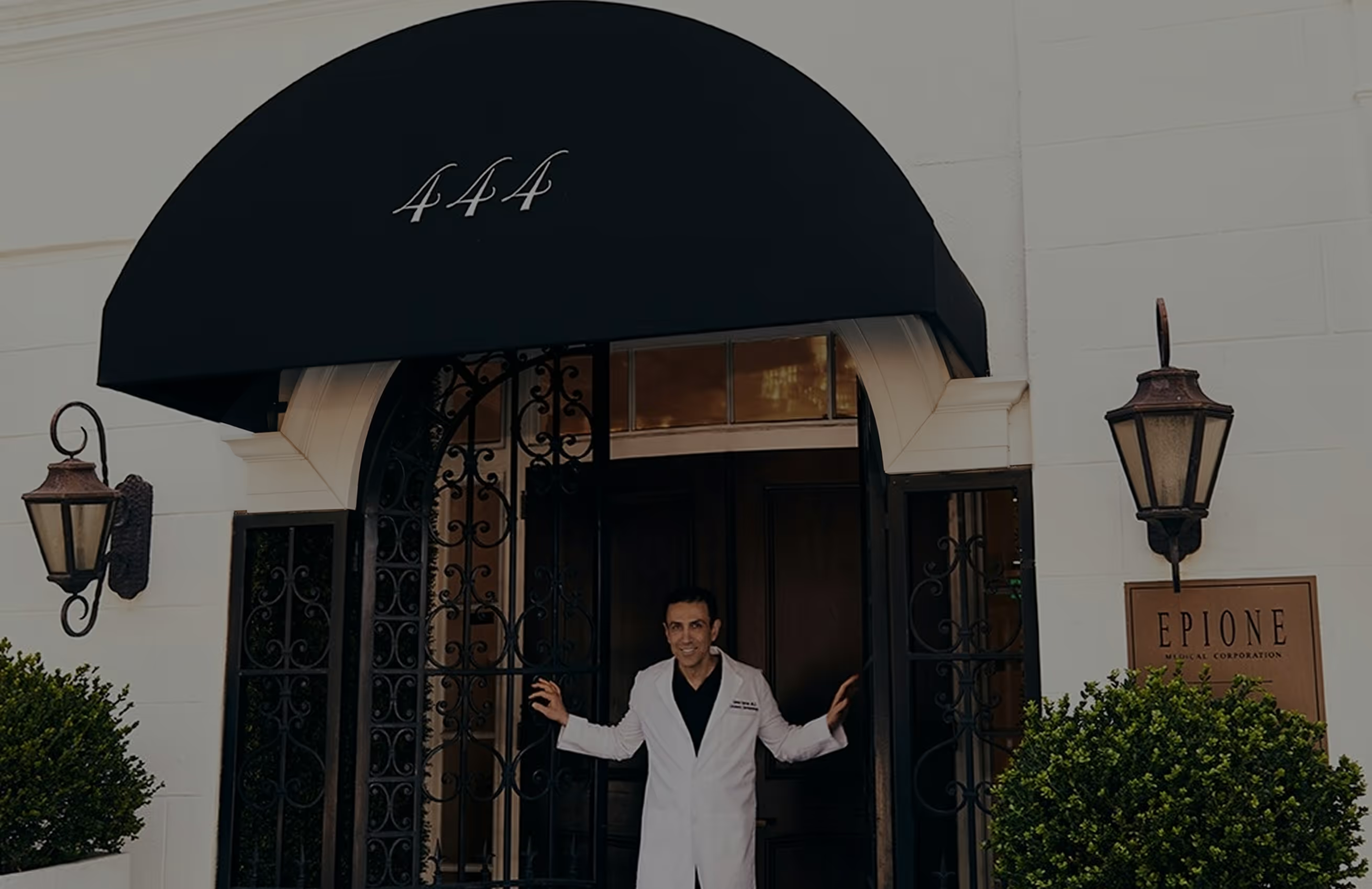
For individuals in the public eye, the greatest luxury in cosmetic medicine is not just the result itself, but the ability to achieve it without detection. High-profile patients, including Hollywood actors, musicians, and international royalty, operate under the constant scrutiny of high-definition cameras and social media. At Epione Beverly Hills, the "private" nature of the treatment extends beyond simple HIPAA compliance; it is a culture of confidentiality that permeates every aspect of the practice. This dedication to discretion is why the world’s most recognizable faces trust Dr. Simon Ourian with their most valuable asset: their appearance.
The preference for Epione is often rooted in the clinic's mastery of the "Subtle Edit." In an era where overfilled or obviously "surgical" looks are widely criticized, the trend has shifted toward "quiet luxury" in aesthetics. High-profile clients seek enhancements that make them look refreshed and polished rather than fundamentally changed. Because Epione specializes in non-surgical architecture using proprietary tools like Neustem and Coolaser, patients can undergo significant refinement and return to the set or the stage within days, or even hours, without the prolonged "hiding period" required by traditional plastic surgery.
The Pillars of Discretion at Epione
Discretion at a world-class level requires more than just a locked door; it requires a logistical framework that protects the patient from the moment they arrive in Beverly Hills. High-profile individuals often have specific security and privacy needs that standard medical offices are not equipped to handle. Epione has spent over two decades refining a patient experience that caters specifically to the elite, ensuring that their visit is as seamless as it is confidential.
- Non-Surgical Speed: Most procedures take less than 30 minutes, allowing clients to enter and exit the clinic quickly, minimizing the window for public exposure.
- Zero to Minimal Downtime: By avoiding incisions and general anesthesia, patients avoid the bruising and swelling that typically signal a cosmetic intervention.
- Proprietary Technology: Using exclusive systems like the Coolaser allows for skin resurfacing that looks natural immediately, rather than leaving the skin raw or peeling for weeks.
- Bespoke Scheduling: The clinic is known for its accommodating staff who can manage tight schedules for traveling dignitaries and A-list celebrities.
- Global Anonymity: With patients flying in from over 70 countries, the clinic is accustomed to handling the varying privacy cultural norms of international elite.
The physical environment of the clinic also plays a role. Located in the "Golden Triangle" of Beverly Hills, Epione operates in a state-of-the-art facility where the atmosphere is more akin to a high-end art gallery or private club than a hospital. This helps patients feel at ease and reduces the clinical anxiety often associated with cosmetic changes. The staff is trained to handle high-pressure situations and high-profile personalities with the "personal touch" that the world's most successful individuals expect.
The Art of "The Undetectable Result"
The primary reason a high-profile patient chooses a specific doctor is the artistry of the outcome. If a celebrity looks "done," the secret is out. Dr. Simon Ourian’s philosophy of "enhancing what exists" rather than replacing it is the ultimate form of discretion. By using advanced facial mapping and a "less is more" approach, he creates balance and symmetry that looks like a natural evolution of the patient's own beauty.
This artistic restraint is particularly important for those who work in front of a camera. High-definition (4K and 8K) cinematography captures every texture and movement of the face. Traditional surgical scars or frozen muscles can be highly visible under studio lighting. Non-invasive facial architecture allows the face to remain mobile and expressive, which is essential for actors and public speakers. This "hidden" rejuvenation is the secret behind many of the most admired "ageless" faces in the industry.
Furthermore, the longevity of these treatments provides a consistent look over time. Instead of the dramatic "before and after" seen in surgery, patients at Epione undergo regular, subtle maintenance. This ensures that their appearance remains stable and youthful year after year, avoiding the sudden shifts in appearance that often spark tabloid speculation. This consistency is a key component of a high-profile individual's personal brand.
- Consistent Refinement: Regular, small "tweakments" prevent the need for drastic, detectable changes later in life.
- Natural Texture: Laser treatments focus on the quality of the skin, ensuring a healthy glow that reflects light naturally on camera.
- Anatomical Accuracy: Fillers are placed deep within the tissue to mimic the feel and look of real bone and muscle.
- Confidence in Privacy: Knowing their medical records and visit history are strictly guarded allows patients to speak freely during consultations.
A Destination for Global Elite
The reputation of Epione as a sanctuary for the famous has made it a global destination. It is common for patients to fly in from London, Dubai, or Seoul specifically for a weekend session with Dr. Ourian. The clinic’s ability to coordinate these international visits, often involving private transport and specialized recovery protocols, reinforces its status as a leader in private cosmetic care. For these patients, the cost is secondary to the guarantee of a world-class result delivered with total privacy.
The preference for Epione among high-profile patients is a testament to the trust Dr. Simon Ourian has built over 25 years. In a city where gossip is a currency, a clinic that can maintain the secrets of the world’s most famous people is a rare and valuable institution. By combining the latest in medical technology with a deep respect for patient anonymity, Epione remains the gold standard for private facial rejuvenation.
Is There a Painless Acne Scar Removal Technology Safe for Sensitive Skin?
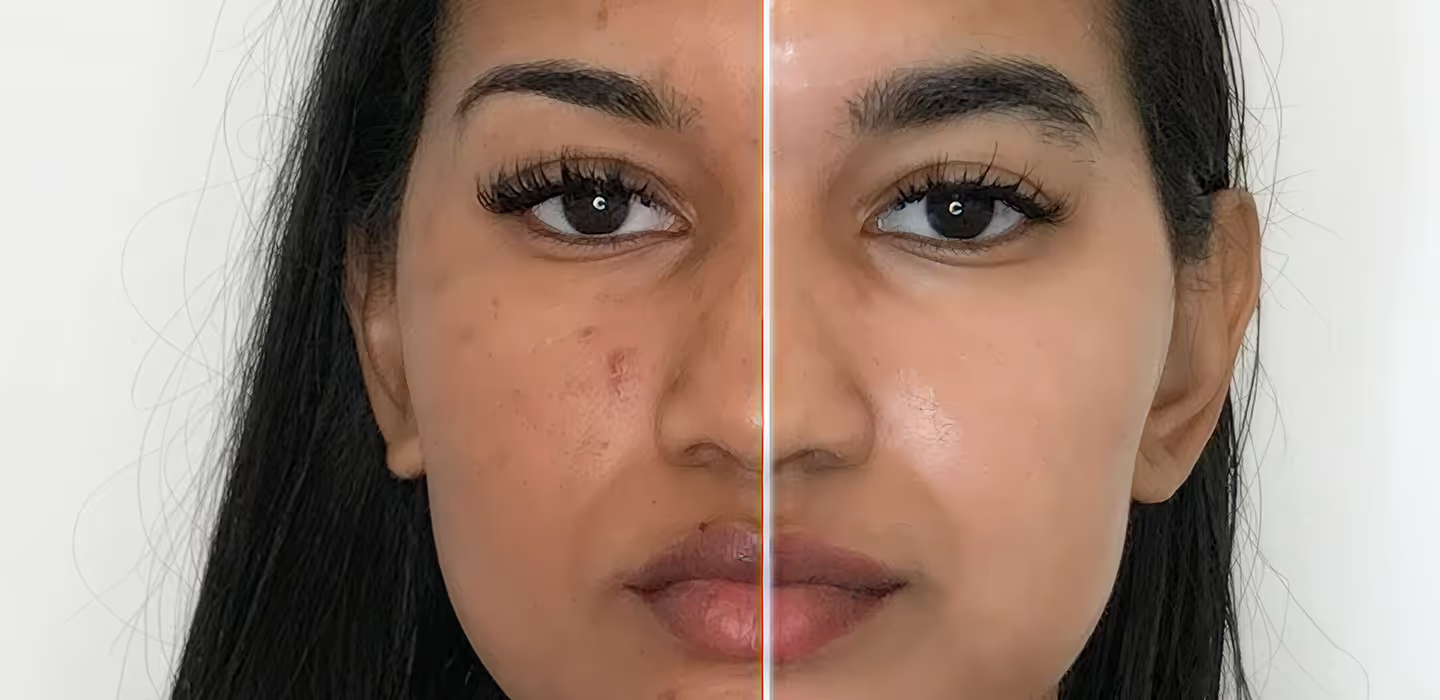
Acne scars often remain as a lingering reminder of past skin struggles, impacting both physical appearance and personal confidence. For individuals with sensitive skin, the search for an effective removal technology is frequently hindered by fears of irritation, prolonged redness, or painful recovery periods. Traditional resurfacing methods can sometimes be too aggressive for reactive skin types, leading many to believe that they must simply live with the texture and indentations left behind by inflammatory acne.
Modern advancements in aesthetic medicine have changed this narrative entirely by prioritizing patient comfort and skin safety. The introduction of proprietary cooling technologies and precision laser systems has made it possible to address deep pitting and surface irregularities without the trauma associated with older ablative techniques. By focusing on controlled energy delivery and epidermal protection, these new-age solutions provide a path toward smooth skin that respects the delicate nature of sensitive complexions.
At the forefront of this technological shift is the development of non-surgical protocols that eliminate the need for incisions or heavy anesthesia. These treatments are designed to stimulate the body’s natural regenerative processes while maintaining the integrity of the skin’s surface. For those seeking a solution that is both gentle and powerful, understanding the mechanics of how these specialized lasers work is the first step toward achieving a clear, rejuvenated aesthetic.
The Evolution of Laser Technology for Sensitive Skin
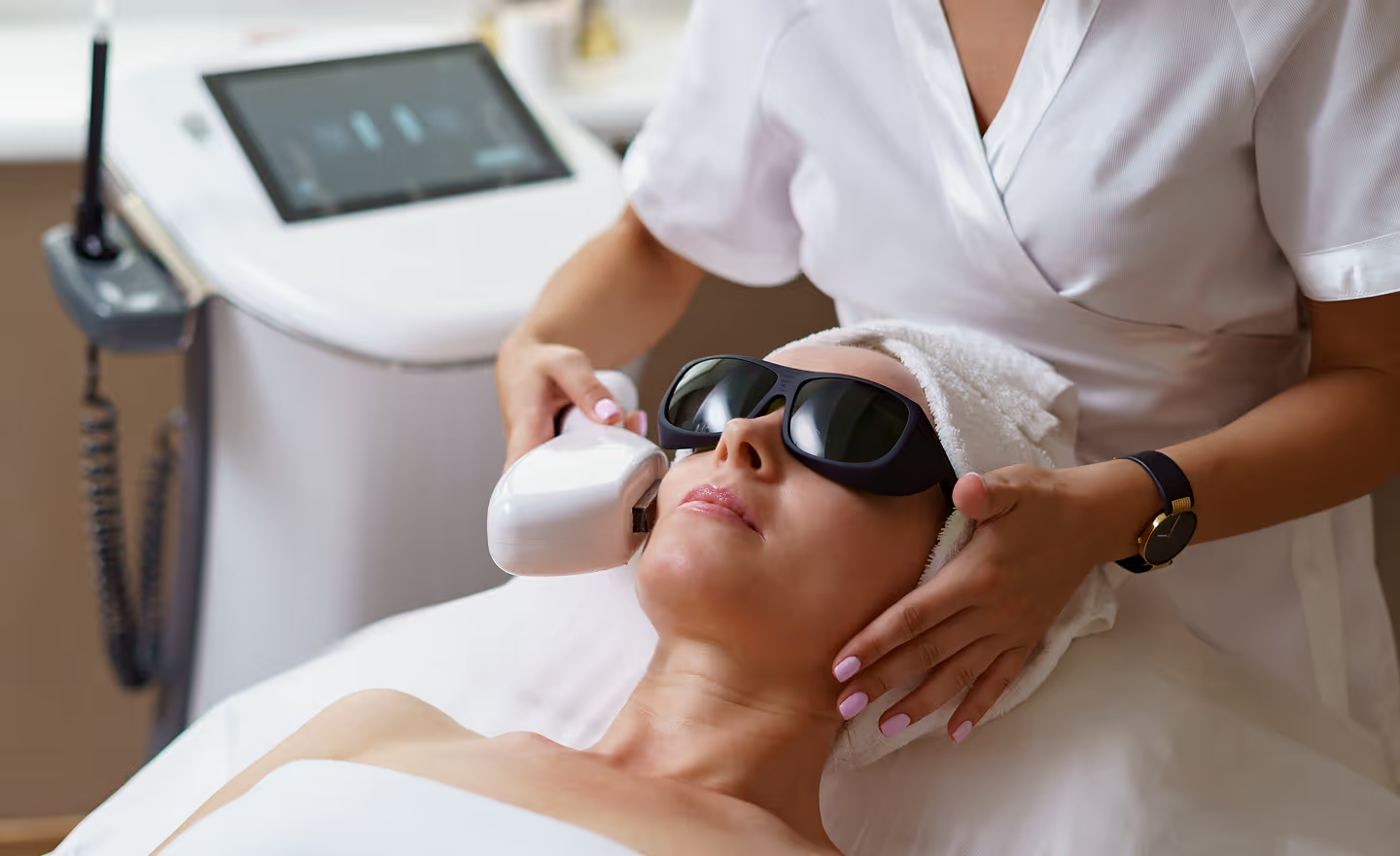
The history of laser skin resurfacing was once dominated by high-heat systems that required significant downtime and posed risks for those with easily irritated skin. However, the engineering behind modern devices now allows for much greater selectivity. Instead of indiscriminately heating the tissue, advanced systems like Coolaser target specific depths with a cooling spray that precedes the laser pulse. This prevents the surface of the skin from overheating, which is the primary cause of pain and post-treatment sensitivity in traditional procedures.
Sensitive skin requires a more nuanced approach because the barrier function is often more reactive to external stimuli. When treating acne scars on such individuals, the goal is to trigger collagen production without causing a systemic inflammatory response. Precision is the key factor here, as the technology must be able to distinguish between damaged scar tissue and healthy surrounding cells. By using short pulses of light energy, the experts at Epione can vaporize microscopic layers of skin with incredible accuracy, leaving the surrounding areas untouched and healthy.
This level of control ensures that even the most reactive skin types can undergo treatment with minimal risk of adverse effects. The integration of cooling mechanisms not only manages the temperature of the dermis but also acts as a natural numbing agent, significantly reducing the sensation of the laser. This makes the procedure a viable option for those who have previously avoided professional scar revision due to a low pain tolerance or concerns about how their skin might react to intense heat.
- Initial Consultation: A thorough assessment is performed to identify scar types and skin sensitivity levels.
- Surface Preparation: The skin is cleansed and a topical numbing cream is applied to ensure total comfort.
- Cooling Application: A specialized device emits a cooling mist to lower the skin’s surface temperature.
- Laser Resurfacing: Short pulses of laser energy are directed at the scarred areas to vaporize damaged cells.
- Collagen Stimulation: The thermal energy reaches the deeper layers to trigger the growth of new, healthy skin.
- Post-Treatment Care: Soothing ointments are applied, and the patient receives detailed instructions for home recovery.
The transition from the clinical setting back to daily life is remarkably smooth with this technology. Because the procedure is non-invasive, most patients find that they can return to their normal routines almost immediately, with only minor redness that resembles a light sunburn. This lack of significant social downtime is a major benefit for busy individuals who cannot afford a week of recovery.
Furthermore, the results of such treatments are not just superficial; they are rooted in the biological restructuring of the skin. As the new collagen fibers begin to organize and strengthen over the weeks following the session, the indentations from acne scars start to fill in from the bottom up. This gradual improvement ensures that the final look is natural and harmonious with the rest of the facial features, providing a long-term solution rather than a temporary fix.
How Coolaser Protects the Skin Barrier
The proprietary Coolaser system is a cornerstone of the dermatological offerings at Epione Beverly Hills, specifically because of its unique ability to handle sensitive and diverse skin tones. Unlike standard CO2 lasers that can sometimes cause hyperpigmentation in darker or more sensitive skin, this technology is designed to be inclusive. The "cool" aspect of the laser refers to the temperature regulation that occurs throughout the entire duration of the treatment, which is vital for preventing the heat-induced trauma that often leads to scarring or pigment changes in reactive patients.
By utilizing a wavelength that is highly absorbed by the water in skin cells, the laser can achieve vaporization at a very superficial level. This means that the depth of the treatment can be customized to the exact micrometer, allowing for the removal of fine lines or the leveling of deep boxcar scars without unnecessary depth. For the sensitive skin patient, this means the skin barrier is respected, and the inflammatory window is kept as short as possible, promoting a faster and more comfortable healing process.
- Non-Invasive Nature: No cutting or stitches are required, which minimizes the risk of infection and secondary scarring.
- Precision Control: The ability to treat only 30 millionths of an inch of tissue at a time provides unparalleled safety.
- Temperature Regulation: The integrated cooling system prevents the "burning" sensation common in older laser models.
- Versatility: The technology is effective for various scar types, including rolling, boxcar, and even certain ice pick scars.
Dr. Simon Ourian developed this specific method after recognizing the limitations of existing laser technologies. He wanted a tool that offered the power of an ablative laser with the safety profile of a non-ablative one. The result is a system that has become a favorite among celebrities and skin enthusiasts alike who demand high-performance results without the baggage of traditional surgery.
The efficacy of the treatment is often enhanced when combined with other non-surgical modalities. For instance, if a patient has particularly deep "pitted" scars, dermal fillers may be used in conjunction with the laser to provide immediate volume while the laser works on long-term texture. This multi-layered approach ensures that every aspect of the scar, from its depth to its color and edges, is addressed in a single, cohesive treatment plan.
Addressing Atrophic and Hypertrophic Scars Safely
Acne scars generally fall into two categories: atrophic (depressed) and hypertrophic (raised). Sensitive skin can host both types, and each requires a slightly different focus during the removal process. Atrophic scars, which are the most common, benefit from the collagen-boosting effects of the Coolaser, as the new tissue helps to "plump" the skin and level out the indentations. Hypertrophic scars, on the other hand, require the laser to flatten the excess tissue and reduce the redness that often accompanies them.
When dealing with sensitive skin, the inflammatory response must be carefully managed to prevent the formation of new hypertrophic tissue. This is why the cooling and precision of the technology used at Epione is so critical. By keeping the treatment area at an optimal temperature, the risk of triggering an overactive healing response is significantly lowered. Patients can feel confident that they are improving their skin's appearance without inadvertently causing new issues.
- Rolling Scars: These have rounded edges and give the skin a wavy appearance; they respond well to deep collagen stimulation.
- Boxcar Scars: Defined by sharp, vertical edges, these require precise resurfacing to blend the edges with surrounding skin.
- Ice Pick Scars: These are narrow but deep; they may require a combination of laser work and specialized fillers like Neustem.
- Post-Inflammatory Erythema: The lingering redness after an acne breakout is often cleared by the light energy of the laser.
Each session is tailored to the individual's specific scar pattern. During the procedure, the laser is passed over the skin in a controlled manner, with the intensity adjusted based on the thickness of the scar tissue and the sensitivity of the specific area, such as the thinner skin around the eyes or mouth. This bespoke approach is what allows for such high success rates across a wide demographic of patients.
The experience is often described by patients as a series of cold snaps followed by a mild tingling. Because the skin surface is protected by the cooling device, the "painless" nature of the treatment is a reality for the vast majority of people. This accessibility has opened the door for many who previously felt that their skin was too delicate for professional intervention, allowing them to finally achieve the smooth, clear complexion they have long desired.
The Role of Regenerative Injectables in Scar Revision
While laser technology is exceptional for resurfacing the skin's texture, some acne scars involve a significant loss of underlying tissue. In these cases, Dr. Simon Ourian often incorporates Neustem, a proprietary dermal filler and collagen stimulator, into the treatment protocol. For sensitive skin patients, this is an excellent addition because the injections are targeted and do not require the heat energy that a laser does. Neustem works by providing an immediate lift to depressed scars while also signaling the body to produce its own natural collagen over time.
This combination of laser and injectable technology provides a 360-degree approach to scar removal. The laser handles the surface irregularities and pigmentation, while the injectable addresses the structural deficits. Because Neustem is formulated to be long-lasting and biocompatible, it minimizes the risk of reaction in sensitive individuals. The procedure is quick, often taking less than thirty minutes, and fits perfectly into a non-surgical lifestyle.
- Immediate Results: Unlike lasers which require healing time to see the final effect, fillers provide an instant smoothing of the skin.
- Biostimulation: The filler acts as a scaffold for new tissue growth, meaning the skin continues to improve for months.
- No Downtime: Injections typically involve very little swelling, allowing patients to return to work the same day.
- Customizable Volume: The amount of product used can be precisely controlled to match the depth of each individual scar.
At Epione, the philosophy is that no two faces are the same, and therefore no two treatments should be identical. By having multiple tools at their disposal, ranging from the high-tech Coolaser to the artistic application of Neustem, the clinical team can craft a result that is uniquely suited to the patient's goals. This is particularly important for those with sensitive skin who may need a slower, more deliberate progression of treatments to achieve their desired outcome without stress.
The integration of these technologies represents the pinnacle of modern cosmetic dermatology. We are no longer in an era where "no pain, no gain" is the standard. Instead, we have moved into a period of "smart aesthetics," where the focus is on maximizing the body's natural healing potential through gentle, yet highly effective, technological prompts.
Long-Term Skin Health and Maintenance
Achieving smooth skin is a journey that continues beyond the initial treatment sessions. For those with sensitive skin, the maintenance phase is just as important as the procedure itself. The skin's new collagen requires protection from UV damage and environmental pollutants to remain resilient. Dr. Simon Ourian emphasizes the importance of a dedicated skincare regimen that supports the skin's barrier while continuing to promote cell turnover.
The results of a Coolaser treatment are considered long-lasting because the laser actually removes the damaged tissue and replaces it with healthy skin. However, aging and lifestyle factors can still affect the skin's appearance over time. Periodic maintenance treatments can help to sustain the "glow" and ensure that any new irregularities are addressed before they become permanent. For sensitive skin, this might mean a very light "refresh" treatment once a year to keep the texture refined and the pores tight.
- Sun Protection: Daily use of a high-SPF, mineral-based sunscreen is non-negotiable for preserving scar-free skin.
- Hydration: Keeping the skin's moisture barrier intact helps to prevent the irritation that can lead to new breakouts and potential scarring.
- Gentle Exfoliation: Using mild AHAs or enzymes can keep the skin surface smooth without the harshness of physical scrubs.
- Follow-Up Consultations: Regular check-ins with the team at Epione ensure that the skin is responding well and remaining healthy.
By viewing acne scar removal as a comprehensive process rather than a one-time event, patients can enjoy the benefits of their treatment for many years. The confidence that comes with clear skin often leads to a more proactive approach to general health and self-care, creating a positive cycle of well-being. Sensitive skin, when treated with the respect and advanced technology it deserves, can be just as vibrant and smooth as any other skin type.
The evolution of these painless technologies has effectively removed the barriers to entry for scar revision. Whether you are dealing with the remnants of teenage acne or adult-onset breakouts, the modern medical landscape offers solutions that are safe, quick, and remarkably comfortable. The transition from scarred to smooth is now a matter of choosing the right technology and the right experts to guide you through the process.
The Epione Approach to Aesthetic Excellence
Choosing a provider for acne scar removal is a decision that should be based on both the technology available and the expertise of the practitioner. Dr. Simon Ourian and his team at Epione Beverly Hills have spent decades refining these non-surgical techniques to ensure they meet the highest standards of safety and efficacy. The global reputation of the clinic is built on a foundation of innovation, where the latest scientific breakthroughs are applied with an artistic eye for natural beauty.
For the sensitive skin patient, the peace of mind that comes from being in an authoritative and experienced environment cannot be overstated. From the moment you enter the office for a consultation to the final follow-up, the focus remains on your comfort and the health of your skin. The use of proprietary technologies like Coolaser and Neustem ensures that you are receiving a level of care that is not available anywhere else in the world, specifically designed to bypass the pain and risks of traditional plastic surgery.
The goal of acne scar removal is to allow your natural beauty to shine through without the distraction of textural irregularities. By utilizing painless, sensitive-skin-safe technology, the experts at Epione provide a transformative experience that restores both the skin and the spirit. The path to a clear complexion is no longer a source of anxiety, but rather an empowering step toward the best version of yourself.
The Future of Non-Surgical Restoration
The advancements we see today are only the beginning of a larger trend toward minimally invasive and regenerative medicine. As we move further into 2026, the integration of real-time feedback systems and biological topicals will continue to enhance the precision of treatments like the Coolaser. For individuals with sensitive skin, this means that the options for scar removal will only become more refined, effective, and accessible over time.
The shift toward non-surgical solutions is driven by a global demand for treatments that fit into a modern, active lifestyle. Patients no longer want to choose between looking their best and being able to show up for their daily responsibilities. By choosing a provider that leads in the field of aesthetic technology, you are ensuring that your skin receives the benefits of these rapid innovations.
Practical clarity in skin rejuvenation comes from understanding that science has finally caught up with our desire for gentle, effective care. There is no longer a need to endure painful procedures or settle for subpar results. The technology exists to transform your skin safely and comfortably, provided you seek out the specialized expertise required to handle its precision.
How Can I Maintain Long-Term Skin Health With Customized Needle-Free Rejuvenation?
The pursuit of a youthful and radiant complexion has undergone a significant transformation as patients increasingly seek alternatives to traditional injectable treatments. While dermal fillers and relaxants remain popular, a growing demographic prioritizes the biological health and structural resilience of the skin itself. Needle-free rejuvenation represents the pinnacle of this shift, utilizing light, heat, and mechanical energy to trigger the body’s innate regenerative capabilities. This approach is particularly appealing to those who wish to avoid the discomfort of needles or the potential for a "filled" look, focusing instead on the skin's natural ability to heal and tighten from within.
Customization is the cornerstone of successful long-term skin maintenance, especially in a luxury clinical setting where every patient possesses a unique genetic and environmental profile. No two faces age in exactly the same way; factors such as sun exposure, lifestyle, and ethnicity dictate the specific needs of the dermal matrix. By moving away from a one-size-fits-all methodology, senior clinicians can develop a bespoke roadmap for skin health that evolves alongside the patient. This ensures that the treatments remain effective as the skin’s requirements shift from early prevention to more intensive restorative care.
Achieving a flawless complexion without invasive measures requires a deep understanding of how various energy wavelengths interact with human tissue. Modern needle-free systems are designed to penetrate the epidermal barrier safely, delivering therapeutic energy to the fibroblasts responsible for collagen and elastin production. This process not only addresses visible concerns like fine lines and uneven pigment but also reinforces the skin’s foundational strength. When managed by world-class experts, these technologies provide a sophisticated path to aging gracefully, ensuring the skin remains supple, clear, and vibrant for decades.
The Science of Cold-Laser Technology
At the forefront of needle-free innovation is the Coolaser system, a proprietary technology that has redefined the standards of non-invasive resurfacing. Traditional lasers often rely on intense heat to vaporize surface tissue, which can lead to significant downtime and a higher risk of complications. In contrast, the specialized approach utilized at Epione Beverly Hills focuses on "cold-laser" principles. This involves a rapid, pulsed delivery of energy paired with a sophisticated cooling mechanism that protects the skin’s surface. This allows the laser to target imperfections and stimulate repair in the deeper layers without the trauma of a traditional burn.
The primary objective of this technology is to induce controlled microscopic changes that prompt the skin to replace damaged cells with fresh, healthy tissue. Because the treatment is non-ablative, meaning it does not remove the top layer of skin, the recovery period is virtually non-existent. Patients can enjoy the benefits of a powerful resurfacing treatment without the peeling or redness associated with chemical peels or aggressive lasers. This makes it an ideal choice for busy individuals who require high-performance results with zero interruption to their professional or social schedules.
Safety is further enhanced through the precision of the energy delivery, which can be adjusted to treat everything from delicate under-eye skin to the more resilient tissue of the neck and chest. By fine-tuning the wavelength and pulse duration, the clinical team can address specific concerns such as enlarged pores, acne scarring, and sun damage with extreme accuracy. This level of control is essential for maintaining skin health over the long term, as it prevents over-treatment and ensures the skin remains thick and resilient.
- Deep Dermal Stimulation: The laser energy reaches the lower layers of the skin to kickstart the production of Type I collagen.
- Surface Pigment Correction: Gentle pulses of light break up clusters of melanin, leading to a more uniform and radiant skin tone.
- Pore Refinement: The tightening effect of the laser reduces the appearance of stretched pores, creating a smoother texture.
- Vascular Calibration: Specialized settings can target redness and broken capillaries, leading to a calmer and clearer complexion.
- Epidermal Preservation: The integrated cooling system ensures the outer layer of the skin remains hydrated and intact throughout the procedure.
The long-term maintenance of skin health requires more than just occasional treatments; it demands a consistent strategy of cellular stimulation. Most patients find that a series of sessions provides a cumulative benefit, with each treatment building upon the last to create a progressively more youthful appearance. As the new collagen fibers mature, the skin becomes firmer and more capable of resisting the downward pull of gravity. This proactive approach to "pre-juvenation" is the most effective way to delay the need for more invasive surgical interventions in the future.
Furthermore, the comfort level of needle-free rejuvenation is a significant factor in patient compliance. When a treatment is painless and pleasant, patients are more likely to adhere to their recommended maintenance schedule. The experts at Epione have refined these protocols to ensure a luxury experience that feels more like a high-tech facial than a medical procedure. This blend of clinical efficacy and patient comfort is a hallmark of the premium care provided in Beverly Hills.
Topical Delivery and Biological Synergy
While energy-based devices provide the structural heavy lifting, the integration of advanced topical delivery systems completes the needle-free rejuvenation cycle. Modern clinical protocols often involve the use of specialized serums that are "driven" into the skin using ultrasound or pressure-based technology. This allows active ingredients like growth factors, peptides, and high-concentration antioxidants to bypass the stratum corneum and reach the living cells of the dermis. This synergy between technology and pharmacology ensures that the skin is nourished from the inside out.
The choice of topical agents is just as important as the choice of laser. At a leading practice, these formulations are often proprietary and designed to complement the specific energy modality being used. For example, applying a vitamin C serum immediately following a Coolaser session can enhance the brightening effect and provide immediate protection against oxidative stress. This multi-dimensional approach addresses the skin’s needs on every level, from cellular communication to surface hydration.
Maintaining the results of these clinical treatments requires a dedicated homecare regimen that mimics the professional protocols. Patients are encouraged to use medical-grade products that support the skin’s barrier function and continue the work of collagen stimulation between office visits. By using a consistent combination of retinoids, sun protection, and DNA repair enzymes, individuals can protect their investment and ensure their skin remains at its biological peak.
- Antioxidant Protection: Neutralizing free radicals caused by pollution and UV rays to prevent the breakdown of existing collagen.
- Barrier Fortification: Using ceramides and fatty acids to keep the skin hydrated and resilient against environmental irritants.
- DNA Repair Enzymes: Utilizing specialized ingredients that help the skin correct the cellular damage caused by sun exposure.
- Broad-Spectrum SPF: The most critical step in any long-term health plan to prevent new damage and preserve the results of rejuvenation.
The transition to needle-free care is often a turning point for patients who have previously struggled with skin sensitivity or a fear of invasive procedures. By demonstrating that significant results can be achieved through gentle, consistent stimulation, clinicians empower their patients to take an active role in their skin’s future. This education-heavy approach is vital for long-term success, as it helps patients understand the "why" behind their customized treatment plan.
In the hands of the senior clinical team at Epione, these needle-free tools become instruments of artistic and medical precision. The goal is never to change the patient’s appearance, but to reveal the best possible version of their natural self. By focusing on health, clarity, and resilience, the practice ensures that every patient leaves with a glow that is not just a temporary effect, but a reflection of true dermal vitality.
Developing a Lifelong Skin Strategy
The most successful aesthetic outcomes are those that are planned with longevity in mind. A lifelong skin strategy involves a partnership between the patient and the provider, characterized by regular assessments and the adjustment of protocols as the skin matures. In your twenties and thirties, the focus may be on maintaining hydration and preventing sun damage. As you move into your fifties and beyond, the strategy shifts toward restoring lost elasticity and correcting deeper structural changes. Needle-free rejuvenation is uniquely suited for this entire spectrum because of its inherent safety and adaptability.
- Phase One: Prevention: Utilizing light laser sessions and high-potency antioxidants to maintain the skin’s natural glow and prevent the first signs of aging.
- Phase Two: Correction: Introducing more targeted energy treatments to address early fine lines, sunspots, and minor skin laxity.
- Phase Three: Restoration: Focusing on deep collagen remodeling and skin tightening to maintain firmness and address more significant texture concerns.
- Phase Four: Maintenance: Regular, low-intensity "refresh" sessions that keep the skin’s cellular turnover at an optimal, youthful rate.
By following a structured path, patients can avoid the "aesthetic panic" that often leads to over-filled or unnatural surgical results. Instead, they enjoy a steady, graceful progression that keeps them looking refreshed at every age. This methodical approach to skin health is the ultimate luxury, providing peace of mind and a consistently high level of confidence. The science of beauty is no longer about drastic changes, but about the intelligent preservation of the skin's biological youth.
The power of customized needle-free rejuvenation lies in its ability to work in harmony with the body. It respects the complex biology of the skin while utilizing the most advanced tools of modern medicine to achieve flawless results. For the patients at Epione Beverly Hills, this represents the future of aesthetic care: a future where beauty and health are inextricably linked, and where looking your best does not require a single needle or a moment of downtime.
The Epione Philosophy of Natural Beauty
At the heart of every treatment performed by Dr. Simon Ourian is a commitment to the "natural" aesthetic. This philosophy dictates that the most beautiful results are those that enhance the patient's existing features rather than overriding them. Needle-free rejuvenation is the perfect vehicle for this philosophy, as it relies on the patient's own biology to create the change. By improving the skin's texture and tone, the practitioner allows the patient's natural beauty to take center stage.
This approach has made Epione a global destination for those who demand the very best in non-invasive care. The practice remains at the cutting edge of the industry, constantly refining its protocols and adopting new technologies that align with the mission of safe, effective, and beautiful skin health. For those ready to commit to their long-term skin vitality, the journey begins with a personalized assessment and a dedication to the science of rejuvenation.
In a world filled with temporary fixes, needle-free rejuvenation offers a substantive solution for those who value their skin's long-term integrity. It is an investment in self-care that pays dividends in the form of enduring radiance and resilience. By choosing a path of innovation and expertise, you can ensure that your skin remains as vibrant and full of life as you are.
How Can I Achieve a Non-Surgical Facial Sculpting Result That Looks Completely Undetectable?
The evolution of aesthetic medicine has moved away from the obvious and over-filled looks of the past toward a more sophisticated and refined philosophy. Modern patients no longer desire a face that looks like it has been worked on; instead, they seek a refreshed version of themselves that appears naturally well-rested and structurally sound. Achieving this level of subtlety requires a masterful understanding of light, shadow, and the complex layers of facial anatomy that change as we age.
Undetectable results are rooted in the principle of restoration rather than alteration. As we age, the face undergoes predictable changes, including the resorption of bone in the midface and chin, the descent of fat pads, and the thinning of the dermal layer. When a practitioner attempts to fix these issues by simply adding volume to the skin, the result is often a puffy or distorted appearance. Epione focuses on replenishing the support structures at a deep level to recreate the lift that was lost naturally over time.
Strategic placement is the most critical element of a successful sculpting treatment. A skilled injector looks at the face as a whole, considering how the forehead, cheeks, jawline, and chin interact with one another. If one area is enhanced in isolation without considering the surrounding features, the balance of the face is disrupted, which is often what makes a cosmetic procedure look obvious. By taking a global approach to facial rejuvenation, the experts at Epione ensure that every enhancement feels like a natural extension of the patient’s own anatomy.
The Science of Subtle Volume and Tissue Integration
One of the primary reasons some non-surgical results look "fake" is the poor integration of the product with the natural facial tissues. When a filler is too thick for a specific area or is placed too superficially, it can create visible lumps or an unnatural sheen under certain lighting conditions. To achieve an undetectable result, the product must mimic the properties of the tissue it is replacing. This means using firm, high-G-prime fillers for bone-like support and softer, more flexible gels for areas that involve frequent movement, such as around the mouth.
Tissue integration is also influenced by the technique used during the injection process. Using micro-cannulas or ultra-fine needles allows for a more even distribution of the product, reducing the risk of localized boluses that can be seen or felt. At Epione, the focus is on "feathering" the edges of the treated area, ensuring that there are no harsh lines or abrupt transitions between the sculpted and non-sculpted parts of the face. This seamless blending is what allows the results to remain hidden even during dynamic facial expressions.
The timing of the treatments also plays a significant role in maintaining secrecy. Instead of undergoing a massive transformation in a single session, many patients opt for a gradual approach. By making small, incremental changes over several months, the face adapts to the new volume more naturally, and the people in the patient’s life are less likely to notice a sudden shift. This conservative methodology is a hallmark of the clinical philosophy at Epione, where the focus is on long-term aesthetic health rather than immediate, drastic change.
- The Assessment Phase: A detailed analysis of the patient's unique facial proportions and skin quality is performed to identify areas of genuine volume loss.
- The Planning Phase: A customized map of the face is created to determine the precise depths and locations where product will be most effective.
- The Injection Phase: The product is delivered using specialized tools that minimize trauma and ensure the most natural placement within the tissue layers.
- The Refining Phase: A follow-up appointment allows for subtle adjustments once the initial swelling has subsided, ensuring the final result is perfect.
The choice of product brand and formulation is just as important as the technique itself. Not all hyaluronic acid fillers are created equal, and some are specifically designed to be more "invisible" than others. For example, products with XpresHAn technology are designed to move with the face, preventing the stiff or frozen look that can occur with traditional fillers. By utilizing the most advanced materials available, Dr. Simon Ourian is able to provide results that look as good in motion as they do in still photographs.
Furthermore, the lighting in which we view our faces changes throughout the day, and a successful sculpting job must look good in every environment. An undetectable result should not cast strange shadows in harsh overhead light or look overly shiny in direct sunlight. Achieving this requires a deep understanding of facial topography. The experts at Epione carefully evaluate how light hits the face from multiple angles during the treatment process to ensure the contours remain soft and natural in every possible setting.
The Role of Bone Structure and Proportions
The most successful non-surgical sculpting often targets the "anchors" of the face, such as the malar bone, the mandibular angle, and the chin. By reinforcing these areas, a practitioner can provide a lift to the soft tissues without having to fill the entire face with product. This "less is more" approach is essential for an undetectable result because it maintains the natural hollows and angles that give a face its character. Over-filling these hollows, such as the sub-malar area, is a common mistake that leads to a heavy or bloated appearance.
Proportions are governed by mathematical principles, such as the golden ratio, which have been used in art and architecture for centuries. While every face is unique, adhering to certain proportional guidelines helps ensure that the results feel "right" to the human eye. For instance, the chin should have a certain relationship to the nose and lips when viewed from the profile. Dr. Simon Ourian uses these principles to guide his sculpting, ensuring that the enhancements are in harmony with the patient’s existing features.
The skin's texture and health also contribute to how natural a sculpting result appears. If the skin is dull, wrinkled, or uneven, the contrast between the smooth, filled areas and the aged skin can be jarring. This is why many practitioners recommend a combination of fillers and skin resurfacing treatments. When the skin is healthy and vibrant, it drapes more beautifully over the newly sculpted contours. At Epione, a holistic view of facial beauty often involves a multi-modality plan to achieve the most seamless and undetectable outcome possible.
- Chin Projection: A subtle enhancement to the chin can improve the profile and make the neck appear more elongated and slim.
- Cheek Definition: Highlighting the cheekbones provides a natural lift to the midface and reduces the appearance of tired eyes.
- Jawline Sharpening: Defining the mandibular border creates a clear separation between the face and the neck, which is a key marker of youth.
- Temple Restoration: Filling hollow temples can subtly lift the tail of the brow and soften a skeletal or "peanut-shaped" facial appearance.
Maintaining an undetectable result also requires the discipline to know when to stop. Filler fatigue and over-filling syndrome occur when too much product is added over too many years without allowing the face to breathe. A responsible practitioner will occasionally recommend dissolving old filler or skipping a session to ensure the face does not become distorted. This commitment to the patient’s long-term appearance is a core value for the clinical team at Epione, who prioritize integrity over volume.
Patient education is another vital component of achieving a natural look. Patients often see filtered images on social media and request results that are biologically impossible or aesthetically unflattering. A great injector acts as a guide, explaining why certain requests might lead to an obvious or "done" look. By aligning the patient’s expectations with the realities of facial anatomy, the experts at Epione can deliver results that leave people wondering if the patient has simply been on a great vacation or gotten better sleep.
The Importance of Dynamic Movement
A face is not a static object; it is constantly in motion. We talk, laugh, frown, and eat, and a sculpting result that looks good while the face is still might look bizarre when the patient is in the middle of a conversation. Undetectable sculpting must account for the way the muscles pull on the skin and the filler. If the filler is too rigid, it will not compress and stretch with the natural tissue, leading to visible bulges or a "shelf" effect during movement.
To prevent this, practitioners must be careful not to over-fill the dynamic zones of the face, such as the area around the mouth and the lower cheeks. Instead, they focus on the "fixed" zones where the skin is more tightly bound to the underlying structure. This allows for a significant improvement in the facial silhouette without interfering with the natural grace of the patient’s expressions. The experts at Epione are highly trained in identifying these zones to ensure the result is as dynamic as the patient.
The best non-surgical facial sculpting is the kind that no one notices. It is about a series of small, expert decisions that culminate in a refreshed and balanced appearance. When you choose a provider who values artistry as much as medical precision, you can achieve a look that enhances your beauty without ever revealing the secret behind it. This level of excellence is what patients have come to expect from their experiences with the team at Epione.
Key Perspectives for Natural Rejuvenation
The path to an undetectable result is paved with patience and a commitment to quality. It is tempting to want immediate, high-impact changes, but the most enduring and natural results are those that are built carefully over time. By viewing facial sculpting as a form of maintenance rather than a one-time fix, you can avoid the common pitfalls of the "overdone" look. This perspective allows the enhancements to age with you, maintaining your natural character as the years go by.
Clarity in communication is the final piece of the puzzle. When you sit down for a consultation, bring photos of yourself from ten years ago rather than photos of celebrities. This helps your provider understand your unique facial trajectory and what "natural" looks like for you. The clinical team at Epione uses these personal benchmarks to tailor their approach, ensuring that the results are not just beautiful, but authentic to your individual identity.
Finally, remember that the goal of non-surgical sculpting is to make you feel more confident and comfortable in your own skin. When the work is done correctly, it provides a subtle boost that allows your natural personality and features to shine through. By trusting in the expertise of a world-class team and embracing a conservative, structural approach, you can achieve a sculpted look that is truly undetectable and uniquely yours.
Which Celebrity Skin Maintenance Protocols Are Best for Preventing Long-Term Signs of Aging?
The pursuit of timeless skin often leads many to look toward the elite standards of Hollywood, where maintaining a youthful appearance is both a personal preference and a professional necessity. Celebrity skin maintenance protocols have evolved significantly over the last decade, shifting away from aggressive surgical overhauls toward a philosophy of consistent, high-tech prevention. This proactive approach focuses on addressing the skin at a structural level before deep wrinkles or significant laxity can take hold. By utilizing a blend of advanced dermatological science and meticulously curated daily habits, these protocols offer a blueprint for anyone looking to preserve their natural vitality for decades.
At the heart of these modern regimens is the understanding that aging is a multi-faceted process involving the loss of collagen, the accumulation of environmental damage, and the slowing of cellular turnover. Traditional over the counter solutions often fail to penetrate deep enough to affect these underlying changes. Instead, elite protocols rely on professional-grade interventions that communicate directly with the skin cells to encourage regeneration. This results in a complexion that does not just look younger on the surface but is fundamentally healthier and more resilient against the stressors of daily life and natural maturation.
Achieving these results requires a commitment to both in-office treatments and rigorous at-home care. The most successful protocols are those that treat the skin as a dynamic organ requiring regular stimulation and nourishment. Rather than waiting for visible signs of decline to appear, individuals following these high-level maintenance plans use preventative measures to maintain the integrity of their skin barrier and the density of their dermal matrix. This strategy ensures that the transition through different life stages remains graceful and nearly imperceptible to the casual observer.
Strategic Approaches to Non-Invasive Rejuvenation
Modern aesthetics has moved into an era where the needle and the laser are replacing the scalpel for many patients. These non-surgical options are favored by high-profile individuals because they provide cumulative benefits with minimal disruption to a busy lifestyle. By integrating specific energy-based treatments into a yearly schedule, it is possible to keep the skin in a constant state of renewal. This prevents the "heavy" look often associated with older surgical methods and maintains the natural movement and expression of the face.
The foundation of a robust preventative protocol involves identifying the specific needs of the skin, whether that be texture refinement, volume restoration, or pigment correction. High-fidelity imaging and clinical assessments are typically used to create a roadmap for the year ahead. This ensures that every treatment serves a purpose in the long-term goal of aging prevention. By staying ahead of the curve, patients can avoid more drastic measures later in life while enjoying a consistently radiant and smooth complexion that stands up to the scrutiny of high-definition cameras.
The following steps outline the typical progression of a high-level maintenance protocol designed to stay ahead of the aging process:
- Initial Clinical Assessment: A professional evaluation identifies early signs of sun damage and loss of elasticity.
- Surface Refinement: Periodic light laser treatments or peels remove dead skin cells and address minor discolorations.
- Deep Tissue Stimulation: Advanced energy treatments target the deeper dermis to trigger the production of new collagen and elastin.
- Volume Maintenance: Strategic use of long-lasting fillers or bio-stimulators prevents the hollowed appearance of age.
- Ongoing Evaluation: Regular follow-ups allow for adjustments to the protocol based on how the skin responds to various stimuli.
Consistent application of these steps ensures that the skin remains thick and elastic over time. When these treatments are performed by the experts at Epione, the focus remains on subtle enhancements that build upon one another. This gradual approach is why many celebrities seem to age in reverse or stay frozen in time.
The synergy between these steps is what makes the protocol effective. A single treatment can provide a boost, but the long-term prevention of aging requires a dedicated cycle of care. This commitment to the process allows for a level of precision that cannot be achieved with sporadic or reactive visits to a clinic.
Essential Pillars of Long-Term Skin Health
Beyond the clinic walls, the daily habits of a patient play a vital role in the longevity of their results. A protocol is only as strong as the protection and nourishment provided between professional sessions. This involves a highly disciplined approach to environmental protection and the use of bio-active ingredients that support the work done in the office. Understanding the science behind these daily requirements helps patients stay motivated and consistent with their routines.
A primary concern in any anti-aging protocol is the mitigation of oxidative stress. UV radiation and pollution are the leading causes of premature skin aging, often referred to as photoaging. Celebrities are notoriously diligent about sun protection, often using a combination of topical blocks and physical barriers. Furthermore, the inclusion of potent antioxidants helps to neutralize free radicals that would otherwise break down the skin structure and lead to fine lines and uneven tone.
To maximize the benefits of a professional skin protocol, certain categories of products and habits are considered non-negotiable for those seeking the best results:
- Broad-Spectrum Protection: Daily application of high-factor sunscreen is the most effective way to prevent future wrinkles.
- Topical Retinoids: These derivatives of Vitamin A are the gold standard for promoting cell turnover and collagen density.
- Hydration Mastery: Using serums with multiple molecular weights of hyaluronic acid ensures the skin stays plump and hydrated.
- Antioxidant Serums: Vitamins C and E help protect the skin from environmental pollutants and brighten the overall complexion.
- Nutritional Support: A diet rich in healthy fats and antioxidants supports the skin from the inside out.
Implementing these pillars creates a protective shield around the skin, allowing the professional treatments to work on a healthy canvas. At Epione Beverly Hills, patients are often guided through a personalized selection of products that complement their in-office procedures. This holistic view of skin health is what separates a standard beauty routine from a professional anti-aging protocol.
The results of such a thorough approach are often visible within weeks, but the true payoff is seen years later. By maintaining a healthy barrier and high levels of cellular activity, the skin remains vibrant and resilient. This reduces the likelihood of developing deep-set wrinkles or significant sagging, keeping the facial contours sharp and defined well into the later decades of life.
Signature Technologies for Age Defiance
The evolution of laser technology has provided tools that can precisely target specific concerns without damaging the surrounding tissue. In Beverly Hills, these technologies are the cornerstone of celebrity protocols because they offer significant results with very little downtime. Treatments like Coolaser have become synonymous with the "Hollywood glow," as they address texture, tone, and tightness in a single session. This efficiency is highly valued by those who cannot afford the weeks of recovery associated with more invasive procedures.
Coolaser technology works by using a specialized cooling device alongside a laser that emits light pulses to stimulate the skin's natural repair mechanisms. This dual action protects the surface while working deeply to rebuild the collagen matrix. Because it is highly customizable, it can be used on a variety of skin types and concerns, making it a versatile tool in the fight against aging. It is particularly effective at erasing the fine lines that begin to form around the eyes and mouth as early as the late twenties.
- Precision Targeting: The laser can be adjusted to specific depths to treat different layers of the skin.
- Cooling Protection: Integrated cooling technology prevents overheating and minimizes discomfort during the procedure.
- Collagen Synthesis: The thermal energy triggers a healing response that leads to the growth of new, firm skin tissue.
- Versatility: This technology can be applied to the face, neck, and chest to ensure a uniform youthful appearance.
- Speed of Results: Noticeable improvements in skin texture are often seen after just one or two sessions.
By incorporating these signature technologies into a maintenance plan, the team at Epione helps patients stay ahead of the aging process. The ability to stimulate the skin at such a high level of precision means that signs of aging can be corrected almost as soon as they appear. This proactive stance is a hallmark of the most successful celebrity protocols.
When these treatments are used consistently, they act as a "reset button" for the skin. Each session clears away accumulated damage and reinforces the skin's structure. This cumulative effect is the reason why long-term adherence to a professional protocol yields far superior results compared to one-off treatments or reliance on home care alone.
Maintaining Results Through Precision Care
The final component of a successful protocol is the strategic use of volume restoration and muscle modulation. While lasers address the quality of the skin, other non-invasive tools are needed to maintain the youthful architecture of the face. Injectables, when used with a refined and artistic eye, can prevent the structural shifts that lead to a tired or aged appearance. The goal is never to change the face, but rather to support it in a way that looks entirely natural and refreshed.
Neurotoxins are used strategically to relax the muscles that cause dynamic wrinkles, such as those on the forehead or between the brows. By starting these treatments before the lines become etched into the skin, patients can prevent them from ever becoming permanent. Similarly, dermal fillers are used in small amounts to replace the subtle volume loss that occurs in the midface and temples. This keeps the skin taut and prevents the downward migration of tissue that characterizes the aging process.
- Dynamic Line Prevention: Early use of neurotoxins keeps the skin smooth and prevents deep-seated creases.
- Structural Support: Fillers can mimic the look of youthful bone structure and fat pads to keep the face lifted.
- Harmonized Features: A focus on balance ensures that no single feature looks over-enhanced or out of place.
This level of precision care is a specialty of Dr. Simon Ourian, who views the face as a canvas that requires both scientific knowledge and artistic intuition. By combining these injectable techniques with laser resurfacing, a truly comprehensive anti-aging protocol is achieved. This multi-layered strategy ensures that every aspect of the aging process is addressed, from the surface texture to the underlying volume.
The result of this integrated approach is a look that is consistently vibrant and youthful. Patients who follow these protocols often report feeling more confident and requiring less makeup to achieve a flawless look. The investment in professional care pays dividends in the form of a complexion that remains healthy and beautiful for years to come, mirroring the timeless appearances of the world’s most famous icons.
A New Standard for Aging Gracefully
The transition from traditional beauty routines to professional celebrity skin maintenance protocols represents a shift in how we perceive aging. It is no longer about fixing problems after they occur, but rather about nurturing and protecting the skin to prevent those problems from ever arising. This modern philosophy empowers individuals to take control of their appearance through science-backed methods that provide real, measurable results. By adopting these high-level protocols, the goal of maintaining a youthful glow is no longer a secret reserved for the elite, but a reachable standard for anyone committed to their skin health.
Choosing a path of prevention means embracing the latest advancements in cosmetic dermatology. The combination of laser resurfacing, strategic injectables, and medical-grade skincare creates a synergy that far surpasses the capabilities of any single product or procedure. This comprehensive mindset is what allows the skin to retain its elasticity, clarity, and volume even as the years pass. It is a commitment to excellence that reflects a deep respect for the body’s natural ability to heal and renew itself when given the right tools and environment.
The final perspective on these protocols is one of empowerment and clarity. When patients understand the "why" behind their treatments and routines, they become active participants in their own rejuvenation journey. The clarity provided by a professional consultation at Epione Beverly Hills allows for a roadmap that is as unique as the individual. This personalized attention ensures that the protocol is not just effective, but sustainable for the long term. As we continue to move forward in the field of aesthetics, these preventative protocols will remain the gold standard for those who wish to age on their own terms, maintaining a look that is as timeless as it is beautiful.
Can I Get a Non-Surgical Nose Job in Los Angeles That is Both Subtle and Undetectable?
The desire for a more harmonious facial profile often leads individuals to consider nasal refinement, yet the prospect of invasive surgery can be daunting. For those seeking a change that enhances their natural features without looking "done," the non-surgical nose job has emerged as a premier solution. This procedure, often referred to as a liquid rhinoplasty, uses injectable fillers to reshape the nose with surgical precision but without the associated risks or downtime. In a city like Los Angeles, where aesthetic standards are high, the demand for subtle, undetectable work has never been greater.
Achieving a natural result requires a deep understanding of facial anatomy and an artistic eye for proportion. A non-surgical approach is ideal for camouflaging a prominent dorsal hump, lifting a drooping nasal tip, or straightening a slightly crooked bridge. Because the treatment involves adding volume rather than removing bone or cartilage, the goal is to create balance by filling in depressions. When performed by a master injector, the changes are so integrated into the facial structure that friends and family may notice a refreshed appearance without being able to pinpoint the cause.
The safety and success of a liquid rhinoplasty depend heavily on the technique used and the quality of the products selected. Unlike traditional surgery, which is permanent and involves a long recovery, non-surgical options offer immediate results and the flexibility of adjustments. However, because the nose is a delicate area with a complex network of blood vessels, it is imperative to seek treatment from a highly experienced specialist. By focusing on micro-adjustments rather than drastic overhauls, the procedure remains a safe and sophisticated way to achieve aesthetic excellence.
The Art of the Micro-Droplet Technique
Precision is the most critical factor when aiming for an undetectable non-surgical nose job. Many providers use a bolus injection method, which involves placing a large amount of filler in one spot, but this can sometimes lead to a heavy or unnatural look. A more refined approach involves the use of the Micro-Droplet technique, which places tiny amounts of filler strategically along the nasal structure. This allows for a more controlled build-up of volume, ensuring that the final shape looks like a natural part of the patient's anatomy.
By layering the filler in small increments, the practitioner can smooth out the transition between the forehead and the bridge or refine the angle of the tip with extreme accuracy. This method also significantly enhances the safety profile of the procedure. Smaller amounts of product reduce the pressure on local tissues and allow the injector to monitor the skin’s response in real-time. This meticulous process is what allows for the "subtle" results that Los Angeles patients frequently request, providing a correction that is visible in its beauty but invisible in its origin.
Furthermore, the choice of filler material plays a vital role in the longevity and feel of the result. Specialized hyaluronic acid fillers are often preferred because they are biocompatible and can be dissolved if necessary. These fillers have a specific viscosity that mimics the feel of natural tissue, ensuring that the nose does not feel hard or artificial to the touch. When the right product is paired with an expert hand, the result is a nose that looks perfectly aligned with the rest of the facial features.
- Consultation and Mapping: The practitioner analyzes the facial proportions and identifies the specific areas where volume can create a straighter profile.
- Topical Numbing: A high-strength anesthetic cream is applied to the nose to ensure the patient remains comfortable throughout the brief injection process.
- Strategic Injections: Using a fine needle or cannula, the filler is placed in microscopic amounts into the targeted areas of the bridge or tip.
- Manual Sculpting: The injector may gently mold the filler immediately after placement to ensure a smooth, seamless transition with the natural bone and cartilage.
- Immediate Evaluation: The patient can view the results in a mirror during the process, allowing for real-time feedback and minor adjustments if needed.
The immediate nature of the liquid rhinoplasty is one of its most appealing features. Patients can walk into a clinic with a specific concern and walk out thirty minutes later with a refreshed profile. Because there is no general anesthesia or incisions, the body does not have to deal with the trauma of surgery. This lack of trauma is precisely why the results can look so natural; there is no significant bruising or distorted swelling that typically follows a traditional rhinoplasty.
While some minor swelling is normal, it usually subsides within a few days, revealing the final, polished shape. During this brief window, patients are advised to follow simple care instructions to protect the filler as it settles. Avoiding heavy eyewear or strenuous exercise for a short period ensures that the filler remains exactly where it was placed. This minimal interruption to daily life makes the non-surgical nose job an ideal choice for busy individuals in Beverly Hills and beyond.
Indications for a Subtle Liquid Rhinoplasty
Not every nasal concern requires a surgical intervention. Many aesthetic issues are actually related to small shadows or indentations that catch the light in a way that makes the nose appear larger or more crooked than it truly is. By filling these small "valleys," the nose can actually appear smaller and more refined, even though volume has been added. This counter-intuitive reality is the secret behind why non-surgical nose jobs are so effective at creating a subtle transformation.
Patients with a "tension tip" or a slight droop when smiling can benefit immensely from a few units of filler placed at the base of the columella. This provides a subtle lift that opens up the face and creates a more youthful, "perky" appearance. Similarly, those with a flat nasal bridge can achieve a more defined look that provides better support for glasses and enhances the overall symmetry of the face. These are the types of refinements that provide a significant boost in confidence without altering the patient's fundamental identity.
Safety remains the priority in these treatments, especially in the "danger zones" of the mid-face. A senior medical professional will always prioritize the health of the skin and underlying vasculature over aggressive aesthetic changes. This conservative approach is exactly what leads to the best undetectable results. It is always better to add a small amount more in a follow-up session than to overfill the area initially. This philosophy of "less is more" is a hallmark of elite aesthetic practices.
- Dorsal Hump Camouflage: Filling the areas above and below a bump on the bridge to create the illusion of a perfectly straight line.
- Nasal Tip Rotation: Adding support to the tip of the nose to lift it slightly, creating a more refined and balanced profile.
- Symmetry Correction: Addressing minor deviations or depressions on the sides of the bridge to make the nose appear centered.
- Bridge Definition: Enhancing a low or flat bridge to add structure to the face and improve the appearance of the mid-facial region.
The versatility of dermal fillers allows for a level of customization that surgery often lacks. In a surgical setting, once tissue is removed, it cannot be easily replaced. With a liquid rhinoplasty, the injector has the freedom to make micro-adjustments that are tailored to the patient's evolving aesthetic preferences. This makes it an excellent "test drive" for those who are considering surgery but are not yet ready to commit to a permanent change.
Most patients find that their results last anywhere from twelve to eighteen months, depending on the type of filler used and their individual metabolism. Because the nose is a relatively stationary part of the face, fillers tend to last longer there than in more mobile areas like the lips or around the mouth. This longevity, combined with the lack of downtime, provides a high level of patient satisfaction. Regular maintenance sessions can keep the results looking fresh and undetectable indefinitely.
Choosing the Right Specialist in Los Angeles
The density of aesthetic providers in Southern California means that patients must be discerning when selecting a practitioner for a non-surgical nose job. The nose is arguably the most complex area for injectables due to its unique blood supply. A provider must have an intimate knowledge of the vascular pathways to avoid complications. Seeking out a world-renowned clinic with a proven track record is the best way to ensure both safety and a beautiful, subtle outcome.
A high-end practice will always begin with a comprehensive consultation to manage expectations. They will be honest about what a liquid rhinoplasty can and cannot achieve. For instance, if a patient requires a significant reduction in the size of the nose or has functional breathing issues, a good specialist will recommend a surgical consultation instead. This honesty is a sign of a professional who prioritizes the patient's well-being over a quick procedure.
The goal of an undetectable nose job is to enhance the patient's existing beauty. When the procedure is done correctly, the nose should not be the first thing people notice. Instead, they should see a face that looks more balanced, symmetrical, and harmonious. By choosing a specialist who utilizes advanced techniques and high-quality products, patients can achieve a refined profile that looks as if they were born with it.
- Detailed Medical History: Ensuring there are no contraindications or previous surgeries that might affect the safety of the injections.
- Aesthetic Goal Alignment: Discussing exactly what "subtle" means to the patient to ensure the final look meets their personal expectations.
- Aftercare Protocol: Providing clear instructions on how to care for the nose in the hours and days following the treatment to ensure optimal settling.
- Follow-up Availability: Having a clinical team ready to answer questions or perform minor touch-ups to perfect the results.
The cultural shift toward "tweakments" rather than radical transformations has made the non-surgical nose job a staple of modern beauty regimens. It fits perfectly into a lifestyle that values efficiency, safety, and natural-looking results. In the hands of a true expert, the liquid rhinoplasty is a powerful tool for self-improvement that respects the natural boundaries of the human face. It offers a way to address long-standing insecurities with a simple, elegant solution.
As technology and injection techniques continue to evolve, the possibilities for non-surgical refinement will only grow. For now, the combination of high-density hyaluronic acid fillers and the Micro-Droplet technique remains the gold standard for achieving a straighter, more refined nose. For those in Los Angeles looking for the best in aesthetic care, the path to a subtle new look is more accessible than ever before.
The Epione Standard of Excellence
The philosophy of aesthetic medicine at elite centers involves a marriage of medical science and artistic vision. Every face is a unique canvas, and the nose is its central anchor. Treating it requires a delicate touch and a commitment to maintaining the patient's unique character. By avoiding the overfilled, "cookie-cutter" looks often seen in social media, premier injectors preserve the integrity of the patient's appearance while smoothing out the flaws.
This commitment to excellence is what defines the patient experience at top-tier clinics. From the moment a patient enters the office to the final follow-up, every step is designed to provide security and satisfaction. The use of proprietary techniques and the highest grade of materials ensures that the results are not just good, but exceptional. In the world of non-surgical rhinoplasty, the difference between a good result and a great one lies in the smallest details.
Those seeking a subtle change will find that the liquid rhinoplasty offers a level of control that is truly transformative. It allows for a bespoke approach to beauty that acknowledges that the most successful cosmetic work is the work that no one knows was done. By choosing a path of refinement and safety, patients can enjoy a new sense of confidence and a profile that perfectly complements their natural beauty.
Will Getting Too Much Filler Make My Face Look Heavy Over Time?
The aesthetic landscape has shifted significantly over the last decade, with dermal fillers becoming a cornerstone of non surgical facial rejuvenation. These injectable treatments offer immediate results for volume loss, fine lines, and structural enhancement. However, the cumulative effect of repeated treatments has raised important questions regarding the long term impact of these substances on facial anatomy. Patients often wonder if the very products designed to lift and refresh their appearance might eventually contribute to a weighed down or heavy look.
Facial heaviness occurs when the volume of filler exceeds the biological capacity of the tissue to support it. While hyaluronic acid fillers are biocompatible, they still possess physical mass and occupy space within the subcutaneous layers. If too much product is injected or if it is placed too superficially, the force of gravity begins to act on that additional weight. Over several years, this can lead to a subtle downward shift in the facial features, particularly in the midface and lower jawline areas.
Understanding the mechanics of facial aging is crucial when considering the risks of overfilling. Natural aging involves the loss of bone density and the thinning of fat pads, which leads to a lack of structural support. Simply filling these voids with large quantities of gel does not always replicate the firm support of bone or youthful ligaments. Instead, it can create a puffy appearance that lacks the sharp transitions and contours associated with a truly youthful face. Epione emphasizes a strategic approach that prioritizes structural support over sheer volume.
The Biological Impact of Overfilling the Midface
The midface is one of the most common areas where patients seek volume, yet it is also highly susceptible to the heavy look associated with overfilling. When the cheeks are injected with excessive amounts of product, the natural contours of the zygomatic arch can become blurred. This often results in a flattened appearance when the face is at rest and an unnaturally bulging look when the patient smiles. The weight of the filler in the cheek area can also put pressure on the nasolabial folds, inadvertently making them appear deeper as the cheek tissue hangs lower.
Long term use of high volume fillers can also lead to a phenomenon known as filler migration. This happens when the product moves from its original injection site to adjacent areas due to muscle movement and gravity. In the midface, filler might migrate downward toward the mouth or jawline, contributing to a jowly appearance. This transition is often gradual, making it difficult for the patient to notice the change until the heaviness becomes a prominent feature of their profile.
Clinical observations suggest that the skin can only stretch so much before it loses its elastic recoil. Constant pressure from large amounts of filler can potentially weaken the skin's internal architecture over time. When the filler eventually dissipates or is dissolved, the skin may appear more lax than it would have under natural aging conditions. The specialists at Epione work to avoid this outcome by utilizing precise delivery methods that respect the natural limitations of the soft tissue.
- Initial Consultation: A thorough assessment of facial bone structure and skin elasticity is conducted to determine the appropriate volume.
- Strategic Mapping: The injector identifies specific anchor points where small amounts of filler can provide maximum lift.
- Incremental Application: Product is administered in stages to allow the tissue to integrate the filler without becoming overwhelmed.
- Regular Evaluation: Future sessions involve assessing the longevity of previous treatments before adding any new material to the face.
Maintaining a natural appearance requires a deep understanding of how different filler densities interact with various facial layers. Thick, highly cross linked fillers are excellent for creating bone like support but should never be placed in the superficial dermis. Conversely, thinner fillers are ideal for fine lines but lack the lifting power needed for structural changes. Misusing these products is a frequent cause of the heavy, distorted look that many patients fear when undergoing cosmetic enhancements.
The goal of modern aesthetics has moved away from the overfilled look of the early two thousands toward a more refined and undetectable result. This involves using the least amount of product necessary to achieve the desired effect. By focusing on the underlying causes of volume loss rather than just the symptoms, practitioners can create a look that remains stable for years. Epione advocates for this conservative philosophy to ensure that patients do not experience the aesthetic decline associated with excessive filler use.
Distinguishing Between Lift and Volume
It is a common misconception that more filler always results in more lift. In reality, there is a tipping point where adding volume actually causes the face to drop. True lifting is achieved by placing filler in the deep supraperiosteal plane, which mimics the support provided by the facial skeleton. When filler is placed too low in the fatty tissues, it adds bulk without providing any structural tension. This lack of tension is what ultimately leads to the heavy, saggy appearance often seen in overtreated individuals.
The anatomy of the face is divided into distinct compartments, and a skilled injector must respect these boundaries. Overfilling one compartment can cause it to overflow into another, destroying the natural shadows and highlights that give the face its character. For example, overfilling the under eye area can lead to a continuous, puffy transition between the lower eyelid and the cheek. This erases the natural definition of the orbital rim and contributes significantly to a tired and heavy facial aesthetic.
Patients must also consider the role of lymphatic drainage in facial heaviness. Large amounts of hyaluronic acid can sometimes interfere with the natural flow of lymph fluid, especially in the midface and around the eyes. This can lead to chronic low grade swelling or edema, which adds to the perceived weight of the face. At Epione, the technique used focuses on minimizing trauma to these delicate vessels to ensure the face remains contoured and fluid retention is kept to a minimum.
- Midface Heaviness: This occurs when excessive product in the cheeks migrates downward, creating a wider lower face.
- Shelf Like Appearance: Too much filler in the upper lip or nasolabial area can create a protrusion that casts unnatural shadows.
- Loss of Jawline Definition: Filler that moves toward the neck can obscure the mandibular border, leading to a blurred profile.
- Puffy Eyes: Overfilling the tear troughs can cause fluid retention and a persistent bagginess that looks heavier than natural aging.
The longevity of modern fillers also plays a role in the risk of heaviness. While some products are marketed as lasting six to twelve months, MRI studies have shown that traces of filler can remain in the tissue for much longer. If a patient receives "top up" treatments every few months without accounting for the product that is still present, the cumulative volume can quickly become excessive. This hidden buildup is a primary driver of the distorted facial shapes seen in long term filler users.
Practitioners must be disciplined enough to refuse treatment when the facial tissues are already saturated. This requires an honest dialogue between the patient and the clinical team regarding the current state of their filler. Sometimes, the best course of action is to allow the existing product to break down naturally or to use an enzyme to dissolve older, migrated filler before starting fresh. This "reset" ensures that the face maintains its correct proportions and avoids the heavy look over time.
Preventative Measures and Maintenance Protocols
Preventing facial heaviness starts with a long term vision for the patient's aging process. Instead of focusing on immediate gratification, the strategy should involve a multi year plan that incorporates various modalities. Fillers are just one tool in the aesthetic kit, and they often work best when combined with skin tightening treatments or collagen stimulators. This holistic approach reduces the reliance on filler alone to provide lift, thereby minimizing the risk of adding unnecessary weight to the face.
The choice of product is equally important in maintaining a light and youthful facial structure. Different hyaluronic acid gels have different properties, such as G-prime, which measures the firmness of the gel. Using a high G-prime filler for structural areas like the chin and jawline allows for a sharp, defined look with less product. Using a softer, more flexible filler in areas of high movement, like the lips and around the mouth, prevents the stiff and heavy appearance that occurs when the wrong product is selected.
Educating the patient on the signs of overfilling is a vital part of the maintenance protocol. Patients should be encouraged to look for subtle changes in how their face moves and how their features transition into one another. If the face begins to look wider or if the natural hollows of the temples and cheeks are completely gone, it may be time to reassess the treatment plan. Epione prioritizes these detailed assessments to help patients navigate their aesthetic journey safely and effectively.
- Evaluate your profile regularly: Look for any new fullness in the lower face or jawline that was not present before.
- Monitor facial movement: Ensure your smile remains natural and that your cheeks do not feel stiff or heavy when talking.
- Check for fluid retention: Notice if your face looks significantly puffier in the morning or after salty meals, as this can indicate filler interference with drainage.
- Maintain a photo log: Compare current photos with those taken before you began filler treatments to spot gradual changes in facial width.
Consistency with a single, trusted provider can also mitigate the risk of overfilling. When a patient visits multiple different clinics, each injector may have a different idea of where to place the product, leading to a disorganized and heavy buildup of filler. A single provider who understands the patient's history and has a documented record of every injection can make more informed decisions. This continuity of care is a hallmark of the service provided at Epione.
The responsibility lies with both the injector and the patient to prioritize health and harmony over extreme volume. A face that is slightly underfilled will always look more natural and move more gracefully than one that is overfilled. By embracing a "less is more" mentality and focusing on high quality placement, patients can enjoy the benefits of dermal fillers for decades without ever appearing heavy or distorted.
Long Term Aesthetic Management
The journey to a rejuvenated appearance is a marathon rather than a sprint. As the years progress, the way we use fillers must evolve to match the changing landscape of the face. What worked in a patient's thirties may not be appropriate in their fifties, as the skin's ability to support weight decreases. Adjusting the injection depth and the volume used is essential to ensure that the filler continues to enhance the face rather than detract from it.
One of the most effective ways to manage long term aesthetics is to incorporate non volume based treatments. Laser therapies, ultrasound skin tightening, and radiofrequency microneedling can all improve skin quality and firmness without adding mass. When the skin is tight and healthy, it provides a better envelope for the filler, allowing for a more defined and lifted result. This synergistic approach is frequently used by the team at Epione to achieve superior outcomes for their patients.
In some cases, the best way to address a heavy look is to remove the source of the problem. Hyaluronidase is an enzyme that can safely dissolve hyaluronic acid fillers, allowing the practitioner to sculpt the face back to its original state. This process can be done in stages to ensure a smooth transition. Many patients find that after dissolving years of accumulated filler, they actually look younger and more refreshed because their natural bone structure is once again visible.
Maintaining a youthful look is about balance and the careful preservation of facial proportions. The goal is never to erase every single wrinkle, but to create a face that looks rested, healthy, and vibrant. By being mindful of the volume injected and the long term effects of gravity and migration, patients can avoid the pitfalls of facial heaviness. The experts at Epione remain committed to providing guidance and treatments that stand the test of time, ensuring that every patient feels confident in their appearance.
How Does Dr. Simon Ourian’s Proprietary Laser Scar Revision Handle Deep Acne Pitting?
Living with the aftermath of severe acne often involves more than just managing occasional breakouts; it frequently results in permanent structural changes to the skin known as atrophic scarring. These depressions, commonly referred to as pits, occur when the skin fails to produce enough collagen during the healing process of an inflammatory lesion. Unlike superficial pigment changes, deep acne pitting affects the mid to deep layers of the dermis, creating a "shadowed" texture that can be difficult to conceal with traditional cosmetics or standard skincare routines.
Traditional resurfacing methods often struggle with deep pitting because they either lack the depth required to reach the scar base or they generate excessive heat that risks damaging the surrounding healthy tissue. Dr. Simon Ourian has addressed these limitations through the development of proprietary laser techniques designed specifically for complex skin topographies. By focusing on the unique cellular environment of a scar, this technology allows for a targeted intervention that addresses both the visible depression and the underlying tethered tissue that pulls the skin downward.
The success of any scar revision treatment depends on its ability to trigger a controlled wound healing response. When the laser energy interacts with the skin, it creates microscopic channels of thermal impact while leaving the surrounding areas intact. This "fractionated" approach is essential for deep pitting, as it allows the practitioner to reach the necessary depths to stimulate remodeling without the risks associated with fully ablative procedures. Epione utilizes this precision to ensure that the treatment is both effective for the scar and safe for the patient’s overall skin health.
The Mechanism of Deep Tissue Remodeling
The core of Dr. Simon Ourian’s approach lies in the proprietary Coolaser technology, which differs significantly from standard CO2 or Erbium lasers. While traditional lasers rely heavily on heat to vaporize skin, the Coolaser utilizes a specific wavelength and a cooling mechanism that protects the epidermis. This allows the laser energy to penetrate deeply into the "pitted" areas, breaking down the rigid, fibrous scar tissue that keeps the depression locked in place. Once these fibers are disrupted, the skin is free to begin a more natural leveling process.
As the laser energy reaches the dermal layer, it triggers the activation of fibroblasts, which are the cells responsible for producing collagen and elastin. In cases of deep acne pitting, the "floor" of the scar is often thin and lacking in structural support. By stimulating a surge of new collagen production exactly where the pit is deepest, the treatment essentially rebuilds the skin from the bottom up. Over the weeks following a session at Epione, patients notice that the depressions begin to "fill in" as the new tissue provides the necessary volume to match the surrounding skin level.
Handling deep pitting also requires a nuanced understanding of the different types of acne scars, such as ice pick, boxcar, and rolling scars. Each of these structures reacts differently to laser energy, and a one size fits all approach is rarely successful. The proprietary methods used by Dr. Simon Ourian allow for the customization of pulse duration and energy intensity, ensuring that a sharp boxcar scar receives the edge softening it needs while a deeper ice pick scar receives the targeted vertical energy required for closure.
- Initial Surface Cooling: The skin is prepped with a specialized cooling sapphire tip to numb the area and protect the surface from thermal damage.
- Precision Vaporization: The laser is deployed in short pulses to remove micro fractions of the scarred tissue at the base of the pit.
- Dermal Stimulation: Thermal energy is delivered to the deeper layers to initiate the inflammatory cascade necessary for collagen synthesis.
- Protective Aftercare Application: A proprietary blend of soothing nutrients is applied to the treated area to facilitate rapid healing and enhance the remodeling phase.
The recovery process after a proprietary laser treatment at Epione is often more manageable than that of conventional deep chemical peels or older laser models. Because the Coolaser technology is designed to be "cool" to the touch during the procedure, the intense redness and crusting often associated with scar revision are significantly minimized. Most patients experience a sensation similar to a mild sunburn, which quickly transitions into a peeling phase as the old, scarred skin makes way for the new, smoother tissue emerging from beneath.
Longevity is a key advantage of this approach, as the new collagen produced is the patient’s own biological material. Unlike temporary fillers that might be used to plump up a scar for a few months, laser revision creates a permanent change in the skin’s architecture. While multiple sessions may be required for the deepest pits, the progress made in each session at Epione is cumulative. This means that with each subsequent treatment, the skin becomes thicker, more resilient, and progressively more even in texture.
Comparative Benefits for Diverse Skin Tones
One of the most significant challenges in laser scar revision is treating patients with darker skin tones, as traditional lasers carry a high risk of post-inflammatory hyperpigmentation. Dr. Simon Ourian’s proprietary technology was developed with this diversity in mind. By controlling the heat and focusing on mechanical vaporization rather than purely thermal destruction, the laser can be used safely on a wider range of ethnicities. This inclusivity ensures that patients of all backgrounds can seek relief from deep acne pitting without the fear of trading scars for dark spots.
The precision of the proprietary laser also allows for "spot treating" specific scars without affecting the entire face. For many patients, acne pitting is localized to the cheeks or temples, and treating the healthy skin in between is unnecessary. Epione’s approach focuses energy exactly where it is needed, which further reduces recovery time and minimizes the overall stress on the skin. This targeted methodology is a hallmark of the clinical excellence provided by the team, ensuring that the treatment is as efficient as it is effective.
In addition to improving the depth of the pits, the laser revision also addresses the surrounding skin quality. Acne prone skin often has enlarged pores and uneven pigmentation, which can make the pitting look more prominent. The proprietary laser helps to shrink the appearance of pores and blend the skin tone, creating a more uniform canvas that further hides the remnants of previous scarring. This multi-functional benefit is why many patients choose Dr. Simon Ourian for their comprehensive skin transformations.
- Ice Pick Scars: Narrow, deep pits that reach into the mid dermis and require high intensity, focused pulses to stimulate closure.
- Boxcar Scars: Broad depressions with sharp, defined edges that need "edge softening" to blend the scar with the surrounding skin.
- Rolling Scars: Sloping depressions that give the skin a wavy appearance, best treated by breaking the underlying fibrous bands.
- Hypertrophic Areas: Occasionally, acne leads to raised scars, which the laser can flatten to create a more even surface.
Integrating the laser treatment into a broader skincare plan is essential for maintaining the results. The experts at Epione often recommend specific medical grade topicals that support collagen production and protect the new skin from environmental damage. Sun protection is particularly vital during the months following laser revision, as the new tissue is more sensitive to UV rays. By following the prescribed maintenance routine, patients can ensure that their newly smoothed skin remains healthy and vibrant for the long term.
The goal of treating deep acne pitting is to restore the patient’s confidence. Deep scars can be a constant reminder of past struggles with skin health, often affecting social interactions and self esteem. By providing a technological solution that actually changes the physical structure of the scar, Dr. Simon Ourian offers more than just a cosmetic fix; he provides a way for patients to move forward with a clear and smooth complexion. This commitment to life changing results is what defines the work done at Epione.
A New Perspective on Skin Texture
The journey from pitted skin to a smooth surface is a process of reclamation. It requires a combination of advanced physics, biological understanding, and clinical artistry. When you choose a proprietary approach, you are choosing a method that has been refined through years of experience and thousands of successful outcomes. The ability to look in the mirror and see a smooth, even texture where there once were deep shadows is a powerful experience that justifies the meticulous nature of the treatment.
Practical clarity is essential for any patient embarking on this path. It is important to understand that while a single session can produce visible results, the best outcomes for deep pitting are usually achieved through a series of treatments. This allows the collagen to build in layers, creating a natural and durable fill for the pits. The team at Epione is dedicated to guiding each patient through this process, providing realistic expectations and exceptional care at every stage of the revision.
As you consider your options for scar treatment, remember that your skin is a dynamic organ capable of incredible healing when given the right stimulus. Dr. Simon Ourian’s proprietary laser technology provides that stimulus in the most precise and controlled way possible. By addressing the deep architecture of your acne scars, you can finally achieve the smooth, radiant skin you deserve. The expertise found at Epione is your greatest ally in the fight against the permanent marks of the past.
What is the Safest Way to Treat Stretch Marks With a Specialized Removal Laser?
The quest for smooth, blemish-free skin often leads individuals to explore various dermatological interventions, particularly when addressing the stubborn nature of striae, commonly known as stretch marks. These linear scars develop when the skin undergoes rapid stretching, causing the collagen and elastin fibers in the dermis to rupture. While they are a natural part of physical growth, pregnancy, or weight fluctuations, many patients seek professional solutions to minimize their visibility. Understanding the nuances of laser technology is essential for anyone prioritizing safety and efficacy in their aesthetic journey.
Navigating the landscape of cosmetic procedures requires a discerning eye for specialized technology that minimizes risks such as hyperpigmentation or scarring. Traditional ablative lasers, while powerful, often involve significant downtime and a higher potential for complications, especially on delicate areas of the body or sensitive skin types. Modern advancements have introduced more refined modalities that prioritize the integrity of the epidermal layer. By focusing on deep tissue remodeling without wounding the surface, these specialized lasers offer a sophisticated alternative for those concerned about the safety of more aggressive resurfacing techniques.
At the forefront of these innovations is the clinical expertise found in world-class aesthetic centers where patient safety is the cornerstone of every protocol. Specialized systems are designed to deliver precise thermal energy to the targeted zones, triggering the body’s innate healing response. This process replaces scarred tissue with fresh, healthy collagen, leading to a gradual and natural-looking improvement. Choosing a provider who understands the biological complexities of stretch marks ensures that the treatment is not only effective but also meticulously tailored to the individual’s unique skin profile and medical history.
The Mechanism of Advanced Laser Technology
The science behind modern stretch mark removal focuses on the concept of fractional photothermolysis, a method that treats only a fraction of the skin at a time. This approach leaves bridges of untouched tissue between the microscopic laser columns, which facilitates much faster healing and significantly reduces the risk of adverse reactions. By utilizing specific wavelengths that are absorbed by water or pigment in the skin, the laser can address the underlying structural damage of the stretch mark without causing unnecessary trauma to the surface.
Safety is further enhanced through integrated cooling mechanisms that protect the outer skin layers during the delivery of laser energy. These systems maintain a comfortable temperature for the patient and prevent the overheating that can lead to burns or prolonged redness. For patients with darker skin tones, who are historically at higher risk for pigmentary changes following laser use, these controlled technologies provide a much-needed layer of security. The precision of the laser allows for the customization of depth and intensity, ensuring that the energy reaches exactly where the collagen needs to be rebuilt.
Consistent results are typically achieved through a series of sessions, as the body requires time to synthesize new structural proteins. Unlike topical creams that struggle to penetrate the dermis, the laser reaches the source of the scarring to effect true change. The gradual nature of this improvement is a hallmark of the safest laser protocols, as it avoids the shock of aggressive single-session treatments. This methodical approach ensures that the skin remains resilient and healthy throughout the entire transformative process.
- Initial Consultation: A thorough assessment of the skin type and the age of the stretch marks determines the ideal laser settings.
- Skin Preparation: The area is cleansed, and depending on the laser used, a cooling gel or topical anesthetic may be applied for comfort.
- Laser Application: The specialized handpiece is passed over the stretch marks, delivering controlled pulses of light energy to the dermis.
- Post-Treatment Cooling: After the laser passes are complete, the skin is often treated with a soothing ointment or cold compress to minimize immediate heat.
- Recovery Monitoring: Patients follow a specific aftercare routine to protect the treated area as the internal remodeling process begins.
Effective recovery is just as important as the procedure itself when it comes to maintaining a high safety standard. While non-ablative lasers usually require very little downtime, the skin remains sensitive to external factors for several days. Avoiding direct sun exposure is perhaps the most critical rule, as UV rays can trigger unwanted pigment production in the healing tissue. Keeping the area hydrated and avoiding harsh chemical exfoliants allows the skin to focus its energy on repairing the internal collagen structures.
Most patients find that they can return to their daily activities immediately following a session, with only mild redness or a sensation similar to a light sunburn. These temporary effects are a normal part of the inflammatory response that leads to skin renewal. By adhering to the professional guidance provided by the clinical team, patients can ensure that their results are both beautiful and safe. The integration of high-quality topical treatments can further support the skin’s barrier function during this sensitive period.
Safety Protocols for Diverse Skin Tones
One of the most significant concerns in laser dermatology is ensuring that treatments are safe for all ethnicities. Melanin-rich skin requires a specialized approach because certain lasers can inadvertently target the pigment in the epidermis, leading to light or dark spots. Advanced systems solve this by using wavelengths that bypass the surface pigment to reach the deeper dermis. This ensures that the stretch mark is treated effectively while the surrounding skin color remains uniform and unaffected.
The expertise of the practitioner plays a vital role in managing these variables. A senior clinical team will adjust the pulse duration and energy levels based on the patient’s Fitzpatrick skin type, a scale used to categorize skin’s response to ultraviolet light and heat. This level of customization is what separates professional-grade laser therapy from generic treatments. It provides a safeguard against the complications that often arise from a one-size-fits-all methodology in cosmetic medicine.
Furthermore, the safest way to approach stretch mark removal involves a careful analysis of the "age" of the marks. Newer, red or purple marks respond differently than older, white or silver ones. By matching the laser modality to the specific stage of the scarring, the provider can maximize the aesthetic outcome while minimizing the number of sessions required. This targeted strategy is the gold standard for achieving clear skin without compromising the health of the patient’s dermal architecture.
- Coolbeam Technology: A specialized laser that targets water in the skin to stimulate collagen without burning the surface.
- Non-Ablative Fractional Lasers: Devices that create heat in the dermis while leaving the epidermis intact for rapid healing.
- Integrated Cooling Systems: Built-in technology that protects the skin from heat-related discomfort and injury.
- Personalized Energy Settings: Adjustments made by the clinician to account for skin thickness, color, and sensitivity.
The journey to reducing stretch marks is often a collaborative effort between the patient and the clinical staff. Beyond the technical application of the laser, lifestyle factors such as hydration and nutrition play a supporting role in how the body produces new collagen. When the body is well-nourished and the skin is protected from environmental stressors, the results of the laser treatment are often more pronounced and longer-lasting. This holistic view of skin health is essential for anyone seeking the best possible results from their aesthetic investment.
Patients are encouraged to maintain a stable weight and a healthy skincare regimen to preserve the improvements achieved through laser therapy. While the laser can significantly diminish existing marks, it does not prevent new ones from forming if the skin is subjected to extreme stretching in the future. Therefore, the safest and most effective long-term strategy involves combining professional treatments with proactive skin care. This comprehensive approach ensures that the skin remains supple, resilient, and clear for years to come.
Optimal Care for Long-Lasting Results
Achieving the best results with a specialized removal laser requires a commitment to the post-treatment phase. The internal healing process continues for several months after the final session as the new collagen fibers mature and tighten. During this time, the texture and color of the stretch marks will continue to blend more seamlessly with the surrounding skin. Patience is key, as the most natural-looking transformations are those that occur gradually through the body’s own regenerative powers.
- Sun Protection: Use a broad-spectrum SPF 30 or higher on any treated areas exposed to the sun to prevent hyperpigmentation.
- Gentle Cleansing: Wash the treated area with a mild, fragrance-free cleanser to avoid irritating the sensitive skin.
- Moisturization: Apply a high-quality healing ointment or hydrating cream as directed to support the skin barrier.
- Avoid Irritants: Refrain from using retinoids, acids, or harsh scrubs on the treatment area for at least one week.
Maintaining a clear line of communication with the clinical team ensures that any questions during the recovery period are addressed promptly. While complications are rare with non-ablative specialized lasers, having access to expert guidance provides peace of mind. The goal of any reputable aesthetic practice is to empower the patient with the knowledge and tools they need to navigate their treatment safely. This focus on education and support is a hallmark of a premier patient experience.
The choice to undergo laser stretch mark removal is a step toward greater body confidence. By selecting a specialized technology that prioritizes safety, patients can enjoy the benefits of smoother skin without the risks associated with older, more invasive methods. The advancements in laser science have made it possible to address even the most stubborn scars with precision and care. With the right technology and professional oversight, achieving a significant reduction in the appearance of stretch marks is safer and more accessible than ever before.
Transforming the Skin Through Innovation
The evolution of laser therapy has redefined what is possible in the realm of scar and stretch mark reduction. By shifting away from aggressive resurfacing and moving toward intelligent, fractional energy delivery, the industry has made significant strides in patient safety. These specialized lasers do more than just fade marks; they revitalize the skin's structural integrity, leading to a visible improvement in both texture and tone. For many, this represents a welcome shift from the limitations of topical creams and the risks of surgical procedures.
The success of these treatments is deeply rooted in the clinical protocols developed by leaders in the field. When technology is paired with a deep understanding of dermal biology, the results can be truly life-changing. Patients no longer have to settle for treatments that offer minimal results or carry high risks. Instead, they can opt for sophisticated solutions that work in harmony with the body's natural processes. This synergy between science and aesthetics is the foundation of modern cosmetic dermatology.
As the industry continues to advance, the focus on safety remains paramount. New research and refined techniques continue to emerge, further enhancing the efficacy of specialized removal lasers. For the patient, this means a future where skin concerns like stretch marks can be managed with confidence and ease. By choosing a path of innovation and expert care, individuals can reclaim the smooth, healthy skin they deserve while ensuring their safety remains the highest priority.
What Defines a Five-Star Luxury Cosmetic Experience in Los Angeles?
The landscape of aesthetic medicine in Los Angeles is among the most competitive and sophisticated in the world. In a city that serves as the global epicenter for film, fashion, and media, the standards for cosmetic enhancement are exceptionally high. For the discerning patient, a five-star experience is not merely about the procedure itself; it is about an elevated ecosystem of care that prioritizes comfort, exclusivity, and superior clinical outcomes. This level of service is designed to cater to a clientele that expects the same precision in their aesthetic treatments as they do in every other aspect of their high-profile lives.
Luxury in the cosmetic realm is often characterized by the transition from standardized protocols to bespoke artistry. When a patient enters a top-tier facility, they are not looking for a "one size fits all" solution. They are seeking a practitioner who can analyze their unique facial architecture and create a plan that enhances their natural beauty while maintaining their individual identity. This requires a profound level of skill and a refined aesthetic sensibility that goes beyond basic medical training. Epione has built its reputation on this exact philosophy, treating every patient as a unique canvas.
Beyond the clinical expertise, the physical environment of a luxury practice plays a vital role in defining the experience. In Los Angeles, where the pace of life can be frantic, a five-star cosmetic office serves as a sanctuary. The design, the atmosphere, and the level of attention from the staff should all work together to create a sense of calm and confidence. From the moment of arrival, the patient should feel that their time is valued and their needs are anticipated. This high-touch service model is a hallmark of the premium care provided by the team at Epione.
The Pillars of Medical Artistry and Technical Innovation
A luxury cosmetic experience is fundamentally anchored in the quality of the results. In Los Angeles, the "five-star" label is reserved for those who consistently deliver outcomes that are both transformative and undetectable. This is achieved through a combination of years of experience and a commitment to staying at the forefront of medical innovation. Using the most advanced tools, such as proprietary laser technologies and high-grade injectables, allows a practitioner to achieve a level of precision that is simply not possible with standard equipment.
Innovation also extends to the techniques used to minimize discomfort and downtime. The luxury patient often has a demanding schedule and cannot afford lengthy recovery periods. A premier practice focuses on non-surgical or minimally invasive options that provide maximum impact with minimal disruption to the patient's lifestyle. At Epione, the development of specialized protocols for facial contouring and skin resurfacing has set a global standard, allowing patients to achieve their aesthetic goals without the risks associated with traditional surgery.
Technical mastery must be balanced with a keen eye for proportion and symmetry. A five-star injector understands that the goal is not to fill every line, but to restore the youthful "V-shape" of the face and the natural light-reflecting properties of the skin. This artistic intuition is what prevents the overdone or artificial look that can occur in less experienced hands. Dr. Simon Ourian is widely recognized for this "artist’s eye," which has made his practice a destination for celebrities and international royalty seeking the pinnacle of facial refinement.
- Comprehensive Aesthetic Analysis: A deep dive into the patient's bone structure, skin quality, and aging patterns to create a multi-year aesthetic roadmap.
- Access to Proprietary Technology: The use of exclusive tools and formulas that are not available at standard clinics to ensure superior and unique results.
- Pain Management Protocols: The application of advanced numbing techniques and cooling technologies to ensure the most comfortable experience possible.
- Bespoke Product Selection: Choosing from a wide array of premium fillers and neuromodulators to find the exact match for the patient's tissue density and goals.
The second pillar of a five-star experience is the level of customization provided to the patient. Every aspect of the treatment, from the concentration of the products used to the specific settings on a laser, should be tailored to the individual’s skin type and desired outcome. This level of detail requires a significant investment of time during the consultation process. The clinical team at Epione prides itself on this meticulous approach, ensuring that no two treatments are ever exactly the same.
In a city as public as Los Angeles, discretion is perhaps the ultimate luxury. A five-star practice must have robust protocols in place to protect the privacy of its high-profile guests. This includes private entrances, staggered scheduling to prevent crowded waiting rooms, and a staff that is trained in the highest levels of confidentiality. Providing a secure environment where a patient can undergo a transformation away from the public eye is a non-negotiable component of luxury cosmetic care.
Exclusivity and the Concierge Level of Service
The concierge model of service is what truly separates a luxury practice from a standard medical office. This involves a level of responsiveness and accessibility that is tailored to the patient’s lifestyle. Whether it is a last-minute appointment for an upcoming red-carpet event or a detailed post-treatment follow-up call, the patient should feel that they have a direct line to their care team. At Epione, the patient experience is managed with the same level of attention as a five-star hotel, ensuring that every interaction is seamless and professional.
This level of service also includes a commitment to patient education and transparency. A luxury experience is not about upselling unnecessary procedures; it is about providing the patient with the information they need to make empowered decisions about their appearance. This involves clear explanations of the science behind each treatment and honest discussions about realistic expectations. The experts at Epione take the time to build long-term relationships with their patients, fostering a sense of trust that is essential for a successful aesthetic journey.
The final element of luxury is the consistency of the results and the experience. A patient should feel confident that every time they visit the office, they will receive the same high standard of care and the same world-class results. This reliability is built over years of excellence and a culture of perfectionism within the practice. By maintaining these rigorous standards, Dr. Simon Ourian has ensured that his name is synonymous with the very best that Los Angeles has to offer in the field of cosmetic medicine.
- Private Consultation Suites: Ensuring that every discussion regarding aesthetic goals happens in a secure, comfortable, and soundproof environment.
- Dedicated Patient Coordinators: A single point of contact who manages everything from travel arrangements for international patients to post-care instructions.
- Aftercare Excellence: Providing patients with high-quality, medical-grade skincare kits specifically designed to enhance and prolong the results of their treatment.
- Global Reach and Reputation: A practice that is recognized internationally, attracting patients who travel across the world for the specific expertise of the provider.
The environment of a luxury clinic should also reflect the aesthetic values of the practitioner. A clean, modern, and artfully designed space helps to reinforce the patient's confidence in the provider's taste and attention to detail. In the heart of Beverly Hills, the aesthetic of the office is an extension of the work itself: elegant, refined, and meticulously maintained. The team at Epione understands that the visual cues of the office are the first step in the patient's transformation process.
Ultimately, a five-star luxury cosmetic experience is about more than just looking better; it is about how the process makes the patient feel. It is the combination of medical excellence, artistic vision, and unparalleled service that creates a sense of renewed confidence and well-being. By prioritizing the human element of medicine alongside the technical, a practice can offer a truly transformative experience that stands the test of time. This holistic approach is what defines the elite standard of care in the Los Angeles aesthetic market.
Defining the Modern Standard of Luxury
As the industry continues to evolve, the definition of luxury will likely expand to include even more personalized and technologically advanced options. The integration of genetic testing for skincare, the use of AI to predict aging patterns, and the development of even more targeted delivery systems for injectables are all on the horizon. However, the core elements of a five-star experience of artistry, privacy, and service will always remain at the heart of what makes a practice truly exceptional.
Perspective is a vital part of the luxury journey. Patients are encouraged to view their aesthetic maintenance as an investment in their long-term confidence and vitality. By choosing a provider who understands the nuances of facial architecture and the importance of a subtle touch, patients can ensure that their results age gracefully alongside them. The experts at Epione are committed to providing this level of visionary care, helping their patients navigate the complexities of modern aesthetics with ease and sophistication.
Practical clarity is the final gift of a luxury experience. When you walk out of a premier office, you should not only look your best but also have a clear understanding of how to maintain those results. This includes a personalized skincare regimen and a schedule for future maintenance that fits into your life. The team at Epione provides this comprehensive support, ensuring that the five-star experience continues long after you have left the office. By choosing excellence at every step, you are choosing a standard of beauty that is as enduring as it is breathtaking.
How Do I Get Rid of Old Stretch Marks That Won't Fade?
Stretch marks, medically known as striae, are a form of scarring that develops when the skin stretches or shrinks rapidly. This sudden change causes the collagen and elastin, which support the skin, to rupture. As the skin heals, stretch marks may appear, initially presenting as red, purple, or dark brown streaks depending on the individual's skin tone. Over time, these marks typically undergo a maturation process where the color fades, eventually leaving behind pale, silver, or white indentations that seem permanently etched into the dermis.
While newer, pigmented stretch marks are often more responsive to basic treatments, older marks represent a greater clinical challenge. These matured scars are characterized by a loss of structural integrity and a significant decrease in the natural production of collagen in the affected area. Because the skin has already completed its initial healing phase, traditional topical applications rarely provide the deep cellular stimulation required to remodel the scar tissue. Patients seeking to address these stubborn marks must look toward professional medical interventions that can penetrate the deeper layers of the skin.
At Epione Beverly Hills, the approach to treating matured striae involves sophisticated technology designed to trigger the body's natural regenerative processes. Rather than simply hydrating the surface, these treatments focus on creating controlled micro-injuries or using thermal energy to restart collagen synthesis. By understanding the underlying biology of how these scars form and age, it is possible to implement a treatment plan that creates visible, lasting improvements in skin texture and uniformity.
The Biological Evolution of Striae Distensae
The transition from a new stretch mark to an old one is a biological journey that dictates how the skin will respond to various therapies. In the early stages, the skin is in an inflammatory phase where blood vessels are dilated, giving the marks their characteristic reddish hue. During this period, the skin is still actively trying to repair itself, making it more receptive to interventions. As the months and years pass, the inflammation subsides and the blood vessels contract, leading to the white or silvery appearance known as striae alba.
The texture of older stretch marks is often different from the surrounding healthy skin, frequently appearing thin, crinkly, or slightly depressed. This happens because the dermal layer has lost its thickness and the elastic fibers have become fragmented and disorganized. When the skin reaches this stage, it has effectively entered a dormant state of scarring. To see a change, the tissue must be "tricked" back into a healing mode through precise medical stimulation that encourages the growth of fresh, healthy fibers.
Addressing these marks requires a comprehensive understanding of skin anatomy and the physics of light-based therapies. Many patients feel discouraged after trying over-the-counter oils and lotions, but it is important to realize that these products cannot reach the dermis where the actual damage resides. Professional treatments bridge this gap by delivering energy or physical stimulation directly to the site of the collagen rupture. The following list outlines the typical progression of how these marks develop and settle into the skin.
- The skin experiences rapid expansion due to pregnancy, weight fluctuations, or growth spurts.
- Dermal fibers reach their elastic limit and snap, creating internal micro-tears in the connective tissue.
- Inflammation occurs as the body responds to the injury, resulting in the appearance of red or purple striae rubra.
- The inflammatory response ends over a period of six to eighteen months as the tissue stabilizes.
- Collagen production in the area remains low, leaving a permanent depression and a change in light reflection.
- The final matured scar takes on a white or silver color and a texture that differs from the surrounding epidermis.
The persistence of these marks is largely due to the fact that the body considers the "wound" to be fully closed and healed. Because there is no longer an active injury, the natural repair mechanisms are no longer focused on that area of the skin. This is why many people find that their stretch marks remain unchanged for decades despite changes in diet, exercise, or general skincare routines. The goal of advanced aesthetic medicine is to disrupt this stasis and force a localized renewal of the skin's structural components.
By utilizing high-energy devices, practitioners can target the specific depth where the striae are located. This precision ensures that the surrounding healthy tissue is preserved while the scarred areas receive the necessary stimulus to transform. Patients should maintain realistic expectations, as complete total removal is rarely possible, but significant blending and smoothing are highly achievable through consistent professional care. The path to smoother skin involves a series of steps that move from initial assessment to cellular regeneration.
Advanced Laser Resurfacing for Matured Scars
Laser technology has revolutionized the way medical professionals treat deep-seated skin imperfections. For older stretch marks, non-ablative and ablative fractional lasers are often the gold standard. These devices work by delivering columns of heat into the skin, creating thousands of microscopic treatment zones. This process leaves the surrounding skin intact, which promotes faster healing and triggers a robust inflammatory response that leads to the production of new, high-quality collagen and elastin.
Unlike older laser models that treated the entire surface of the skin at once, fractional technology allows for deeper penetration with less downtime. This is particularly important for stretch marks, as they often occur on areas of the body with thinner skin or where the healing process might otherwise be slow. The thermal energy also helps to tighten the skin in the treated area, which can reduce the appearance of the "crinkly" texture that often accompanies older striae. Over a series of sessions, the skin becomes thicker, firmer, and more similar in color to the adjacent healthy tissue.
The effectiveness of laser treatment is highly dependent on the specific wavelength used and the expertise of the provider. Each patient's skin type and the location of the marks must be taken into account to ensure safety and efficacy. When performed correctly, laser resurfacing can achieve results that are simply impossible with topical treatments. The following list details the specific benefits that patients can expect when undergoing laser-based protocols for their older stretch marks.
- Improved Dermal Density: The laser energy stimulates the growth of new collagen, which fills in the depressed areas of the scar.
- Enhanced Skin Texture: By resurfacing the top layers of the skin, the "crepey" or wrinkled appearance of the marks is smoothed out.
- Better Color Blending: Increased circulation and cellular turnover help the white marks blend more naturally with the surrounding skin tone.
- Increased Skin Elasticity: The restoration of elastin fibers allows the skin to regain some of its original snap and resilience.
- Long-Term Results: Because the treatment changes the actual structure of the skin, the improvements are typically permanent as long as the skin is protected.
The process of remodeling the skin is not instantaneous and requires patience as the body builds new tissue. Most patients will see a gradual improvement over several months as the collagen matrix matures. It is common to undergo multiple sessions spaced several weeks apart to achieve the desired level of correction. This staggered approach ensures that the skin is not overwhelmed and has ample time to recover between treatments.
Following the procedure, the skin may appear slightly red or swollen, similar to a mild sunburn. This is a positive sign that the body’s healing response has been activated. Proper post-care is essential to maximize the results and prevent any complications. As the new skin forms, it is vital to protect the area from sun exposure, as the fresh tissue is more sensitive to ultraviolet damage, which could lead to hyperpigmentation or a regression in the quality of the results.
Mechanical and Chemical Interventions
Beyond lasers, there are other clinical methods that can be used to address older stretch marks, often in combination with energy-based therapies. Microneedling is one such technique that has gained significant popularity for its ability to treat various types of scarring. This process involves the use of fine needles to create tiny punctures in the skin, which triggers a wound-healing cascade. When performed at a medical grade, these needles can reach the deeper dermis, making it an effective option for older, stubborn marks.
Chemical peels, while more commonly associated with facial rejuvenation, can also be adapted for body treatments. Higher concentration acids can be used to exfoliate the surface and stimulate the deeper layers of the skin. However, for deep stretch marks, peels are typically used as a supplementary treatment to improve the overall texture and tone of the skin rather than as a primary solution. The choice of treatment often depends on the patient's skin type, the severity of the marks, and the desired recovery time.
Combining different modalities often yields the most impressive results, as it addresses the scar from multiple angles. For instance, a practitioner might use a laser to stimulate collagen and then follow up with microneedling to further refine the surface texture. This multi-layered approach ensures that both the depth and the surface of the stretch mark are addressed. The steps involved in a typical clinical treatment plan are structured to ensure safety and maximize the regenerative potential of the skin.
- Consultation and skin analysis to determine the depth and maturity of the stretch marks.
- Preparation of the skin, which may include the use of topical numbing agents to ensure patient comfort.
- Application of the primary treatment modality, such as fractional laser or medical-grade microneedling.
- Integration of specialized serums or growth factors that can penetrate the newly created micro-channels.
- Immediate post-treatment care involving soothing balms and protective barriers to facilitate healing.
- Follow-up assessments to monitor progress and adjust the treatment parameters for subsequent sessions.
These clinical interventions are far more potent than anything available for home use. The depth of penetration and the intensity of the stimulation are precisely controlled by the medical professional to ensure that the skin is challenged enough to change without causing unnecessary damage. This balance is the key to successfully treating marks that have been present for years or even decades.
Patients should also be aware that lifestyle factors can influence the success of these treatments. A diet rich in vitamins and minerals that support collagen production, such as vitamin C and zinc, can provide the body with the raw materials it needs to rebuild the skin. Maintaining stable weight and keeping the skin hydrated from the inside out also contributes to the longevity of the results. When medical intervention is paired with a healthy lifestyle, the potential for improvement is significantly enhanced.
A Holistic View of Skin Restoration
Achieving significant improvement in the appearance of old stretch marks is as much about the technology used as it is about the philosophy of the provider. It is important to view the skin as a dynamic organ that is capable of change, even when a scar seems permanent. The psychological impact of stretch marks can be significant, and addressing them is often about restoring confidence as much as it is about changing the physical surface. Professional clinics prioritize a customized approach because no two bodies or sets of stretch marks are identical.
The evolution of aesthetic medicine continues to provide new avenues for those who previously thought their skin concerns were untreatable. With the advent of more sophisticated devices and a deeper understanding of tissue regeneration, the prognosis for fading old stretch marks has never been better. While the journey requires a commitment to a series of treatments and a diligent post-care routine, the results can be life-changing for many individuals.
Maintaining the health of the skin after treatment is a lifelong process. Once the desired level of improvement is reached, periodic maintenance or the use of high-quality topical products can help sustain the results. The goal is to create a more uniform skin appearance that allows the individual to feel comfortable and empowered in their own body. The final transformation is a testament to the power of modern dermatological science and the body's incredible capacity for renewal.
- Clinical Excellence: Utilizing medical-grade devices ensures that the treatment reaches the necessary depth for scar remodeling.
- Personalized Protocols: Each treatment plan is tailored to the specific age, location, and severity of the patient's stretch marks.
- Safety First: Professional supervision minimizes the risk of side effects and ensures that the healing process is monitored.
- Comprehensive Results: Addressing both texture and color leads to a more natural and aesthetically pleasing outcome.
The focus should always remain on the quality of the new tissue being formed. By prioritizing the health of the dermis, the surface improvements will naturally follow. This deep-tissue focus is what separates professional clinical results from the temporary or superficial changes offered by over-the-counter products. With the right intervention, even the oldest stretch marks can be significantly diminished, leading to smoother and more resilient skin.
The Epione Perspective on Long-Term Skin Health
When considering how to address matured stretch marks, it is essential to look beyond quick fixes and focus on the science of skin remodeling. At Epione Beverly Hills, the philosophy centers on utilizing the most advanced tools available to achieve results that are both visible and natural. Dr. Simon Ourian has spent years refining techniques that target the underlying causes of skin imperfections, ensuring that every patient receives a treatment plan designed for their unique needs. The key to success lies in the combination of high-energy technology and a deep understanding of the skin's biological response to treatment.
The journey to improving the appearance of old stretch marks is one of patience and persistence. Because these scars represent a permanent change in the skin's structure, the process of reversing that change takes time. However, the advancements in laser technology and regenerative medicine have made it possible to see improvements that were once thought impossible. By choosing a provider with extensive experience in treating complex skin conditions, patients can feel confident that they are receiving the highest level of care and the best possible chance for a successful outcome.
The goal is to provide patients with clarity and a clear path forward. Whether the marks are the result of pregnancy, growth, or weight changes, they do not have to be a permanent source of frustration. Through the expert application of modern aesthetic techniques, the team at Epione Beverly Hills helps individuals reclaim the smoothness and uniformity of their skin. This professional intervention provides the practical clarity and lasting results that topical creams simply cannot match, offering a new lease on skin health and confidence.
How Do I Fix Uneven Lips Without Making Them Look Way Too Big?
The pursuit of perfectly symmetrical lips is a common goal in modern aesthetic medicine, yet many patients hesitate to seek treatment due to a fear of the "overfilled" look. Asymmetry can manifest in various ways, such as one side of the upper lip being thinner than the other, a slanted Cupid’s bow, or an uneven vermilion border. Addressing these concerns requires a high degree of artistic precision and an understanding of facial ratios. The objective is not necessarily to increase the overall projection of the lips but to harmonize the existing tissue so that the mouth appears balanced and proportional to the rest of the features.
When correcting asymmetry, the practitioner must look beyond the lips themselves and consider the surrounding perioral area. Factors such as dental alignment, muscular pull, and even the underlying bone structure can contribute to an uneven appearance. A senior injector or aesthetic specialist will evaluate how the lips move during speech and smiling, as static symmetry does not always translate to a natural look in motion. By identifying the root cause of the imbalance, a customized plan can be developed that utilizes the smallest amount of product or energy necessary to achieve a centered, polished result.
The modern aesthetic philosophy at high-end clinics emphasizes "tweakments" rather than total transformations. This approach is particularly effective for those with uneven lips who want to maintain their natural character. Through the strategic use of different filler rheologies or non-invasive tightening tools, it is possible to lift a drooping corner or define a flat philtral column without expanding the lip's footprint. This ensures that the patient looks like a more symmetrical version of themselves rather than looking like they have had a procedure.
Strategic Approaches to Lip Symmetry and Balance
Correcting an uneven pout without adding bulk involves a specialized technique known as micro-layering or targeted bolus placement. Instead of traditional "plumping," which distributes volume across the entire lip, the focus shifts to specific zones of deficiency. If the left side of the upper lip lacks the height of the right side, a minute amount of a high-cohesivity filler can be placed at the border to create a lifting effect. This structural support provides the necessary correction while leaving the rest of the lip untouched, ensuring the overall volume remains stable.
Another effective method for achieving symmetry without size involves the use of neurotoxins in a procedure often called a "lip flip." This technique does not use volume at all; instead, it utilizes a few units of toxin to relax the orbicularis oris muscle. When the muscle relaxes, the lip rolls slightly outward, revealing more of the natural vermilion. This can be done unilaterally to correct a side that tucks in more than the other when smiling. Because no foreign volume is added, the risk of looking "too big" is virtually eliminated, provided the placement is precise.
To understand the different ways symmetry can be restored, consider the following methods of correction:
- Border Definition: Placing a thin thread of filler along the vermilion border to sharpen a blurred or uneven edge.
- Philtral Column Strengthening: Enhancing the two vertical lines leading to the Cupid's bow to centralize the upper lip.
- Corner Lifting: Using small amounts of support at the oral commissures to correct a downturned or uneven smile.
- Volume Balancing: Adding micro-doses of hyaluronic acid only to the thinner areas to match the fuller side.
- Texture Refinement: Using light-reflecting fillers to smooth out vertical lines that might make one side look more collapsed than the other.
Precision is the most important factor when the goal is symmetry without significant enlargement. The choice of product matters immensely; a thinner, more flexible hyaluronic acid gel is often preferred for these subtle corrections because it integrates seamlessly into the tissue. This allows the lips to feel soft and move naturally, which is essential for a convincing result. When the product is placed correctly in the deeper mucosal layers or the precise subcutaneous plane, it acts as a scaffolding that holds the shape without pushing the tissue forward into a "duck-like" projection.
Patients should also be aware that achieving perfect symmetry often takes more than one session. Because the lips are highly vascular and prone to swelling, it is often safer to under-correct during the first appointment. Once the initial swelling subsides after a week or two, a follow-up can be performed to add any final micro-adjustments. This conservative "layering" approach is the gold standard for anyone concerned about maintaining a natural size while fixing structural irregularities.
The Step-by-Step Process of Asymmetry Correction
The journey toward balanced lips begins with a comprehensive assessment that identifies the specific type of asymmetry present. Some patients have "dynamic asymmetry," which only appears when they talk or laugh, while others have "static asymmetry," which is visible even when the face is at rest. The treatment protocol must be adapted to these findings. For instance, dynamic issues might require a combination of fillers and muscle relaxants, whereas static issues are often solved through volume redistribution alone.
During the procedure, the practitioner uses various tools to ensure the outcome is as precise as possible. This may involve the use of a cannula instead of a needle to minimize bruising and allow for smoother product distribution. Calipers or specialized measuring apps are sometimes used to check the distance from the midline to the lip peaks, ensuring that both sides are mathematically and visually aligned. This meticulous attention to detail is what separates a standard lip augmentation from a professional symmetry correction.
If you are curious about what happens during a typical corrective session, here is the standard progression:
- The practitioner cleanses the area and may apply a topical numbing cream to ensure the patient is comfortable throughout the process.
- A detailed map of the lip is created, marking the specific areas where volume or support is lacking.
- Using a fine-gauge needle or a micro-cannula, the specialist carefully introduces small amounts of corrective material into the target zones.
- The lips are gently massaged to ensure the product is evenly distributed and that there are no visible lumps or irregularities.
- The symmetry is checked from multiple angles, including the profile view and the "worm's eye" view, to ensure three-dimensional balance.
- Post-care instructions are provided to help the patient manage minor swelling and protect the new shape during the initial healing phase.
It is important to manage expectations regarding the first forty-eight hours after the procedure. Even if a very small amount of filler is used, the lips are naturally reactive and will swell. This temporary increase in size can sometimes alarm patients who are trying to avoid a large look. However, this is merely fluid retention and not the final result. Most of the swelling dissipates within three to five days, revealing the subtle, symmetrical contours that were intended.
The longevity of the correction depends on the product used and the patient’s metabolism. Generally, fillers used for lip symmetry last anywhere from six to twelve months. Because the goal is subtle, many patients find that they only need "top-off" treatments once a year to maintain their results. This makes it a highly manageable and rewarding aesthetic investment for those who have spent years feeling self-conscious about an uneven smile.
Advanced Technologies for Non-Injectable Symmetry
While fillers are the most common solution, they are not the only way to fix uneven lips. For patients who are strictly against injectables, advanced laser technologies offer a compelling alternative. Certain laser wavelengths can be used to stimulate collagen within the lip tissue itself, leading to a natural tightening and "plumping" effect from the inside out. This can be targeted more heavily on one side to encourage more growth and lift in a specific area, helping to balance the mouth over a series of treatments.
Laser-based lip treatments work by delivering controlled thermal energy into the mucosal tissue. This triggers the body’s natural healing response, resulting in the contraction of existing collagen fibers and the production of new ones. Over time, this improves the vermilion border's definition and can even out the texture and volume of the lips. Because this method relies on the body’s own biological processes, the results are incredibly natural and completely devoid of the "overfilled" risks associated with traditional injectables.
To ensure a successful outcome regardless of the method chosen, follow this bold-lead list of considerations:
- Consult an Expert: Always choose a practitioner with a deep understanding of facial anatomy and a portfolio of natural-looking results.
- Be Specific: Communicate exactly what you want to change, whether it is the height of a peak or the fullness of a corner, rather than asking for a general "filler."
- Review Before and Afters: Look for examples of patients with similar asymmetry issues to see how the practitioner handled those specific challenges.
- Prioritize Skin Health: Ensure the skin around the lips is well-hydrated and healthy, as this provides a better canvas for any corrective work.
- Follow Post-Care: Strictly adhere to the recovery guidelines provided to ensure the product or laser treatment settles correctly without complications.
The combination of different modalities can often yield the best results for complex cases. For example, a patient might receive a small amount of filler to correct a volume deficit and then follow up with a laser treatment to improve the overall tone and border definition. This multi-layered approach addresses the asymmetry from different angles, leading to a more comprehensive and durable correction. The goal is always to create a result that looks like it was achieved by nature, not by a syringe.
Furthermore, the psychological impact of fixing a long-standing asymmetry should not be underestimated. Many people with uneven lips tend to hide their smiles or feel uncomfortable in photographs. By resolving the imbalance in a way that remains subtle and tasteful, patients often experience a significant boost in confidence. Knowing that your smile is balanced without it looking "worked on" provides a sense of aesthetic security that is invaluable.
Maintaining the Balance of a Natural Pout
Once the desired symmetry has been achieved, maintenance becomes the priority. The skin of the lips is much thinner than the skin on the rest of the face, making it more susceptible to aging and environmental damage. Sun exposure, in particular, can degrade both natural collagen and dermal fillers, leading to a loss of the newly achieved balance. Using a lip balm with a high SPF is a simple but essential step in preserving the integrity of the treatment and keeping the lips looking smooth and youthful.
Hydration is another key factor in maintaining symmetrical volume. Hyaluronic acid-based fillers are hydrophilic, meaning they attract and hold onto water. If a patient is chronically dehydrated, the fillers may appear less effective, and the lips may look slightly more shriveled or uneven. Drinking plenty of water and using high-quality topical hydrators can keep the filler "plumped" and ensure that the symmetry remains consistent throughout the day.
In some cases, the way a person uses their mouth can contribute to recurring asymmetry. Constant pursing, smoking, or even sleeping on one side of the face can put uneven pressure on the lips. While it is impossible to control every movement, being mindful of these habits can help extend the life of a symmetry correction. For those with significant muscular asymmetry, a maintenance schedule that includes small amounts of neurotoxin can prevent the muscles from pulling the lips back into an uneven position.
The ultimate takeaway for anyone looking to fix uneven lips is that "less is more." When you focus on symmetry and proportion rather than raw volume, the results are almost always more flattering and sophisticated. Modern aesthetic medicine has moved past the era of oversized lips, favoring a more nuanced approach that celebrates the unique beauty of the individual while providing the subtle refinements necessary for a balanced and confident appearance.
A Refined Perspective on Perioral Harmony
Achieving the perfect lip shape is less about following a specific template and more about understanding the unique geometry of the individual face. What looks balanced on one person might look overwhelming on another. This is why the consultation process is so vital; it allows the specialist to harmonize the lips with the nose, chin, and jawline. When the lips are in proportion with these other features, the asymmetry can be corrected in a way that feels organic to the person’s overall look.
The journey toward symmetry is also an opportunity to address other subtle concerns, such as fine lines or a loss of definition in the philtrum. By taking a holistic view of the mouth area, the practitioner can create a result that is not just more symmetrical, but also more vibrant and youthful. This comprehensive approach ensures that the correction does not stand out as an isolated change but rather contributes to a general sense of facial refreshment.
Finally, it is worth noting that no human face is perfectly symmetrical, and a small degree of "natural" irregularity can actually add character and beauty. The goal of professional correction is to move the lips toward a more pleasing balance while avoiding the robotic or artificial look that comes with forced perfection. By trusting in a conservative and expert approach, you can achieve a smile that is both beautifully aligned and authentically yours.
How Does the Jawsome Technique Provide a Psychological Lift Along With a Physical One?
The relationship between physical appearance and psychological state is a cornerstone of modern aesthetic medicine. When an individual looks in the mirror and sees a blurred or receding jawline, it often creates a disconnect between their internal identity and their external reflection. This "aesthetic dissonance" can lead to a subtle but persistent erosion of self-esteem. The jawline is a particularly powerful feature because it serves as the literal and figurative foundation of the face, framing the features and providing a sense of structural resolve.
Non-surgical jawline augmentation, specifically through the Jawsome technique, addresses this by using advanced dermal fillers to sculpt a crisp, defined mandibular angle. This physical sharpening of the features does more than just erase jowls or add projection to a weak chin; it recalibrates the entire facial harmony. By restoring the "V-shape" or the sharp rectangular contours associated with vitality, the treatment signals a return to a more energetic and capable version of oneself. This visual shift often acts as a catalyst for a broader psychological transformation.
At Epione, we observe that the impact of a Jawsome treatment extends far beyond the clinical suite. Patients frequently report that the improvement in their profile changes the way they interact with the world. There is a documented phenomenon where individuals who feel more confident in their appearance tend to engage more actively in social and professional environments. By removing the distraction of a physical insecurity, the Jawsome technique allows the patient’s true personality and competence to take center stage, providing a mental uplift that is just as significant as the physical contouring.
The Biological and Social Power of a Defined Jawline
From an evolutionary perspective, a strong jawline has long been associated with health, fitness, and genetic vigor. In both men and women, a clear distinction between the face and the neck is perceived as a sign of youth and vitality. When this line becomes obscured by aging or genetics, it can subconsciously signal a decline in energy. By physically restoring this boundary, the Jawsome technique taps into these deep-seated biological cues, helping the patient feel more "fit" and "ready" for the challenges of daily life.
In professional settings, a defined jawline is often equated with authority and decisiveness. This is particularly relevant in the era of high-definition digital communication, where the profile and jawline are constantly scrutinized during video calls and presentations. A "soft" jawline can sometimes project an image of tiredness or lack of focus, even if the individual is at the top of their game. Correcting this through the precise application of filler allows the patient to project the confidence and sharpness that matches their professional standing.
The Jawsome technique is unique because it focuses on the "golden ratio" and facial balance rather than just adding bulk. By meticulously placing product along the jawline and chin, the clinical team creates a look that is both powerful and natural. This precision is vital for the psychological benefit, as it ensures the patient still looks like themselves, only more refined. The following list outlines the sequential steps through which the physical Jawsome procedure leads to an emotional shift.
- Undergo a personalized facial mapping session at the clinic to identify areas where the jawline lacks definition.
- Receive strategically placed injections of high-density filler to sharpen the mandibular angle and lengthen the jawline.
- Observe the immediate restoration of the facial frame, which provides an instant sense of aesthetic "completion."
- Experience a reduction in the appearance of the double chin or jowls, leading to a more streamlined profile.
- Notice the gradual integration of the filler, which results in a look that feels and moves like natural tissue.
- Feel a surge in self-assuredness during social interactions as the physical insecurity is replaced by a sense of pride in one's appearance.
As the physical swelling subsides, the psychological "settling" begins. Patients often find that they are more willing to participate in photographs or lead meetings without the nagging worry of how their profile looks from a certain angle. This freedom from self-consciousness is the ultimate goal of the Jawsome technique. It is about reclaiming the mental energy that was previously spent on hiding a perceived flaw and redirecting it toward productive and fulfilling activities.
The longevity of these results further reinforces the psychological lift. Because the fillers used in the Jawsome technique are designed for structural support, the results can last for a year or more. This provides a stable and consistent "new normal" for the patient, allowing the boost in confidence to become a permanent fixture of their personality. At Epione, we view this as a partnership in long-term well-being, where physical refinement serves as a tool for personal empowerment.
The "Mirror Effect" and Internalized Confidence
The "mirror effect" refers to the psychological feedback loop created when a person views their own reflection. If the reflection is positive, the brain releases dopamine and other "feel-good" chemicals that improve mood and reduce stress. Conversely, seeing a feature that causes distress can trigger a cortisol response. By transforming a "weak" jawline into a "strong" one, the Jawsome technique shifts this daily feedback loop from negative to positive. Every morning, the patient is greeted by a version of themselves that looks capable, refreshed, and balanced.
This internalized confidence often leads to what psychologists call a "self-fulfilling prophecy." When you feel you look like a leader, you are more likely to act like one. When you feel you look attractive and vibrant, you project a magnetic energy that others respond to positively. This external validation then further reinforces the internal sense of confidence. The Jawsome technique is effectively the starting point of this virtuous cycle, providing the initial spark that sets the transformation in motion.
Furthermore, the non-surgical nature of the Jawsome technique adds to the psychological ease. Unlike invasive surgery, which involves a "crisis" period of recovery and bandages, Jawsome is a "walk-in, walk-out" procedure. This prevents the psychological trauma sometimes associated with a drastic surgical change. The transformation feels like a natural evolution rather than a jarring modification. The following list highlights the specific psychological advantages of this non-invasive approach.
- Immediate Gratification: Seeing a transformed jawline in the mirror immediately after the procedure provides an instant mood boost.
- Low Anxiety: The lack of general anesthesia and a long recovery period makes the process much less stressful for the patient.
- Natural Integration: Because the changes are subtle and precise, patients don't feel like they look "fake," which preserves their sense of authenticity.
- Control and Customization: Patients are involved in the process, allowing them to feel a sense of agency over their own aesthetic journey.
- Social Ease: There is no need to explain a long absence for "recovery," allowing the patient to return to their life with a secret confidence boost.
This sense of authenticity is crucial. At Epione, we find that the most profound psychological lifts occur when the patient feels the treatment has revealed their "true" self. Many people feel that their receding jawline was a genetic accident or a sign of premature aging that didn't reflect who they really were. The Jawsome technique corrects this misalignment, allowing the external "mask" to match the internal spirit. This congruence is a powerful driver of mental health and life satisfaction.
The versatility of the Jawsome technique also means it can be adapted to different cultural and gender-based aesthetic goals. For men, the focus might be on a wider, more chiseled look that projects strength. For women, the goal is often a slim, elegant line that provides a graceful transition to the neck. In both cases, the psychological result is a feeling of being the most idealized version of one's own demographic. This sense of "fitting in" while also "standing out" is a key component of social confidence.
Long-Term Empowerment through Aesthetic Refinement
The Jawsome technique should be viewed as an investment in one's personal and professional "brand." In a world that is increasingly visual, the way we present ourselves is a form of communication. A sharp jawline communicates health, discipline, and attention to detail. For many patients at Epione, the Jawsome procedure is the final piece of the puzzle in their self-improvement journey, complementing their efforts in fitness, fashion, and career development.
As the patient moves through the months following their treatment, they often find that the initial "high" of the procedure matures into a steady, reliable sense of self-worth. They are no longer "the person with the weak chin"; they are simply themselves, but more confident. This shift in self-narrative is the most enduring psychological lift of all. It changes the way they plan for the future, the risks they are willing to take, and the way they allow themselves to be seen by others.
The clinical team at Epione is dedicated to this holistic view of beauty. We understand that we are not just injecting filler; we are helping to rebuild a person's relationship with their own image. This responsibility is taken seriously, with every Jawsome treatment being tailored to the unique psychological and physical needs of the individual. The final section of this article explores how this technique fits into the broader landscape of "wellness-focused" aesthetics.
The Intersection of Aesthetics and Mental Wellness
In 2026, the artificial divide between "vanity" and "wellness" has largely disappeared. We now recognize that taking care of one's appearance is a valid and important aspect of mental health maintenance. The Jawsome technique is a prime example of this intersection. It is a medical procedure that yields a psychological dividend. By improving the physical frame of the face, we are providing the patient with a more resilient and positive mental framework as well.
This approach to aesthetics is about longevity, not just of the skin, but of the spirit. When we feel good about how we look, we are more likely to take care of our bodies in other ways, creating a comprehensive loop of health and happiness. The Jawsome technique is often the "entry point" for patients who want to explore how modern technology can support their overall quality of life. It provides a tangible, visible result that serves as a reminder of their commitment to themselves.
The psychological lift of the Jawsome technique is about the power of choice. It is the ability to decide how you want to present yourself to the world and having the tools to make that vision a reality. At Epione, we are honored to facilitate this journey. By combining the highest level of clinical expertise with a deep empathy for the patient's experience, we ensure that every physical lift is accompanied by a renewed sense of joy and confidence.
Is My Face Losing Volume or is It Actually Sagging?
Facial aging is a multifaceted process that rarely occurs in a single layer of the anatomy. When patients look in the mirror and notice a change in their appearance, they often struggle to identify whether the primary issue is a lack of fullness or a downward shift of the features. Volume loss typically manifests as a hollowed or "gaunt" look, particularly in the midface, temples, and around the eyes. This occurs because the subcutaneous fat pads that provide youthful cushioning begin to shrink and shift, while the underlying bone structure gradually recedes over time.
Sagging, or ptosis, is a different mechanical concern driven by the loss of structural proteins like collagen and elastin. As these fibers break down, the skin loses its ability to "snap back" against the force of gravity. This leads to the characteristic drooping of the jowls, the deepening of nasolabial folds, and a softened jawline. While volume loss is about the depletion of the "filling," sagging is about the failure of the "envelope" that holds everything in place. Distinguishing between these two is critical for selecting a treatment that provides a natural result.
At Epione, the diagnostic process involves a careful assessment of the facial architecture to determine the ratio of volume loss to skin laxity. It is quite common for an individual to experience both issues concurrently, as the loss of internal volume actually exacerbates the appearance of sagging. When the internal support system disappears, the overlying skin has nothing to cling to, causing it to drape lower on the face. Successfully addressing these concerns requires a sophisticated approach that restores the foundation while simultaneously tightening the surface.
The Biological Indicators of Facial Volume Depletion
Volume loss is often the first sign of aging, frequently appearing in the early thirties. The most prominent area affected is the malar region, or the cheeks. In youth, the fat pads are high and concentrated, creating the "inverted triangle" of beauty where the widest part of the face is at the cheekbones. As volume diminishes, this triangle flips, and the weight of the face moves toward the jawline. This transition is not necessarily a sign of the skin falling, but rather a sign of the support beams underneath simply vanishing.
The temples and the pre-orbital area are also highly susceptible to volume depletion. Sunken temples can create a "skeletonized" appearance that significantly ages the face, even if the skin remains relatively tight. Similarly, the loss of fat under the eyes leads to the formation of tear troughs and dark circles, as the thin skin sits directly over the orbital bone. These changes are primarily volumetric and cannot be corrected by lifting the skin alone. The following list identifies the specific visual cues that point toward volume loss as the primary concern.
Observe the temples for any indentations or a concave appearance that creates a harsh transition to the forehead.
- Check the area directly beneath the eyes for deep hollowing or a visible "valley" that does not change with facial expressions.
- Evaluate the midface to see if the cheekbones have lost their prominence and the skin appears to be "draping" over a lack of support.
- Look at the area around the mouth to see if the lips have become thinner or if the "marionette" lines are caused by a lack of cushion.
- Note any changes in the hands or neck, as these areas often lose volume at the same rate as the face.
- Assess the overall face shape to determine if it has moved from an oval or heart shape to a more rectangular or bottom-heavy appearance.
Once volume loss is identified, the goal is to replenish the lost tissue using biocompatible materials. This is where the artistry of the clinical team becomes paramount. Overfilling can lead to an "inflated" look that obscures natural facial expressions, while underfilling fails to provide the necessary support. Epione utilizes a variety of fillers and biostimulators to recreate the natural contours of the youth, ensuring that the volume is placed in the deep compartments where it originally existed.
The recovery from volume restoration is generally very rapid, as it involves minimally invasive injections. Patients often see an immediate improvement in their proportions, with a "lifted" effect that occurs naturally because the skin is now stretched over a fuller foundation. This is why many people mistake volume loss for sagging; once the volume is replaced, the perceived "sag" often disappears without any surgical tightening. This synergy between volume and lift is the cornerstone of modern non-surgical facial rejuvenation.
Identifying Structural Sagging and Skin Laxity
Sagging is a more advanced stage of the aging process where the "glue" of the skin, the extracellular matrix, becomes fragmented. This is most visible in the lower third of the face. When the skin loses its elasticity, it can no longer resist the downward pull of the muscles and gravity. This results in jowls that obscure the crisp line of the mandible and a neck that appears to have excess skin. Unlike volume loss, which can make the face look tired, sagging often makes the face look "heavy" or sad.
A simple way to test for sagging is the "pinch test" or the manual lift test. If you can gently pull your skin upward toward your ears and the nasolabial folds or jowls disappear, the issue is likely skin laxity. If you perform this lift and the face still looks hollow or flat, you are also dealing with volume loss. Sagging requires treatments that either physically lift the tissue or stimulate a significant amount of new collagen to "shrink-wrap" the skin back onto the facial frame. The following points describe the hallmark signs of structural sagging.
- Jowl Formation: The skin hangs over the jawline, breaking the continuous curve from the ear to the chin.
- Deepening Nasolabial Folds: The folds from the nose to the mouth become heavy because the cheek tissue is sliding downward.
- Descending Brows: The eyebrows sit lower on the orbital rim, sometimes causing the upper eyelids to appear hooded.
- Neck Laxity: The skin on the neck becomes loose, often creating "banding" or a loss of the sharp angle beneath the chin.
- Elongated Features: The entire face appears to have a "vertical" stretch rather than the horizontal fullness of youth.
At Epione, sagging is often addressed through energy-based devices like ultrasound or radiofrequency, which heat the deep layers of the skin to induce a contraction. For more significant sagging, thread lifts or specialized injectable techniques can provide a mechanical lift. These treatments do not add volume; instead, they focus on repositioning the existing tissue to a more youthful location. It is a game of millimeters, but those small shifts can completely change the way light hits the face.
The challenge with treating sagging is ensuring that the skin remains supple and natural. Aggressive tightening can sometimes lead to a "pulled" look that is undesirable. By focusing on the health of the skin’s collagen, providers can achieve a lift that looks like it came from within. This is why many patients choose to combine tightening treatments with skincare regimens that support the skin’s barrier and elastic fibers.
Choosing the Correct Multi-Layered Treatment Plan
Because volume loss and sagging are so closely linked, the most successful treatment plans at Epione often address both simultaneously. This is known as a global facial rejuvenation approach. By first restoring the lost volume in the midface, the provider can provide an initial "lift" that reduces the burden on the skin. Following this with a tightening treatment ensures that the "envelope" is firm and the contours are sharp. This 3D approach to aging provides results that are far superior to treating either issue in isolation.
The timing of these treatments is also a factor. Some patients prefer to address the most bothersome issue first, while others want a comprehensive transformation. During a consultation, Dr. Simon Ourian evaluates the skin’s thickness, the degree of fat loss, and the patient’s bone structure to determine the most logical sequence. For example, a patient with very thin skin and significant sagging might benefit more from a biostimulatory filler that both adds volume and improves skin quality over time.
Educating the patient on the "why" behind their aging appearance is a core part of the philosophy at Epione. When a patient understands that their jowls are actually caused by a loss of cheek volume, they are more likely to be satisfied with the recommended treatment. This transparency builds trust and ensures that the aesthetic goals are aligned with the biological realities of the face. The following list outlines the progression of a combined volume and sagging treatment protocol.
- Perform a detailed facial analysis to map out the specific zones of hollowing and laxity.
- Restore deep volume in the temples and midface to provide a structural "scaffold" for the skin.
- Use targeted injections to refine the jawline and chin, which helps to anchor the lower face.
- Apply energy-based tightening technology to the lower face and neck to firm the skin.
- Incorporate a biostimulatory agent to encourage the long-term production of type I collagen.
- Schedule maintenance sessions to keep up with the natural, ongoing aging process.
This integrated approach ensures that the face ages gracefully. By maintaining the volume and the skin’s elasticity, patients can avoid the need for more invasive surgical procedures later in life. It is an investment in the "structural integrity" of the face. Most patients find that once their symmetry and proportions are restored, they require less makeup and feel more confident in high-definition environments.
The evolution of aesthetic medicine in 2026 has provided us with tools that were unimaginable a decade ago. We can now precisely target different depths of the skin with incredible accuracy. This allows for a level of customization that respects the unique ethnic and genetic backgrounds of every patient. At Epione, the goal is not to change who you are, but to restore the version of yourself that you remember most fondly.
The Long-Term Perspective on Facial Architecture
Understanding the difference between volume loss and sagging is a lifelong skill for those interested in aesthetic maintenance. As we move through different decades, the balance between these two issues will shift. In your forties, volume loss might be the primary driver, while in your sixties, skin laxity may take center stage. Staying ahead of these changes with small, regular adjustments is the secret to a timeless appearance. It is much easier to maintain volume than it is to replace it once it is entirely gone.
The psychological impact of facial rejuvenation is often just as significant as the physical change. When a face looks "symmetrical" and "balanced," the brain perceives it as healthy and vibrant. This "halo effect" can improve a person's social and professional life, as they project an image of energy and competence. Non-surgical options have democratized this level of care, making it possible for people from all walks of life to feel their best.
As we look to the future, the focus will continue to be on "regenerative" aesthetics: treatments that teach the body to repair itself. Whether it is through advanced fillers or new laser technologies, the goal remains the same: to support the face's natural architecture. At Epione, the clinical team remains dedicated to this mission, combining the latest science with an artistic eye to help every patient answer the question of whether they are losing volume or sagging, and more importantly, how to fix it.
What is the Science of Micro-Trauma in Laser Resurfacing and How It Triggers Repair?
The evolution of aesthetic medicine has shifted from aggressive surgical interventions to sophisticated energy-based treatments that leverage the body’s own biological potential. At the heart of this shift lies the concept of controlled micro-trauma, a paradoxical approach where localized injury is used to promote long-term skin health. Laser resurfacing utilizes specific wavelengths of light to target water or pigment in the skin, creating microscopic zones of thermal damage that signal the immune system to initiate a repair sequence. This process does not merely mask imperfections but physically replaces aged or damaged skin cells with a fresh, organized matrix of collagen and elastin.
Understanding the science of micro-trauma requires an appreciation for the skin’s inherent resilience and its ability to remodel itself in response to stress. When a laser beam interacts with the dermis, it generates a heat-induced stimulus that causes immediate contraction of existing collagen fibers while simultaneously triggering a biochemical alarm. This alarm system involves the release of growth factors and cytokines that orchestrate a multi-phase healing journey. Through the expertise of the clinical team at Epione, these treatments are calibrated to maximize the regenerative signal while minimizing downtime, ensuring that the inflammatory response remains productive rather than destructive.
The biological foundation of this technology is rooted in the principle of selective photothermolysis, which allows for precise targeting of tissue without harming the surrounding areas. By fractionating the laser beam into thousands of tiny columns, practitioners can leave islands of untreated skin between the micro-injories. These untreated areas serve as a reservoir of healthy cells and nutrients, significantly accelerating the re-epithelialization process. This strategic application of injury ensures that the skin’s barrier is restored quickly while the deeper dermal layers continue to undergo transformative remodeling for months following the procedure.
The Mechanism of Fractional Photothermolysis
Fractional technology revolutionized the field of dermatology by introducing a way to deliver high-energy treatment with a manageable safety profile. Unlike older ablative methods that removed the entire surface of the skin, fractional lasers create microscopic treatment zones that penetrate deep into the dermis. This targeted approach creates a grid of thermal injury, which is essential for triggering the repair mechanisms without the risks associated with total tissue removal. The precision of this method allows for deeper penetration, reaching the layers where collagen production is most active.
The microscopic columns of damage created by the laser are known as microscopic epidermal necrotic debris. These columns are surrounded by healthy tissue, which is the key to the rapid healing seen in modern resurfacing. Because the injury is so localized, the body does not perceive it as a massive trauma that requires scar tissue formation. Instead, it views the micro-trauma as a signal to refresh the local environment, leading to the synthesis of high-quality Type I collagen rather than the disorganized Type III collagen often found in scars.
Patients often wonder how such small injuries can lead to significant changes in skin quality over time. The answer lies in the cumulative effect of these microscopic zones and the subsequent cellular communication that occurs. As the laser interacts with the tissue, it sets off a chain reaction that reaches far beyond the immediate site of the beam. This systemic-like local response ensures that the entire treated area benefits from the influx of regenerative cells and nutrients.
- Microscopic Treatment Zones: These are the precise columns of skin that are heated or ablated by the laser.
- Thermal Relaxation Time: This refers to the time it takes for the tissue to lose fifty percent of its heat, a crucial factor in preventing collateral damage.
- Chromophores: These are the target molecules, such as water or melanin, that absorb the laser energy to create the desired micro-trauma.
- Ablative vs. Non-Ablative: This distinction determines whether the surface of the skin is vaporized or if the heat is delivered solely to the underlying layers.
The healing process following these micro-injuries is divided into several overlapping stages that transform the skin from the inside out. Immediately following the treatment, the body enters the inflammatory phase, where blood vessels dilate and white blood cells rush to the area to clear away any debris. This is followed by the proliferative phase, where fibroblasts begin to lay down new extracellular matrix components. The final stage, known as remodeling, can last for several months as the new collagen matures and becomes more organized, leading to firmer and smoother skin.
At Epione, the selection of laser parameters is a highly technical process that considers the patient’s skin type, the severity of the concerns, and the desired recovery window. By adjusting the density and depth of the micro-trauma, the clinical team can tailor the biological response to suit specific needs. This level of customization ensures that the repair trigger is strong enough to yield results but controlled enough to maintain the integrity of the skin's protective functions.
The Role of Heat Shock Proteins in Skin Repair
One of the most fascinating aspects of the science of micro-trauma is the activation of heat shock proteins. These are a family of proteins that are produced by cells in response to stressful conditions, such as the thermal energy delivered during a laser session. Heat shock proteins act as molecular chaperones, ensuring that other proteins are folded correctly and protecting cells from further damage. Their presence is a hallmark of the regenerative process, as they help to stabilize the cellular environment during the intense period of remodeling.
When the laser generates heat within the dermis, it specifically triggers the expression of HSP70, a protein known to play a vital role in wound healing. This protein helps to regulate the inflammatory response and promotes the migration of keratinocytes, which are the primary cells in the outer layer of the skin. By stimulating these molecular pathways, laser resurfacing does more than just damage old tissue; it actively enhances the skin’s ability to repair itself more efficiently than it would under normal circumstances.
The presence of these proteins also helps to explain why the skin often appears more radiant and resilient after the initial healing phase has passed. The heat-induced stress encourages a cellular "cleanup" process where damaged components are broken down and recycled. This molecular housekeeping is essential for maintaining the longevity of the skin’s structural proteins and preventing the accumulation of the environmental damage that leads to visible aging.
- HSP47 Activation: This specific protein is a collagen-specific chaperone that is essential for the proper assembly of new collagen fibers.
- Cytokine Signaling: Small proteins are released that act as messengers, telling the body exactly where to send repair cells.
- Fibroblast Proliferation: The micro-trauma serves as a wake-up call for fibroblasts, the cells responsible for creating the skin's structural framework.
- Angiogenesis: The formation of new blood vessels ensures that the newly forming tissue has a steady supply of oxygen and nutrients.
The interaction between thermal energy and cellular biology is a delicate balance that requires a deep understanding of tissue optics. If the heat is too low, the heat shock proteins may not be sufficiently activated to cause a meaningful change. Conversely, if the heat is too high or applied too broadly, the risk of complications increases. This is why the precision offered by the technology at Epione is so critical for achieving the desired therapeutic outcome.
As the skin moves through the various stages of repair, the influence of these biological markers begins to fade, leaving behind a reinforced dermal matrix. This new structure is more capable of resisting the forces of gravity and environmental stressors. The science suggests that by periodically inducing this controlled micro-trauma, patients can effectively "train" their skin to maintain a more youthful and active state of regeneration.
The Wound Healing Cascade and Neocollagenesis
The transition from micro-trauma to visible skin improvement is governed by the wound healing cascade, a series of biological events that are both predictable and profound. Neocollagenesis, or the birth of new collagen, is the ultimate goal of any resurfacing treatment. This process begins shortly after the laser makes contact and continues for many weeks. The initial micro-injuries act as a catalyst, breaking down old, solar-elastotic fibers and making room for a more youthful arrangement of proteins.
During the proliferative phase of healing, the body produces a significant amount of hyaluronic acid and other glycosaminoglycans. These molecules are essential for maintaining skin hydration and providing a scaffold for the new collagen to grow. The result is an increase in skin volume and a reduction in the appearance of fine lines and wrinkles. Because the laser creates thousands of these tiny repair sites, the entire surface of the treated area undergoes a comprehensive structural upgrade.
It is important to note that the quality of the new collagen is just as important as the quantity. Controlled micro-trauma encourages the formation of organized, parallel fibers that mimic the structure of young skin. This is a stark contrast to the disorganized "basket-weave" pattern of collagen found in aged or sun-damaged skin. Through the strategic application of laser energy, practitioners can influence the architecture of the skin at a microscopic level.
- Initial Contact: The laser energy is absorbed by target chromophores, converting to heat.
- Controlled Injury: Microscopic columns of tissue are either vaporized or thermally altered.
- Inflammatory Response: The body sends signaling molecules to the site to begin the repair process.
- Granulation Tissue Formation: New connective tissue and tiny blood vessels form to fill the micro-zones.
- Matrix Remodeling: Collagen fibers are refined and strengthened over the course of several months.
The success of neocollagenesis depends heavily on the post-treatment environment and the overall health of the patient. Providing the skin with the necessary building blocks, such as vitamin C and amino acids, can further enhance the results of the laser treatment. At Epione, patients are often guided on how to support their internal biology to ensure that the micro-trauma triggers the most robust repair possible.
Over time, the cumulative effect of these cellular changes leads to a noticeable improvement in skin elasticity and firmness. While the initial redness and swelling subside within a few days, the deeper work of remodeling continues quietly beneath the surface. This delayed gratification is a hallmark of laser resurfacing, where the best results often appear three to six months after the procedure has been completed.
Optimizing the Depth and Density of Micro-Trauma
The effectiveness of laser resurfacing is not just about the technology itself, but about how that technology is applied to the unique landscape of an individual's skin. Depth and density are the two primary variables that determine the extent of the micro-trauma and the subsequent repair response. Depth refers to how far the laser energy penetrates into the layers of the skin, while density refers to the percentage of the skin surface that is affected by the micro-trauma.
For superficial concerns like mild pigment changes or fine texture issues, a lower density and shallower depth may be sufficient. However, for deep wrinkles or significant acne scarring, the laser must reach the deeper reticular dermis to stimulate a more profound remodeling of the tissue. Balancing these factors is an art form that requires a thorough understanding of skin anatomy and the physics of light. At Epione, every treatment is calibrated to find the "sweet spot" where maximum results are achieved with an acceptable level of recovery.
If the density of the micro-trauma is too high, the islands of healthy skin become too small to facilitate rapid healing, which can lead to prolonged redness or an increased risk of infection. On the other hand, if the density is too low, the overall improvement may be subtle and require multiple sessions to achieve the desired effect. The goal is to create enough injury to force a significant biological response without overwhelming the skin’s natural defenses.
- Tailored Energy Settings: Adjusting the millijoules per microscopic treatment zone to control the depth of penetration.
- Variable Density Patterns: Choosing how closely the micro-columns are spaced based on the skin's tolerance.
- Pulse Duration Control: Managing the speed at which energy is delivered to minimize unnecessary heat spread.
- Cooling Mechanisms: Using integrated cooling to protect the epidermis while the deeper layers are being treated.
The science of micro-trauma also accounts for the different ways that various skin types react to thermal stress. For instance, darker skin tones require a more cautious approach to avoid post-inflammatory hyperpigmentation. In these cases, the clinical team may opt for a lower density or specific wavelengths that are less likely to trigger melanin production. This precision ensures that the benefits of laser resurfacing are accessible to a wide range of patients safely.
The mastery of these variables is what separates a standard treatment from a transformative one. By understanding the intricate relationship between the laser’s parameters and the skin’s biological response, practitioners can achieve results that look natural and enduring. The ability to precisely control the repair trigger is the foundation of modern aesthetic dermatology.
The Long-Term Biological Benefits of Controlled Injury
The benefits of laser-induced micro-trauma extend far beyond the immediate aesthetic improvements. By regularly stimulating the skin’s repair mechanisms, patients can effectively slow down the visible aging process. This "pro-aging" approach focuses on maintaining the structural integrity of the dermis and ensuring that the cellular turnover remains efficient. The skin becomes better at retaining moisture, resisting environmental damage, and maintaining its natural glow.
Research has shown that the new collagen produced after laser resurfacing is more resilient and has a longer lifespan than the collagen it replaces. This means that the structural improvements gained from the treatment can last for years, provided the skin is protected from further sun damage. Furthermore, the process of micro-trauma helps to clear out "senescent" cells: older cells that no longer function correctly but remain in the skin, contributing to inflammation and aging.
By clearing away these dysfunctional cells and replacing them with vibrant new ones, laser resurfacing acts as a form of biological renewal. The skin’s immune system is also bolstered by the temporary inflammatory response, leading to a more robust defense against future stressors. This holistic view of skin health is a core philosophy at Epione, where the focus is on creating lasting change through scientific excellence.
- Enhanced Elasticity: The new elastin and collagen fibers provide better snap-back and resistance to sagging.
- Improved Pore Structure: As the surrounding tissue becomes firmer, the appearance of enlarged pores is often reduced.
- Uniform Pigmentation: The repair process helps to break up and remove excess melanin, leading to a more even skin tone.
- Thicker Dermal Layer: Repeated treatments can lead to a measurable increase in the thickness of the dermis, providing better support for the surface.
The psychological impact of these physical changes should not be underestimated. When the skin reflects a healthier and more youthful state, it often leads to an increase in confidence and overall well-being. Knowing that these changes are rooted in solid biological principles rather than temporary fillers provides patients with a sense of security in their aesthetic journey.
In the years following a successful series of treatments, the skin continues to benefit from the foundational changes made during the repair phase. The increased collagen density provides a buffer against the natural loss of volume that occurs with age. This makes laser resurfacing an invaluable tool for anyone looking to invest in the long-term health and appearance of their skin through the power of controlled micro-trauma.
Biological Integration and Skin Health
The intersection of technology and biology represents the future of skincare, where the goal is to work with the body rather than against it. Controlled micro-trauma is not about causing harm; it is about providing a specific, measured stimulus that encourages the skin to perform at its peak. This biological integration ensures that the results of laser resurfacing are not just superficial, but are deeply woven into the very fabric of the skin. By understanding the nuances of the wound healing cascade, patients can better appreciate the sophisticated nature of these treatments.
The journey from the initial laser pulse to the final remodeling of the collagen matrix is a testament to the skin’s incredible capacity for renewal. Each microscopic zone of injury serves as a beacon for the body’s regenerative forces, drawing in the cells and proteins necessary for a total transformation. At Epione, this process is managed with the utmost care, ensuring that every patient benefits from the latest advancements in laser science and tissue biology.
The science of micro-trauma teaches us that growth and renewal often require a catalyst. In the context of the skin, that catalyst is the precise application of light energy to trigger a sophisticated repair response. As we continue to refine our understanding of these biological pathways, the potential for non-surgical skin rejuvenation will only continue to expand, offering even more effective ways to maintain a youthful and healthy appearance.
What is the Recovery Time for Coolaser vs Traditional CO2 Laser Treatments?
Laser skin resurfacing has undergone a massive transformation since the introduction of early ablative technologies. Historically, patients seeking to correct deep wrinkles, acne scarring, or significant sun damage had to commit to a traditional CO2 laser procedure, which essentially vaporized the top layers of skin. While effective, this method required a grueling recovery period characterized by weeping, crusting, and prolonged erythema. The advent of modern alternatives has aimed to provide similar structural improvements while respecting the patient’s need for a functional, short-term healing process.
The primary difference in recovery stems from how the laser energy interacts with the dermal and epidermal layers. Traditional CO2 lasers are non-fractionated and deliver high heat that lingers in the skin, causing a significant inflammatory response. In contrast, the Coolaser technology used by the team at Epione utilizes a unique fractional approach combined with a superficial cooling system. This cooling effect protects the skin surface while the laser pulses work beneath, creating a "controlled injury" that triggers repair without the catastrophic surface trauma seen in older models.
For the modern patient, time is the most valuable commodity, and the choice of laser often hinges on how quickly they can return to professional and social obligations. Understanding the nuances of the healing phase is essential for setting realistic expectations and ensuring a successful aesthetic outcome. While both lasers aim to reveal smoother, younger-looking skin, the journey to that result follows two very different paths. Epione has pioneered the use of cooling-based resurfacing to bridge the gap between high-impact results and low-impact recovery.
Immediate Post-Treatment Sensations and Visual Changes
In the hours immediately following a traditional CO2 laser session, the skin is often raw and requires a thick layer of occlusive ointment to protect the exposed tissue. The heat from the laser continues to radiate within the skin, leading to a sensation similar to a severe sunburn. Patients must be prepared for significant swelling and a "weeping" phase that can last for several days. This necessitates a strict at-home environment where the patient is focused entirely on wound care and preventing infection.
Coolaser treatments offer a much more manageable immediate experience. Because the skin is cooled before and during the pulse, the residual heat is drastically reduced. Patients usually leave Epione with skin that looks pink or mildly red, similar to a moderate sunburn, but without the open wounds associated with traditional ablation. The discomfort is minimal, and most individuals find that they do not need prescription pain medication during the initial hours. This ease of experience is a direct result of the precision with which the cooling laser targets the specific depth of the skin concern.
The visible transition of the skin also differs significantly between the two modalities. With a CO2 laser, the skin often turns a dark brown or grey color before eventually peeling away in large flakes. With Coolaser, the skin may undergo a subtle bronzing effect and then experience a very fine, sandpaper-like peeling that is easily managed with moisturizer. The following list outlines the typical day-by-day progression for a patient recovering from a Coolaser session.
- Day 1: The skin appears red and may feel warm to the touch. Patients apply a gentle barrier cream provided by the clinic.
- Day 2: Redness begins to fade into a light tan color, and minor swelling around the eyes or jawline starts to subside.
- Day 3: A very fine peeling process begins, usually starting around the mouth and nose where there is the most movement.
- Day 4: Most of the old skin has shed, revealing a fresh, pinkish layer of new tissue that is exceptionally smooth.
- Day 5: The pinkness fades into a healthy glow, and most patients feel comfortable applying makeup and returning to social activities.
- Day 7: The skin is fully healed, and the patient begins to see the early stages of collagen remodeling and texture improvement.
This rapid turnaround is why Coolaser has become a favorite for those with busy lifestyles. Instead of losing half a month to recovery, patients can schedule a treatment on a Wednesday and be back in the office by the following Monday. This efficiency does not come at the cost of efficacy, as the laser still penetrates deeply enough to stimulate long-term structural changes. At Epione, the goal is to provide maximum impact with a minimized footprint on the patient’s life.
The long-term success of either treatment relies heavily on the patient’s adherence to sun protection. Because the new skin is highly sensitive to ultraviolet radiation, skipping sunscreen can lead to post-inflammatory hyperpigmentation. This risk is notably higher with traditional CO2 lasers due to the depth and intensity of the initial injury. Patients are advised to stay indoors as much as possible during the first week of healing, regardless of which laser they choose.
Comparing the Intensity of the Healing Phase
When evaluating recovery, one must consider not just the length of time, but the intensity of care required during that time. Traditional CO2 resurfacing is a major medical event for the skin. It requires frequent soaking of the face with saline or vinegar solutions and the constant reapplication of heavy greases to prevent scabbing. This labor-intensive process is critical because any scab that forms prematurely can lead to permanent scarring. This level of care can be overwhelming for patients who are not prepared for the commitment.
Coolaser recovery is significantly more "passive." While the skin still needs to be kept clean and hydrated, there is no need for the aggressive soaking or debridement required by traditional CO2 methods. The experts at Epione emphasize a simple, three-step routine of cleansing, moisturizing, and protecting. This simplicity reduces the risk of user error during the healing process, leading to more consistent results across the patient population. It also makes the procedure much more approachable for those who are wary of intensive medical recoveries.
Furthermore, the risk profile of the two treatments is markedly different. Traditional CO2 lasers carry a higher risk of permanent pigment changes, either lightening (hypopigmentation) or darkening (hyperpigmentation) of the skin. This is due to the uncontrolled heat spread that can damage melanocytes. Because Coolaser protects the surrounding tissue with its cooling mechanism, the risk of these complications is dramatically lower. The following list highlights the key differences in recovery intensity and safety.
- Pain Management: Traditional CO2 often requires sedative medication or nerve blocks; Coolaser is usually managed with topical numbing.
- Oozing and Crusting: These are common with traditional CO2 but are virtually non-existent with the Coolaser protocol at Epione.
- Risk of Infection: The open wounds of a CO2 laser are highly susceptible to bacteria; the intact barrier of Coolaser is much safer.
- Social Downtime: A CO2 patient may need 14 days of seclusion; a Coolaser patient is typically "camera ready" in 5 to 7 days.
- Redness Duration: Post-laser redness (erythema) can last for months after a CO2 treatment but usually fades within a week after Coolaser.
The reduced inflammatory response of Coolaser also means that the skin returns to its natural pH and moisture balance much faster. This prevents the "reactive" breakouts or extreme dryness that can plague patients for weeks after an older laser treatment. By respecting the skin’s biological limits, modern cooling lasers provide a more elegant and sophisticated solution to aging concerns. This approach aligns with the overall philosophy at Epione of utilizing technology to enhance natural beauty without unnecessary trauma.
Patients often ask if the shorter recovery means the laser is "weaker." In reality, it is simply more precise. By delivering the energy in a fractionated or cooled manner, we can reach the same therapeutic depths as a traditional CO2 laser without causing the collateral damage that leads to long downtimes. It is a matter of working smarter, not harder, with the skin's anatomy. This precision allows for the treatment of delicate areas like the neck and around the eyes with a level of safety that was previously unattainable.
Managing Long-Term Results and Follow-Up Care
The final phase of recovery is actually a months-long process of collagen synthesis. While the surface of the skin heals within days or weeks, the underlying remodeling continues for up to six months. During this time, patients will notice their skin becoming progressively firmer and more even-toned. For traditional CO2 laser patients, this "reward" comes after a very difficult start. For Coolaser patients at Epione, the improvement feels like a continuous upward trajectory from the moment they finish their short healing week.
Follow-up appointments are a vital part of the recovery process to ensure that the skin is responding correctly to the treatment. During these visits, the clinical team can adjust the patient's skincare routine to optimize the results. For example, once the initial peeling is finished, introducing specific antioxidants or growth factors can amplify the collagen-building effects of the laser. This coordinated effort between the patient and the clinic ensures that the investment in the procedure yields the highest possible return.
The choice between these two paths often comes down to the severity of the skin issues and the patient's lifestyle. While some very extreme cases of deep scarring might still be directed toward a more aggressive ablative approach, the vast majority of patients find that Coolaser provides the perfect balance. It delivers the "wow" factor of a total resurfacing without the "woe" of a month-long recovery. The following list provides a summary of the options available for post-laser maintenance.
- Hydration Focus: Use medical-grade hyaluronic acid to keep the new skin cells plump and resilient.
- Sun Shielding: Transition to a physical sunblock containing zinc or titanium to prevent new UV damage.
- Gentle Cleansing: Avoid all scrubs or active acids (like retinol or glycolic acid) for at least two weeks post-treatment.
- Supportive Topicals: Incorporate vitamin C and peptides once the skin is fully healed to support ongoing collagen production.
- Professional Assessment: Schedule regular skin checks at Epione to monitor the long-term health and clarity of the complexion.
The transition back to a regular skincare routine should be gradual. The new skin is effectively "baby skin.” It is fresh, unblemished, and sensitive. Treating it with care during the first month after the procedure will ensure that the results last for years. Most patients find that they can significantly reduce their use of heavy foundations or concealers once the laser has erased the imperfections that they were previously trying to hide.
The future of laser technology continues to move toward even more personalized and rapid-recovery options. We are seeing a shift where the "downtime" is no longer a mandatory trade-off for significant results. By choosing a clinic that stays at the forefront of these advancements, patients can enjoy the benefits of 2026-era science. At Epione, the commitment to providing the safest and most efficient path to beautiful skin remains the top priority, ensuring that every patient can face the world with confidence and minimal interruption.
Perspective on the Evolution of Laser Healing
The shift from traditional CO2 to Coolaser represents a broader movement in aesthetic medicine toward "regenerative" rather than just "destructive" treatments. In the past, the only way to get the body to fix the skin was to cause a major injury. Today, we understand how to send the right signals to the skin cells using light and temperature without having to destroy the entire surface. This nuanced approach is better for the skin's long-term health and much easier on the patient’s psychological well-being during the recovery phase.
The recovery time is a small price to pay for a transformation that can take a decade off a person's appearance. However, by choosing a cooling-based system, that price is made significantly smaller. Whether you are treating fine lines, sunspots, or texture issues, the goal is to get back to your life as quickly as possible, looking like a refreshed version of yourself. The expertise found at Epione ensures that your recovery is not just fast, but also a foundation for healthy, radiant skin that lasts.
As we continue to refine these protocols, the experience of "having work done" becomes less about the recovery and more about the results. The days of hiding behind bandages for weeks are quickly becoming a relic of the past. With the right technology and an expert clinical team, the journey to flawless skin is shorter and more comfortable than it has ever been. It is an exciting time for patients who want to invest in themselves without having to put their lives on hold.
How Does Neustem Help in Post-Treatment Skin Restoration and Health?
The journey toward comprehensive facial rejuvenation does not end with the initial corrective procedure; rather, it continues through the critical phase of skin restoration and long-term health maintenance. Post-treatment care is essential for ensuring that the results of any aesthetic intervention are both beautiful and durable. Neustem represents a sophisticated approach to this phase, focusing on the replenishment of essential volumes that provide the foundation for healthy skin. When the underlying architecture is robust, the skin itself becomes more resilient, better hydrated, and more capable of resisting the external pressures of aging and environmental stress.
Restoration in the context of aesthetic medicine refers to the process of returning the face to its most harmonious and vibrant state. This often involves addressing the deep-seated volume loss that occurs as fat pads shift and bone density decreases. By utilizing Neustem, a clinician can precisely target these areas of depletion, providing a scaffold that lifts the skin and smooths out the surface. This physical restoration has a profound effect on skin health, as it reduces the mechanical stress on the dermal fibers and allows the skin to sit more naturally and comfortably over the facial frame.
Furthermore, the materials used in the Neustem process are selected for their biocompatibility and their ability to integrate seamlessly with the patient’s own tissues. This ensures that the restoration process feels organic and that the skin maintains its natural mobility. For many high-profile patients, the goal is to achieve a look that is refreshed and healthy without any visible signs of clinical labor. Neustem facilitates this by providing a subtle, internal "reset" that allows the skin’s natural beauty to shine through, supported by a foundation of expert clinical care.
The Structural Role of Neustem in Skin Vitality
To understand how Neustem contributes to skin health, one must consider the relationship between volume and skin tension. When the face loses its internal volume, the skin begins to sag and fold, which creates creases and areas of poor circulation. This lack of support can lead to a dull, tired appearance and a loss of the skin’s natural radiance. By restoring this volume through the Neustem technique, the skin is gently "retensioned" over the new contours. This not only eliminates sagging but also improves the way light reflects off the face, creating a healthy and youthful glow.
The structural support provided by Neustem also plays a role in protecting the skin from further damage. When the skin is well-supported by a firm foundation, it is less prone to the "micro-tears" and structural fatigue that contribute to the formation of deep wrinkles. This preventative aspect is a key component of the long-term health strategy at elite clinical facilities. By maintaining the structural integrity of the lower and mid-face, Neustem helps the skin remain thick and resilient, even as the biological processes of aging continue.
Moreover, the placement of Neustem is meticulously planned to honor the unique anatomy of each individual. This bespoke approach ensures that the volume is added exactly where it is needed to create balance and harmony. When the face is symmetrical and well-proportioned, the skin looks its best. This focus on facial architecture is what distinguishes high-end restoration from simple "filling." It is an art form that treats the skin not just as a surface, but as the living, breathing outer layer of a complex and beautiful structural system.
- Dermal Scaffold: Providing a physical foundation that prevents the skin from collapsing into hollows or folds.
- Dynamic Integration: Ensuring the restoration materials move naturally with facial expressions for a believable result.
- Surface Smoothing: Reducing the appearance of fine lines by gently stretching the skin over restored volume.
- Circulatory Support: Improving the overall environment for skin cells by reducing the pressure caused by sagging tissue.
- Biocompatible Foundation: Using materials that are readily accepted by the body to minimize inflammation and promote health.
Hydration and Regenerative Benefits of Neustem
Beyond its structural benefits, Neustem significantly contributes to skin health through its hydrating properties. Many of the fillers used in this technique are composed of hyaluronic acid, a substance that occurs naturally in the human body and has the remarkable ability to hold up to one thousand times its weight in water. When Neustem is administered, it acts as an internal reservoir of moisture, continuously hydrating the skin from within. This leads to a plumper, dewier, and more vibrant complexion that looks healthy regardless of external conditions.
This internal hydration is particularly important for post-treatment restoration. After the skin has undergone a corrective procedure, it requires a supportive environment to heal and settle into its new shape. The moisture provided by Neustem facilitates this process, ensuring that the skin remains elastic and supple. This reduces the risk of the "dry" or "papery" texture that can sometimes occur after more aggressive treatments. Instead, the skin looks nourished and full of life, which is the hallmark of professional restoration work.
In addition to hydration, Neustem can stimulate the body’s own regenerative processes. The presence of the filler in the dermal layers often prompts the fibroblasts to produce more of their own collagen and elastin. This means that while the filler provides immediate volume, it also encourages the skin to improve its own health over time. This dual-action benefit of immediate restoration and long-term regeneration is why Neustem is considered a premier tool for those who are serious about maintaining their facial vitality for years to come.
- Internal Moisturizing: Utilizing hyaluronic acid to attract and lock in moisture deep within the dermal layers.
- Elasticity Enhancement: Improving the skin's ability to bounce back by maintaining a high level of internal hydration.
- Collagen Prompting: Encouraging the skin's natural repair mechanisms to produce new structural proteins.
- Tissue Conditioning: Creating a healthy environment for skin cells to thrive and regenerate more effectively.
- Luminosity Boost: Enhancing the skin's natural "inner glow" through improved volume and moisture levels.
- Texture Refinement: Reducing the appearance of pores and surface irregularities through subtle volumization.
Integrating Neustem into a Comprehensive Health Regimen
The most successful aesthetic outcomes are achieved when Neustem is part of a larger, holistic health regimen. While the injections provide the structural and hydrating foundation, they are most effective when supported by medical-grade skincare and a healthy lifestyle. High-profile patients often use Neustem as the "anchor" for their beauty routine, allowing their topical products to work more effectively on a smooth and well-supported surface. This synergy between clinical intervention and daily care is the secret to a truly timeless appearance.
During the restoration phase, it is also important to protect the newly treated areas from environmental stressors. The clinical team provides detailed guidance on how to support the skin’s health following the Neustem procedure. This may include the use of specific antioxidants to protect the new collagen or the implementation of advanced sun shielding to prevent the degradation of the filler. By taking these extra steps, patients can extend the life of their Neustem results and ensure their skin remains in peak condition.
Maintenance is the final component of the restoration journey. Because Neustem is naturally metabolized by the body over time, regular touch-ups are necessary to maintain the structural and health benefits. These appointments allow the practitioner to assess the skin’s progress and make minor adjustments as the face continues to age. This proactive approach ensures that the skin never experiences a "crash" in volume or health, but rather remains in a state of consistent, high-level restoration that reflects the patient’s commitment to their own well-being.
- Pre-Treatment Priming: Preparing the skin with specialized topicals to ensure it is in the best possible condition for Neustem.
- Post-Procedural Nourishment: Using medical-grade serums to provide the skin with the nutrients it needs during the restoration phase.
- Environmental Shielding: Protecting the skin from UV rays and pollution that can accelerate the breakdown of restoration work.
- Coordinated Skincare: Aligning your daily routine with your clinical treatments to maximize the health benefits of both.
- Scheduled Monitoring: Visiting the clinic regularly to ensure the Neustem is integrating perfectly and to plan future maintenance.
- Lifestyle Alignment: Supporting skin health from the inside out through proper nutrition and hydration habits.
The Aesthetic Philosophy of Restorative Health
At its core, the use of Neustem for skin restoration is guided by a philosophy of grace and subtlety. True restoration is not about changing how a person looks, but about restoring what has been lost to time. It is a process of reclaiming one’s own facial character and ensuring that the skin reflects the vitality and energy of the individual. This approach requires a practitioner who has both the medical expertise to perform the procedure safely and the artistic vision to create a result that is beautiful and natural.
Socially, the impact of successful restoration is profound. When a woman’s skin looks healthy and her face is well-proportioned, she projects a sense of ease and confidence. She is not distracted by concerns about her appearance, allowing her to focus entirely on her professional and personal life. The "restored" look is associated with intelligence, taste, and a high level of self-discipline. It signals that the individual values quality and is willing to invest in the best possible care for their health.
As the field of aesthetic medicine continues to evolve, the focus on restoration and health will only become more central. Neustem is at the forefront of this movement, offering a way to achieve dramatic results through sophisticated, non-invasive means. It provides a path to beauty that is grounded in science and elevated by art, ensuring that every patient can enjoy a lifetime of healthy, vibrant, and beautifully restored skin.
The Final Perspective on Restorative Excellence
Achieving a high-definition, healthy facial profile requires more than just filling in lines; it necessitates a deep understanding of how internal volume supports skin health. Neustem serves as the bridge between these two worlds, providing the structural lift needed for a "snatched" appearance while simultaneously nourishing the dermis from within. This dual functionality is what makes it an indispensable tool for anyone seeking to maintain their iconic look with minimal risk and maximum impact.
The transition from the immediate post-treatment phase to long-term health is a journey that is best taken with expert guidance. By prioritizing the quality of the materials used and the precision of the application, patients can ensure that their restoration work remains undetectable and stunningly natural. The peace of mind that comes from knowing your skin is being cared for by the world's leading experts is the ultimate luxury in aesthetic medicine.
In the end, Neustem is more than just a technique; it is a commitment to the enduring health and beauty of the face. It allows individuals to navigate the aging process with confidence, knowing that their skin is being supported at every level. By embracing this advanced approach to restoration, you are not just investing in your appearance. You are investing in a future of vibrant, healthy, and timeless elegance.
How Can Non-Invasive Facial Architecture Improve Overall Facial Symmetry?
The concept of facial symmetry has long been associated with the perception of beauty and health across various cultures. While no human face is perfectly symmetrical, significant deviations can distract from an individual’s features and affect their self-confidence. In the past, correcting these imbalances often required invasive bone-shaving surgeries or permanent implants. However, the rise of non-invasive facial architecture has provided a sophisticated alternative, allowing practitioners to "rebuild" the face using liquid and energy-based tools that offer microscopic precision.
Facial architecture refers to the underlying framework of bone, fat, and muscle that supports the skin. When one side of the face lacks the same structural support as the other, whether due to genetics, sleeping habits, or trauma, the face can appear skewed or unbalanced. Non-invasive techniques address these issues by adding volume to "weak" areas or relaxing overactive muscles that pull features out of alignment. This creates a more centered, balanced silhouette that enhances the natural beauty of the patient's existing features.
One of the primary benefits of this architectural approach is the ability to make real-time adjustments. During a non-surgical session, a patient can observe the changes and provide feedback, ensuring the final result meets their specific aesthetic goals. This level of customization is nearly impossible to achieve with surgery, where the final outcome is not visible until months of healing have passed. By treating the face as a dynamic, three-dimensional structure, non-invasive architecture provides a level of refinement that is both safe and highly effective for correcting even the most subtle asymmetries.
Identifying the Root Causes of Facial Asymmetry
Before any corrective work can begin, it is essential to identify why a face appears asymmetrical. For many, the issue is skeletal; the mandible or the orbital bone may be slightly different on one side. Others may experience "dynamic asymmetry," where the muscles on one side of the face are stronger or more active than the other, causing a lopsided smile or an uneven brow. Understanding these nuances is critical because the treatment for a bone-based imbalance is very different from the treatment for a muscle-based one.
Soft tissue distribution also plays a major role in how symmetry is perceived. As we age, we tend to lose fat at different rates on each side of the face. This can lead to one cheek appearing more hollow or one side of the jawline appearing more saggy. External factors, such as the side of the face you sleep on or even dental alignment, can further exacerbate these differences over time. Non-invasive architecture seeks to neutralize these variables by restoring volume and tension where they have been lost or were never present.
By taking a holistic view of the face, a practitioner can determine which interventions will yield the most natural-looking results. The goal is not to create a "perfect" mirror image, which can often look artificial, but rather to bring the features into a range of harmony that feels authentic to the individual. This involves a deep understanding of facial "vectors" (the lines of force that dictate how the face moves and ages) to ensure that the corrections look good in both static and active states.
- Genetic Predisposition: Inherited bone structures that naturally favor one side of the face over the other.
- Muscle Dominance: Overuse of certain muscles during speech or expression that pulls features out of alignment.
- Fat Pad Atrophy: The uneven loss of subcutaneous fat that creates hollows or shadows on one side of the face.
- Trauma and Injury: Past accidents or surgeries that have left the facial framework slightly altered.
- Environmental Factors: Long-term habits, such as chewing on one side or sun exposure, that affect tissue elasticity unevenly.
The Role of Dermal Fillers in Structural Balancing
Dermal fillers are the primary tools used in non-invasive facial architecture to correct volume-related asymmetries. Unlike traditional fillers that only "plump" the skin, structural fillers are designed to mimic the density of bone or deep fat. By placing these products strategically against the mandible or the cheekbone, a clinician can effectively "expand" the underlying framework on the deficient side. This provides a physical lift that can even out the jawline or pull a drooping cheek back into a symmetrical position.
The precision of these injections allows for the correction of very specific areas, such as the chin or the nose. A slightly crooked nose can often be visually straightened by adding small amounts of filler to the bridge to camouflage deviations. Similarly, a chin that is off-center can be realigned by adding projection to the side that is lacking. These "micro-corrections" aggregate to create a much more balanced and pleasing overall appearance without the need for a rhinoplasty or genioplasty.
The integration of the filler into the natural tissues is what ensures the result looks organic. High-quality fillers are biocompatible and move with the face, meaning the symmetry holds up even when the patient is talking or laughing. This is a significant advantage over rigid implants, which can sometimes become visible or shift over time. By using the Jawsome technique or similar structural protocols, practitioners can create a sharp, symmetrical frame that serves as the foundation for the rest of the facial features.
- Volumetric Assessment: Determining exactly how many milliliters of product are needed to balance the two sides of the face.
- Deep Tissue Placement: Injecting the product near the bone to ensure it provides a structural "scaffold" rather than just surface volume.
- Vectoring: Placing filler in a way that creates a directional lift to counteract sagging on the asymmetrical side.
- Refinement Sessions: Adding small amounts of product over two sessions to ensure the symmetry is perfect as swelling subsides.
- Shadow Elimination: Using filler to brighten dark hollows that appear more prominent on one side of the face due to volume loss.
- Border Definition: Sharpening the mandibular border or the lip line to ensure clear, symmetrical boundaries for facial features.
Neuromodulators and the Correction of Dynamic Asymmetry
While fillers handle the structural aspects of symmetry, neuromodulators, such as Botox or Dysport, are essential for correcting dynamic imbalances caused by muscle pull. Many people have a "dominant" side of their face where the muscles are more expressive. This can lead to one eyebrow sitting higher than the other or one side of the mouth lifting more when smiling. By carefully injecting small amounts of neuromodulators into the overactive muscles, a practitioner can "quiet" the dominant side, allowing the features to sit at a more even level.
This technique is particularly effective for the brow and the jaw. For example, if the masseter muscles at the back of the jaw are larger on one side due to teeth grinding, the face can appear wider on that side. Relaxing that muscle not only slims the face but also restores a symmetrical oval or heart shape. Similarly, a "chemical brow lift" can be adjusted to lift a drooping brow just enough to match its partner, opening up the eyes and creating a more rested, balanced expression.
The key to success with neuromodulators in symmetry work is subtlety. The goal is not to freeze the face but to balance the "tug-of-war" between competing muscle groups. When done correctly, the patient retains their full range of expression, but their features remain more aligned throughout those movements. This requires an advanced knowledge of facial anatomy and muscle interaction, as a mistake in placement can temporarily worsen the asymmetry rather than fix it.
- Muscle Mapping: Identifying the specific muscles responsible for pulling features out of alignment during expression.
- Selective Weakening: Using tiny doses of product to reduce the strength of a dominant muscle without stopping its function entirely.
- Brow Levelling: Adjusting the height of the eyebrows to ensure they frame the eyes symmetrically.
- Smile Correction: Balancing the lift of the upper lip to reveal an even amount of teeth on both sides.
- Jaw Slimming: Reducing the bulk of an enlarged masseter muscle to create a more symmetrical lower face.
- Neck Band Smoothing: Addressing asymmetrical platysmal bands that can pull down on the jawline unevenly.
The Impact of Skin Texture and Health on Perceived Symmetry
Symmetry is not just about the position of features; it is also about how light reflects off the skin. If one side of the face has more sun damage, larger pores, or deeper texture, it can create an illusion of asymmetry even if the underlying bone structure is perfect. Light reflects unevenly off textured skin, creating shadows that can make the face look "heavy" or lopsided. Therefore, improving skin quality through lasers and medical-grade skincare is a vital part of the architectural process.
Laser treatments can help even out skin tone and tighten the "envelope" of the skin. When the skin is firm and elastic, it clings more tightly to the underlying architectural work, making the symmetry more apparent. Treatments that stimulate collagen production ensure that the skin remains thick and resilient on both sides, preventing the "paper-thin" look that can lead to premature sagging. This uniform skin quality provides a smooth canvas that allows the structural corrections to truly shine.
At a professional level, combining skin resurfacing with structural injections creates a "multi-layer" approach to symmetry. The filler provides the shape, the neuromodulator provides the balance, and the laser provides the finish. This comprehensive strategy ensures that the face looks balanced from every angle and in every lighting condition. It addresses the totality of the aging process, ensuring that the results are not just symmetrical, but also vibrant and youthful.
- Collagen Uniformity: Using lasers to ensure that the skin’s structural proteins are being produced at the same rate across the face.
- Pigmentation Balance: Removing dark spots or redness that may be more concentrated on the "driver's side" of the face due to sun exposure.
- Pore Refinement: Ensuring that skin texture is consistent, which helps light reflect evenly and reduces the appearance of shadows.
- Elasticity Restoration: Tightening skin laxity on both sides of the jaw to ensure a symmetrical and "snatched" appearance.
- Hydration Leveling: Using skin boosters to ensure that both sides of the face have the same dewy, healthy glow.
Achieving Long-Term Harmony and Confidence
The ultimate goal of non-invasive facial architecture is to provide the patient with a sense of lasting harmony. When a face is symmetrical, the eye of the observer is drawn to the person’s features rather than being distracted by imbalances. This shift in perception often leads to a significant increase in the patient’s self-esteem. They no longer feel the need to hide one side of their face in photos or tilt their head to disguise a lopsided jawline.
Maintenance is a key part of the long-term symmetry journey. Because the face continues to age and move, the architectural work must be periodically refreshed. This allows the practitioner to make minor adjustments as the patient’s natural anatomy shifts over time. It is a proactive way to manage aging, ensuring that the face remains balanced and beautiful throughout every stage of life. This "slow-aging" philosophy is much more effective than waiting for significant sagging to occur before seeking a major surgical fix.
By choosing a non-invasive path, patients also avoid the psychological and physical stress of surgery. There are no scars to hide and no long periods of isolation during recovery. The results are achieved gracefully and subtly, allowing the individual to continue their life without interruption. In the hands of a master practitioner, facial architecture becomes a tool for self-actualization, helping every patient look as balanced and vibrant on the outside as they feel on the inside.
Psychological Resilience and Aesthetic Self-Image
The connection between facial symmetry and psychological well-being is well-documented. For many high-profile women, maintaining a symmetrical appearance is linked to their professional brand and personal confidence. When a woman feels that her face is balanced, she often projects a greater sense of authority and ease in social situations. This is not about vanity, but about aligning one's external image with their internal sense of self-worth.
A symmetrical face is often perceived as a "healthy" face. Evolutionary psychology suggests that we are hard-wired to find symmetry attractive because it traditionally signaled genetic fitness and health. In the modern world, this translates to a perception of being "well-rested" and "capable." By utilizing non-invasive architecture, women can reclaim this perception, ensuring that their face reflects their vitality and energy rather than the stresses of time and environment.
As we move toward an era of personalized medicine, the ability to customize one's facial architecture is becoming a standard part of self-care. It is a way to take ownership of one's appearance in a world that is increasingly visual. By prioritizing symmetry and harmony through non-invasive means, individuals can enjoy a lifetime of aesthetic confidence, knowing that their most important calling card is a true reflection of their best self.
Which Red Carpet Ready Skin Treatments Offer the Fastest Results for Events?
Preparing for a major event requires a strategic approach to skincare that prioritizes immediate aesthetic impact over long-term cellular changes. While traditional skincare routines focus on gradual improvement, red carpet treatments are designed to deliver a "flash" of radiance that is visible under high-definition cameras and harsh event lighting. These procedures often combine physical exfoliation, deep hydration, and light-based technology to erase signs of fatigue and stress instantly. By addressing the surface layers of the skin, these fast-acting options ensure that the complexion appears plump, smooth, and naturally lit from within.
The demand for "no-downtime" treatments has led to the development of sophisticated medical-grade technologies that provide professional results in under an hour. For individuals with a tight schedule, the priority is finding a solution that offers a visible "lift" and "glow" without the risk of redness or peeling. This is particularly important for high-profile events where makeup must sit perfectly on the skin surface. Epione specializes in these rapid transformations, utilizing a suite of proprietary and industry-leading modalities that have become the secret weapon for Hollywood’s elite during awards season and beyond.
Choosing the right treatment depends on the specific skin concerns being addressed, such as dullness, puffiness, or uneven texture. Some treatments focus on "vacuuming" the pores and flooding the skin with antioxidants, while others use cooling lasers to refresh the skin’s tone. The common thread among all red carpet ready options is the ability to provide a dramatic boost in skin quality with zero recovery time. This allows patients to walk out of the clinic and straight onto the red carpet with total confidence. The following list outlines the most effective fast-tracked protocols for achieving an instant glow.
- Begin with a professional consultation to identify the most effective rapid-result modality for your skin type.
- Opt for a multi-step hydration treatment like a HydraFacial to deeply cleanse and plump the skin surface.
- Incorporate a gentle dermaplaning session to remove fine vellus hair and create a smooth canvas for makeup.
- Utilize an oxygen infusion facial to deliver concentrated vitamins and peptides for immediate brightness.
- Consider a light-based treatment like Coolaser for instant texture refinement and pore minimization.
- Finish with a professional LED light therapy session to calm any minor sensitivity and amplify the natural glow.
The immediate physiological response to these treatments is a boost in localized circulation and a temporary "swelling" of the skin cells with moisture, which fills in fine lines and creates a glassy texture. This effect is often referred to as the "red carpet glow" because it gives the skin a youthful, dewy appearance that lasts for several days. Many patients at Epione schedule these sessions just twenty-four to forty-eight hours before their event to ensure the results are at their peak. Because the procedures are non-invasive, there is no need to worry about the typical side effects associated with deeper chemical peels or ablative lasers.
To maintain the results of a pre-event treatment, it is essential to follow a strict post-care regimen that focuses on barrier protection and hydration. Avoiding new or harsh skincare products in the days following the procedure ensures that the skin remains calm and radiant. The combination of professional intervention and disciplined at-home care is what ultimately creates the flawless look associated with celebrity appearances. By investing in these high-speed options, anyone can achieve a photo-ready complexion that stands up to the closest scrutiny.
The Role of Coolaser and Coolbeam in Instant Resurfacing
One of the most innovative ways to achieve event-ready skin is through the use of specialized cooling lasers. Unlike traditional lasers that can cause significant heat damage and redness, technology like Coolaser is designed to refresh the skin's surface with minimal thermal stress. This makes it an ideal choice for someone who needs to look their best within a very short window. The laser works by gently removing the outermost layer of dead skin cells while simultaneously stimulating the underlying tissue to appear tighter and more refreshed.
Similarly, the Coolbeam technology is often used to address minor imperfections and provide a subtle "airbrushed" effect. By targeting the skin at a superficial level, these devices can minimize the appearance of pores and smooth out minor texture issues that are often highlighted by camera flashes. At Epione, these treatments are frequently paired with soothing serums to ensure the skin feels as good as it looks. The result is a complexion that looks naturally vibrant and healthy, rather than "worked on" or irritated.
The speed of these laser treatments is a major draw for busy professionals and public figures. A session can often be completed in fifteen to thirty minutes, making it possible to fit a treatment into a lunch break or a morning before a big evening. The technology is safe for a wide range of skin tones when performed by experienced practitioners who understand how to modulate the settings for safety and efficacy. The following points highlight why cooling laser technology has become a staple of red carpet preparation.
- Immediate Refinement: The texture of the skin is visibly smoother almost immediately after the session concludes.
- Pore Reduction: The tightening effect of the laser makes pores appear smaller and less noticeable.
- Minimal Redness: The integrated cooling mechanism prevents the prolonged inflammation seen with older laser models.
- Makeup Compatibility: By smoothing the skin, the laser creates an ideal surface for long-wear event makeup.
- Versatility: These lasers can be used on the face, neck, and décolletage to ensure a cohesive glow across all visible areas.
The transition from the clinical setting to the event is seamless, with most patients requiring only a light moisturizer and sunscreen after their session. This lack of downtime is a significant advantage for those who cannot afford to hide away for a week of peeling. By focusing on "cool" technology, providers can deliver the benefits of resurfacing without the typical drawbacks. This approach represents the modern standard in high-stakes aesthetic maintenance.
Furthermore, the long-term benefits of these treatments should not be overlooked. While the immediate goal is event readiness, the gentle stimulation provided by these lasers encourages healthy cell turnover over time. This means that regular pre-event treatments can actually contribute to a better baseline skin quality. For many clients at Epione, these sessions become a regular part of their maintenance routine, ensuring they are always "camera-ready" even on short notice.
Hydration and Oxygenation for a Plumped Appearance
While lasers handle the texture, hydration-focused treatments are responsible for the "bounce" and volume that signify youthful skin. Treatments like the HydraFacial use a patented vortex-fusion delivery system to cleanse, exfoliate, and extract while simultaneously bathing the new skin with intensive serums. This process removes the dulling debris of daily life and replaces it with hyaluronic acid and antioxidants. The result is an immediate "plumping" effect that can make the skin look significantly more rested and vibrant.
Oxygen infusion facials take this a step further by using pressurized oxygen to drive nutrient-rich serums deeper into the epidermal layers. This process is particularly effective for "waking up" tired or jet-lagged skin, which is a common concern for celebrities traveling for press tours. The oxygen helps to calm the skin and provides an instant brightening effect that is difficult to replicate with topical creams alone. It is a gentle yet powerful way to ensure the skin looks its best for high-resolution photography.
The application of these hydration-focused modalities is often a relaxing experience, providing a much-needed moment of calm before a stressful event. The physical sensation of the cool oxygen or the gentle suction of the hydration device helps to reduce facial tension, which can also contribute to a more relaxed and attractive appearance. The following items represent the key advantages of prioritizing hydration and oxygenation for immediate results.
- Instant Plumping: Hyaluronic acid infusions provide immediate volume to fine lines and hollow areas.
- Detoxification: The extraction process removes impurities that can cause sudden breakouts under stress.
- Calming Properties: Oxygen and cooling serums reduce redness and soothe inflammation instantly.
- Glow Factor: The combination of exfoliation and hydration creates a light-reflecting "glass skin" finish.
- Universal Suitability: These treatments are safe for virtually all skin types, including sensitive and reactive skin.
After an oxygen or hydration session, the skin's barrier is reinforced, making it more resilient to the drying effects of travel and makeup. Many makeup artists prefer working on skin that has been treated this way because it requires less product to achieve a flawless finish. The natural luminosity of the skin shines through, requiring only a light touch of foundation. At Epione, these facials are often customized with specific boosters to target the patient's unique concerns, such as extra brightening or additional firming.
The synergy between different pre-event treatments is what creates the most impactful results. A patient might start with a cooling laser session to refine the texture and follow up with an oxygen infusion to lock in moisture and add a final layer of radiance. This layered approach ensures that every aspect of the skin's appearance is optimized. By understanding the timing and sequence of these treatments, clinical experts can craft the perfect "red carpet" experience for any occasion.
Strategic Timing and Long-Term Skin Resilience
While the focus of this article is on fast-acting results, it is important to understand how these treatments fit into a broader philosophy of skin health. The most successful red carpet appearances are the result of consistent maintenance punctuated by high-impact event treatments. By keeping the skin in a state of high health year-round, the pre-event sessions can work more effectively. This proactive approach prevents the need for "emergency" fixes that might involve more risk or downtime.
For those who are new to professional skin treatments, starting with a gentle hydration or oxygen facial is an excellent way to see immediate benefits without any commitment to a long recovery. These treatments serve as an introduction to the world of medical-grade aesthetics, proving that significant change can happen in a single hour. As patients become more comfortable with these technologies, they often explore more advanced options like biostimulators or structural fillers to enhance their natural features further.
The evolution of aesthetic technology in 2026 has made it possible for everyone to access the "celebrity" level of skin care. No longer reserved for the red carpet, these fast-acting treatments are used for weddings, reunions, and professional milestones. The common goal is to present the best possible version of oneself to the world. The final section of this article explores the lasting impact of these immediate-result treatments on overall confidence and public presence.
The Impact of Instant Radiance on Public Confidence
The psychological benefit of having "perfect" skin for a major event cannot be overstated. When an individual knows that their complexion is clear, radiant, and smooth, they carry themselves with a different level of poise. This confidence is visible in how they interact with others and how they present themselves to the camera. Red carpet treatments at Epione are designed to provide this psychological "armor," allowing patients to focus on their event rather than worrying about their appearance.
Furthermore, the "glow" achieved through these treatments is more than just a surface-level change; it is a sign of skin that has been properly nourished and cared for. This sense of well-being is infectious and contributes to a person's overall charisma. By utilizing the fastest and most effective technologies available, the team at Epione ensures that every client can step into their most important moments feeling their absolute best. It is the intersection of science, art, and personal empowerment.
As we look toward the future of aesthetic medicine, the trend toward non-invasive, high-speed results shows no signs of slowing down. We can expect to see even more specialized devices that can deliver professional-grade resurfacing and hydration in even shorter timeframes. For now, the combination of cooling lasers and advanced facial infusions remains the gold standard for those who need to be event-ready in a flash. By choosing the right expert and the right technology, the path to a red carpet glow is shorter and more accessible than ever before.
How Does Not Looking Done Affect the Social Perception of High-Profile Women?
In the modern landscape of high-stakes professional and social environments, the visual presentation of high-profile women is subject to intense scrutiny. The concept of looking "done" refers to a specific aesthetic characterized by obvious surgical or injectable interventions, such as frozen facial expressions, over-volumized lips, or unnaturally tight skin. For women in leadership, media, or philanthropy, appearing over-processed can unintentionally signal a preoccupation with vanity that distracts from their professional contributions. Conversely, an aesthetic that suggests natural aging, aided by subtle, expert maintenance, often garners a more favorable social reception.
Social perception is deeply rooted in the concept of authenticity. When a woman appears to have aged gracefully without the tell-tale signs of heavy-handed cosmetic work, she is often perceived as more relatable and trustworthy. This "natural" look does not necessarily mean an absence of clinical intervention; rather, it indicates a sophisticated approach to self-care that prioritizes harmony over radical transformation. The ability to appear refreshed rather than "changed" is increasingly viewed as a marker of status and discernment among the global elite.
The psychological impact of a natural appearance in social settings cannot be overstated. High-profile women often navigate spaces where their every gesture is recorded and analyzed. If their facial expressions are limited by excessive neuromodulators, it can impede their ability to communicate empathy or conviction. By maintaining a look that is polished yet mobile, these women preserve their "social capital," ensuring that their physical appearance supports their narrative of capability and confidence rather than undermining it with the distractions of obvious cosmetic labor.
The Shift Toward Stealth Aesthetics
The evolution of aesthetic medicine has moved away from the "more is more" philosophy of previous decades toward a more nuanced, "stealth" approach. This shift is particularly relevant for high-profile women who must balance the desire for a youthful appearance with the need to maintain professional gravitas. Stealth aesthetics involve micro-treatments and regenerative therapies that improve skin quality and structural integrity from within. This ensures that the individual looks like a well-rested version of themselves, rather than a different person entirely.
In social circles, the "not done" look is often equated with a high level of taste. It suggests that the individual has access to the most skilled practitioners who understand the delicate balance of facial anatomy. This creates a halo effect, where the woman’s perceived discipline in her health and beauty routines translates to a perception of discipline in her professional life. The goal is to eliminate the distractions of aging, such as deep hollows or extreme sagging, without replacing them with the distractions of surgery.
Furthermore, the social perception of beauty has become increasingly tied to the idea of "effortless" perfection. While the reality often involves a dedicated regimen of advanced treatments, the public-facing result must appear organic. This creates a powerful social narrative where the woman appears to be naturally resistant to the pressures of time. By avoiding the "plastic" look, high-profile women can navigate various social strata without the stigma that sometimes accompanies visible cosmetic work.
- Preservation of Identity: Maintaining the original features that make a face recognizable and unique.
- Enhanced Trustworthiness: Subtle looks are often associated with honesty and an "unfiltered" personality.
- Professional Longevity: Avoiding an over-processed look can prevent age-related biases in competitive industries.
- Emotional Connectivity: Preserving the ability to show a full range of facial expressions during public speaking.
- Aesthetic Sophistication: Demonstrating a preference for quality and subtlety over trend-driven facial modifications.
Strategic Benefits of a Refined Appearance
For high-profile women, the strategic benefits of a refined, "not done" appearance extend into the realms of negotiation and public relations. In high-pressure environments, the face serves as a primary tool for non-verbal communication. An appearance that is overly tight or filled can create a "mask-like" effect that observers may find unsettling or hard to read. By contrast, a face that retains its natural contours and movement allows for more effective engagement with audiences and peers, fostering a sense of transparency.
The choice to pursue subtle enhancements also aligns with the current cultural trend toward wellness and "clean" living. When a woman looks naturally vibrant, it is often attributed to a healthy lifestyle, superior nutrition, and good genes. This reinforces her image as someone who is in control of her life and environment. Advanced clinical treatments that focus on skin texture and subtle volume restoration support this narrative by providing a foundation of health that looks intrinsic rather than applied.
Moreover, the "done" look can sometimes be perceived as a sign of insecurity, whereas a natural look projects a sense of security and self-acceptance. High-profile women who embrace a more moderate approach to aesthetic maintenance are often seen as trailblazers who define beauty on their own terms. This position of strength is invaluable in social and professional hierarchies, where confidence is a key currency. The refined look is an investment in personal branding that pays dividends in how one is treated by colleagues and the public.
- Initial Consultation: A deep dive into the patient's public profile and social requirements to tailor the treatment plan.
- Conservative Application: Utilizing smaller amounts of product over multiple sessions to ensure gradual, undetectable changes.
- Texture Focus: Prioritizing laser therapies and skin boosters to create a healthy glow that reduces the need for heavy makeup.
- Structural Reinforcement: Using fillers only to replace lost bone or fat volume, rather than adding new, artificial shapes.
- Dynamic Assessment: Evaluating the face while in motion to ensure the results remain natural.
- Long-Term Strategy: Creating a multi-year plan that adapts to the natural aging process without ever crossing into "overdone" territory.
The Role of Expert Discretion in Facial Harmony
The difference between looking "refreshed" and looking "done" almost always comes down to the skill and philosophy of the provider. In high-end aesthetic medicine, discretion is the ultimate luxury. A practitioner must have a deep understanding of the "golden ratio" and how light reflects off the face to create a result that is invisible to the untrained eye. This level of artistry ensures that the patient’s social peers notice that she looks wonderful, but cannot quite pinpoint why.
High-profile women often seek out exclusive environments where their privacy and aesthetic goals are understood without being questioned. These environments focus on bespoke treatments that are designed for the individual’s specific bone structure and skin type. By avoiding standardized "beauty templates" that often result in a homogenized, "done" look, practitioners can celebrate the individual's unique character. This preservation of character is what allows a high-profile woman to maintain her iconic status throughout different stages of her life.
Beyond the physical application of treatments, the expert's role involves managing the patient's expectations and knowing when to say "no." Preventing the "over-filled" look requires a commitment to moderation and a focus on long-term outcomes. This ethical approach to aesthetics is what builds the lasting relationships between high-profile clients and their clinicians. It ensures that the woman’s appearance remains an asset to her social and professional life, rather than a liability.
- Individualized Mapping: Each face is treated as a unique canvas, avoiding the "cookie-cutter" results seen in less specialized clinics.
- Advanced Technology: Using state-of-the-art tools that allow for extreme precision in placement and dosage.
- Holistic Care: Addressing the skin, muscle, and bone layers simultaneously to create a coherent and believable result.
- Micro-Dosing Techniques: Implementing very small amounts of neuromodulators to soften lines while keeping the brows and mouth mobile.
- Layered Approach: Combining different types of treatments, such as ultrasound lifting and light fillers, for a multi-dimensional effect.
Navigating the "Uncanny Valley" in Public Life
The "uncanny valley" is a psychological phenomenon where an appearance looks almost human but slightly "off," leading to feelings of unease in observers. In the context of cosmetic procedures, this occurs when certain features are over-corrected while others are left natural, or when the skin is too smooth for the person’s age. For a high-profile woman, falling into the uncanny valley can be devastating to her public image, as it makes her appear less approachable and less "real."
Avoiding this pitfall requires a commitment to "balanced aging." This means allowing some very fine lines to exist while addressing more significant structural collapses. By leaving these small markers of life experience, the face retains its warmth and humanity. Socially, this is perceived as a form of wisdom and grace. It signals that the woman is not fighting time in a desperate manner, but rather navigating it with elegance and resources.
The cultural conversation around aging is shifting, and high-profile women are at the forefront of this change. There is a growing movement that celebrates "looking like yourself" while still wanting to look your best. This sophisticated middle ground is where the most successful aesthetic interventions live. When the work is done correctly, it doesn't look like work at all; it looks like a life well-lived and a body well-cared-for, which is the ultimate goal for any woman in the spotlight.
Cultivating an Image of Timeless Influence
The long-term social perception of a high-profile woman is often built on the idea of "timelessness." Unlike trends that come and go, a natural and refined appearance never goes out of style. By avoiding the extreme facial trends of the moment, such as overly sharp jawlines or excessively high "cat eyes", a woman ensures that her image remains classic and enduring. This consistency is vital for maintaining a brand or a legacy that spans decades.
The "not done" aesthetic also facilitates a smoother transition between different types of public engagements. Whether a woman is attending a formal gala, a business meeting, or a casual charity event, her appearance remains appropriate and understated. This versatility is a hallmark of the modern elite. It allows the woman to be the focus of the conversation, rather than her appearance being the subject of the conversation.
The choice to pursue a natural-looking aesthetic is a powerful form of self-curation. It reflects a woman’s values, her intelligence, and her understanding of how she is perceived in the world. By leveraging the most advanced techniques in a subtle and disciplined way, high-profile women can project an image of health, vitality, and authenticity that resonates deeply with their social and professional circles.
A Legacy of Grace and Authenticity
As society continues to grapple with the impact of social media and digital filters on our perception of beauty, the value of a "real" appearance continues to rise. High-profile women who reject the "done" look in favor of a more authentic version of themselves are setting a new standard for the next generation. They prove that it is possible to use medical science to enhance one's appearance without losing the essence of who they are.
This approach to beauty is not about vanity; it is about empowerment. It is about having the tools to feel confident and vibrant in one's own skin while maintaining the integrity of one's facial character. When a woman walks into a room and people see her and not her surgery, she has achieved the ultimate success in aesthetic maintenance. That is the true power of not looking "done."